
Have you ever watched your cat carefully cleaning itself and wondered, “Can cats groom every part of their body?” It’s impressive how they manage to stay so clean and sleek, but there are parts of their body they can’t reach as easily as you might think.
Understanding what your cat can and can’t groom helps you keep them healthy and comfortable. Keep reading to discover the surprising facts about your cat’s grooming habits and learn how you can help with those tricky spots they might miss.
Cat Grooming Basics
Cats spend a lot of time cleaning themselves. This grooming keeps their fur neat and healthy. Grooming also helps cats feel calm and comfortable. Understanding the basics of cat grooming reveals why they do it and how they do it.
Why Cats Groom Themselves
Cats groom to remove dirt and loose fur. It helps stop their skin from drying out. Grooming cools them in hot weather by spreading saliva. It also hides their scent from predators or prey. Grooming is a way cats relax and reduce stress.
Common Grooming Behaviors
Cats lick their fur with their rough tongues. They use their teeth to nibble mats or tangles. Their paws act like tiny brushes when they lick them and wipe their face. Cats also scratch to remove dead fur and skin. Sometimes, cats over-groom, which can signal stress or illness.
Areas Cats Can Easily Groom
Cats are naturally skilled groomers, and they spend a significant part of their day keeping clean. However, some areas are easier for them to reach and groom thoroughly. Understanding which parts your cat can easily clean helps you know where they might need a little extra help from you.
Face And Head
The face and head are among the easiest spots for cats to groom. They use their rough tongues to lick around their eyes, ears, and mouth. You might notice your cat carefully wiping their eyes with their paws, then licking their paws to clean their face.
Have you ever seen your cat tilt their head to reach a specific spot? This shows how flexible and precise they are with grooming their face. Still, some areas like the back of the head can be tricky, so a gentle rub from you can be a relief for them.
Neck And Shoulders
Cats manage to clean their neck and shoulders well by bending their necks and using their tongues with ease. This area is usually covered by their fur, but they can reach most spots without much trouble. When your cat stretches and grooms here, it often looks like they’re having a mini massage.
Sometimes your cat may struggle with the back part of the neck, especially if they have longer fur. A soft brush or a helping hand can make a big difference. Have you ever noticed your cat asking for a scratch around this area? It’s a clear sign they appreciate some assistance.
Front Legs And Chest
The front legs and chest are groomed by your cat using a combination of licking and scratching with their hind legs. They lick their paws first and then rub the chest and legs with those wet paws. This clever technique helps them clean areas they can’t reach directly with their tongues.
Your cat’s flexibility lets them extend their legs and clean down to their paws. However, thick or matted fur can slow down this process. If your cat seems to avoid grooming their chest or legs, it might be time for you to step in with a gentle brush or a wipe.
Body Parts Cats Struggle To Groom
Cats are known for their grooming habits, but some body parts are harder for them to reach. These areas often need extra attention from cat owners. Understanding these spots helps keep cats clean and healthy. Let’s explore where cats struggle most with grooming.
Lower Back And Tail
The lower back and tail are tricky areas for cats to groom. Their flexible spine helps, but the tail base is stiff. Dirt and loose fur can build up there. Cats may miss spots near the tail root. This can lead to mats or skin irritation.
Hind Legs And Belly
Hind legs and belly are also tough for cats to clean. Cats twist and stretch to reach these parts. Older or overweight cats find it harder. The belly is sensitive, so cats groom it less. Dirt and oils can collect, causing discomfort.
)
Credit: www.northroadvet.com.au
Factors Affecting Grooming Ability
Cats are known for their self-grooming skills. Yet, not all cats can groom every part of their body with ease. Various factors affect a cat’s ability to groom itself effectively. Understanding these factors can help cat owners ensure their furry friends stay clean and healthy.
Age And Health
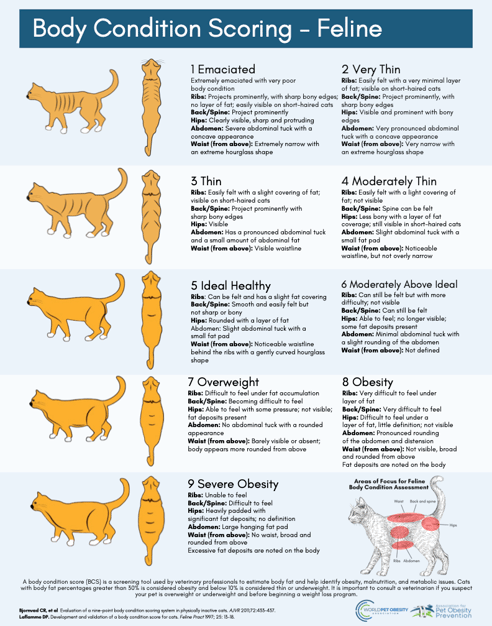
Young and healthy cats often groom themselves thoroughly. Their energy levels and physical well-being support this. Older cats or those with health issues may struggle. Arthritis or obesity can make grooming difficult. Regular vet visits can help identify health problems early.
Body Size And Flexibility
A cat’s body size and flexibility play a role in grooming. Slim and agile cats often reach difficult spots with ease. Larger or less flexible cats may miss areas like the back. Ensuring your cat maintains a healthy weight can improve grooming ability.
How Cats Compensate For Hard-to-reach Areas
Cats are excellent groomers, but some body parts remain hard to reach. Their flexible bodies help clean most areas. Still, certain spots need extra care. Cats use smart ways to keep those areas clean and healthy. They rely on others and social behaviors to compensate for tough-to-reach places.
Relying On Owners For Help
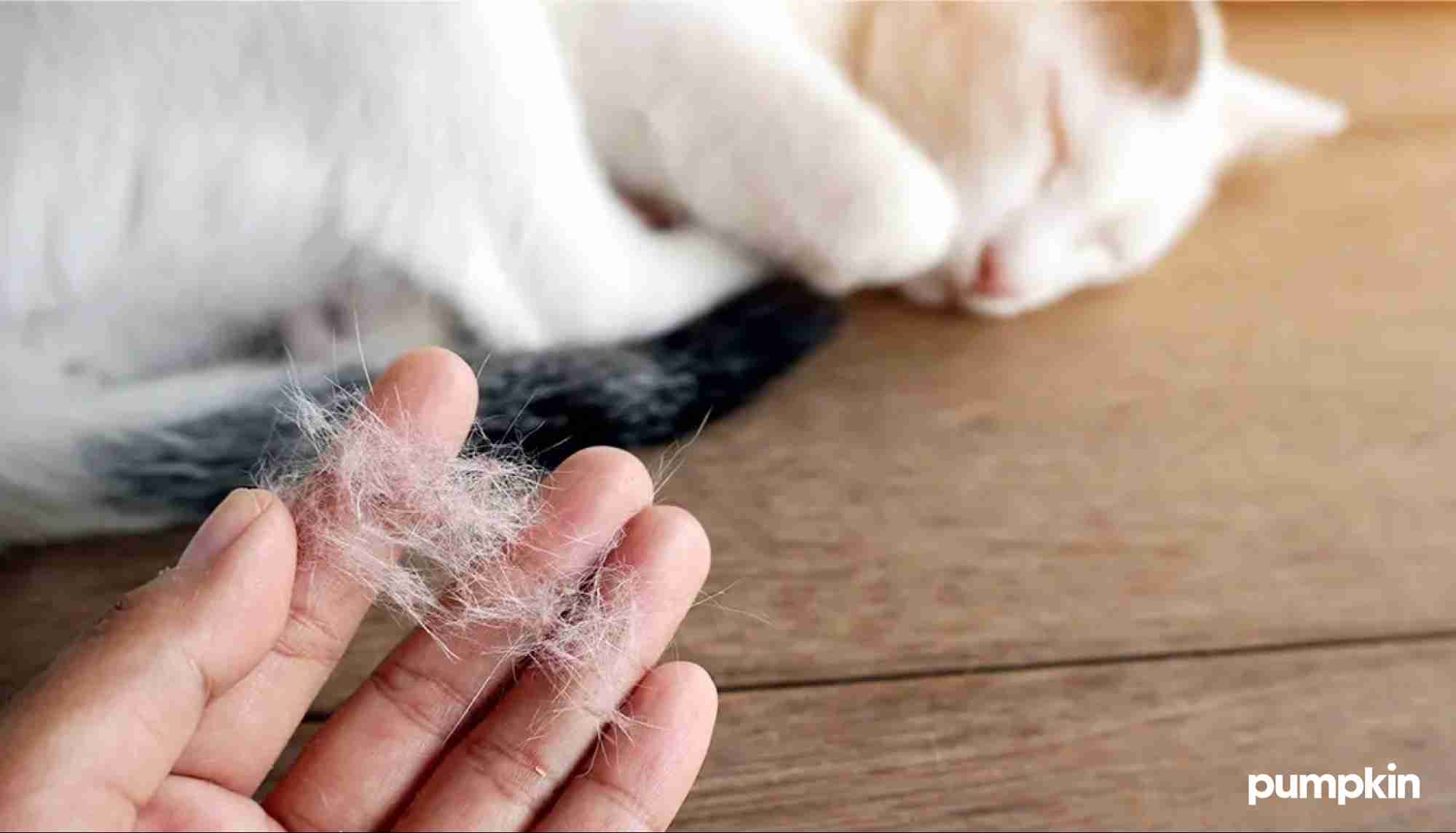
Cats sometimes depend on their owners for grooming. Owners can gently brush or wipe areas cats cannot reach. Common spots include the top of the head, behind the ears, and the base of the tail. Regular grooming from owners helps remove dirt and loose fur. It also prevents hairballs and skin problems. This care strengthens the bond between cats and their humans.
Social Grooming Among Cats
Cats living together often groom each other. This behavior is called allogrooming. It helps clean hard-to-reach places like the back of the neck and head. Social grooming also builds trust and reduces stress. Cats lick and nibble each other’s fur, removing dirt and loose hair. This teamwork keeps their coats shiny and healthy. Group grooming plays a key role in cat communities.
Credit: www.pumpkin.care
When Grooming Problems Signal Health Issues
Cats are usually meticulous groomers, keeping their fur clean and tidy almost all by themselves. But when grooming problems start to appear, it could be more than just laziness or a bad mood. These issues often point to underlying health problems that need your attention.
Signs Of Grooming Difficulties
Have you noticed your cat’s coat looking dull, matted, or patchy? These are clear signs your cat may be struggling to groom properly. Other signs include:
- Excessive shedding or bald spots
- Unpleasant odors coming from the fur
- Visible skin irritation or redness
- Overgrooming certain areas, leading to sores
- Reluctance to clean hard-to-reach spots like the back or tail
Sometimes, these symptoms are subtle and easy to miss. Think about the last time your cat seemed uninterested in cleaning itself—could it have been a sign of pain or discomfort?
When To Consult A Vet
If you spot any grooming difficulties, don’t wait for the problem to worsen. A vet visit is crucial when your cat shows:
- Sudden changes in grooming habits
- Persistent bald patches or skin sores
- Signs of pain while grooming or touching
- Excessive licking or biting of specific areas
- Unexplained weight loss or lethargy alongside grooming issues
Your vet can check for common causes like dental problems, arthritis, or skin infections. Early diagnosis helps prevent discomfort and keeps your cat healthy and happy. Have you ever noticed your cat’s grooming change before an illness? That observation could be key to catching health issues early.
Credit: www.preventivevet.com
Frequently Asked Questions
Can Cats Groom All Parts Of Their Body?
Cats can groom most body parts but struggle with hard-to-reach areas like their back. They use their tongue and teeth for cleaning.
Why Can’t Cats Groom Some Body Parts Fully?
Cats lack flexibility to reach certain spots, especially mid-back. This limitation makes those areas harder to keep clean without help.
How Do Cats Groom Their Face And Head?
Cats use their front paws to clean their face and head. They lick their paws, then rub them over these areas.
Should Owners Help Cats Groom Unreachable Areas?
Yes, owners should assist in grooming hard-to-reach spots. Brushing and wiping can prevent mats and maintain coat health.
Conclusion
Cats clean most of their bodies by licking their fur. They reach many spots, but some areas are hard to clean. For example, cats cannot easily groom their backs or heads. Sometimes, they need help from humans or other cats.
Grooming keeps cats healthy and removes dirt and loose hair. Watching a cat groom shows their natural care routine. Remember, regular brushing helps keep your cat clean and comfortable. A little help goes a long way for your furry friend.

Leave a Reply