Are you wondering if your cat can safely eat adult wet food? Choosing the right diet for your feline friend is important for their health and happiness.
You want to make sure you’re giving your cat the best nutrition without any risks. You’ll discover everything you need to know about feeding your cat adult wet food, including benefits, potential concerns, and expert tips. Keep reading to make the best choice for your furry companion’s diet.
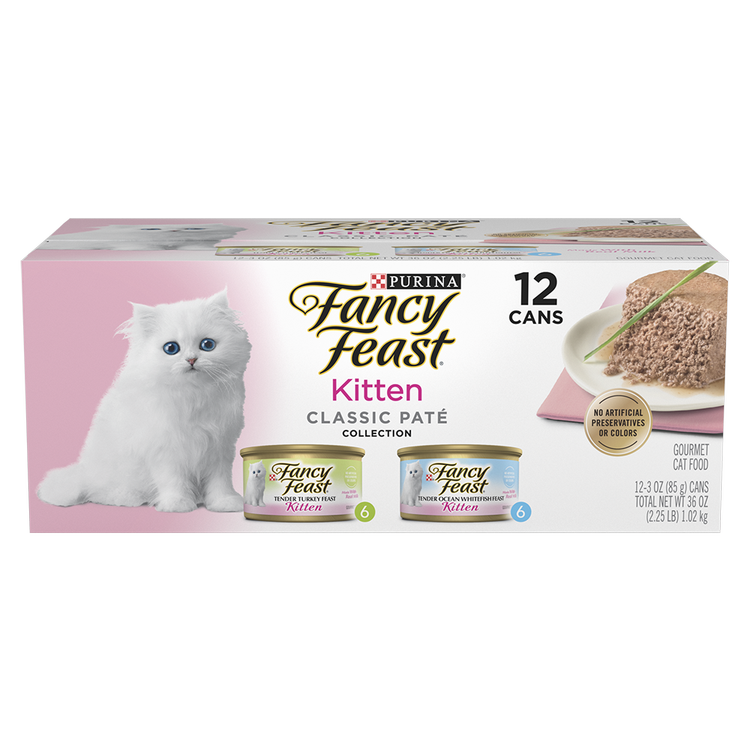
Credit: www.purina.com
Nutritional Needs Of Adult Cats
Understanding the nutritional needs of adult cats is essential if you want to keep your feline friend healthy and happy. Unlike kittens, adult cats require a diet tailored to maintain their weight, muscle mass, and overall vitality. Feeding the right type of wet food can make a significant difference in their well-being.
Key Nutrients In Cat Diet
Your adult cat’s diet should include specific nutrients to support their health:
- Protein:Cats are obligate carnivores, meaning they need high-quality animal protein to maintain muscle and energy.
- Fat:Provides energy and supports skin and coat health.
- Taurine:An essential amino acid that prevents heart and eye diseases.
- Vitamins and minerals:Help support immune function and bone health.
- Water:Wet food contributes to hydration, which is crucial for kidney and urinary tract health.
Have you noticed how your cat’s energy levels change with different foods? That’s often linked to these nutrients.
Differences Between Kitten And Adult Food
Kitten food is specially formulated with more calories and nutrients to fuel growth and development. It contains higher amounts of protein, fat, and essential vitamins to support their rapid changes.
Adult cat food, on the other hand, focuses on maintaining a healthy weight and preventing obesity. It generally has fewer calories but still meets all the nutritional requirements to keep your cat fit and active.
Feeding your adult cat kitten food regularly can lead to unnecessary weight gain. Have you ever wondered why your cat seems less playful after switching food? It might be due to the calorie content not matching their lifestyle.
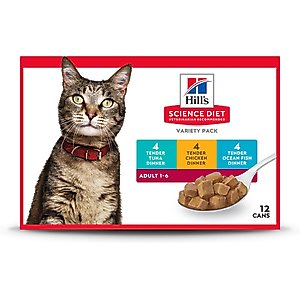
Credit: www.chewy.com
Types Of Wet Food For Cats
Choosing the right wet food for your adult cat can feel overwhelming with so many options on the market. Understanding the different types available helps you pick meals that suit your cat’s taste and nutritional needs. Let’s look closely at what makes wet food a good choice and what varieties you can find.
Ingredients To Look For
Good wet food starts with quality ingredients. Look for real meat like chicken, turkey, or fish listed as the first ingredient. Avoid foods with fillers such as corn, wheat, or soy, as these offer little nutritional value to your cat.
Check for added vitamins and minerals to support your cat’s health, especially taurine, an essential amino acid for cats. Also, keep an eye out for preservatives—natural options like vitamin E (tocopherols) are better than artificial chemicals.
Have you noticed your cat reacting poorly to certain foods? Ingredients matter not just for nutrition but also for avoiding allergies or sensitivities. Choosing carefully can help you avoid upset stomachs and skin issues.
Common Wet Food Varieties
Wet cat food comes in several forms, each with its own texture and appeal. Pâté is smooth and easy to eat, especially for cats with dental problems. Chunks in gravy offer a chunkier texture that many cats enjoy, combining moisture with chewable bits.
There are also shredded or flaked options that resemble real meat, which can be more enticing for picky eaters. Some brands offer grain-free or limited ingredient formulas, ideal if your cat has dietary restrictions.
Think about your cat’s preference and health needs when selecting a variety. Have you ever tried mixing different textures to see which one your cat prefers? Experimenting can make mealtime more exciting for your furry friend.
Benefits Of Wet Food For Adult Cats
Wet food offers several benefits that can improve the health and happiness of your adult cat. It’s more than just a tasty meal; wet food can support important bodily functions and help maintain a healthy weight. You might notice your cat becoming more energetic and comfortable with the right diet.
Hydration And Urinary Health
Cats naturally have a low thirst drive, so they often don’t drink enough water. Wet food contains a high moisture content, which helps increase your cat’s overall water intake without extra effort. This added hydration supports kidney function and can reduce the risk of urinary tract problems.
Have you ever seen your cat struggle with urinary issues? Adding wet food to their diet can make a real difference in preventing discomfort and costly vet visits. It’s a simple way to help your cat stay healthy from the inside out.
Weight Management
Maintaining a healthy weight is crucial for your cat’s longevity and quality of life. Wet food tends to be lower in calories but high in protein, which helps your cat feel full without overeating. This balance makes it easier to control portion sizes and avoid unnecessary weight gain.
If your cat has struggled with weight, switching to wet food might be a practical step to improve their diet. You’ll notice they stay satisfied longer, and you’ll have more control over their calorie intake. Isn’t it worth trying something that benefits both their health and your peace of mind?
Risks Of Feeding Wet Food Exclusively
Feeding cats only wet food may cause dental problems and nutrient imbalances. Wet food lacks the fiber found in dry food, which helps with digestion. Regular vet checkups are important to keep cats healthy on a wet food diet.
Feeding your feline friend exclusively on wet food might seem convenient, but there are several risks involved. While cats often enjoy the taste and texture of wet food, relying solely on it could lead to health concerns. Understanding these risks will help you make informed decisions for your cat’s diet.Potential Nutritional Imbalances
Wet food can sometimes lack the necessary nutrients cats need for a balanced diet. Even if a product claims to be complete, it might still miss certain vitamins or minerals. This could lead to deficiencies that affect your cat’s health over time. Additionally, wet food usually contains more water and less protein than dry food. Cats need a high-protein diet, so exclusive wet food feeding might not provide enough of this essential nutrient.Dental Health Concerns
Cats need to chew to maintain healthy teeth and gums. Wet food doesn’t provide the same dental benefits as dry kibble, which can help scrape off plaque. Over time, this might lead to dental issues such as tartar build-up or gum disease. Do you notice your cat’s breath worsening despite regular wet food meals? This could be a sign that their dental health is suffering from the lack of chewing action. Incorporating some dry food can help keep those pearly whites clean and healthy.How To Transition To Adult Wet Food
Transitioning your cat to adult wet food needs care and patience. Sudden changes may upset your cat’s stomach or cause refusal to eat. A smooth switch helps your cat accept new flavors and textures comfortably.
Start with small steps and watch your cat closely. Understanding your cat’s preferences and reactions ensures a successful change to adult wet food.
Gradual Introduction Tips
- Mix a small amount of adult wet food with the current food.
- Increase the wet food portion slowly over 7 to 10 days.
- Keep the feeding area clean and quiet to encourage eating.
- Offer fresh water alongside wet food to keep your cat hydrated.
- Serve food at room temperature to enhance aroma and appeal.
Monitoring Cat’s Reaction
Watch for signs of digestive upset like vomiting or diarrhea. Check if your cat shows interest or rejects the new food. Note changes in energy and behavior during the transition.
Consult a vet if your cat refuses food for more than two days or shows illness signs. Adjust the transition pace to match your cat’s comfort level.

Credit: ziggyfamily.com
Homemade Vs Commercial Wet Food
Deciding between homemade and commercial wet food for your adult cat can be challenging. Both options have unique benefits and drawbacks that affect your cat’s health, convenience, and your peace of mind. Understanding these differences helps you make a choice that fits your cat’s needs and your lifestyle.
Pros And Cons
Homemade wet foodallows you to control every ingredient. You can avoid preservatives, fillers, and unwanted additives. This is great if your cat has allergies or special dietary needs.
However, homemade meals require time, effort, and nutritional knowledge. Missing out on essential nutrients can harm your cat’s health over time.
Commercial wet foodis convenient and formulated to meet cats’ nutritional requirements. It comes in a variety of flavors and textures that many cats enjoy.
On the downside, some brands use low-quality ingredients or artificial additives. Not all commercial options are created equal, so reading labels is crucial.
Safety Considerations
With homemade food, safety is a top concern. You need to handle raw ingredients carefully to avoid bacterial contamination. Cooking methods must preserve nutrients while ensuring food safety.
Commercial wet food undergoes strict safety standards and quality control. Still, recalls can happen due to contamination or ingredient issues. Staying informed about recalls can protect your cat.
Have you checked the ingredient list on your cat’s wet food lately? Ensuring it contains balanced nutrients and no harmful additives is key to your cat’s well-being.
Special Dietary Needs And Restrictions
Understanding your cat’s special dietary needs is crucial, especially when considering adult wet food. Not all cats can eat the same type of food without potential health risks. Paying attention to dietary restrictions helps keep your feline friend healthy and happy.
Health Conditions Affecting Diet
Some cats have health conditions that change what they can safely eat. Kidney disease, diabetes, and allergies are common issues that require specific diets.
For example, cats with kidney problems often need food with lower protein and phosphorus. Diabetic cats benefit from diets that control sugar and carbohydrate levels. Allergies might mean avoiding certain proteins or additives found in some wet foods.
Ignoring these needs can worsen your cat’s condition. Have you noticed any unusual symptoms or behavior in your cat after eating? These could hint at dietary problems.
Consulting A Veterinarian
Your vet is the best guide for choosing the right adult wet food for your cat. They can recommend options based on your cat’s age, weight, and health status.
Don’t hesitate to ask your vet about specific brands or ingredients. They might suggest prescription diets or homemade alternatives tailored to your cat’s needs.
Remember, what works for one cat may not work for another. Have you scheduled regular check-ups to discuss your cat’s diet? Keeping an open line with your vet ensures your cat gets the best care possible.
Frequently Asked Questions
Can Cats Eat Adult Wet Food Daily?
Yes, cats can eat adult wet food daily. It provides hydration and essential nutrients. Ensure the food is balanced for adult cats.
Is Adult Wet Food Safe For Kittens?
Adult wet food is not ideal for kittens. Kittens need specific nutrients for growth. Use kitten-formulated wet food instead.
What Are Benefits Of Adult Wet Cat Food?
Adult wet cat food helps maintain hydration and supports urinary health. It’s easy to digest and often more palatable than dry food.
Can Adult Wet Food Cause Weight Gain In Cats?
Overfeeding adult wet food can cause weight gain. Follow feeding guidelines and monitor your cat’s weight regularly to avoid obesity.
Conclusion
Cats can enjoy adult wet food safely with the right choices. Always check the ingredients and avoid harmful additives. Wet food helps keep cats hydrated and supports their health. Feeding wet food suits many cats, but watch their reactions closely.
Balance wet food with dry food or treats for variety. Consult your vet for personalized advice on your cat’s diet. Healthy cats need proper nutrition every day. Wet food can be part of that plan. Keep your cat happy and well-fed with smart feeding.
Simple care makes a big difference.




Leave a Reply