Have you ever noticed your cat grooming itself even when it doesn’t seem quite right? You might wonder, “Can a cat be sick and still grooming itself?” It’s confusing because grooming usually means your cat feels fine.
But sometimes, your furry friend may keep cleaning despite feeling unwell. Understanding this behavior can help you spot hidden health issues early. Keep reading to learn what your cat’s grooming habits really mean and how you can tell if something is wrong.
Credit: animals.howstuffworks.com
Cats And Grooming Habits
Cats are known for their meticulous grooming habits, and watching your feline friend clean itself can be both soothing and fascinating. Grooming is more than just keeping fur clean; it plays a vital role in their health and emotional well-being. Understanding these habits can help you spot when something might be off, even if your cat continues to groom while feeling unwell.
Why Cats Groom Themselves
Cats groom themselves to remove dirt, loose fur, and parasites. This behavior helps regulate their body temperature and keeps their coat in good condition. Grooming also spreads natural oils across their fur, which protects their skin and fur from damage.
Think about your own hygiene routine—how much of it is about feeling comfortable and clean? For cats, grooming serves a similar purpose but also reinforces their sense of safety and control in their environment.
Normal Grooming Frequency
Most cats spend between 30 to 50 percent of their waking hours grooming. This might seem like a lot, but it’s perfectly normal for them to clean themselves multiple times a day. You might notice your cat licking its paws, face, and body repeatedly in short grooming sessions.
Does your cat suddenly groom more or less than usual? Changes in grooming frequency can be a sign of stress or illness. Keep an eye on patterns to better understand what’s normal for your pet.
Grooming As A Stress Reliever
Grooming also helps cats reduce anxiety. When your cat feels nervous or scared, it may start grooming more intensely to calm down. This is similar to how humans might bite their nails or fidget when stressed.
If you notice excessive grooming, especially in certain areas like the belly or limbs, it could indicate stress or a skin problem. Watching your cat’s grooming habits closely can provide clues about its emotional and physical health.

Credit: petradioshow.com
Signs Of Illness In Grooming Cats
Cats often groom themselves daily, keeping their fur clean and smooth. Changes in their grooming habits can signal health problems. Observing these changes helps detect illness early. Cats may still groom but show subtle signs of discomfort or distress.
Changes In Grooming Patterns
A sick cat may groom less or more than usual. Grooming sessions might become shorter or irregular. Some cats stop grooming hard-to-reach areas, leaving fur matted or dirty. Watch for sudden shifts in how often or how well your cat grooms.
Overgrooming And Skin Issues
Overgrooming can cause bald spots, redness, or sores. Cats may lick or chew their fur excessively due to pain or stress. Skin infections, allergies, or parasites often lead to overgrooming. Check for scabs, swelling, or irritated patches on the skin.
Neglecting Grooming
A cat that feels sick might neglect grooming altogether. Their coat can become greasy, tangled, or full of debris. Poor grooming may indicate pain, fever, or dental problems. Notice if your cat looks less clean or appears uncomfortable while grooming.
Common Illnesses Affecting Grooming
Cats often groom themselves even if they feel unwell. Grooming is a natural habit for cats and helps them stay clean and calm. Still, certain illnesses can affect how they groom. Some cats may groom less, while others may groom too much or in unusual ways. Understanding these common illnesses helps spot changes early.
Pain And Mobility Problems
Pain from arthritis or injuries can make grooming hard for cats. They may avoid grooming areas that hurt. For example, a cat with a sore leg might not clean that side well. This can lead to matted fur or dirty patches. Cats may also groom less overall if moving is painful.
Skin Infections And Parasites
Skin infections like fungal or bacterial infections cause itching and discomfort. Fleas, mites, and ticks irritate the skin and cause constant scratching. Cats may groom more to try to ease this discomfort. Sometimes grooming becomes excessive, leading to hair loss or sores. Watch for red, flaky, or scabby skin as signs.
Internal Diseases Impacting Behavior
Illnesses like kidney disease or diabetes can change a cat’s behavior. These diseases may reduce energy or cause nausea, affecting grooming habits. Cats might groom less or neglect parts of their body. Some internal conditions lead to increased thirst or urination, which may also impact grooming routines.
Behavioral Clues Alongside Grooming
Cats are skilled at hiding their ailments. They often seem fine, even when unwell. Grooming is a key activity for cats. But, grooming alone doesn’t reveal their health. Observing behavioral clues is crucial. These clues, alongside grooming, can indicate sickness.
Lethargy And Appetite Changes
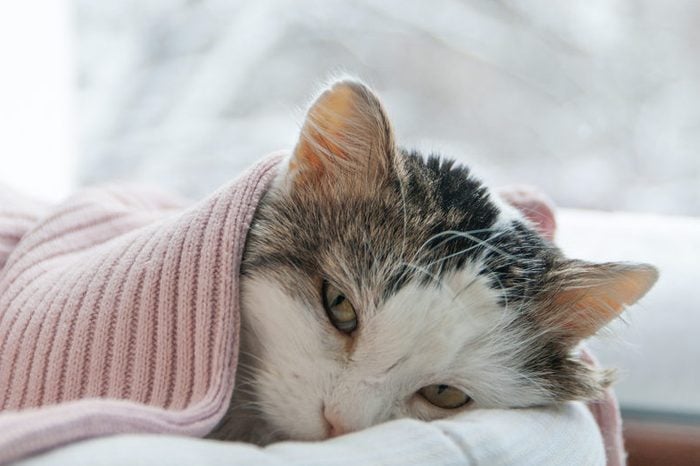
A sick cat might groom, but show lethargy. They may sleep more than usual. Their energy levels drop significantly. Appetite changes are another sign. A cat may eat less or refuse food entirely. Monitor these changes closely.
Hiding And Social Withdrawal
Sick cats often hide more. They prefer dark, quiet places. Social withdrawal is common too. A usually friendly cat might avoid interaction. They may ignore family members and other pets. This withdrawal is a red flag.
Vocalization And Aggression
Listen for changes in vocalization. A sick cat may meow more often. Their meows can sound different, more distressed. Aggression is another behavioral clue. A gentle cat might suddenly become aggressive. This behavior can signal pain or discomfort.
When To Seek Veterinary Help
Cats often groom themselves even when they feel unwell. Grooming can be a way to comfort themselves or mask illness. Still, certain signs mean it is time to seek veterinary help. Early action can prevent worsening health problems. Knowing when to act helps your cat get the care it needs quickly.
Monitoring Grooming And Health
Watch your cat’s grooming habits daily. Notice changes in grooming style or frequency. Over-grooming or neglecting grooming may signal health issues. Check your cat’s coat for mats, bald spots, or dirt. Look for changes in appetite, energy, or behavior. Keep track of any vomiting, diarrhea, or coughing. These details help the vet diagnose problems faster.
Emergency Signs To Watch For
- Difficulty breathing or rapid breathing
- Severe vomiting or diarrhea
- Sudden weakness or collapse
- Bleeding or wounds not healing
- Swelling or severe pain
- Unresponsive or unconscious behavior
These signs require immediate veterinary attention. Do not wait for grooming habits to change.
Preparing For The Vet Visit
Gather information about your cat’s symptoms and grooming changes. Note the time and frequency of any unusual behavior. Bring a sample of vomit or stool if possible. Keep your cat calm and secure during travel. Use a comfortable carrier lined with a familiar blanket. Arrive early to reduce stress and allow time for check-in. Clear communication with the vet speeds up diagnosis and treatment.
Supporting A Sick Cat’s Grooming
Supporting a sick cat’s grooming is essential to help your feline friend stay comfortable and healthy during illness. Even if your cat is still grooming itself, the quality and frequency might not be enough. Stepping in with gentle care can make a big difference in their recovery and well-being.
Assisting With Grooming
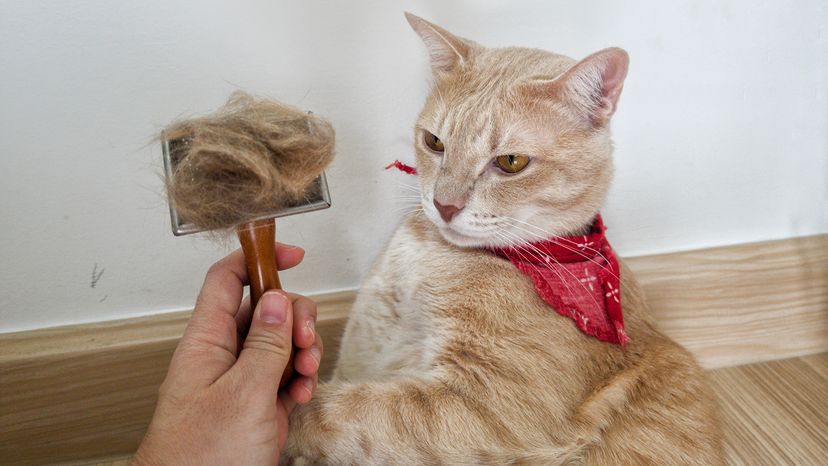
If your cat seems too weak to groom properly, you can help by gently brushing their fur. Use a soft brush to remove loose hair and prevent mats from forming. Pay close attention to areas your cat struggles to reach, like behind the ears or under the belly.
Sometimes, dampening a washcloth with warm water and softly wiping your cat’s face and paws can refresh them. This simple act can prevent dirt buildup and reduce discomfort. Have you noticed your cat avoiding certain spots? That’s a sign they might need extra help there.
Maintaining Cleanliness
Keeping your cat’s environment clean supports their grooming efforts and overall health. Change bedding regularly to avoid dirt and bacteria buildup. Clean litter boxes daily to encourage your cat to use them, preventing further stress or illness.
Wiping down food and water bowls often can also reduce germs. Your cat’s skin and coat reflect their health, so maintaining cleanliness helps reduce the risk of infections. What small cleaning habits have you found most effective for your cat?
Creating A Comfortable Environment
Comfort plays a huge role in how well your cat can care for itself. Ensure your cat has a warm, quiet place to rest away from household noise. Soft blankets and a cozy bed can encourage them to relax and groom more effectively.
Adjust lighting to keep the space calm, and consider gentle background sounds like soft music if it soothes your cat. How often do you check your cat’s favorite spots to make sure they still feel safe and inviting during illness?
Credit: www.rd.com
Frequently Asked Questions
Can Cats Groom Themselves When Feeling Sick?
Yes, cats often continue grooming even when sick. Grooming is a natural behavior and can provide comfort despite illness. However, excessive or reduced grooming may signal health issues needing attention.
What Does Grooming Indicate About A Cat’s Health?
Regular grooming generally indicates good health and well-being. Changes in grooming habits, like neglect or over-grooming, can be early signs of stress, pain, or illness in cats.
Why Do Sick Cats Still Groom Themselves?
Sick cats groom to soothe themselves and maintain cleanliness. Grooming helps reduce stress and discomfort, making it a coping mechanism during illness.
When Should I Worry About A Cat’s Grooming Habits?
Worry if your cat stops grooming or grooms excessively. Both can indicate health problems like infections, pain, or psychological stress needing veterinary care.
Conclusion
Cats may groom themselves even when feeling sick. Grooming helps them stay clean and calm. Still, changes in grooming habits can signal health problems. Watch for signs like less grooming or rough fur. Trust your instincts if your cat acts different.
A vet visit can find hidden health issues early. Taking care of your cat means watching both behavior and grooming. Small changes matter. Stay alert, and help your cat stay healthy and happy.



Leave a Reply