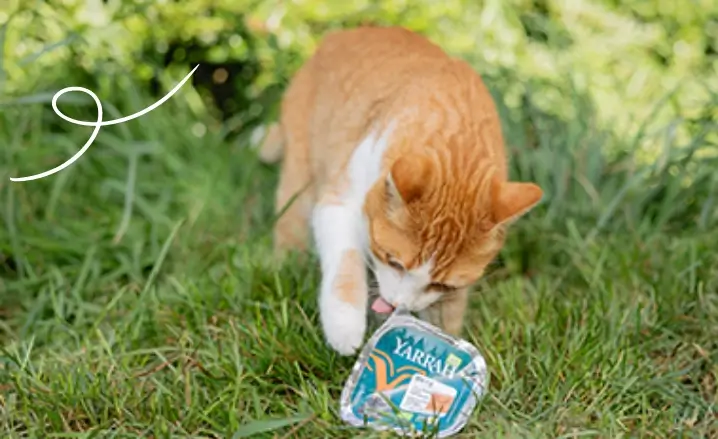
Are you wondering if your 9-week-old kitten can eat adult cat food? It’s a common question that many new cat owners face.
Feeding your little kitten the right food is crucial for its growth and health. Choosing the wrong diet could lead to problems down the line. You’ll discover why your kitten’s nutritional needs are different from an adult cat’s and what you should feed your furry friend to keep it strong and happy.
Keep reading to make sure you’re giving your kitten the best start in life.
Kitten Nutritional Needs
Kittens need special nutrition to grow healthy and strong. Their bodies use energy fast and require more nutrients than adult cats. Feeding the right food supports their development and keeps them active. Understanding these needs helps decide if adult cat food is suitable for a 9-week-old kitten.
Growth Requirements
Kittens grow rapidly during the first months. Their bodies need plenty of calories for energy and building tissues. Protein helps build muscles and organs. Fat provides energy and supports brain development. Kittens also need more vitamins and minerals than adult cats to support bones and the immune system.
Key Nutrients For Kittens
- Protein:Essential for muscle growth and repair.
- Fat:Supplies energy and supports healthy skin and brain.
- Calcium and Phosphorus:Important for strong bones and teeth.
- Taurine:An amino acid crucial for heart and eye health.
- Vitamin A and D:Support vision and bone growth.
- Water:Keeps kittens hydrated and supports all body functions.
Credit: www.petmd.com
Differences Between Kitten And Adult Cat Food
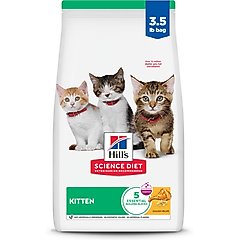
Kitten food and adult cat food serve different purposes. Kittens grow fast and need extra nutrients for their bodies and brains. Adult cats require balanced nutrition to maintain health but do not need as many calories or growth-supporting elements.
Choosing the right food helps kittens develop strong bones, muscles, and a healthy immune system. Feeding adult cat food to a kitten might not meet these high demands. Understanding the differences helps in giving your kitten the best start.
Protein And Calorie Content
Kitten food contains higher protein levels than adult cat food. Protein supports muscle growth and tissue repair. Kittens burn more energy during growth, so their food has more calories. Adult cat food has fewer calories to prevent weight gain. Feeding a kitten adult food can slow growth due to lower calories and protein.
Vitamin And Mineral Levels
Kitten food includes extra vitamins and minerals for development. Calcium and phosphorus are higher to build strong bones and teeth. Vitamins like A and D support vision and immune health. Adult cat food has lower amounts since growth slows. Using adult food for kittens may cause nutrient gaps that affect health.
Risks Of Feeding Adult Food To Kittens
Feeding a kitten adult cat food might seem convenient. But it carries significant risks. Young kittens have unique nutritional needs. Adult cat food cannot meet these needs. Below are some risks of giving adult food to kittens.
Nutritional Deficiencies
Kittens need more protein and calories. They are growing fast. Adult cat food lacks these nutrients. It can lead to developmental issues. Vitamin and mineral levels differ too. Kittens may not get enough calcium. This affects bone growth. Taurine deficiency is another risk. It’s vital for heart and eye health.
Digestive Issues
Kittens have sensitive stomachs. Adult cat food can upset them. It is harder to digest for young kittens. This can cause vomiting and diarrhea. Consistent digestive issues lead to dehydration. Dehydration is dangerous for kittens. Their bodies are still developing. Proper diet is crucial for their health.
Credit: cats.com
When To Transition To Adult Cat Food
Knowing the right time to switch your kitten from baby food to adult cat food can affect their growth and health. Feeding adult food too early may not provide the nutrients your kitten needs, but waiting too long might not support their changing dietary requirements. Understanding the key signs and a smooth transition plan helps you make the best choice for your furry friend.
Age And Weight Milestones
Kittens usually start moving toward adult food around 9 to 12 months of age. However, age alone isn’t the only factor; your kitten’s weight and overall development matter too.
If your kitten weighs about 8 to 10 pounds and shows signs of slowing growth, it’s likely time to consider adult food. Some breeds grow faster or slower, so keep an eye on their body condition and energy levels.
Have you noticed your kitten losing that playful kitten energy or looking leaner? These can be clues that their diet needs to change.
Gradual Switching Process
Switching to adult cat food should never be sudden. A gradual change helps avoid digestive upset and lets your kitten’s system adjust smoothly.
Start by mixing 25% adult food with 75% kitten food for about three days. Then shift to a 50/50 mix for another few days. Finally, move to 75% adult food and 25% kitten food before fully switching after about 10 to 14 days.
- Watch for any signs of stomach upset like diarrhea or vomiting during the switch.
- Maintain fresh water availability since adult food may have different moisture levels.
- Keep your vet in the loop if you notice any unusual behavior or health changes.
How patient are you willing to be with this process? Rushing can cause unnecessary stress for your kitten and you.
Essential Feeding Tips For 9-week-old Kittens
Feeding a 9-week-old kitten properly is vital for healthy growth. At this age, kittens need balanced nutrition to build strong bones and develop muscles. Their tiny stomachs require frequent meals with the right portion size. Choosing suitable food and ensuring enough water intake also support their well-being.
Meal Frequency And Portion Size
Kittens need small, frequent meals to keep energy levels steady. Feed your kitten about four times a day. Each meal should be small enough to finish comfortably. Overfeeding can cause stomach upset, while underfeeding can slow growth.
Watch your kitten’s weight and adjust portions as needed. Weight should steadily increase with no sudden changes. Using a kitchen scale or measuring cup helps control portion size accurately.
Choosing The Right Food
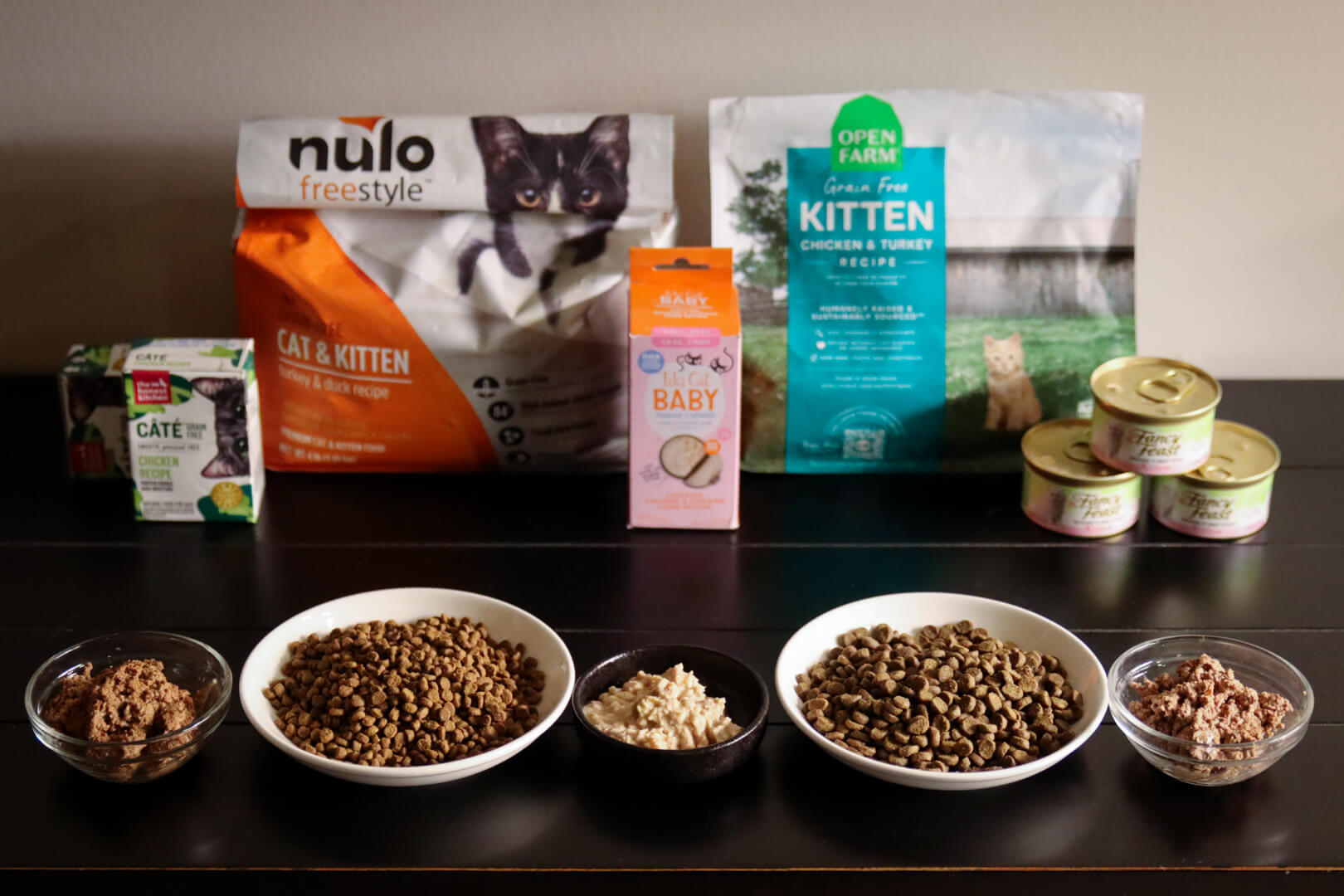
Kitten food is specially made to meet their unique nutritional needs. It contains higher protein, fat, and essential vitamins than adult cat food. Avoid feeding adult cat food exclusively as it lacks key nutrients for kittens.
Select high-quality commercial kitten food with clear ingredient labels. Wet food can help with hydration and is easier to eat. Dry food supports dental health but always provide fresh water alongside.
Hydration Importance
Water keeps kittens healthy and supports digestion. Always provide clean, fresh water in a shallow bowl. Change water daily to encourage drinking.
Wet kitten food adds moisture, helping meet hydration needs. Avoid giving milk, which can cause stomach upset. Proper hydration prevents urinary and kidney problems in growing kittens.
Signs Of Proper Growth And Health
Watching a 9-week-old kitten grow healthy is important. Proper growth shows the kitten is getting the right food and care. Signs of good health help ensure the kitten develops well and stays active.
Weight Gain Tracking
Tracking a kitten’s weight helps measure growth progress. A healthy kitten gains weight steadily each week. Use a small scale to weigh your kitten regularly. Record the weight to notice any changes over time. Sudden weight loss or no gain may signal a problem. Consistent weight gain means the kitten is likely eating enough.
Energy And Behavior Indicators
Healthy kittens have high energy and playful behavior. They explore, run, and interact with their surroundings. A sleepy or inactive kitten may need more nutrients or vet care. Bright eyes and clean fur also show good health. Watch how your kitten reacts to food and playtime. Active and curious kittens usually grow strong and well.

Credit: ziggyfamily.com
Frequently Asked Questions
Can 9-week-old Kittens Eat Adult Cat Food?
At 9 weeks, kittens need kitten-specific food for growth. Adult cat food lacks essential nutrients for their development. Feeding adult food may cause nutrient deficiencies and affect health. Always choose high-quality kitten food until they are around 12 months old.
What Are The Risks Of Feeding Adult Food Early?
Adult cat food has lower protein and fat levels. Kittens require higher nutrients for energy and growth. Feeding adult food early can stunt growth and weaken the immune system. It may also lead to digestive issues and nutrient imbalances.
When Can Kittens Switch To Adult Cat Food?
Kittens can gradually switch to adult food at 12 months. This ensures they have completed rapid growth phases. Transition slowly over 7-10 days to avoid digestive upset. Always consult a vet for personalized feeding advice.
How To Choose The Best Food For 9-week Kittens?
Select kitten-formulated food with high protein and fat content. Look for complete and balanced nutrition labels. Avoid adult cat food until kittens reach maturity. Wet and dry kitten food can be combined for variety and hydration.
Conclusion
A 9-week-old kitten needs special food to grow healthy and strong. Adult cat food lacks important nutrients for young kittens. Feeding only adult food can cause health problems. Choose kitten food made for their age and size. This helps their bones, muscles, and brain develop well.
Always check with a vet about your kitten’s diet. Proper food gives your kitten the best start in life. Keep your little friend happy and healthy every day.


Leave a Reply