Have you ever wondered if there are laws that protect your cat during grooming? Whether you groom your cat at home or take them to a professional, knowing the rules can keep your furry friend safe.
You might be surprised to learn how much the law affects what’s allowed—and what’s not—when it comes to cat grooming. Keep reading to discover what you need to know to protect your cat and avoid any legal headaches. Your cat’s health and happiness could depend on it.
Cat Grooming Laws
Cat grooming laws protect animals and ensure safe care. These laws vary by location but generally focus on health and safety. Groomers must follow specific rules to keep cats safe and comfortable. Understanding these laws helps pet owners choose responsible groomers.
Legal Requirements For Groomers
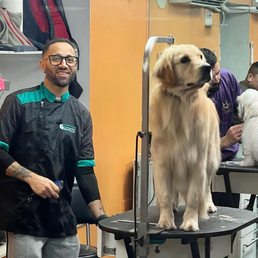
Groomers must follow rules to prevent harm to cats. These rules cover safe handling, proper equipment use, and hygiene. Groomers must avoid practices that stress or injure cats. Some places require clear records of grooming services and incidents.
Licensing And Certification
Many areas require groomers to have a license or certification. This proves they know proper grooming techniques and animal care. Training often includes first aid and recognizing health problems. Licensed groomers show professionalism and commitment to safety.
Animal Welfare Regulations
Laws protect cats from cruelty during grooming. These include limits on restraint methods and grooming tools. Groomers must provide clean, safe environments for animals. Violating welfare laws can lead to fines or loss of license.
Owner Responsibilities
Owning a cat means taking full responsibility for its grooming needs. Grooming keeps cats healthy and comfortable. Owners must understand the basics and limits of home grooming. They must also know when to get professional help. Proper care avoids harm and reduces stress for the cat.
Grooming At Home Guidelines
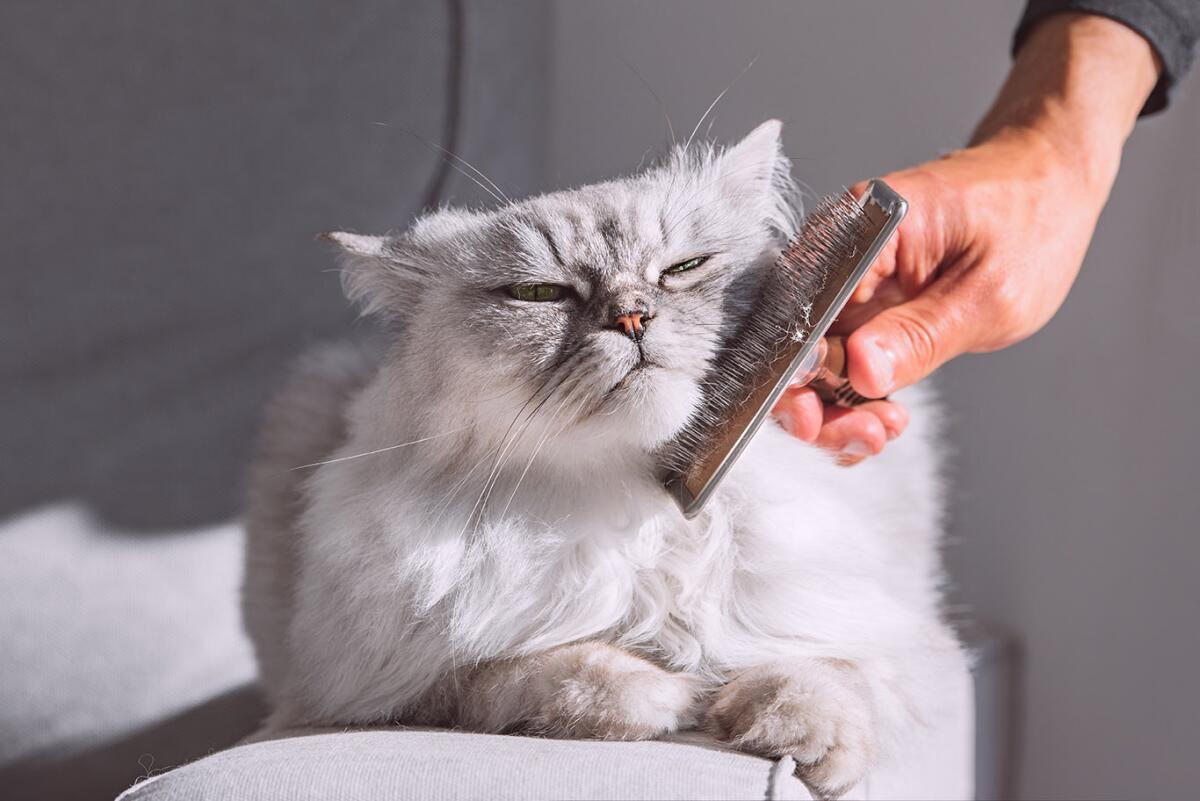
Start grooming with gentle brushing. Use tools made for cats only. Check for mats, dirt, and loose fur. Trim nails carefully, avoiding quicks. Clean ears with a soft cloth. Bathe cats only if necessary and with cat-safe shampoo. Make grooming a calm, short session.
When To Seek Professional Help
Consult a groomer if mats are severe or skin issues appear. Professionals handle nail trims for nervous cats. Ask for help if your cat is aggressive or scared. Groomers can provide services like haircuts and flea treatments. Regular vet visits also support grooming and health checks.
Avoiding Harm And Stress
- Never force grooming on a scared cat.
- Use slow, gentle movements during grooming.
- Stop if the cat shows signs of pain or distress.
- Provide treats and praise to make grooming positive.
- Keep grooming tools clean to prevent infections.
Common Legal Issues
Cat grooming involves more than just brushing fur and trimming nails. It touches on legal responsibilities too. Understanding common legal issues helps keep cats safe and groomers protected. Laws cover how grooming must be done and what counts as mistreatment. Knowing these rules avoids trouble and ensures proper care.
Neglect And Abuse Laws
Neglect means not giving enough care to a cat during grooming. Abuse refers to causing pain or harm on purpose. Many states have laws banning neglect and abuse. Groomers must use safe tools and gentle techniques. Overcutting nails or pulling fur can be abuse. Not cleaning wounds or ignoring injuries also counts as neglect. These laws protect cats from harm and poor treatment.
Penalties For Non-compliance
Breaking grooming laws can bring serious penalties. Fines vary but can be high. Some places may require jail time for severe abuse. Losing a license to groom professionally is common. Repeat offenses lead to stricter punishments. Penalties aim to stop bad grooming practices. They encourage safe, kind treatment of cats.
Reporting Violations
People who see illegal grooming must report it. Reports go to animal control or law enforcement. Many areas offer anonymous reporting options. Quick action helps protect cats and stop abuse. Clear evidence like photos or videos strengthens reports. Reporting ensures groomers follow the law and care properly.
Grooming Standards
Grooming standards for cats ensure their health and comfort during the grooming process. These standards protect cats from harm and help groomers provide the best care possible. Understanding these guidelines can make you more confident in managing your cat’s grooming needs safely.
Safe Grooming Practices
Safe grooming means handling your cat gently and patiently. Avoid pulling on mats or tangles harshly, as this can hurt your cat and make future grooming difficult. Always check your cat’s skin for redness or irritation before you start to prevent causing pain.
Have you noticed your cat tensing up during brushing? This often signals discomfort or fear. Adjust your approach by using slow, calm movements and giving your cat breaks to relax. Your goal is to keep grooming a positive experience.
Use Of Chemicals And Tools
Not all grooming products are safe for cats. Many shampoos made for dogs or humans contain chemicals that can irritate feline skin or be toxic if licked. Look for products specifically labeled for cats, and always test a small area first.
Sharp tools like clippers and scissors should be used with extreme care. Dull blades can pull hair painfully, and improper handling may cause cuts. If you’re unsure, ask a professional groomer to demonstrate safe techniques.
Breed-specific Considerations
Different cat breeds require unique grooming attention. Long-haired breeds like Persians need daily brushing to prevent mats, while short-haired cats might only need weekly grooming. Knowing your cat’s breed traits helps you tailor your care effectively.
Some breeds have sensitive skin or special coat types that react differently to grooming products. Have you observed how your cat’s fur reacts after a bath or brushing session? Adjust your routine based on these responses to keep their coat healthy and shiny.
Resources For Owners
Finding reliable resources for cat grooming can be a daunting task. Cat owners often seek guidance to ensure their pets receive the best care. Fortunately, there are several helpful resources available. From finding licensed groomers to accessing educational materials, there are many ways to get informed. Support organizations also play a crucial role in guiding cat owners. Let’s explore these valuable resources.
Finding Licensed Groomers
Ensuring a groomer is licensed offers peace of mind. Licensed groomers follow specific guidelines and standards. Begin your search by checking local directories. Many websites list certified professionals in your area. Ask friends or family for recommendations too. Trustworthy groomers often have positive reviews. Visit their website or call them for more information. This helps you gauge their experience and services.
Educational Materials
Educational materials are vital for understanding cat grooming. Books and online guides offer step-by-step instructions. Videos can be particularly helpful for visual learners. Many websites provide free articles and tips. Libraries often have comprehensive books on the subject. Online forums and communities are also great resources. They allow you to connect with other cat owners. You can share experiences and advice in these spaces.
Support Organizations
Support organizations offer invaluable assistance to cat owners. They provide information on best grooming practices. Many organizations host workshops and events. These events can enhance your knowledge and skills. Animal welfare groups also offer guidance. They focus on the well-being of pets. Some organizations even offer helplines for immediate support. Connecting with these groups can be highly beneficial. They ensure you and your cat receive the best care possible.
Frequently Asked Questions
Are There Specific Laws For Cat Grooming Businesses?
Yes, cat grooming businesses must follow local pet care and animal welfare laws. Licensing and health regulations apply to ensure safety and hygiene.
Do Groomers Need Certification For Cat Grooming?
Certification is not always legally required but is highly recommended. It ensures groomers have proper skills and knowledge in cat care.
What Legal Protections Exist For Cats During Grooming?
Animal welfare laws protect cats from abuse and neglect during grooming. Groomers must provide a safe, stress-free environment and proper handling.
Can Groomers Be Held Liable For Grooming Injuries?
Yes, groomers can face legal consequences if negligence causes harm. Proper training and insurance help minimize liability risks in cat grooming services.
Conclusion
Laws for cat grooming exist to protect your pet’s health and safety. Groomers must follow rules about cleanliness and care. These rules help prevent harm and stress to cats. Pet owners should check local laws before choosing a groomer. Knowing the laws helps you keep your cat safe and happy.
Always choose groomers who respect these regulations. Safe grooming means a happier, healthier cat in your home.

Leave a Reply