If you have a cat, you’ve probably seen how much they love chasing strings. But have you ever stopped to wonder, “Are string toys safe for my cat?” You want to keep your furry friend happy and entertained, but safety has to come first.
You’ll discover what risks string toys might pose and how to make sure your cat plays safely. Keep reading to protect your pet while still giving them the fun they crave.
Risks Of String Toys
String toys might seem like harmless fun for your cat, but they come with serious risks you should not ignore. Many cat owners have learned the hard way that these seemingly simple toys can quickly turn dangerous. Understanding these risks helps you keep your feline friend safe while still enjoying playtime.
Choking Hazards
Strings and small attached parts can easily get caught in your cat’s throat. If your cat swallows a piece of string, it may block their airway or cause choking. You might think your cat can handle small objects, but even a short string segment can become lodged and create a life-threatening emergency.
Have you ever noticed your cat playing aggressively with string, only to suddenly start coughing or gagging? That’s a warning sign you should never ignore. Always supervise play with string toys and remove them immediately if you see any distress.
Digestive Blockages
Swallowed strings don’t just stop at choking risks; they can cause serious digestive blockages. If a cat swallows a long piece of string, it can get tangled inside the intestines. This can cause severe pain, vomiting, and even require emergency surgery.
One pet owner shared how their cat swallowed a thread from a toy and ended up with a costly operation. That experience teaches an important lesson: even a small string can become a big problem inside your cat’s body. If your cat shows signs like refusing to eat or vomiting after playing with string, seek veterinary help right away.
Entanglement Dangers
String toys can wrap around your cat’s neck, legs, or tail, leading to cuts, bruises, or worse. Cats love to chase and pounce on moving strings, which can cause them to get tangled quickly. This entanglement can restrict blood flow or cause severe injuries if not caught early.
Imagine your cat trapped in a string mess, unable to free themselves. It’s a frightening thought but a very real danger. Always store string toys safely out of reach when not in use, and never leave your cat unsupervised with them.

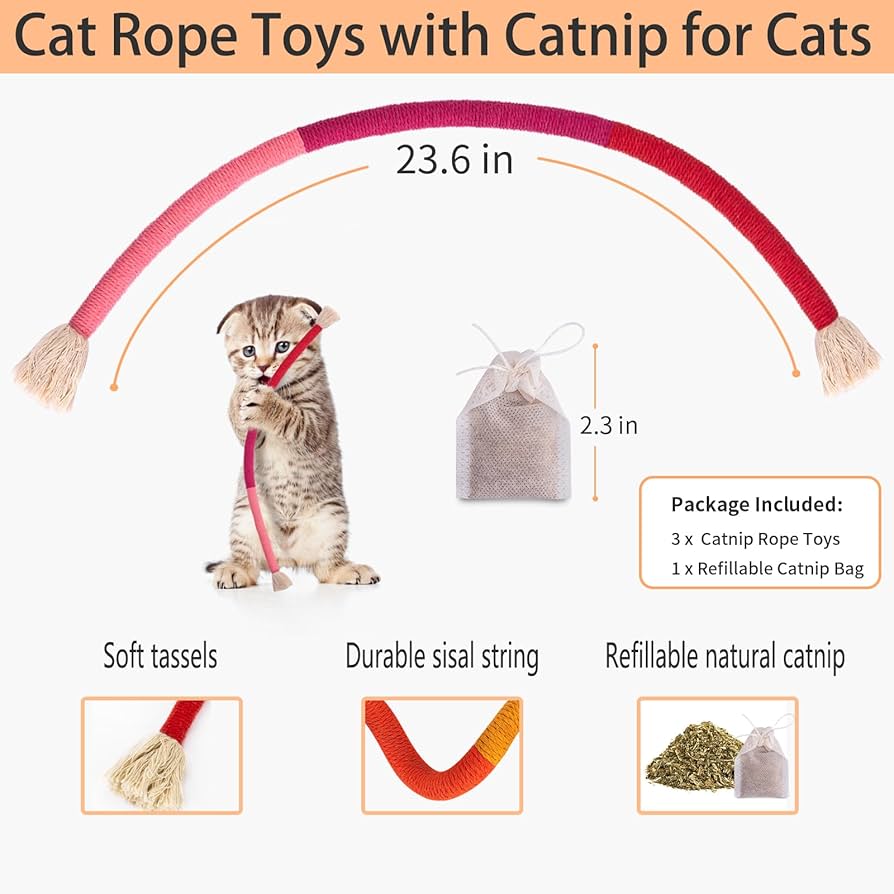
Credit: www.amazon.com
Choosing Safe String Toys
Choosing safe string toys for your cat is essential to keep playtime fun and injury-free. Not every string toy on the market is made with your cat’s safety in mind. By focusing on key factors like materials, size, and durability, you can make smarter choices that protect your feline friend from choking hazards or internal damage.
Material Considerations
The material of a string toy directly affects its safety. Natural fibers like cotton or wool are usually safer since they tend to be less toxic and less likely to fray dangerously. Avoid toys with synthetic fibers that can unravel easily or contain harmful chemicals.
Also, consider if the string has any added dyes or coatings. Non-toxic, hypoallergenic materials reduce the risk of allergic reactions or poisoning if your cat chews on the toy. Have you checked the label for these safety assurances?
Size And Length
Size matters when it comes to string toys. Too long, and the string could wrap around your cat’s neck or limbs, causing injury. Too short, and it might be swallowed or cause choking.
Ideal string toys should be long enough to engage your cat but not so long that they become a strangulation risk. A length of about 12 to 18 inches often works well for interactive play while allowing you to maintain control. Do you monitor your cat during play to prevent accidents with string toys?
Durability Factors
Durability is key to safety. A string toy that breaks apart quickly can lead to loose threads that your cat might ingest. Look for tightly woven or braided strings that stand up to vigorous play.
Inspect your cat’s toys regularly and replace them if they show signs of wear and tear. Durable toys not only last longer but also reduce the chance of your cat swallowing small pieces. How often do you check your cat’s toys for damage?
Supervised Play Importance
Supervised play helps keep cats safe while enjoying string toys. It prevents choking or swallowing hazards during their fun. Watching your cat ensures a safer and happier playtime experience.
Supervised play is crucial when it comes to string toys for cats. While these toys can provide hours of entertainment and exercise, they also pose potential risks if left unchecked. Ensuring your feline friend is safe while engaging with string toys involves active participation and vigilance.Monitoring Cat Behavior
During play, keep a close watch on your cat’s actions. Notice if they attempt to chew or swallow the string. Cats can easily become entangled, leading to stress or injury. React promptly to any signs of distress. If your cat appears overly aggressive or anxious, it might be time to pause the play session.Safe Play Environment
Create a safe space where your cat can play freely. Remove any breakable items or potential hazards from the area. Ensure the environment is stimulating yet secure. A well-chosen space can prevent accidents and encourage your cat’s natural playful instincts. Have you ever noticed how a change in environment can affect your cat’s behavior? A simple tweak can make all the difference in ensuring their safety and enjoyment.
Credit: www.hammacher.com
Alternatives To String Toys
String toys can be tempting for cats, but they come with risks like choking or intestinal blockages if swallowed. Thankfully, there are safer and equally entertaining alternatives that keep your cat active and happy without the danger. These options provide mental stimulation and physical exercise, helping your cat stay healthy and engaged.
Interactive Toys
Interactive toys encourage your cat to chase, pounce, and play, mimicking natural hunting behaviors. Toys like feather wands, laser pointers, and motorized mice keep your cat moving and thinking.
I noticed my cat became less interested in string toys after introducing a feather wand. The movement grabbed her attention, and she played longer without any safety concerns.
Puzzle Feeders
Puzzle feeders combine playtime with mealtime, making your cat work for their food or treats. These feeders challenge their problem-solving skills and slow down eating to prevent overeating.
Try different designs like ball feeders or sliding puzzles to find what excites your cat most. Watching your cat figure out how to get the treats is both fun and rewarding for you.
Catnip Toys
Catnip toys offer a safe way to stimulate your cat’s senses and encourage playful behavior. Soft stuffed toys infused with catnip can keep your cat entertained for hours.
Some cats react strongly to catnip, becoming more playful or relaxed. This makes catnip toys a simple yet effective alternative that also reduces the risk posed by string toys.
Signs Of Trouble
String toys can be fun for cats, but they can also cause problems. Cats may swallow parts of the string or get tangled. Knowing the signs of trouble helps protect your pet. Watch your cat closely after playtime. Early detection can prevent serious harm.
Behavioral Changes
Notice if your cat acts restless or hides more than usual. Sudden irritability or lethargy can signal discomfort. Lack of interest in food or play might mean something is wrong. Pay attention to unusual meowing or crying sounds. These changes can indicate pain or distress.
Physical Symptoms
Look for vomiting, especially if it happens repeatedly. Difficulty breathing or coughing may occur if the string is stuck. Swelling around the mouth, neck, or stomach is a red flag. Check for diarrhea or constipation as signs of digestive issues. Limping or sensitivity when touched can show injury.
When To See A Vet
Visit the vet immediately if your cat shows severe symptoms. Persistent vomiting or refusal to eat needs quick attention. Struggling to breathe or swallowing hard are emergencies. If your cat becomes very weak or unresponsive, seek help fast. Early treatment can save your cat’s life.

Credit: www.amazon.com
Maintenance And Storage
Keeping string toys safe for your cat doesn’t end when you buy them. Proper maintenance and smart storage play a huge role in preventing accidents and extending the life of the toys. Let’s look at how you can keep those playful strings safe and sound.
Inspecting Toys Regularly
Check your cat’s string toys often for any signs of wear or damage. Look for loose threads, frayed ends, or pieces that could easily break off and become choking hazards.
If you spot any damage, it’s best to retire the toy immediately. Imagine your cat swallowing a small piece—it’s a risk that’s not worth taking.
Have you noticed your cat chewing more aggressively on certain toys? That’s a cue to inspect those toys more frequently and maybe switch to sturdier options.
Safe Storage Practices
Store string toys where your cat can’t reach them when unsupervised. Cats often get into trouble by playing with strings without your watchful eye.
Use a dedicated box or container for these toys. Label it clearly, and keep it in a closet or high shelf to avoid accidental access.
Do you leave toys out overnight? Try changing that habit. Putting toys away after playtime reduces the chance of your cat chewing or swallowing strings when you’re not around.
Frequently Asked Questions
Are String Toys Safe For Cats To Play With?
String toys can be safe if supervised properly. They pose choking and swallowing risks if left unattended. Always monitor your cat during play to prevent accidents. Choose high-quality, durable strings to minimize hazards.
What Are The Dangers Of String Toys For Cats?
String toys can cause choking, intestinal blockages, and injuries. If ingested, strings can lead to serious health issues. Immediate veterinary attention is crucial if a cat swallows string. Supervision reduces these risks significantly.
How Can I Safely Use String Toys For My Cat?
Always supervise your cat during string play. Put away string toys after use to prevent unsupervised access. Inspect toys regularly for wear and tear. Opt for safe, sturdy strings designed specifically for cats.
Can String Toys Cause Digestive Problems In Cats?
Yes, swallowing strings can cause digestive blockages requiring surgery. These blockages are dangerous and potentially life-threatening. Avoid letting your cat chew or swallow string toys. Immediate vet care is needed if ingestion occurs.
Conclusion
String toys can be fun but may pose risks to cats. Always watch your cat while playing with strings. Choose safe toys designed specifically for pets. Keep loose strings out of reach when not in use. Small pieces can cause choking or internal injury.
Safe play helps your cat stay happy and healthy. Remember, supervision and proper toy choice matter most. Play smart, keep your cat safe, and enjoy bonding time.


Leave a Reply