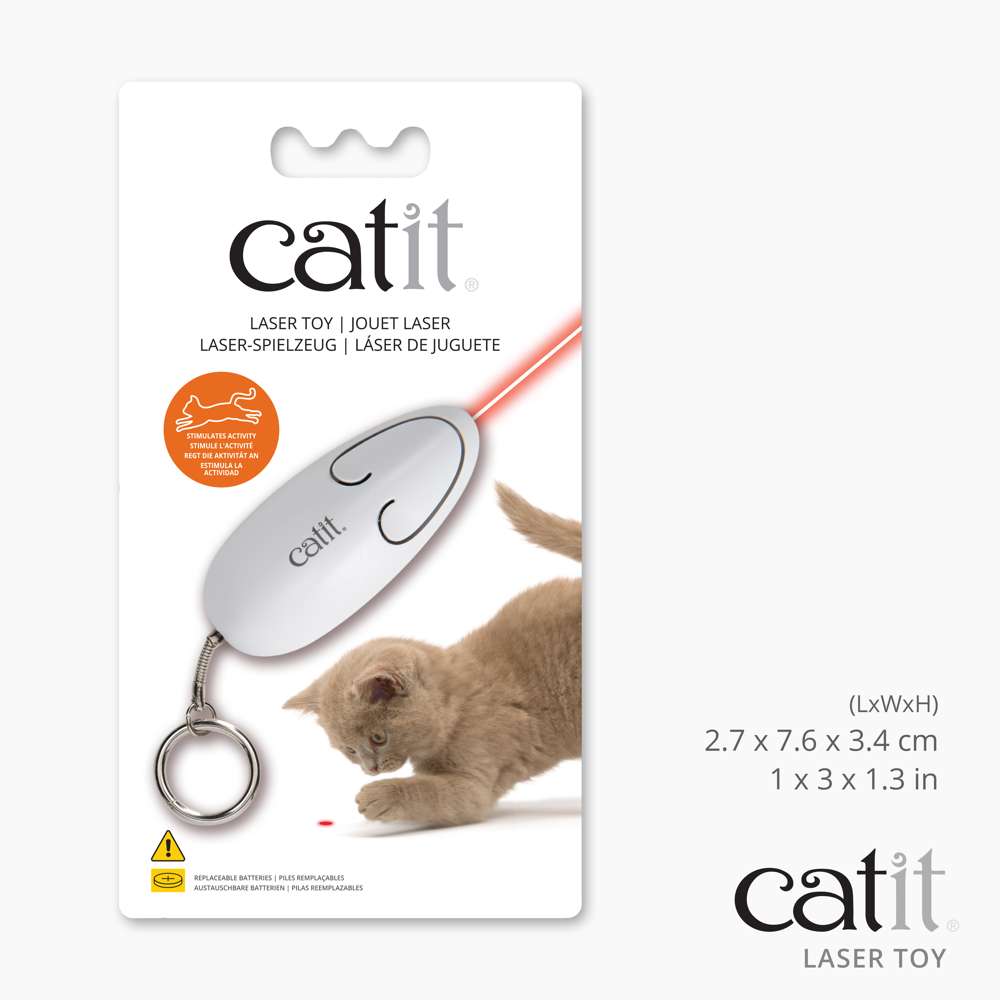
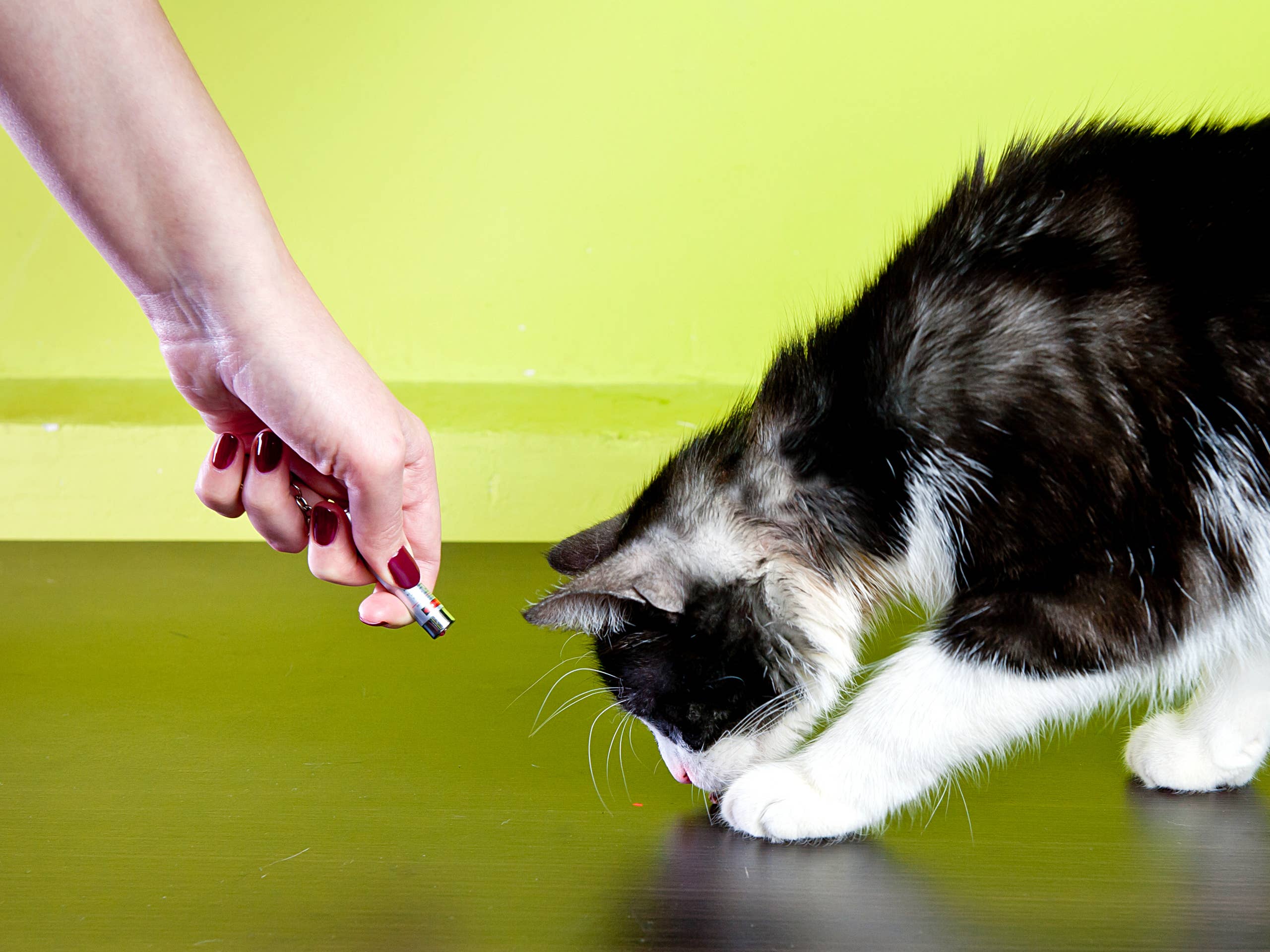
Have you ever noticed your cat chasing that tiny red dot from a laser toy? It’s fun to watch and a great way to keep your furry friend active.
But have you ever stopped to wonder—are laser toys dangerous for your cat’s eyes? You want to keep your pet safe, and understanding the risks is key. This article will reveal what you need to know to protect your cat while still enjoying playtime.
Keep reading—your cat’s health could depend on it.

Credit: www.youtube.com
Laser Toys And Cat Behavior
Laser toys have become popular tools for cat play. They offer a way to engage a cat’s natural hunting instincts without physical objects. Understanding how laser toys affect cat behavior helps owners play safely and enjoyably. Cats respond uniquely to laser pointers, showing distinct patterns during playtime.
Why Cats Love Laser Pointers
Cats love laser pointers because the fast-moving light mimics prey. Their hunting instincts trigger as they chase the tiny dot across floors and walls. The unpredictable movement keeps cats alert and excited. Laser toys provide mental and physical stimulation in a simple way. Cats enjoy the challenge of trying to catch something they cannot physically grab.
Common Play Patterns
During laser play, cats often show several typical behaviors:
- Stalking the light with slow, careful steps
- Sudden bursts of speed to catch the dot
- Jumping or pouncing when the light moves quickly
- Pausing briefly to watch and plan the next move
- Frustration when the dot disappears or cannot be caught
These behaviors reflect their natural hunting cycle of stalking, chasing, and pouncing. Owners should watch for signs of stress or overexcitement during play. Ending sessions with a tangible toy can help reduce frustration.
How Laser Light Affects Cat Eyes
Understanding how laser light affects your cat’s eyes is crucial before you pick up that laser pointer for playtime. Cats are naturally curious and attracted to the quick movements of the laser dot, but the impact on their eyes can be more serious than you might think.
Basic Eye Anatomy
Your cat’s eyes are designed to capture as much light as possible, making them excellent hunters in low-light conditions. The key parts involved are the cornea, lens, and retina. The retina contains light-sensitive cells that send signals to the brain to create images.
Unlike human eyes, cats have a reflective layer behind the retina called the tapetum lucidum. This layer improves night vision by reflecting light back through the retina, but it also means their eyes are highly sensitive to bright light sources like lasers.
Impact Of Laser Exposure
Laser pointers emit focused beams of light that can be much more intense than ordinary light. When the laser beam hits your cat’s eye, it can damage the retina by overheating or burning the delicate cells.
Even brief exposure to a laser can cause temporary spots in your cat’s vision, and repeated or intense exposure might lead to permanent damage. Have you ever noticed your cat suddenly stopping or blinking excessively after chasing a laser dot? That could be a sign of discomfort or eye stress.
Playing with laser toys is fun, but consider using them responsibly. Avoid shining the laser directly into your cat’s eyes and limit play sessions to short periods. This way, you protect your cat’s vision while still enjoying interactive play.
Potential Eye Injuries From Lasers
Laser toys can seem harmless and fun for cats. They chase the tiny, fast-moving light with excitement. Yet, these toys can pose risks to their eyes. The light beams may cause damage if pointed directly into a cat’s eyes. Understanding these risks helps keep your pet safe while playing.
Retinal Damage Risks
Lasers emit concentrated beams of light. This light can focus on the retina inside a cat’s eye. The retina is very sensitive and controls vision. Strong or direct laser exposure can burn or scar the retina. Such damage might lead to permanent vision loss or blindness. Even brief exposure to powerful lasers can be harmful. Low-powered laser pointers are safer but still need careful use.
Signs Of Eye Trouble
Watch your cat closely after laser play. Look for these signs of eye problems:
- Squinting or keeping one eye closed
- Excessive blinking or tearing
- Redness or swelling around the eye
- Rubbing the eyes with paws
- Visible changes in the eye’s color or shape
- Reluctance to be in bright light
If you notice any signs, stop laser play immediately. Consult a veterinarian to check your cat’s eyes. Early detection can prevent serious damage and protect your cat’s vision.
Safe Use Tips For Laser Toys
Laser toys can be fun for cats but need careful use to protect their eyes. Cats love chasing the light, but direct exposure to laser beams can harm their vision. Keeping playtime safe helps avoid eye damage and keeps cats happy.
Duration And Distance Guidelines
Limit laser play sessions to short bursts under 5 minutes. Long sessions cause stress and increase eye risk. Keep the laser beam moving constantly to avoid staring at one spot. Maintain a safe distance between the laser and your cat’s eyes. Never shine the laser directly into your cat’s face. Aim the beam on floors or walls instead.
Alternatives To Laser Play
Use toys that your cat can catch and touch. Wand toys, balls, and feather teasers work well. These toys provide physical interaction and reduce eye injury risk. Rotate toys often to keep your cat interested. Combining laser play with other toys makes playtime safer and more fun.
Veterinary Insights And Cases
Veterinary professionals often receive inquiries about the safety of laser toys for cats. These toys can be engaging, but concerns about eye safety persist. Understanding veterinary insights and specific cases sheds light on potential risks.
Reported Incidents
Several veterinarians have reported incidents involving laser toys. Some cats have experienced temporary eye discomfort. In rare cases, prolonged exposure led to more serious issues. These include retinal damage or vision impairment. Such cases are not widespread, but caution is advised.
Expert Recommendations
Experts recommend using laser toys with care. Avoid shining lasers directly into a cat’s eyes. Keep play sessions short to prevent overexposure. Consider using toys in well-lit rooms to lessen risks. Providing alternate toys can also help engage your cat safely.

Credit: www.amazon.com
Balancing Fun And Safety
Playing with laser toys can be a thrilling way to bond with your cat, but it’s important to keep safety in mind. Striking the right balance between fun and protecting your cat’s sensitive eyes ensures playtime stays enjoyable and worry-free. How can you keep your cat engaged without risking eye damage? Let’s look at some practical ways to monitor your cat and play safely.
Monitoring Your Cat
Watching your cat closely during laser play helps you spot any signs of discomfort or stress early. If your cat blinks excessively, squints, or seems hesitant to chase the light, these could be red flags. Don’t ignore subtle changes in behavior—your cat might be telling you their eyes need a break.
Keep sessions short and sweet. I once noticed my cat rubbing her eyes after a long laser chase, so I started limiting playtime to just a few minutes. This simple change made a huge difference in keeping her eyes healthy and her interest high.
Safe Play Strategies
Direct the laser away from your cat’s face to avoid shining it in their eyes. Instead, aim the light at the floor or walls where your cat can chase safely. This reduces the risk of accidental eye exposure.
- Use lasers with lower power output specifically designed for pets.
- Give your cat tangible toys to catch after laser sessions to satisfy their hunting instincts.
- Always turn off the laser immediately if your cat seems overwhelmed or stops playing.
Have you ever thought about how a simple pause during play can prevent long-term damage? Your cat’s eyes are delicate, and protecting them means more years of happy play together.
Credit: paradepets.com
Frequently Asked Questions
Are Laser Toys Harmful To Cats’ Eyes?
Laser toys can be harmful if the light shines directly into cats’ eyes. Prolonged exposure may cause retinal damage. Always avoid pointing the laser beam directly at your cat’s eyes to keep playtime safe and enjoyable.
How To Safely Use Laser Toys With Cats?
To use laser toys safely, avoid shining the light in your cat’s eyes. Limit play sessions to short periods. Ensure your cat has physical toys to catch at the end to prevent frustration.
Can Laser Pointers Cause Permanent Eye Damage In Cats?
Yes, direct and prolonged exposure to laser pointers can cause permanent eye damage in cats. Retinal burns and vision problems may occur. Use laser toys responsibly and never shine the beam directly into your cat’s eyes.
Why Do Cats Chase Laser Dots Despite No Physical Catch?
Cats chase laser dots due to instinctual hunting behavior triggered by moving light. However, the lack of physical reward can cause frustration. Use laser toys alongside tangible toys to satisfy your cat’s hunting instincts fully.
Conclusion
Laser toys can be fun but may harm your cat’s eyes. Avoid shining the light directly into their eyes. Use the laser on the floor or walls instead. Always watch your cat while playing to keep them safe. Limit playtime to prevent eye strain or injury.
Remember, caring for your cat’s eyesight is very important. Safe play means happy, healthy pets and worry-free owners. Keep laser games safe and enjoy time with your furry friend.


Leave a Reply