Have you ever wondered if cats are potty trained from birth? If you’re a cat owner or thinking of becoming one, this question might have crossed your mind more than once.
Understanding your feline friend’s bathroom habits can save you from many surprises and frustrations. You’ll discover the truth behind your cat’s potty training, learn what to expect from your kitten, and find out how you can help them develop good habits quickly.
Keep reading to unlock the secrets to a cleaner, happier home with your furry companion.

Credit: www.reddit.com
Natural Instincts Of Cats
Cats have natural instincts that guide their bathroom habits. These instincts help keep them clean and safe. From birth, cats show behaviors linked to their survival in the wild. Understanding these instincts explains how they learn to use a litter box.
Litter Habits In The Wild
Wild cats bury their waste to hide their scent from predators. This behavior keeps them safe and helps them avoid fights. They often choose soft soil or sand to cover their droppings. This instinct remains strong in domestic cats. Even house cats try to hide their waste in litter or dirt.
Mother’s Role In Training
A mother cat teaches her kittens how to use the bathroom. She shows them where to go and how to bury their waste. Kittens watch and imitate her actions closely. This early training helps them develop good habits quickly. By the time they are weaned, most kittens know how to use a litter area.

Credit: topdogtips.com
Kitten Development Stages
Kittens go through important stages as they grow and learn. Their development shapes how they behave, including potty habits. Understanding these stages helps to know if cats are potty trained from birth or need guidance.
During the early weeks, kittens rely on their mother for care. They start exploring the world around them slowly. Potty training is part of this learning process. Observing their behavior gives clues about their development.
When Kittens Start Using The Litter Box
Kittens usually begin using a litter box at about three to four weeks old. Their mother often shows them where to go. At this stage, kittens start to control their bladder and bowels better. They copy their mother’s actions to learn proper habits.
Offering a shallow litter box helps kittens practice easily. Keeping the box clean encourages regular use. Early training leads to better litter box habits later in life.
Learning Through Observation
Kittens learn potty skills by watching their mother and siblings. The mother cat cleans herself and her young, showing where to eliminate. This natural behavior teaches kittens the right spot for potty needs.
When kittens see others using the litter box, they imitate the action. Positive reinforcement from humans also helps. Gentle praise or petting encourages kittens to repeat good behavior.
Common Misconceptions
Cats often surprise with their cleanliness and natural habits. Many think cats are born knowing how to use a litter box. This belief leads to several misconceptions about feline potty training. Understanding these misconceptions helps in better cat care.
Cats Born Fully Trained?
Some believe cats instinctively know how to use a litter box. This isn’t entirely true. Kittens learn by observing their mothers. They imitate and practice using the litter box. Without this guidance, kittens may struggle. They need some encouragement and setup. A clean and accessible litter box helps them learn faster.
Differences Between Cats And Other Pets
Unlike dogs, cats have a natural instinct to bury waste. This behavior makes them easier to train. Dogs require more structured potty training. Cats don’t need walks for bathroom breaks. Their independent nature contrasts with other pets. This difference often leads to misunderstandings about their training needs.
How To Support Potty Training
Supporting your cat’s potty training helps create a clean and happy home. Patience and consistency work best for teaching good habits. Understanding what your cat needs makes the process easier. Each cat learns at its own pace, so gentle guidance is key.
Choosing The Right Litter Box
Select a litter box that fits your cat’s size and age. A box too big or too small can confuse your cat. Some cats prefer covered boxes for privacy, while others like open ones. Place the box in a quiet, easy-to-access area. Keep the box clean by scooping daily to encourage use.
Positive Reinforcement Techniques
Reward your cat with gentle praise or treats after using the litter box. Cats respond well to kind words and small rewards. Avoid punishment; it can cause fear and slow learning. Use a calm tone to guide your cat toward good behavior. Consistent rewards build trust and encourage proper habits.
Handling Accidents
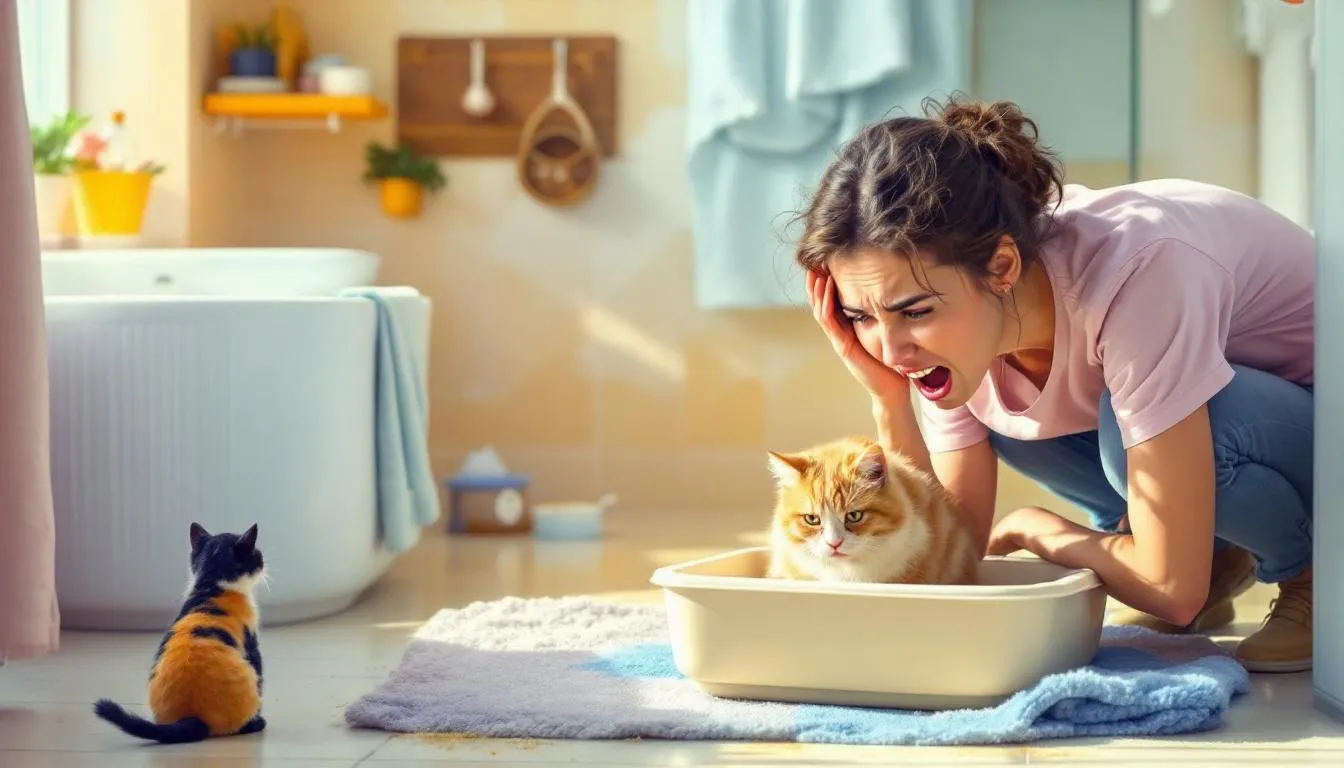
Accidents happen and should be handled calmly. Clean the area thoroughly to remove smells that attract repeat accidents. Use pet-safe cleaners to avoid harming your cat. Never scold or punish your cat for accidents. Instead, gently place them back near the litter box to remind them.
Signs Of Potty Problems
Noticing signs of potty problems in your cat early can save you from bigger headaches later. Cats are generally clean animals, but when they stray from using their litter box, it often points to underlying issues. Paying close attention to these signs can help you address problems before they escalate.
Behavioral Issues
If your cat suddenly stops using the litter box, it might be a sign of stress or anxiety. Changes in the household, like new pets or moving furniture, can unsettle your cat’s routine.
Watch for behaviors such as:
- Spraying or marking territory outside the litter box
- Frequent attempts to dig in unusual spots
- Avoidance of the litter box, even when clean
Have you noticed your cat hiding more or becoming unusually aggressive? These changes often link to potty problems. Addressing behavioral causes requires patience and sometimes consulting a vet or animal behaviorist.
Health Concerns
Potty problems can also signal health issues. Urinary tract infections, kidney problems, or constipation often cause cats to avoid their litter box due to pain or discomfort.
Be alert to symptoms such as:
- Straining or crying while trying to urinate
- Frequent trips to the litter box with little output
- Blood in urine or stool
If your cat shows any of these signs, a quick visit to the vet is crucial. Ignoring these symptoms could lead to serious complications, so don’t hesitate to seek professional help.

Credit: www.reddit.com
Tips For Adult Cats
Adult cats can sometimes face challenges with potty habits, especially if they were never fully trained or have developed bad habits over time. Helping your adult cat learn or relearn good litter box behavior takes patience, consistency, and understanding their unique needs. These tips will guide you in making the process smoother for both you and your feline friend.
Retraining Older Cats
Retraining an older cat requires a calm and patient approach. Start by providing a clean, easily accessible litter box in a quiet spot. Avoid moving the box frequently, as cats like consistency.
Use unscented, clumping litter to make it comfortable for your cat. You might want to try different types of litter to see what your cat prefers. Place your cat in the litter box after meals or naps to encourage use.
If accidents happen, clean the area thoroughly with an enzyme cleaner to remove odors that might attract your cat back to the same spot. Avoid punishment—it can increase stress and worsen the problem.
Dealing With Stress-related Issues
Stress is a common reason adult cats avoid the litter box. Changes like moving homes, new pets, or loud noises can upset your cat’s routine. You can help reduce stress by creating safe, quiet spaces where your cat feels secure.
Try using pheromone diffusers designed for cats; they can calm anxious pets effectively. Also, keep feeding, playtime, and litter box cleaning on a consistent schedule to provide stability.
Have you noticed your cat’s behavior change after a certain event? Addressing the source of stress often leads to better potty habits. Sometimes, consulting a vet is necessary to rule out medical causes behind the behavior.
Frequently Asked Questions
Are Cats Born Knowing How To Use The Litter Box?
Cats are not born fully potty trained. Kittens learn litter habits by observing their mother. Early guidance helps them develop proper bathroom behavior.
How Do Kittens Learn To Use The Litter Box?
Kittens watch their mother and instinctively use the litter box. Owners can encourage this by placing kittens in the box after meals and naps.
At What Age Are Cats Fully Potty Trained?
Most cats become fully potty trained by 8 weeks old. Consistent litter box access and positive reinforcement speed up training.
Can Cats Refuse To Use The Litter Box Sometimes?
Yes, cats may avoid the litter box due to stress, illness, or dirty litter. Proper cleaning and vet visits help prevent this behavior.
Conclusion
Cats are not potty trained from birth. They learn by watching their mother. Kittens start using the litter box as they grow. You can help by keeping the box clean and easy to find. Patience is key during this learning time.
Most cats pick it up quickly with some guidance. Understanding this helps you care for your pet better. Training is natural, but your support makes a difference. Every cat is unique, so some may need more time. Helping them succeed builds a strong bond between you both.

Leave a Reply