
Have you ever noticed your cat fiercely guarding a toy, refusing to let anyone else near it? You might be wondering, are cats really possessive of their toys?
Understanding this behavior can change how you play with your furry friend and keep them happier. You’ll discover why your cat treats certain toys like prized treasures and what it means for their personality. Keep reading to unlock the secrets behind your cat’s toy obsession and learn how to create a more playful, stress-free environment for both of you.
Cats And Toy Attachment
Cats often develop attachments to their toys, much like they do with their favorite resting spots or scratching posts. This attachment can reveal a lot about their personality and instincts. Understanding how and why your cat bonds with specific toys can help you keep them entertained and emotionally satisfied.
Why Cats Choose Favorite Toys
Cats pick toys that mimic prey or stimulate their hunting instincts. Soft, fuzzy toys might remind them of small mammals, while feathered ones resemble birds. Your cat might also prefer toys that respond to their actions, like balls that roll or toys with bells, because these keep their interest alive.
Think about your own cat’s favorite toy—does it squeak, bounce, or have a particular texture? Your cat’s choice often reflects their play style and hunting preferences.
Signs Of Toy Possession
When a cat is possessive of a toy, you’ll notice certain behaviors. They might guard it fiercely, hissing or swatting if you or other pets come too close. Sometimes, cats carry their favorite toys around or stash them in secret spots.
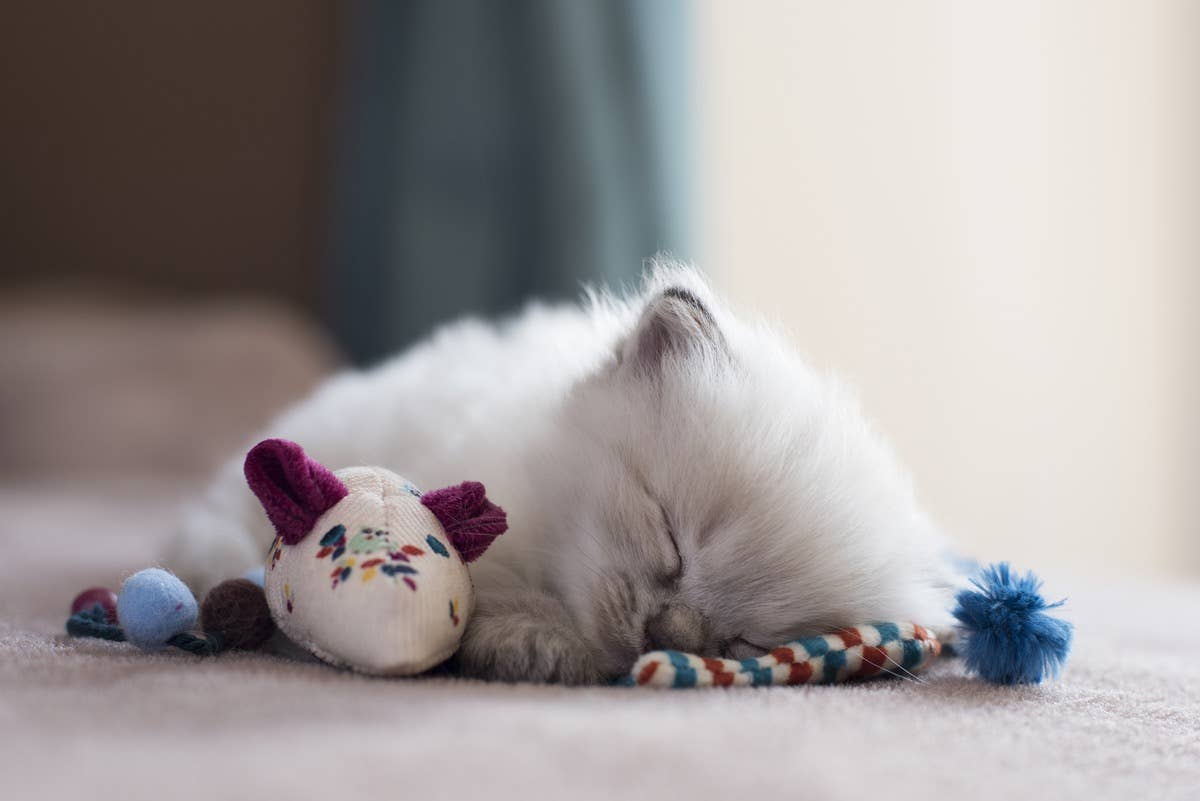
You might find your cat grooming the toy or sleeping next to it. These actions show the toy holds emotional value beyond mere play.
Differences Among Cat Breeds
Not all cats show toy attachment the same way. Some breeds like Bengals or Abyssinians have high energy and strong hunting drives, making them more likely to be possessive over toys. On the other hand, breeds such as Persians or Ragdolls tend to be more laid-back and less interested in toy ownership.
Knowing your cat’s breed tendencies can help you select toys that suit their personality and reduce any possessive behavior. Have you noticed if your cat’s breed influences their play style or toy preferences?
Credit: paradepets.com
Territorial Instincts In Cats
Cats have a natural instinct to protect their territory, and this behavior often extends to their toys. Their sense of ownership is deeply tied to the space they consider their own. Understanding how these territorial instincts influence toy behavior can help you manage your cat’s possessiveness and create a more peaceful home environment.
How Territory Affects Toy Behavior
Your cat’s toys become part of their personal territory. They may guard these items to maintain control over their space. If a toy is moved or taken away, your cat might react strongly because it feels like an invasion of their territory.
Think about how your cat behaves when you pick up their favorite toy. Do they try to snatch it back or follow you around? This is their way of protecting what they see as theirs. To reduce possessiveness, keep toys in specific spots your cat feels comfortable with.
Interaction With Other Pets
When you have multiple pets, territorial instincts can lead to conflicts over toys. Cats may become more possessive if they feel their space is threatened by another animal. This behavior is a way to assert dominance and secure resources.
Observe how your cat interacts with other pets around toys. Do they share or hoard? Sometimes, providing multiple toys and separate play areas helps minimize competition. Have you noticed your cat’s body language change when another pet approaches their toys?
Impact Of Environment On Possessiveness
The environment plays a big role in how possessive your cat is about toys. In smaller spaces, cats may feel the need to guard their belongings more fiercely. A crowded or noisy environment can increase stress, making territorial behavior more intense.
Creating calm and safe zones where your cat can enjoy their toys may ease possessiveness. You might try rotating toys to keep things fresh and reduce the focus on any single item. How does your cat’s behavior change when their environment is peaceful versus chaotic?
Play Behavior And Possessiveness
Cats show unique play behaviors that often reveal their possessiveness over toys. Play is not just fun for cats; it mimics their natural hunting habits. This connection makes toys more than simple objects—they become valuable to cats. Understanding how cats interact with toys helps explain why some cats guard or control their playthings. Age and personality also play key roles in toy attachment. Exploring these factors offers insight into cats’ possessive nature during playtime.
Hunting Instincts And Toy Control
Cats use toys to practice hunting skills. They chase, pounce, and bat toys as if hunting prey. This instinct makes toys important targets to control. Cats may hold or carry toys to keep them safe. Controlling a toy satisfies their natural drive. This behavior can look like possessiveness but is natural. Toys become a stand-in for prey, increasing their value.
Resource Guarding In Playtime
Some cats guard toys like they guard food. They may growl, hiss, or swipe to protect their favorite items. This guarding shows how much they value toys. It is a way to keep others away. Guarding can happen with other cats or even humans. Understanding this helps owners manage sharing and reduce conflicts. Safe spaces and multiple toys can ease guarding behaviors.
Age And Toy Attachment
Young cats often explore many toys without much attachment. Kittens enjoy sharing and switching toys quickly. Older cats may develop strong preferences for specific toys. This attachment grows with age and experience. Senior cats might guard toys more to keep their comfort. Age changes how cats see and use toys. Recognizing these changes helps meet cats’ needs better.
Managing Toy Possessiveness
Cats often guard their favorite toys closely, showing clear possessiveness. Sharing toys calmly and offering multiple options helps reduce conflicts. Understanding their behavior makes managing toy possessiveness easier and keeps playtime fun.
Managing toy possessiveness in cats can be challenging yet rewarding. Cats often form strong attachments to their toys. This behavior may lead to possessiveness, where a cat guards its toys fiercely. Understanding and managing this possessiveness ensures a harmonious environment. It also encourages healthy playtime for all your feline friends.Encouraging Sharing Among Cats
Encourage sharing by introducing new toys during playtime. This can create a distraction and reduce tension. Play with multiple toys to engage each cat. Use interactive toys that require teamwork. This encourages cooperation among your cats. Reward them with treats for playing together peacefully. Positive reinforcement helps them associate sharing with good outcomes.Safe Toy Rotation Strategies
Rotate toys to keep them interesting. Hide some toys and reintroduce them later. This keeps playtime exciting and fresh. Allocate specific toys for each cat. Observe which toys cause conflicts. Remove these toys temporarily. Offer different textures and types of toys. This caters to varied interests and reduces possessiveness.When To Intervene
Intervene if you notice aggressive behavior during play. Separate the cats calmly. Use a firm voice to stop any fighting. Observe their interactions closely. Look for signs of stress or anxiety. Provide enough resources like food and space. This reduces competition and possessiveness. Consult a vet if possessiveness persists. They may provide additional guidance and solutions.Benefits Of Toy Possessiveness
Toy possessiveness in cats often gets a bad rap, but it actually offers several benefits that can enhance your cat’s well-being. When your cat shows interest in guarding a favorite toy, it’s more than just a quirky habit—it can play a key role in their mental and emotional health. Understanding these benefits can help you appreciate your cat’s behavior and support their needs better.
Mental Stimulation And Comfort
Possessing toys keeps your cat’s mind active. When they focus on a toy, they engage their hunting instincts and problem-solving skills. This mental workout helps prevent boredom and reduces stress, especially if your cat spends time alone.
Also, a favorite toy can provide comfort during stressful moments, like loud noises or changes at home. Have you noticed your cat curling up with a particular toy during storms? That’s their way of self-soothing.
Building Confidence In Cats
Holding onto a toy gives your cat a sense of control over their environment. This can be particularly important for shy or anxious cats. Possessing a toy makes them feel safe and empowered.
When your cat confidently guards a toy, it shows they feel secure enough to assert ownership. This small victory can boost their overall confidence, making them more relaxed in social situations.
Strengthening Human-cat Bond
Toy possessiveness can also deepen the connection between you and your cat. When you play together, your cat learns to trust you with their prized possession. This trust builds a stronger emotional bond.
Try engaging in interactive play where your cat “defends” a toy you toss. It turns playtime into a shared experience, enhancing your relationship. Have you noticed your cat bringing you their toy? That’s a sign they want to include you in their world.

Credit: www.aol.com

Credit: www.aol.com
Frequently Asked Questions
Do Cats Get Possessive Over Their Toys?
Yes, cats can be possessive of toys. They often see toys as personal treasures. This behavior mimics hunting instincts and territory protection. Possessiveness varies by cat personality and environment.
Why Do Cats Guard Certain Toys Fiercely?
Cats guard toys to protect their prized possessions. This behavior comes from natural survival instincts. Toys may represent prey or valuable resources. Guarding helps them feel secure and in control.
Can Possessiveness Over Toys Cause Cat Aggression?
Yes, possessiveness can lead to aggression. Cats may hiss or swipe to defend their toys. This is more common in multi-cat households. Proper socialization and sharing training can reduce conflicts.
How To Reduce Toy Possessiveness In Cats?
Offer multiple toys to minimize possessiveness. Rotate toys regularly to keep cats interested. Encourage sharing with positive reinforcement and playtime. Avoid forcing sharing to prevent stress.
Conclusion
Cats often show strong attachment to their favorite toys. They may guard or hide them from others. This behavior helps cats feel safe and happy. Toys become a source of comfort and fun. Understanding this can improve your bond with your cat.
Offer a variety of toys to keep them interested. Watch how your cat plays and respects their space. Each cat has a unique way of showing love for toys. Remember, patience and care make playtime enjoyable for both.



Leave a Reply