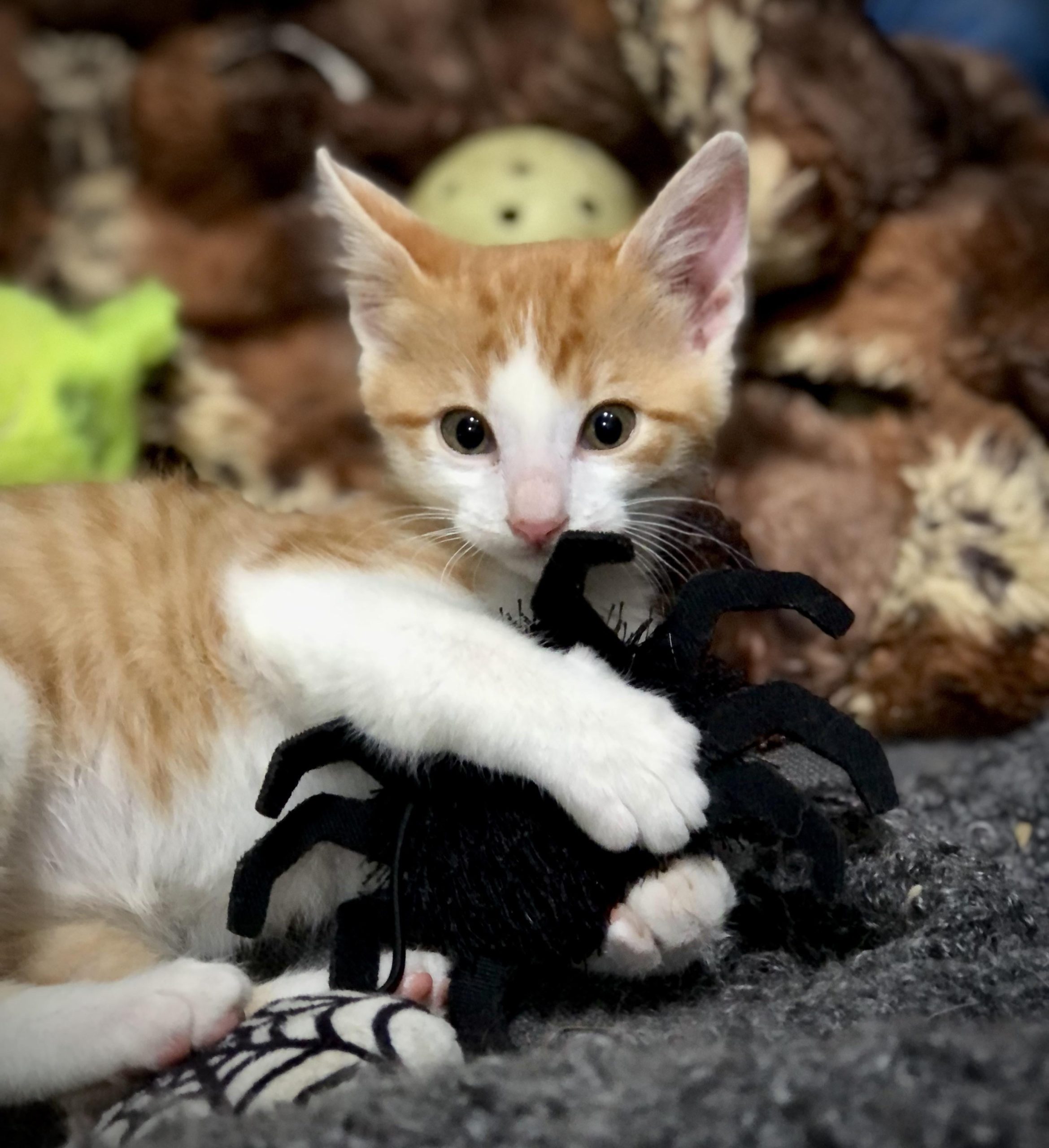
Have you ever noticed your cat suddenly freeze or jump back when it spots a toy snake? You might wonder if your furry friend is genuinely scared or just curious.
Understanding whether cats are afraid of toy snakes can reveal a lot about their instincts and behavior. You’ll discover surprising reasons behind your cat’s reaction and learn how this simple toy can spark fascinating responses. Keep reading to find out what really happens when your cat meets a toy snake—and why it matters to you.

Credit: www.amazon.com
Cat Reactions To Toy Snakes
Cats react to toy snakes with curiosity and caution. Their responses can vary widely depending on their personality and past experiences. Understanding these reactions helps pet owners know what to expect and how to engage their cats safely.
Initial Responses
When a cat first sees a toy snake, it often freezes. The sudden appearance and shape can trigger an instinctive alert. Some cats back away slowly, while others stare intently. Their ears may tilt back, and their pupils often widen. This shows a mix of fear and interest. Some cats hiss or growl softly as a warning. Others may paw at the toy from a distance, testing the threat.
Common Behaviors Observed
- Sniffing the toy cautiously to gather information
- Swatting or batting the toy with their paws
- Chasing the toy if it moves suddenly
- Hiding behind furniture or in safe spots
- Vocalizing through meows or growls
- Showing a mix of playfulness and wariness
Some cats quickly lose interest once they realize the toy is harmless. Others stay alert for longer periods. These behaviors reflect natural hunting instincts and survival skills. Toy snakes can provide mental stimulation and fun for many cats.
Why Cats May Fear Snakes
Cats often show fear toward snakes, real or toy ones. This fear is deeply rooted in their nature. Understanding why cats react this way helps explain their behavior better. Cats rely on instincts to stay safe from threats. Snakes, even fake ones, can trigger these instincts quickly.
Instinctual Survival Mechanisms
Cats have strong survival instincts passed down from wild ancestors. They learn to avoid animals that might harm them. Snakes are one of those animals. Cats sense danger through smell, sight, and movement. This alertness helps them stay alive in the wild. Even a toy snake can cause a fear response. Their brain reacts as if the threat is real. This instinct causes cats to freeze, run away, or hiss.
Visual And Movement Triggers
Cats rely heavily on sight to detect danger. The shape and color of a snake can look strange to them. Slow, slithering movements stand out to cats’ sharp eyes. These unusual movements often trigger curiosity mixed with fear. Rapid or sudden motions increase the cat’s alertness. Even a toy snake that moves can startle a cat. These visual cues tap into their natural caution. This explains why many cats react strongly to toy snakes.
Factors Influencing Fear Levels
Fear levels in cats toward toy snakes vary widely. Several factors shape how a cat reacts. These factors include their natural personality and past experiences with similar objects or situations. Understanding these elements helps explain why some cats jump back, while others barely notice.
Cat Personality And Temperament
Each cat has a unique personality that affects fear responses. Some cats are naturally curious and brave. They approach new toys without much worry. Others are shy or cautious. These cats may react strongly to unfamiliar shapes or movements.
Bold cats often investigate toy snakes, sniffing or pawing them. Timid cats may hiss, hide, or run away. The level of fear depends on how the cat usually handles new things. Playful cats might see a toy snake as a challenge or game.
Previous Experiences
Past encounters influence a cat’s reaction to toy snakes. Cats that have seen real snakes or similar objects may feel more fear. Negative experiences increase caution and stress. Positive or neutral experiences can reduce fear.
Early socialization also matters. Cats exposed to many toys and objects as kittens tend to be less scared. Those with limited exposure might be more suspicious. Repeated safe interactions with toy snakes can help build confidence over time.
Comparing Toy Snakes And Real Snakes
Comparing toy snakes and real snakes can be a fascinating exploration, especially when it comes to understanding your cat’s behavior. Cats are naturally curious and instinctive creatures, and their reactions to different stimuli can be both amusing and telling. Are toy snakes as effective as real ones in triggering a cat’s instincts? Let’s dive into the details to find out.
Differences In Scent And Movement
Real snakes have a distinct scent that cats can detect, thanks to their keen sense of smell. This scent often serves as a warning or an intriguing invitation to investigate. Toy snakes, on the other hand, lack any natural odor unless they’ve absorbed the scent of other household items or pets.
Movement is another critical difference. Real snakes have a fluid, unpredictable motion that can captivate a cat’s attention. Toy snakes, unless designed with specific mechanisms, tend to be static or only move when manipulated, which may not elicit the same level of interest or wariness.
Impact On Cat Behavior
When confronted with a real snake, a cat might exhibit a range of behaviors from cautious curiosity to outright fear, depending on its previous experiences. This response can be a protective measure, as some cats instinctively recognize the potential threat real snakes pose.
Toy snakes might not trigger the same survival instincts. However, they can serve as playful distractions that engage your cat’s hunting skills. Some cats may bat at a toy snake with their paws or carry it around, viewing it as a harmless plaything.
Have you ever noticed your cat’s reaction to a toy snake? It’s worth observing, as it could offer insights into their natural instincts and preferences. Could these toys serve as a simple tool to keep your feline friend entertained and stimulated? Understanding these differences can help you choose the best toys to enrich your cat’s environment.
How To Safely Introduce Toy Snakes
Introducing toy snakes to your cat requires care and patience. Cats react differently to new objects, especially those that resemble prey or threats. A calm approach helps your cat feel safe and curious instead of scared. Avoid sudden movements or forcing interaction. Create a positive experience with slow steps and attention to your cat’s feelings.
Gradual Exposure Techniques
Start by placing the toy snake far from your cat. Let your cat see it without touching. Increase closeness over several days. Allow your cat to sniff or paw the toy on their own time. Use treats to create a positive link with the toy snake. Keep sessions short to prevent stress. Repeat often to build comfort and trust.
Monitoring Stress Signs
Watch your cat’s body language closely. Signs of stress include:
- Hiding or avoiding the toy
- Flattened ears
- Dilated pupils
- Hissing or growling
- Rapid breathing or shaking
- Tail flicking or twitching
Pause the introduction if you see any stress signs. Let your cat relax before trying again. Respect your cat’s limits to keep the experience safe and positive.

Credit: www.reddit.com
Benefits Of Using Toy Snakes In Play
Using toy snakes in your cat’s playtime offers more than just a moment of fun. These toys can spark natural behaviors and keep your cat engaged both mentally and physically. Let’s look at how toy snakes benefit your feline friend during play.
Stimulating Hunting Instincts
Toy snakes mimic the movements and appearance of real prey, which can trigger your cat’s hunting drive. This stimulation helps keep their instincts sharp and provides a satisfying outlet for their natural curiosity. Have you noticed how your cat suddenly becomes more alert and focused when a toy snake slithers across the floor?
Engaging your cat’s hunting instincts can reduce unwanted behaviors caused by boredom. It offers a healthy way to channel their energy, especially for indoor cats that don’t get to hunt outside.
Encouraging Physical Activity
Playing with toy snakes encourages your cat to jump, pounce, and chase, which promotes better physical health. Regular activity helps prevent obesity and keeps muscles strong. Do you want your cat to stay agile and active as they age?
Even short play sessions with a toy snake can get your cat moving, which improves their overall mood and reduces stress. Plus, it’s a fun way for you to bond with your pet while promoting their wellbeing.
When To Avoid Toy Snakes
Toy snakes can be a fun way to engage your cat’s hunting instincts. But not every cat reacts well to these toys. Knowing when to avoid toy snakes can save your furry friend from unnecessary stress and keep playtime enjoyable.
Signs Of Excessive Fear
Watch your cat closely during play with a toy snake. If your cat freezes, hisses, or runs away immediately, these are clear signs of fear rather than curiosity.
Other signs include:
- Hiding for extended periods after play
- Flattened ears or dilated pupils
- Excessive grooming or refusal to eat
Have you noticed your cat’s body language changing dramatically? These behaviors indicate that the toy snake is causing more harm than good. Avoid forcing interaction if your cat shows any of these signs.
Alternatives For Sensitive Cats
If your cat is scared of toy snakes, try gentler toys that stimulate their hunting skills without triggering fear. Soft plush toys or feather wands can be great options.
Consider toys that move unpredictably but softly, like battery-operated mice or balls with bells inside. These toys can spark interest without the intimidation factor.
You could also engage your cat with interactive play using laser pointers or treat puzzles. These alternatives offer mental stimulation and physical activity while respecting your cat’s comfort zone.

Credit: www.amazon.co.uk
Frequently Asked Questions
Are Cats Naturally Afraid Of Toy Snakes?
Cats often react cautiously to toy snakes due to their instinctive fear of snakes. This behavior is a survival trait to avoid danger. However, individual cats’ reactions can vary from curiosity to fear depending on their personality and experiences.
Why Do Cats Sometimes Attack Toy Snakes?
Cats may attack toy snakes as part of their hunting instincts. The movement and shape of toy snakes can trigger their prey drive. This behavior helps cats practice stalking and pouncing in a safe environment.
Can Toy Snakes Stress Cats Out?
Yes, toy snakes can stress some cats, especially if the toy looks realistic. Stress may cause hiding, hissing, or avoidance. Observing your cat’s reaction helps determine if the toy is causing discomfort.
How To Safely Introduce Toy Snakes To Cats?
Introduce toy snakes gradually and calmly to avoid startling your cat. Let the cat sniff the toy and observe their reaction. Positive reinforcement with treats can help associate the toy with a safe experience.
Conclusion
Cats often show caution around toy snakes. Their reaction depends on the cat’s personality and experience. Some cats may jump or run away quickly. Others might be curious and inspect the toy closely. Toy snakes can trigger a cat’s natural instincts.
It’s interesting to watch how different cats respond. Offering safe toys helps keep cats entertained and active. Understanding these reactions helps owners better care for their pets. Observing your cat’s behavior can be both fun and insightful. Every cat reacts in its own unique way.

Leave a Reply