
Have you ever looked at your cat after a grooming session and wondered, “Why does their fur look uneven?” You’re not alone. Many cat owners notice those patchy spots or lopsided cuts and wonder if it’s normal or if something went wrong.
Understanding why cat grooms can appear uneven will help you feel more confident about your pet’s care and know what to expect next time. Keep reading to discover the surprising reasons behind uneven cat grooming and how you can make the process smoother for both you and your furry friend.
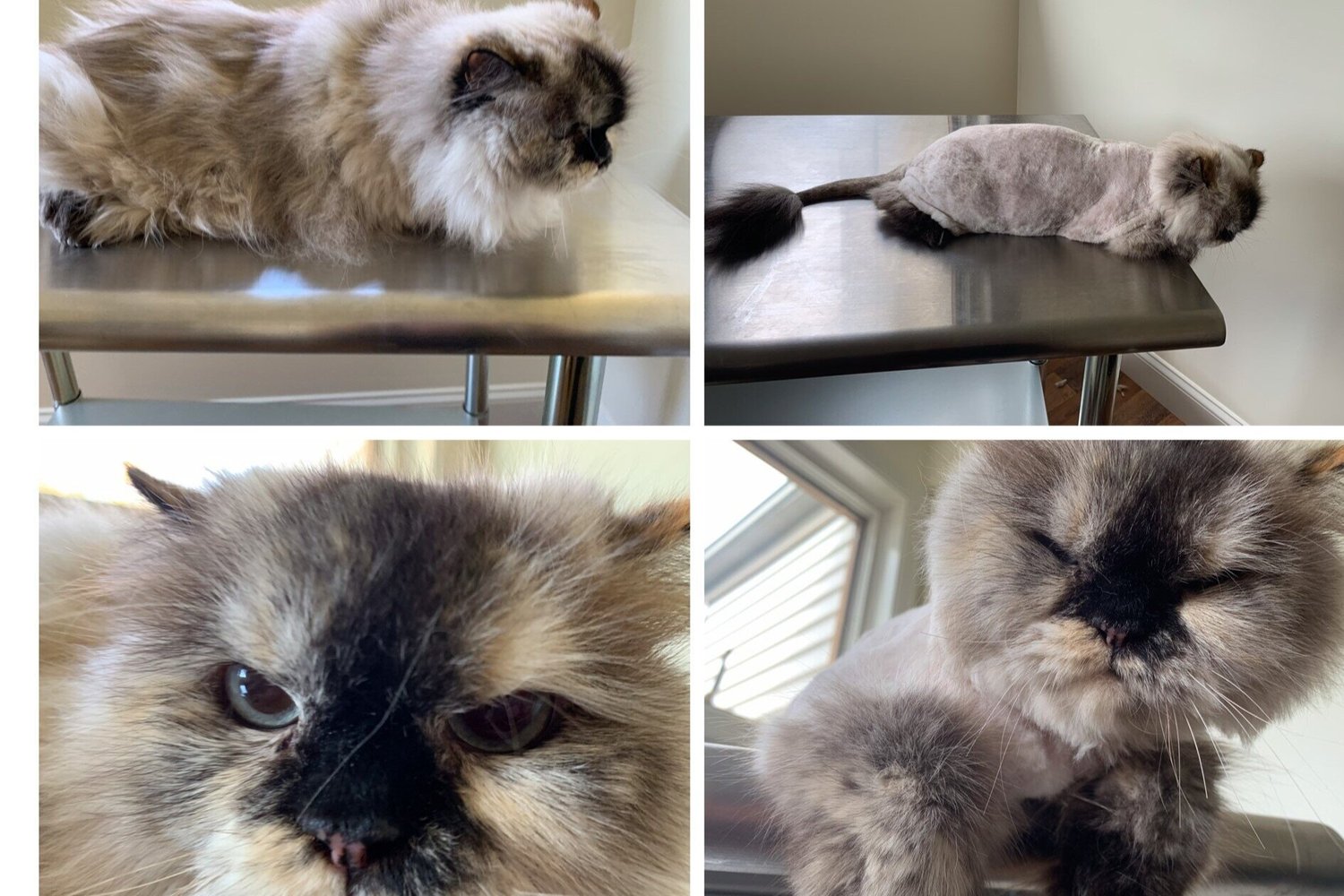
Credit: www.catsmeowresort.com
Common Causes Of Uneven Cat Grooms
Uneven cat grooms happen for different reasons. These cause patches of fur to look shorter or longer. Understanding what leads to uneven grooming helps in keeping cats neat and healthy.
Cat Behavior During Grooming
Cats groom themselves by licking their fur. Some areas are easier to reach than others. Cats may miss spots behind the ears or under the belly. Stress or discomfort can make a cat stop grooming early. Older cats or those with health issues may groom less often.
Tools And Techniques Used
Using the wrong tools can cause uneven grooming. Clippers or scissors that are dull can cut fur unevenly. Some brushes work better on certain fur types. Gentle strokes prevent hair from being pulled out. Lack of experience in grooming can lead to missed spots or uneven cuts.
Frequency And Timing Of Grooming
Infrequent grooming creates mats and uneven fur lengths. Grooming too quickly can leave some areas untouched. Regular sessions keep fur smooth and even. Grooming after the cat has relaxed leads to better results. Timing grooming with the cat’s calm moments helps avoid stress.
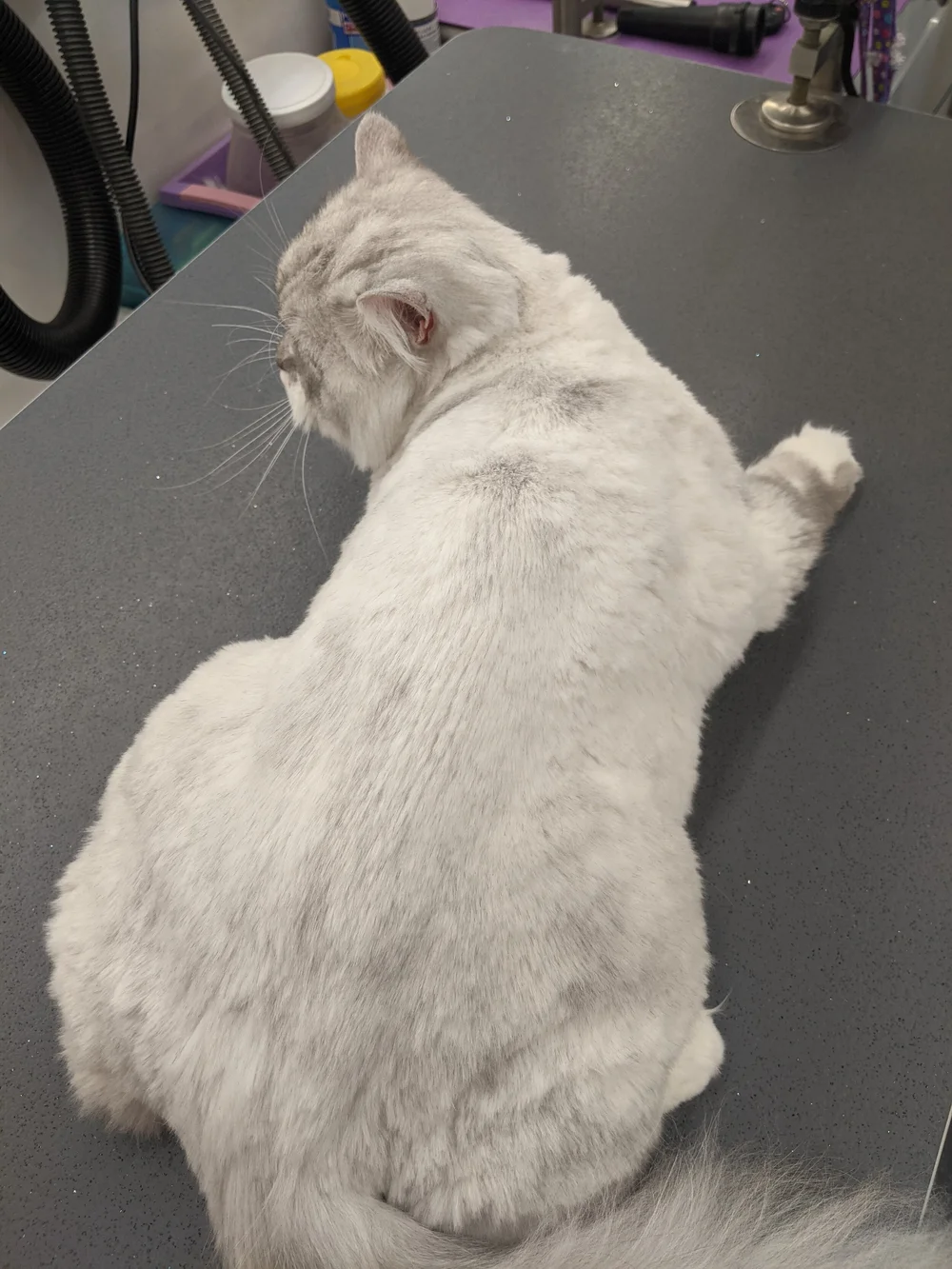
Credit: www.squeakycleangrooming.com
Signs Your Cat’s Groom Is Uneven
Noticing that your cat’s groom looks uneven can be a sign that something is off with their grooming routine or health. Uneven grooming doesn’t always mean a bad groomer—it could also point to your cat’s discomfort or specific skin issues. Recognizing these signs early helps you address the problem before it worsens.
Patchy Fur And Missed Spots
Uneven grooming often shows up as patches where fur is missing or looks thinner. You might see areas your cat hasn’t been able to reach or that the groomer overlooked. These missed spots can feel rough or tangled compared to the rest of their coat.
Does your cat avoid certain areas during grooming? That could explain why some patches look neglected. Keep an eye on these spots and gently check if your cat reacts when touched there.
Uneven Length And Texture
Have you noticed that some parts of your cat’s fur are longer or shorter than others? This inconsistency can make your cat’s coat look messy instead of sleek. Uneven texture—where some fur feels coarse while other sections are soft—also suggests an irregular groom.
Ask yourself if the groomer spent enough time on all areas or if your cat’s movements made trimming difficult. Sometimes, uneven fur length is a sign that your cat was restless or stressed during grooming.
Skin Irritations And Discomfort
Uneven grooming can cause or reveal skin irritations, such as redness, bumps, or dry patches. If your cat scratches or licks certain spots more than usual, it might be a reaction to discomfort from a poor groom. These irritations can worsen if left untreated.
Have you seen your cat shaking its head or rubbing against furniture more than normal? These behaviors might indicate irritation caused by uneven grooming. Check for signs of redness or swelling and consider consulting your vet if irritation persists.
Expert Tips For Smoother Grooming
Getting a smooth, even groom on your cat can seem tricky, especially if you’ve noticed uneven patches after grooming sessions. However, with the right approach and tools, you can make grooming a more enjoyable and effective experience for both you and your furry friend. Here are some expert tips to help you achieve a cleaner, more balanced look every time.
Choosing The Right Grooming Tools
Not all grooming tools are created equal. Selecting the right combs, brushes, and clippers depends on your cat’s fur type and length. For example, a slicker brush works well for long-haired cats, while a rubber brush suits short-haired breeds.
Invest in sharp, quality clippers that won’t pull on your cat’s fur. Dull blades often cause uneven cuts and discomfort. Also, consider tools designed specifically for cats—they tend to be quieter and less intimidating.
Preparing Your Cat For Grooming
Preparation sets the stage for a smoother grooming session. Calm your cat by petting and speaking softly before you begin. Some cats respond well to a light play session first, helping them burn excess energy.
Try to groom in a quiet, comfortable space with good lighting. This reduces stress for your cat and helps you see uneven spots clearly. Keep treats handy to reward your cat and build positive associations with grooming.
Step-by-step Grooming Process
Start by brushing your cat to remove tangles and loose hair. This prevents snagging during clipping and helps the fur lay evenly. Brush in the direction of hair growth for a natural look.
Next, use clippers gently, moving slowly and steadily. Avoid rushing, which often leads to uneven cuts. Focus on small sections at a time, checking frequently to ensure a consistent length.
Finish by smoothing out any rough edges with a fine-toothed comb or scissors for precision. Don’t forget to clean your tools regularly during the session to keep them working efficiently.
What part of grooming do you find most challenging with your cat? Experimenting with different tools and techniques might reveal a new favorite approach that works better for both of you.
Handling Difficult Grooming Sessions
Handling difficult grooming sessions with cats requires patience and care. Cats often dislike being touched in certain areas, making grooming a challenge. Understanding your cat’s behavior helps reduce stress for both of you. Preparing the environment and using calming methods can make grooming smoother and safer.
Calming Techniques For Anxious Cats
Start by creating a quiet space with few distractions. Speak softly to your cat to offer comfort. Use gentle strokes before grooming to build trust. Try using a soft brush to avoid hurting sensitive skin. Offer treats to reward calm behavior. Some cats respond well to pheromone sprays that reduce anxiety.
When To Take Breaks
Watch your cat’s body language closely. Signs of stress include growling, hissing, or trying to escape. Stop grooming if your cat becomes too tense or aggressive. Take short breaks to let your cat relax. Return to grooming only when your cat seems calm again. Frequent pauses prevent negative experiences and help maintain calmness.
Seeking Professional Help
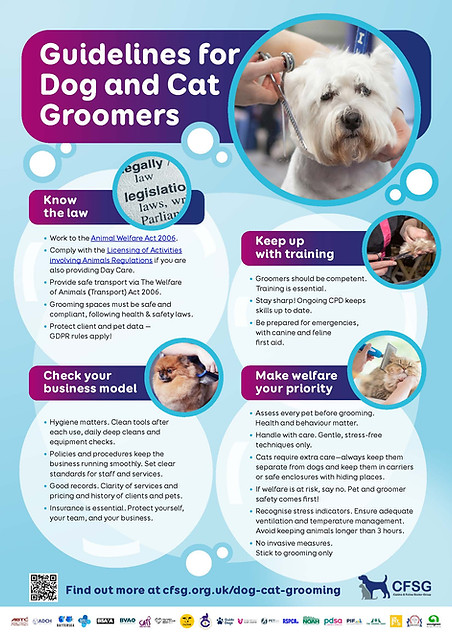
Some cats need expert grooming due to difficult fur or behavior. Professionals have tools and skills to handle tough cases safely. A groomer can trim mats and handle anxious cats without stress. Consult your vet if grooming causes skin problems or injuries. Regular visits to a groomer can keep your cat healthy and happy.
Maintaining Your Cat’s Coat Between Grooms
Cat grooms can sometimes look uneven due to fur thickness or grooming tools. Regular brushing helps keep your cat’s coat smooth between grooms. Gentle care reduces patchy spots and promotes a healthy shine.
Maintaining your cat’s coat between grooming sessions is crucial. It ensures your feline friend stays healthy and comfortable. Regular care prevents tangles and matting, which can cause discomfort. A well-maintained coat also keeps your cat looking its best. Below, you will find several tips to help maintain your cat’s coat effectively.Regular Brushing Routines
Brushing your cat regularly is essential. It helps remove loose fur and dirt. Use a brush suitable for your cat’s fur type. Short-haired cats need brushing once a week. Long-haired breeds require daily brushing. Make grooming a pleasant experience. Reward your cat with treats or affection.Diet And Health Impact
A balanced diet keeps your cat’s coat shiny. Ensure your cat’s food is rich in omega-3 and omega-6 fatty acids. These nutrients promote healthy skin and fur. Regular vet check-ups are vital. They help catch any health issues early. A healthy cat has a beautiful coat.Preventing Matting And Tangles
Mats and tangles cause discomfort for your cat. Regular grooming sessions prevent these problems. Use a detangling spray for stubborn knots. Gently work through tangles with your fingers or a comb. Be patient and calm to avoid stressing your cat.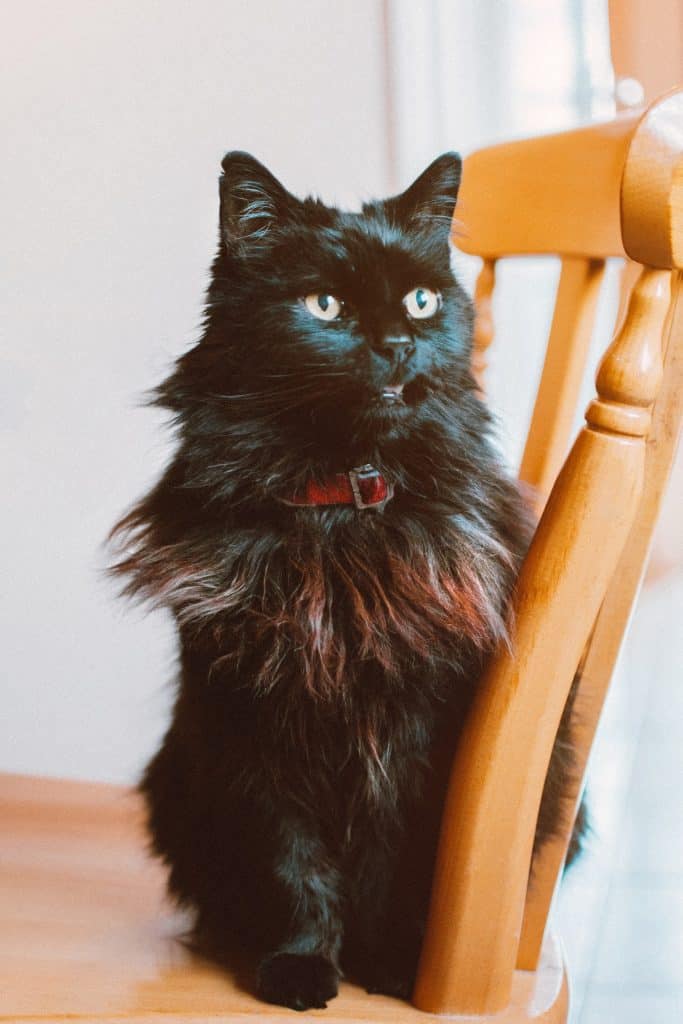
Credit: lifeandcats.com
Frequently Asked Questions
Why Are Cat Grooms Often Uneven?
Cat grooms can be uneven due to their flexible bodies and quick movements. Cats groom themselves in patches, focusing more on itchy or dirty spots, leading to uneven fur lengths. This natural behavior helps them clean efficiently but may create a patchy appearance.
Is Uneven Grooming A Sign Of Health Problems?
Uneven grooming can sometimes indicate health issues like skin infections, allergies, or stress. If your cat shows bald patches, redness, or excessive scratching, consult a vet. Otherwise, uneven grooming is usually normal and caused by their grooming habits.
How Can I Help My Cat Achieve Even Grooming?
Regular brushing helps maintain even fur and prevents matting. Use a comb suitable for your cat’s fur type. Also, observe if your cat grooms less due to pain or illness, and seek veterinary advice if needed.
Do Professional Cat Groomers Make Grooming Even?
Professional groomers aim to create an even trim, but cats’ fur growth and grooming habits influence the result. Some unevenness is natural due to fur texture and cat behavior. Groomers can improve appearance but cannot guarantee perfect evenness.
Conclusion
Cat grooms can often look uneven. This happens because cats lick in different directions. Their fur grows at different speeds too. Uneven grooming is usually normal and not a problem. Watch for bald spots or skin issues, though. Those might need a vet’s help.
Regular brushing helps keep your cat’s coat smooth. It also reduces the chance of uneven fur. Patience and gentle care make grooming easier. Your cat will feel more comfortable over time. Keep an eye on their grooming habits for a healthy coat.

Leave a Reply