Your cat deserves to look and feel its best every day. But grooming a cat isn’t always easy—you might face scratched hands, tangled fur, or simply not know where to start.
That’s where professional cat grooming comes in. Imagine your furry friend calm, clean, and comfortable after expert care. In this guide, you’ll discover simple tips and insider secrets that make grooming stress-free for both you and your cat. Keep reading to learn how professional grooming can transform your cat’s health and happiness.
Choosing The Right Grooming Tools
Choosing the right grooming tools is key to making your cat’s grooming experience smooth and stress-free. The right tools not only save time but also keep your feline friend comfortable and happy. You might have noticed how some brushes or clippers work better on certain cats—this happens because each tool is designed with specific fur types and grooming needs in mind.
Brush Types And Their Uses
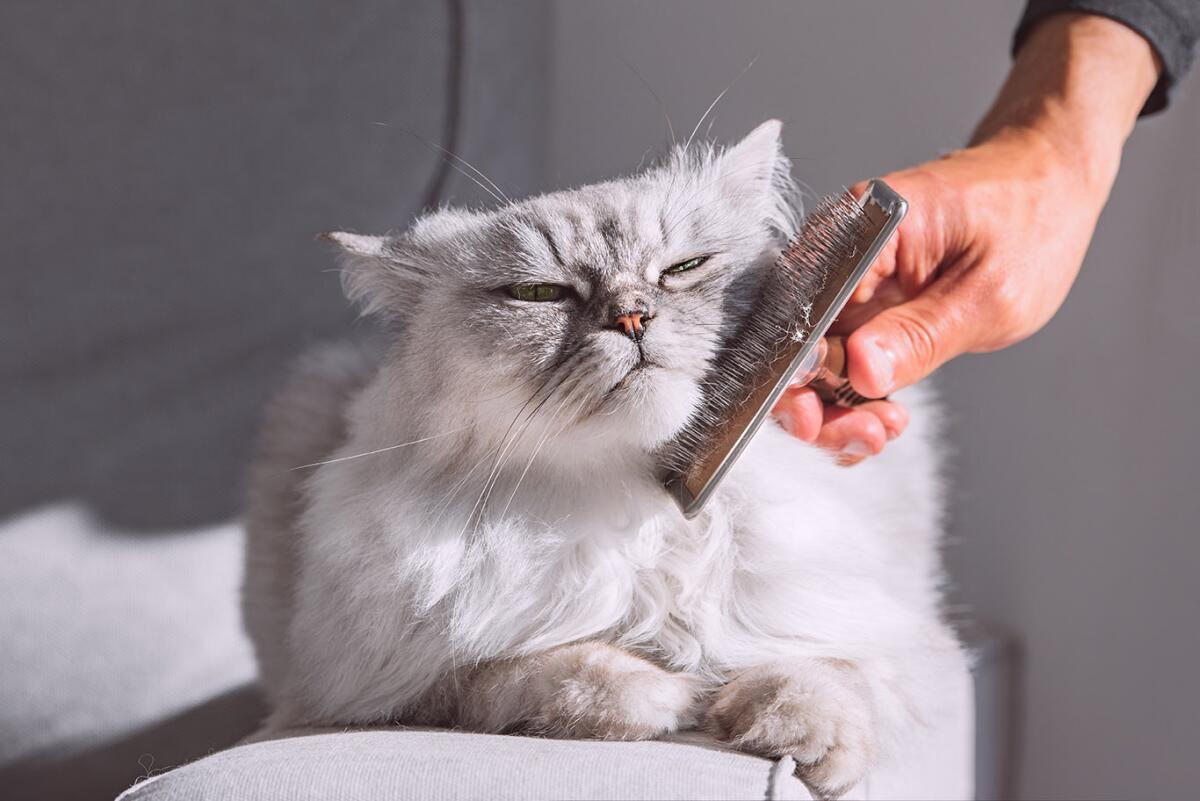
Brushes come in various shapes and bristle types, each suited for different fur textures. A slicker brush is great for removing loose hair and tangles from medium to long-haired cats. If your cat has short fur, a bristle brush will help distribute natural oils and remove dirt gently.
For cats prone to mats, a comb with wide and narrow teeth helps untangle knots without pulling too hard. Ever tried brushing your cat with the wrong brush? It can turn grooming into a battle. Choosing the right brush makes a big difference in how cooperative your cat will be.
Selecting Clippers And Scissors
Not every clipper or scissor fits every cat’s grooming routine. Clippers with adjustable blades allow you to cut fur at different lengths, which is perfect for trimming delicate areas like around the paws or belly. Quiet, low-vibration clippers reduce stress for noise-sensitive cats.
Scissors come in straight and curved shapes. Curved scissors are safer for trimming around the face and ears, helping avoid accidental cuts. When you select scissors, look for sharp blades that glide through fur without tugging—it saves you and your cat from frustration.
Essential Grooming Accessories
Beyond brushes and clippers, several accessories can improve your grooming sessions. Nail clippers designed for cats help keep claws trimmed and prevent scratching injuries. A grooming mat or towel can provide a comfortable surface and catch loose fur.
Don’t overlook detangling sprays—they soften fur and make brushing easier, especially for long-haired cats. Have you ever used a grooming glove? It combines brushing and massaging, which many cats enjoy and can calm a nervous pet during grooming.
Preparing Your Cat For Grooming
Preparing your cat for grooming is key to a smooth session. Cats can feel stressed during grooming, so preparation helps them stay calm. It also makes grooming safer and easier for both you and your cat. Taking time to prepare shows care and respect for your pet’s feelings.
Creating A Calm Environment
Choose a quiet, comfortable space free from loud noises. Soft lighting and a warm room help your cat relax. Remove distractions like other pets or children. Play soft, soothing music to create a peaceful atmosphere. Use a comfortable mat or towel for your cat to sit on.
Getting Your Cat Comfortable
Start by petting your cat gently to build trust. Let your cat explore grooming tools before use. Use treats to reward calm behavior and create positive feelings. Speak softly and move slowly to avoid startling your cat. Practice short grooming sessions to build comfort over time.
Safety Measures To Consider
- Keep sharp tools out of reach when not in use.
- Trim nails carefully to avoid cuts or injuries.
- Use grooming tools designed specifically for cats.
- Check for any skin problems before grooming.
- Have a towel ready to wrap your cat if needed.
Step-by-step Grooming Process
Grooming your cat professionally requires more than just basic care; it’s about ensuring comfort and health while enhancing your cat’s natural beauty. Each stage of grooming has its own techniques and tools that make the process smooth and stress-free for both you and your feline friend. Let’s break down the essential steps to help you master the grooming process with confidence.
Brushing And Detangling Fur
Start by choosing the right brush for your cat’s fur type—slicker brushes work well for long hair, while rubber brushes suit short-haired cats. Gently brush in the direction of hair growth to avoid hurting your cat’s skin.
If you encounter mats or tangles, don’t pull hard. Instead, use a wide-tooth comb and carefully separate the knots bit by bit. Regular brushing not only prevents mats but also reduces shedding and hairballs.
Bathing Techniques
Prepare a warm, shallow bath with cat-safe shampoo. Wet your cat slowly, speaking softly to keep them calm throughout the process.
Apply shampoo gently, avoiding the eyes and ears. Rinse thoroughly to remove all soap, which can irritate the skin if left behind.
Dry your cat with a towel first, then use a low-heat hair dryer if they tolerate it. Have you noticed how some cats actually enjoy a quick warm bath when introduced properly?
Nail Trimming Tips
Use sharp, small nail clippers designed for cats to avoid splitting the nails. Hold your cat’s paw firmly but gently, and press the pad to extend the nails.
Trim only the clear, white part of the nail, avoiding the pink quick, which contains nerves and blood vessels. Stopping here prevents pain and bleeding.
If your cat resists, try trimming just one or two nails at a time, rewarding them with treats and praise.
Cleaning Ears And Eyes
Check your cat’s ears for wax buildup or redness regularly. Use a damp cotton ball with a vet-approved ear cleaner to wipe the outer ear gently.
For eyes, use a soft, damp cloth to remove any discharge or debris from the corners. Avoid harsh chemicals and never insert anything deep into the ear canal or eye area.
Have you ever found that gentle touch and calm voices make this sometimes tricky task much easier for your cat?
Handling Different Coat Types
Every cat’s coat tells a different story, and handling these variations well is key to professional grooming. Understanding the unique needs of each coat type helps you keep your feline clients comfortable and looking their best. Let’s dive into how you can tailor your grooming approach for different coats.
Short-haired Cats
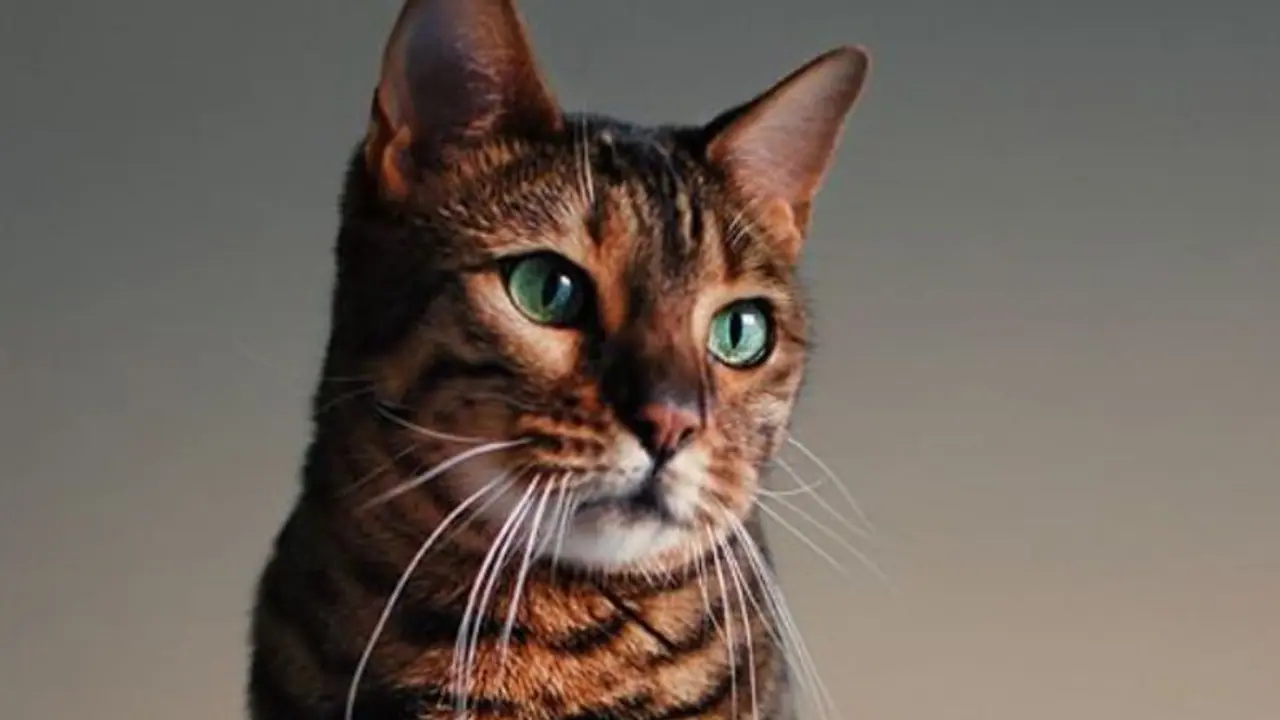
Short-haired cats generally require less grooming time, but that doesn’t mean they don’t need regular care. Their fur lies close to the skin, so you can easily spot dirt or skin issues early. Using a rubber brush or grooming glove helps remove loose hair and stimulates natural oils for a healthy shine.
One tip I learned early in my grooming career is to pay close attention to sensitive areas like the belly and behind the ears. Even short-haired cats can have trouble with buildup in these spots. Regular brushing, even just a few minutes a day, keeps shedding under control and prevents hairballs.
Long-haired Cats
Long-haired cats demand more patience and a gentle touch. Their fur can easily tangle and trap debris, so daily brushing is essential to avoid mats. Use a wide-toothed comb first to detangle, then follow with a slicker brush to smooth the coat.
Have you noticed how some cats prefer certain tools over others? Finding the right brush can make grooming a bonding experience rather than a struggle. Also, trimming around the rear and paws can prevent hygiene issues without stressing the cat.
Dealing With Mats And Tangles
Mats are the biggest challenge in cat grooming. They pull on the skin and cause discomfort, so addressing them quickly is important. Start by holding the mat at the base to reduce pulling and gently work through it with a dematting comb or your fingers.
If a mat is too tight, don’t force it. You might have to carefully trim it out with blunt-nosed scissors, but always protect the skin. Regular grooming sessions prevent mats from forming, turning this tough task into a simple routine.
What’s your strategy when you encounter a stubborn mat? Sometimes patience and small, frequent sessions work better than one long grooming appointment. Your cat’s comfort and trust should always come first.
Common Grooming Challenges
Professional cat grooming often involves challenges that require patience and skill. Cats may resist grooming due to fear or discomfort. Skin conditions and heavy shedding create extra work for groomers. Understanding these issues helps in providing better care and comfort for cats.
Managing Aggressive Behavior
Cats can show aggression during grooming. Fear and stress cause many cats to scratch or bite. Calm handling and gentle movements reduce anxiety. Using soft voices and slow actions helps cats relax. Sometimes, short grooming sessions work better than long ones. Protective gloves and towels keep groomers safe.
Dealing With Sensitive Skin
Some cats have skin that is easily irritated. Harsh shampoos and rough brushes can cause pain. Choose gentle, hypoallergenic products for these cats. Use soft brushes and avoid pulling mats. Check skin regularly for redness or sores. Stop grooming if the cat shows discomfort.
Addressing Shedding Issues
Shedding is a natural process but can be heavy for some cats. Regular brushing removes loose fur and prevents mats. Tools like slicker brushes and de-shedding combs help. Grooming often reduces hairballs and keeps homes cleaner. Feeding a healthy diet supports coat health and reduces shedding.
Benefits Of Regular Grooming
Regular grooming does more than just keep your cat looking good—it plays a vital role in maintaining their overall well-being. By setting a grooming routine, you help your cat stay healthy, comfortable, and happy. Have you ever noticed how much calmer a well-groomed cat seems?
Improved Health And Hygiene
Grooming removes dirt, loose fur, and harmful parasites from your cat’s coat. This reduces the risk of infections and skin problems. Regular brushing also prevents matting, which can be painful and lead to skin irritation.
Keeping your cat’s nails trimmed during grooming sessions prevents scratches and injuries. Plus, cleaning their ears and teeth helps avoid infections and dental issues. These small steps make a big difference in their daily comfort.
Strengthening The Bond
Grooming your cat offers a unique chance to build trust and connection. Your cat learns to associate your touch with care and affection. Spending this quiet time together can ease anxiety and improve their mood.
Think about the last time you gently brushed your cat—did they purr or nuzzle you? These moments reinforce your relationship and show your cat they are safe with you.
Early Detection Of Health Problems
Regular grooming lets you spot health issues before they become serious. You can check for lumps, bumps, or skin changes that might otherwise go unnoticed. Early detection means quicker vet visits and better outcomes.
Do you know what normal skin and fur should feel like on your cat? Paying close attention during grooming can help you recognize abnormalities. This proactive approach gives your cat the best chance at a long, healthy life.
When To Seek Professional Help
Cats are independent creatures. But they sometimes need professional grooming. Knowing when to seek help is essential. It ensures your cat stays healthy and happy. This section helps you understand when to consult a professional groomer.
Recognizing Grooming Difficulties
Cats may struggle with grooming due to health issues or age. Look for matted fur or excessive shedding. These can signal grooming problems. Observe your cat’s behavior. Are they avoiding grooming or showing discomfort? These signs suggest it’s time for professional help.
Choosing A Professional Groomer
Selecting the right groomer is crucial. Research groomers in your area. Check reviews and ask for recommendations. Ensure the groomer has experience with cats. Visit the facility if possible. It should be clean and cat-friendly. A good groomer will handle your cat with care.
Preparing For A Grooming Appointment
Prepare your cat for their grooming appointment. Get them used to being handled. Gently brush them at home to reduce stress. Transport your cat in a secure carrier. Make the journey as calm as possible. Inform the groomer about any specific needs or concerns. This helps ensure a smooth grooming session.
Frequently Asked Questions
What Are The Benefits Of Professional Cat Grooming?
Professional cat grooming keeps your cat clean, healthy, and comfortable. It reduces shedding, prevents matting, and detects skin issues early. Groomers also trim nails and clean ears, promoting overall well-being. Regular grooming sessions help maintain your cat’s coat and improve their hygiene effectively.
How Often Should Cats Get Professional Grooming?
Most cats benefit from professional grooming every 4 to 8 weeks. Long-haired breeds may require more frequent sessions to prevent tangles and mats. Regular grooming supports coat health and comfort. Your cat’s lifestyle and coat condition help determine the ideal grooming schedule.
Is Professional Cat Grooming Safe For All Cat Breeds?
Yes, professional grooming is safe for all cat breeds when done by trained groomers. Experts know how to handle different temperaments and coat types. They use appropriate tools and techniques to ensure a stress-free, safe grooming experience for your cat.
What Services Does Professional Cat Grooming Include?
Professional cat grooming includes bathing, brushing, nail trimming, ear cleaning, and de-matting. Some groomers offer flea treatments and haircuts too. These services maintain your cat’s hygiene and appearance while preventing health issues related to poor grooming.
Conclusion
Professional cat grooming helps keep your pet healthy and happy. Regular grooming prevents mats, skin problems, and shedding. It also strengthens the bond between you and your cat. Simple tools and gentle care make a big difference. Remember, patience and kindness make grooming easier for both.
Take time to learn and enjoy the process. Your cat will thank you with a shiny coat and bright eyes. Keep grooming a part of your routine for lasting benefits.

Leave a Reply