Have you ever noticed how grooming your black and white cats can be both a joy and a challenge? Keeping their coats clean and shiny is more than just a routine—it’s a way to strengthen your bond and keep your furry friends healthy.
Whether your cats have sleek black fur or soft white patches, understanding their unique grooming needs can make all the difference. You’ll discover simple, effective tips to keep your black and white cats looking and feeling their best every day.
Ready to make grooming easier and more enjoyable for you and your cats? Let’s dive in!
Differences In Grooming Needs
Understanding the differences in grooming needs between a black cat and a white cat can make a big difference in how you care for them. Their coats not only look different but also require unique attention to keep them healthy and shiny. Let’s dive into what makes their grooming routines distinct and how you can tailor your care to fit each cat’s specific needs.
Coat Types And Textures
Black cats often have sleek, shiny coats that can range from short to medium length. Their fur tends to hide dirt and shedding better, but this doesn’t mean they need less grooming. Regular brushing helps remove loose hairs and keeps their coat glossy.
White cats, on the other hand, usually have coats that highlight dirt and stains more easily. Their fur can be fine or thick, and some white cats have longer hair that can tangle if not brushed often. Because their fur shows debris quickly, more frequent grooming is necessary to maintain that clean look.
Color-specific Care Tips
Since black cats’ dark fur absorbs more heat, you might notice they prefer cooler spots on sunny days. It’s important to check for overheating and keep their coat well-maintained to avoid matting that traps heat.
White cats are more prone to sunburn, especially on their ears and nose, due to less pigment. Applying pet-safe sunscreen or limiting sun exposure during peak hours can protect them. Additionally, white fur can show tear stains or dirt around the face, so gentle cleaning with a damp cloth helps keep them looking fresh.
Have you noticed how a simple grooming routine changes when you adapt it to your cat’s color and coat? Tailoring your approach can improve your cat’s comfort and appearance in surprising ways.
Essential Grooming Tools
Proper grooming keeps black and white cats healthy and happy. Using the right tools makes the process smooth and safe. Each item has a special role in caring for your cat’s coat, nails, and skin. Understanding these tools helps you provide the best care.
Brushes And Combs
Brushes and combs remove loose hair and dirt. They prevent mats and tangles, especially on long-haired cats. Use a soft-bristle brush for sensitive skin. A fine-toothed comb helps catch small knots and fleas. Regular brushing improves blood flow and keeps fur shiny.
Nail Clippers And Trimmers
Nail clippers and trimmers keep your cat’s claws short and safe. Sharp claws can scratch furniture or skin. Use small, sharp clippers made for cats. Trim nails carefully to avoid the quick, which causes pain. Regular clipping prevents nails from growing too long or curling.
Bathing Supplies
Bathing supplies include gentle cat shampoo and warm water. Use shampoo made for cats to protect their skin. A soft washcloth or sponge helps clean hard-to-reach areas. Towels dry your cat after a bath. Bathing removes dirt and reduces allergens on your cat’s fur.
Daily Grooming Routine
Keeping your black and white cat well-groomed every day is more than just a chore; it’s a bonding moment that keeps your feline friend healthy and happy. A simple daily routine helps reduce shedding, prevents mats, and keeps your cat’s skin and coat in top condition. It can also alert you to any early signs of health issues.
Brushing Techniques
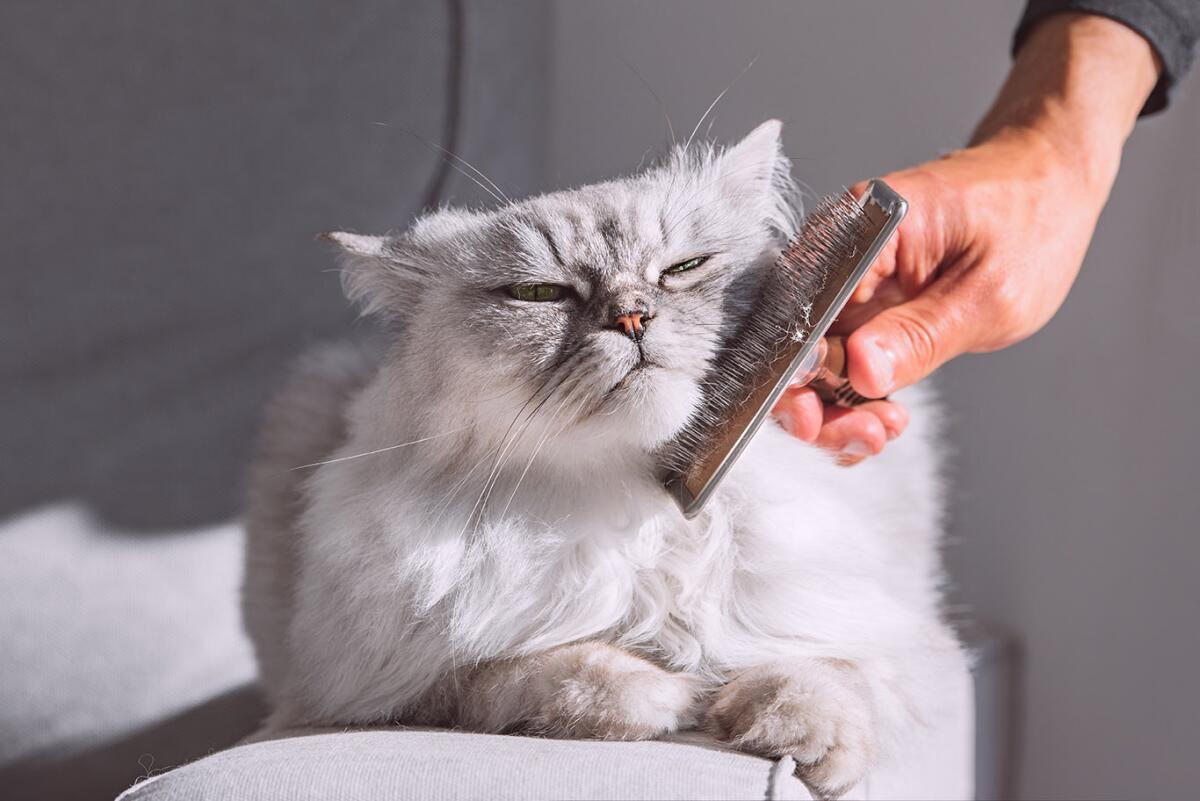
Use a brush suitable for your cat’s fur type—soft bristles for short hair and a slicker brush for longer coats. Brush gently but thoroughly, following the direction of hair growth to avoid discomfort.
Focus extra attention on areas where mats often form, such as behind the ears and under the legs. Notice how your cat responds; if they enjoy the brushing, it becomes easier to maintain this habit daily.
- Brush for about 5 to 10 minutes each session.
- Use slow, gentle strokes to avoid pulling on the hair.
- Reward your cat with treats or affection to make grooming a positive experience.
Cleaning Eyes And Ears
Check your cat’s eyes and ears daily for dirt, discharge, or redness. Use a soft, damp cloth or a cotton ball dipped in warm water to wipe away any debris gently.
Avoid using cotton swabs inside the ear canal to prevent injury. If you notice persistent redness or unusual smell, consult your vet immediately.
- Wipe from the inner corner of the eye outward.
- Clean the outer ear folds carefully without pushing too deep.
- Make this a calm and brief part of your routine to keep your cat comfortable.
Bathing Tips For Cats
Bathing cats can be a challenge, especially with a black and white cat. These cats need gentle care to keep their coats clean and shiny. Bathing helps remove dirt, loose hair, and odors. It also reduces shedding and hairballs. Understanding the right way to bathe your cat makes the process easier and safer for both of you.
Choosing The Right Shampoo
Select a shampoo made specifically for cats. Avoid human or dog shampoos; they can irritate your cat’s skin. Look for these qualities in a cat shampoo:
- Mild and gentle formula
- Free from harsh chemicals and fragrances
- Hypoallergenic for sensitive skin
- Moisturizing ingredients to prevent dryness
Shampoos with natural ingredients like aloe vera or oatmeal soothe the skin. A shampoo designed for black and white cats can enhance their coat’s natural shine and color.
Safe Bathing Practices
Prepare everything before starting the bath. Use lukewarm water to keep your cat comfortable. Never use hot water, as it can burn their skin. Speak softly to calm your cat during the bath. Keep your cat’s head dry to avoid water in the ears and eyes.
- Place a non-slip mat in the sink or tub
- Use a cup or gentle sprayer for rinsing
- Rinse thoroughly to remove all shampoo
- Dry your cat with a soft towel immediately
Bathing should be quick but gentle. Stop if your cat becomes too stressed. Regular brushing helps reduce the need for frequent baths.
Managing Shedding And Hairballs
Managing shedding and hairballs in cats can be challenging. A black and white cat’s striking coat requires special care to stay clean and healthy. Understanding the factors that affect shedding and hairball formation is essential. By addressing diet, hydration, and grooming habits, you can make a difference.
Diet And Hydration
Proper diet reduces shedding and hairballs. Feed your cat high-quality food. Look for food rich in omega-3 and omega-6 fatty acids. These nutrients promote a healthy coat and skin. Ensure your cat always has access to fresh water. Hydration helps keep the skin moisturized and reduces hair shedding.
Regular Grooming Habits
Regular grooming minimizes shedding. Brush your black and white cat several times a week. Use a soft-bristle brush suitable for their coat type. Brushing removes loose fur and reduces the risk of hairballs. It also strengthens the bond between you and your pet. Regular grooming sessions keep your cat’s coat shiny and healthy.
Health Indicators In Fur And Skin
The fur and skin of a cat reveal much about its health. Regular grooming helps spot changes early. Both black and white cats show signs differently. Their coat condition can signal underlying health problems. Paying attention to fur texture and skin color is vital.
Healthy fur is shiny, smooth, and soft. Skin should be clear, without redness or flakes. Dull fur or patchy hair loss can suggest illness or parasites. Changes in grooming habits may also indicate discomfort or pain.
Spotting Skin Issues
Look for redness, swelling, or open sores on the skin. Check for small bumps, scabs, or dry patches. Excessive scratching or licking can cause irritation. Fleas, ticks, or mites often cause itching and hair loss. Notice any unusual odors, which may signal infections.
- Hair thinning or bald spots
- Scaly or flaky skin
- Red or inflamed areas
- Black or white cats may show signs differently
When To Consult A Vet
Seek veterinary advice if skin issues persist beyond a few days. Sudden hair loss or wounds need prompt attention. Watch for lethargy, loss of appetite, or other symptoms. Persistent itching or discomfort affects your cat’s well-being. Early treatment prevents worsening and more serious problems.
Special Care For Black Cats
Black cats have a unique allure, but their grooming needs differ from other cats. Their dark fur requires special care to keep it vibrant and healthy. Understanding these needs helps you maintain that sleek, shiny coat that makes your black cat stand out.
Enhancing Shine And Color
Black fur can sometimes look dull if not properly cared for. Regular brushing with a soft-bristle brush removes dirt and dead hair, encouraging natural oils to spread evenly. These oils add a natural shine and keep the coat supple.
Using a mild, cat-friendly shampoo designed for dark coats can boost color depth. Avoid harsh products that strip oils, as they leave fur brittle and lifeless. Have you noticed your black cat’s fur looking less vibrant after a bath? That might be why.
Adding omega-3 fatty acids to your cat’s diet can also improve fur quality. These fats nourish the skin and coat from within, making the black color richer and more radiant. Have you tried supplements or special foods that target fur health?
Sun Protection Tips
Black cats absorb more heat from sunlight, which can cause their skin to become irritated or even sunburned. If your cat spends time outdoors, provide shaded areas where they can cool down.
Consider using pet-safe sunscreen on exposed areas like the nose and ears, especially during peak sun hours. Be careful to choose products made specifically for cats to avoid toxic ingredients.
Limiting outdoor time during the hottest parts of the day can also protect your cat’s skin and coat. Have you observed your black cat seeking shade or cooler spots when outside? That’s a natural way they manage sun exposure.
Special Care For White Cats
White cats need gentle grooming to keep their fur bright and clean. A black cat’s grooming may focus more on removing loose hair and dirt. Both require regular brushing to stay healthy and comfortable.
White cats require special attention to keep their fur pristine. Their light fur shows stains and dirt more easily. They also need protection from the sun.Preventing Stains
White cats are prone to fur staining. Regular grooming helps maintain their fur’s brightness. Use a gentle, cat-safe shampoo for baths. Focus on areas prone to stains like paws and the chin. Clean these areas with a damp cloth regularly. This reduces chances of discoloration. Diet plays a role in fur condition. High-quality food can enhance their coat’s health. Ensure their diet is rich in essential nutrients.Protecting From Sun Damage
White cats have sensitive skin, especially on their ears and nose. They are more prone to sunburn. Limit their sun exposure during peak hours. Provide shaded areas for outdoor cats. Consider using pet-safe sunscreen. Apply it to their most exposed areas. Always consult a vet before using any products. Regular checks for skin changes are crucial. Early detection of sun damage can prevent complications.Creating A Stress-free Grooming Experience
Creating a stress-free grooming experience for your black and white cats is essential for their well-being and your peace of mind. Cats can quickly become anxious or resistant if grooming feels overwhelming or uncomfortable. You can make grooming a calm and even enjoyable routine by understanding their needs and using gentle approaches tailored to their personalities.
Calming Techniques
Start by choosing a quiet and familiar space where your cats feel safe. Soft lighting and a comfortable temperature can help them relax before grooming begins.
Try gentle petting or slow, soothing strokes to ease tension. Speaking softly and maintaining a calm presence sets the tone for the session.
Some cats respond well to pheromone sprays or diffusers designed to reduce anxiety. Have treats ready to reward calm behavior during these moments.
Positive Reinforcement
Reward your cats immediately after each grooming step with their favorite treats or playtime. This helps them associate grooming with positive outcomes.
Use a clicker or a consistent verbal cue like “good job” to mark calm and cooperative behavior. This makes it easier for your cats to understand what you expect from them.
Keep sessions short and frequent rather than long and stressful. Ending on a good note encourages your cats to look forward to the next grooming time.
Frequently Asked Questions
What Are The Grooming Needs Of Black And White Cats?
Black and white cats need regular brushing to reduce shedding and prevent mats. Their grooming varies by coat length. Clean their eyes and ears gently. Regular grooming keeps their fur shiny and skin healthy, reducing hairballs and promoting comfort.
How Often Should I Groom A Black And White Cat?
Groom short-haired black and white cats weekly and long-haired ones daily. Frequent grooming prevents tangles and controls shedding. Adjust frequency based on your cat’s activity and coat condition. Consistent grooming improves hygiene and bonding with your pet.
Can Black And White Cats Have Different Grooming Challenges?
Yes, black and white cats may face unique issues like visible dirt on white fur. Dark fur can hide skin problems. Tailor grooming to address these differences. Use gentle products and inspect skin regularly for a healthy coat.
What Tools Work Best For Grooming Black And White Cats?
Use soft-bristle brushes for short fur and slicker brushes for long fur. A comb helps remove tangles and loose hair. Nail clippers and ear-cleaning wipes are essential. Choose tools designed for cats to ensure safety and comfort.
Conclusion
Black and white cats have unique grooming needs. Regular brushing keeps their fur clean and healthy. It also helps reduce shedding and hairballs. Gentle care strengthens your bond with your cat. Pay attention to their skin and coat condition. Clean their eyes and ears often.
Healthy grooming routines lead to happy cats. Simple steps make a big difference every day. Caring for your cat shows love and respect. Keep your black and white cat comfortable and bright.


Leave a Reply