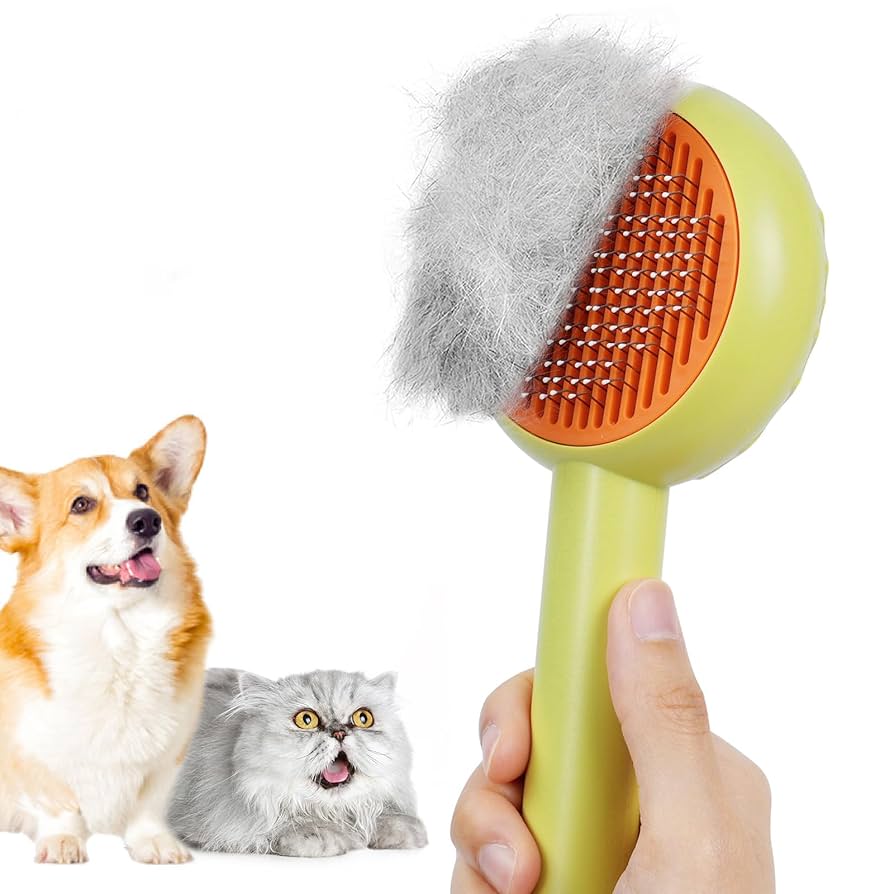
Taking care of your dog’s or cat’s grooming isn’t just about keeping them looking good. It’s about their health, comfort, and happiness too.
If you want to learn simple, effective ways to groom your furry friend at home, you’re in the right place. Whether your pet has long hair that tangles easily or short fur that needs regular brushing, this guide will help you make grooming easy and stress-free.
Keep reading to discover tips that will save you time, prevent common problems, and make your pet love their grooming sessions. Your pet deserves the best care, and you can give it to them starting now.
Choosing The Right Tools
Choosing the right tools is key to effective grooming for dogs and cats. The correct tools make the process smoother and more comfortable for pets. Poor tools can cause discomfort or even injury. Each pet’s coat type needs specific brushes and tools. Investing in safe and quality supplies helps maintain your pet’s health and appearance.
Brushes For Different Coats
Pets have different coat types. Short, long, curly, or dense coats require different brushes. Use a slicker brush for long or curly hair to remove tangles. Bristle brushes work well for short coats to remove loose fur. A pin brush suits medium to long coats and helps with gentle detangling. Regular brushing reduces shedding and prevents mats.
Essential Grooming Supplies
- Combs: Help with fine knots and detailed grooming.
- Nail clippers: Keep nails trimmed to avoid pain and injury.
- Ear cleaner: Maintain ear hygiene and prevent infections.
- Pet-safe shampoo: Clean coats without irritating the skin.
- Towels and grooming gloves: Assist with drying and controlling loose fur.
Safe Clippers And Scissors
Use clippers designed for pets only. They have safety features to protect skin. Sharp scissors with rounded tips prevent accidents while trimming fur. Avoid human clippers or scissors as they can harm pets. Regularly clean and maintain tools to keep them sharp and safe. Grooming with the right clippers and scissors helps achieve a neat, comfortable look.

Credit: tweezerman.com
Preparing Your Pet
Preparing your pet for grooming sets the tone for a smooth and positive experience. Pets feel more relaxed and cooperative when the environment suits their needs. Taking time to get them used to grooming tools and routines helps reduce stress. Checking your pet’s skin before grooming ensures safety and comfort throughout the process.
Creating A Calm Environment
Choose a quiet room with minimal noise and distractions. Soft lighting helps pets feel more relaxed. Keep grooming tools ready and within reach to avoid interruptions. Speak in a gentle voice to soothe your pet during grooming. Play soft music or use calming sprays if your pet responds well.
Getting Pets Comfortable With Grooming
Introduce grooming tools slowly. Let pets sniff and explore brushes and combs. Use treats to reward calm behavior near the tools. Start with short grooming sessions, gradually increasing time. Handle paws, ears, and tail gently before full grooming. Patience is key to building trust and comfort.
Checking For Skin Issues
Examine your pet’s coat closely before grooming. Look for redness, bumps, or dry patches. Check for fleas, ticks, or signs of irritation. Notice any unusual odor or excessive scratching. Report concerns to a vet before proceeding with grooming. Healthy skin makes grooming safer and more pleasant.
Brushing Techniques
Brushing is a key part of grooming for dogs and cats. It removes loose hair, dirt, and prevents mats. Proper brushing keeps their coat healthy and shiny. Understanding different techniques helps make grooming easier and more effective. Each pet needs a gentle approach based on their coat type and personality.
Brushing Dogs Effectively
Start brushing from the head and work toward the tail. Use long, smooth strokes that follow hair growth. Choose a brush type suitable for your dog’s coat. For short hair, use a bristle brush. For long hair, use a slicker brush or comb.
Brush gently around sensitive areas like ears and belly. Regular brushing reduces shedding and skin issues. Check your dog’s skin for bumps or irritation during brushing.
Brushing Cats Without Stress
Let your cat sniff the brush before you start. Use soft, slow strokes and calm your cat with a soothing voice. A fine-toothed comb or a rubber brush works well on most cats.
Brush in the direction of fur growth to avoid pulling. Keep sessions short and positive to build trust. Reward your cat with treats or petting after brushing.
Dealing With Mats And Tangles
Mats can cause pain and skin problems. Use a detangling spray or conditioner to soften mats. Hold the fur close to the skin to reduce pulling.
Work gently with a mat splitter or wide-toothed comb. Cut mats carefully only if they cannot be combed out. Regular brushing prevents future tangles and mats.
Bathing Tips
Grooming pets involves gentle bathing to keep their fur clean and healthy. Use pet-friendly shampoo and warm water. Rinse thoroughly to avoid irritation.
Bathing pets can be a bonding time. It helps maintain their health and hygiene. But it can also be stressful for both pets and owners. Follow these simple tips to make the process smoother and more enjoyable.Choosing The Right Shampoo
Always use pet-specific shampoo. Human products can irritate their skin. Ensure it’s suitable for your pet’s coat and skin type. For sensitive skin, opt for hypoallergenic formulas. Flea shampoos help control pests. Read labels carefully before buying.Bathing Dogs Safely
Prepare all supplies before starting. Use lukewarm water to keep your dog comfortable. Place a non-slip mat in the tub. It helps prevent accidents. Wet the fur thoroughly. Apply shampoo, avoiding eyes and ears. Rinse well to remove all soap. Dry with a towel or pet dryer on low heat.Bathing Cats With Care
Cats usually dislike water. Be gentle and calm. Use a shallow tub with warm water. Wet the fur lightly. Apply cat-friendly shampoo. Avoid face and ears. Rinse quickly but thoroughly. Pat dry with a soft towel. Offer treats afterward as a reward.Nail Care
Nail care is an important part of grooming dogs and cats. Keeping nails trimmed prevents pain and damage. Long nails can cause discomfort and affect walking. Regular nail care improves your pet’s health and comfort.
Trimming Dog Nails
Use a sharp nail clipper made for dogs. Hold your dog’s paw gently but firmly. Trim only the tip of the nail to avoid the quick. The quick is the sensitive part with blood vessels. If you cut the quick, it will bleed and hurt your dog. Trim nails every few weeks or when you hear clicking sounds on hard floors.
Cat Nail Maintenance
Cats usually need less frequent nail trims. Use small, sharp clippers for cats. Gently press the paw to extend the claws. Trim the sharp tips carefully without cutting the quick. Scratching posts help keep cat nails naturally worn down. Check nails monthly and trim as needed to prevent overgrowth.
Preventing Nail-related Injuries
- Check nails regularly for cracks or splits.
- Keep nails at a safe length to avoid snagging.
- Use proper nail clippers designed for pets.
- Reward pets with treats to reduce stress during trimming.
- Consult a vet if nails are very thick or infected.
Ear And Eye Care
Proper ear and eye care is vital for your pet’s health and comfort. Dirt, wax, and discharge can cause infections or irritation. Regular checks and gentle cleaning keep dogs and cats happy and healthy.
Cleaning Dog Ears
Dog ears can collect dirt and wax easily. Use a vet-approved ear cleaner to avoid damage. Gently lift the ear flap and apply the cleaner inside. Massage the base of the ear for a few seconds. Let your dog shake its head to remove debris. Use a soft cloth or cotton ball to wipe the outer ear. Avoid using cotton swabs deep inside the ear canal. Check for redness, bad smell, or swelling, signs of infection.
Caring For Cat Ears
Cat ears are sensitive and need careful attention. Use a damp cloth or cotton ball to clean the outer ear. Avoid putting liquids deep into the ear canal. Cats rarely have wax build-up but watch for mites or infections. If your cat scratches its ears often, visit a vet. Regular checks can prevent serious ear problems.
Managing Eye Discharge
Eye discharge can be normal or a sign of illness. Use a clean, damp cloth to gently wipe away crust or tears. Wipe from the corner of the eye outward to avoid spreading bacteria. Avoid using harsh chemicals or soaps near the eyes. If discharge is thick, colored, or persistent, consult a vet. Keep fur around the eyes trimmed to reduce irritation.
Dental Hygiene
Dental hygiene is a crucial part of grooming your dog or cat that often gets overlooked. Healthy teeth and gums not only prevent bad breath but also protect your pet from painful infections and other serious health issues. Taking care of your pet’s dental health can add years to their life and improve their overall well-being.
Brushing Pet Teeth
Brushing your pet’s teeth might sound challenging, but it becomes easier with patience and practice. Use a toothbrush designed for pets and a toothpaste made specifically for animals—never use human toothpaste, as it can be harmful.
Start by gently rubbing your pet’s teeth with your finger to get them used to the sensation. Then, gradually introduce the toothbrush, brushing in small, circular motions. Aim to brush their teeth at least two to three times a week to keep plaque buildup at bay.
Dental Treats And Toys
Dental treats and toys can support your pet’s oral health by helping to reduce plaque and tartar naturally. Choose products approved by veterinary dental organizations to ensure safety and effectiveness.
- Look for treats with ingredients that promote oral health, such as enzymes or chlorophyll.
- Select chew toys designed to massage gums and clean teeth without damaging them.
- Rotate toys regularly to keep your pet interested and encourage consistent chewing.
Do you notice your pet favoring one toy over others? That preference can guide you toward the best dental products for them.
Signs Of Dental Problems
Recognizing early signs of dental problems can save your pet from discomfort and expensive treatments. Watch for symptoms like bad breath, excessive drooling, or difficulty eating.
Other indicators include red or swollen gums, loose teeth, and pawing at the mouth. If you observe any of these, a visit to the vet is essential to prevent further damage.
How often do you check your pet’s mouth? Regular inspection can catch issues before they worsen and help you maintain your pet’s happy, healthy smile.

Credit: www.amazon.com
Professional Grooming Help
Professional grooming can make a big difference in your pet’s health and happiness. Sometimes, your furry friend needs more than just a quick brush at home. That’s when expert groomers step in with the right tools and skills to keep your dog or cat looking and feeling great.
When To Visit A Groomer
Not every pet needs frequent professional grooming, but some situations clearly call for it. If your dog has a thick coat that mats easily, like a Golden Retriever, scheduling regular visits every 6 to 8 weeks helps prevent painful tangles.
Cats that shed heavily or have long fur also benefit from professional attention. If you notice your pet scratching more than usual or their coat looks dull, it might be time to book an appointment.
Pets with skin conditions or behavioral challenges may require specialized grooming sessions. Have you ever wondered if your pet’s discomfort could be eased by a professional’s touch?
Choosing A Grooming Salon
Picking the right salon can feel overwhelming, but some simple checks can guide your choice. Look for places with clear licensing and good reviews from other pet owners.
Visit the salon before booking. Observe how the staff handle animals and whether the environment feels clean and calm. Your pet’s comfort should be the top priority.
Ask about the groomers’ experience with your pet’s breed. Different breeds need different grooming styles, so expertise matters. Would you trust someone unfamiliar with your pet’s needs?
Preparing Pets For Grooming Visits
Getting your pet ready for a grooming appointment reduces stress for both of you. Start by gently brushing your dog or cat a day or two before the visit to remove loose fur and dirt.
Keep your pet calm and positive about the trip. Use treats and praise to associate grooming with good experiences. Have you tried playing soothing music or taking a short walk before heading out?
Make sure your pet’s vaccinations are up to date and bring any relevant health information to the groomer. This helps them provide the safest care possible.
Maintaining Regular Grooming
Maintaining regular grooming for your dog or cat goes beyond just keeping them looking good. It plays a vital role in their overall health and happiness. Consistency helps you catch problems early and builds trust between you and your pet.
Creating A Grooming Schedule
Set a grooming routine that fits your pet’s needs and your lifestyle. Some pets need brushing daily, while others may only require it once or twice a week.
Write down specific days for brushing, bathing, nail trimming, and ear cleaning. This keeps you organized and ensures you don’t skip important care.
Ask yourself: What time of day works best for you and your pet? Mornings, evenings, or weekends might be ideal depending on your energy and their mood.
Seasonal Grooming Changes
Pets’ grooming needs change with the seasons. During warmer months, more frequent baths and brushing can help manage shedding and keep your pet cool.
In colder seasons, focus on keeping their coat healthy and avoid over-bathing, which can dry out their skin. Adjust your schedule to these seasonal shifts.
Consider how local weather affects your pet. If you live in a humid climate, your pet may need extra attention to prevent skin infections.
Monitoring Pet Health Through Grooming
Grooming is a great way to check your pet’s health regularly. Look for lumps, bumps, skin irritations, or unusual odors during brushing or bathing.
Keep an eye on their eyes, ears, and teeth. Changes here often signal health issues that need a vet’s attention.
Have you noticed your pet scratching more or losing fur? These signs often show up during grooming and can tell you when to act quickly.

Credit: medicanimal.com
Frequently Asked Questions
How Often Should I Groom My Dog Or Cat?
Groom dogs weekly and cats every two weeks. Regular grooming prevents mats, reduces shedding, and promotes healthy skin and coat. Adjust frequency based on breed, coat type, and activity level to keep your pet comfortable and clean.
What Tools Are Essential For Pet Grooming?
Basic tools include a brush, comb, nail clippers, and pet-safe shampoo. Choose brushes suited for your pet’s coat type. Proper tools make grooming easier and safer, enhancing your pet’s comfort and coat health.
Can Grooming Prevent Pet Health Issues?
Yes, grooming helps detect skin problems, parasites, and infections early. Regular nail trimming prevents pain and injury. Grooming promotes overall hygiene, reducing the risk of health issues related to poor coat and skin care.
How Do I Groom A Nervous Or Aggressive Pet?
Stay calm and patient during grooming. Use gentle handling and short sessions. Offer treats and praise to build trust. If needed, consult a professional groomer or veterinarian for advice on managing difficult pets.
Conclusion
Grooming your dog or cat keeps them clean and healthy. Regular brushing removes dirt and loose hair. It also helps spot skin problems early. Bathing your pet makes their coat shiny and fresh. Trimming nails prevents pain and injury. Always use tools made for pets.
Keep grooming sessions short and calm. Your pet will enjoy the care and attention. Healthy grooming builds a strong bond with your pet. Start today and make grooming a happy routine.



Leave a Reply