Are you wondering if feeding your kitten adult cat food could be harmful? It’s a question many cat owners face, especially when their little furball starts growing fast.
You want the best for your kitten, but with so many food options, it’s easy to get confused. What if the food you have on hand isn’t right for their needs? Keep reading to discover why the right nutrition matters more than you think—and how choosing the wrong food could affect your kitten’s health and happiness.
By the end, you’ll know exactly what to feed your kitten to help them grow strong and healthy.
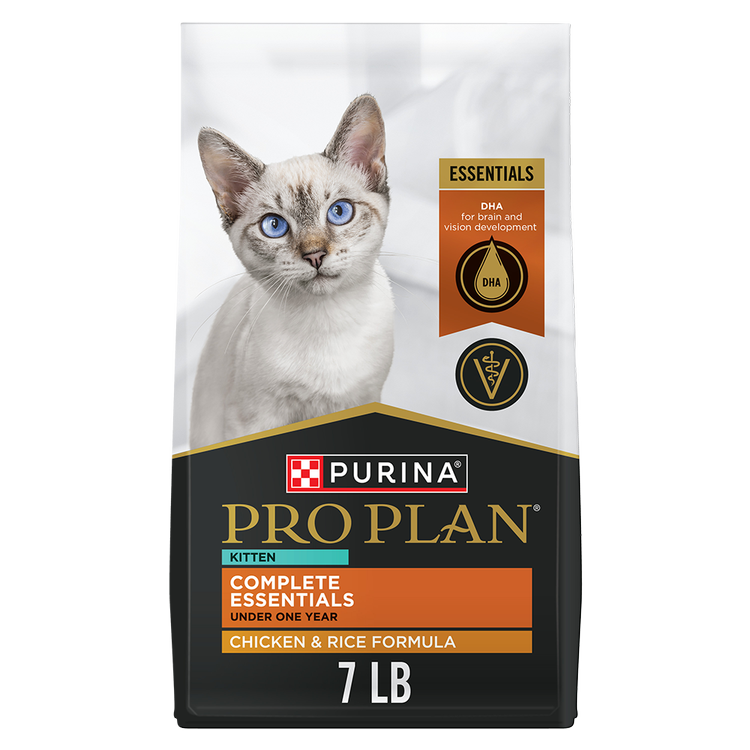
Credit: www.purina.com
Nutritional Needs Of Kittens
Kittens have special nutritional needs that support their fast growth and development. Their bodies require more energy, vitamins, and minerals than adult cats. Feeding kittens the right diet helps build strong bones, muscles, and a healthy immune system.
Proper nutrition also supports brain development and keeps kittens active and playful. Choosing food designed for kittens ensures they get the nutrients they need in the right amounts.
Essential Nutrients For Growth
- Protein:Kittens need high protein levels to build muscles and tissues.
- Fat:Provides energy and supports brain and eye development.
- Calcium and Phosphorus:Crucial for strong bones and teeth.
- Taurine:An amino acid vital for heart and eye health.
- DHA:Supports brain and nervous system growth.
- Vitamins and Minerals:Help maintain overall health and immune function.
Differences Between Kitten And Adult Cat Food
Kitten food contains more calories to meet their energy needs. It has higher protein and fat content than adult cat food. This helps kittens grow quickly and stay active.
Kitten food also includes extra vitamins and minerals for development. The texture is often softer and easier for kittens to chew. Adult cat food lacks some nutrients that kittens need in large amounts.
Feeding adult cat food to kittens can lead to nutrient deficiencies. It may slow their growth or cause health problems later. Kitten food is specially made to support every stage of early life.

Credit: www.petscare.com
Risks Of Feeding Adult Food To Kittens
Feeding your kitten adult cat food might seem like a simple shortcut, but it carries real risks that can affect your kitten’s growth and long-term health. Kittens have unique dietary needs that differ significantly from adult cats. Ignoring these differences can lead to serious problems down the road.
Potential Nutrient Deficiencies
Adult cat food often lacks the right balance of nutrients essential for a kitten’s rapid growth. Kittens require higher levels of protein, fat, and certain vitamins like A and D to support their developing bodies. Without these, your kitten may struggle to build strong muscles, healthy bones, and a robust immune system.
Think about this: a kitten’s brain and organs are growing quickly. Missing key nutrients can slow this process or cause lasting damage. Have you checked the labels on your cat food to see if it meets the AAFCO standards for kitten growth?
Impact On Development And Health
Feeding adult food to kittens can stunt their development. Their energy needs are much higher, and adult formulas don’t provide enough calories to fuel this intense growth phase. This can result in low energy levels and poor weight gain.
Additionally, adult food may not support the development of healthy teeth and bones. Over time, this can lead to dental issues or weak skeletal structure. Are you willing to risk your kitten’s future health for the sake of convenience?
Choosing the right food is a simple step that makes a huge difference in your kitten’s life. Make sure you’re providing a diet designed specifically for their needs to help them grow into a strong, healthy adult cat.
When Adult Cat Food Might Be Safe
Feeding kittens the right food is crucial for their growth. Adult cat food is usually not recommended for kittens. It lacks essential nutrients they need. But, in some cases, adult cat food might be safe. Understanding these exceptions is key.
Short-term Feeding Scenarios
If you run out of kitten food, adult cat food might work temporarily. It can be a stopgap solution until you get more kitten food. Ensure the adult food is high-quality and protein-rich. Use it only for a few days to avoid nutrient deficiencies.
Always monitor your kitten’s health during this time. Watch for any signs of discomfort or digestive issues. This temporary solution is not suitable for long-term feeding.
Consulting A Veterinarian
Before feeding adult cat food to kittens, talk to a vet. They can assess your kitten’s specific needs. A vet might recommend a suitable adult food brand. This advice is crucial if your kitten has special dietary needs.
Regular check-ups ensure your kitten’s growth remains on track. A vet can provide guidance on transitioning back to kitten food. Their expertise keeps your kitten healthy and thriving.
Choosing The Right Food For Kittens
Choosing the right food for your kitten is crucial for their growth and overall health. Kittens have different nutritional needs than adult cats, so feeding them the wrong food can lead to deficiencies or digestive issues. Understanding what to look for on pet food labels and knowing which ingredients support kitten development will help you make better choices.
Reading Pet Food Labels
Pet food labels can be confusing, but they hold key information about the product’s quality and suitability for your kitten. Look for statements like “formulated for kittens” or “complete and balanced nutrition” to ensure the food meets kitten requirements.
Check the guaranteed analysis section for protein and fat content. Kittens need higher protein (around 30% or more) and fat levels (about 15-20%) compared to adult cats. Avoid foods with vague ingredient listings like “animal by-products” or excessive fillers such as corn and wheat.
Have you ever noticed terms like “meal” or “by-product” on the label? These can indicate lower-quality ingredients. Focus on named animal proteins like “chicken,” “salmon,” or “turkey” as the first few ingredients for better nutrition.
Recommended Ingredients For Kittens
Your kitten’s food should include high-quality animal protein to support muscle growth. Ingredients like chicken, turkey, fish, and lamb provide essential amino acids critical for development.
Fat is another important nutrient. Look for foods containing omega-3 and omega-6 fatty acids, which help with brain development and a healthy coat. Ingredients like fish oil or flaxseed are good sources.
Don’t overlook vitamins and minerals. Calcium and phosphorus are vital for strong bones, while taurine supports heart and eye health. Check that the food contains these nutrients in balanced amounts.
Ever wondered if plant ingredients like peas or sweet potatoes are beneficial? They can add fiber and vitamins but should never replace animal proteins as the main ingredient.
Choosing the right food means giving your kitten a strong start. Use the label as your guide and prioritize ingredients that fuel their growth and vitality every day.
Tips For Transitioning To Adult Cat Food
Transitioning your kitten to adult cat food requires care and patience. Sudden changes can upset their stomach or make them refuse the new food. Follow these tips to make the switch smooth and healthy for your growing cat.
Timing The Switch
Kittens grow fast and need kitten food until about one year old. This food supports their development with extra nutrients. Start planning the change as your kitten nears this age. Avoid switching too early or too late. Early change may cause poor growth. Late change may lead to weight gain or nutrient imbalance.
Gradual Introduction Methods
Mix small amounts of adult food with the kitten food. Increase the adult food over 7 to 10 days. Watch your kitten’s reaction carefully.
- Begin with 25% adult food and 75% kitten food.
- After a few days, change to 50% adult and 50% kitten food.
- Then move to 75% adult and 25% kitten food.
- Finally, serve 100% adult cat food.
Slow changes help your kitten adjust to new flavors and textures. This reduces stomach upset and food refusal. Keep fresh water available during the transition. Consult your vet if your kitten shows any signs of discomfort or illness.
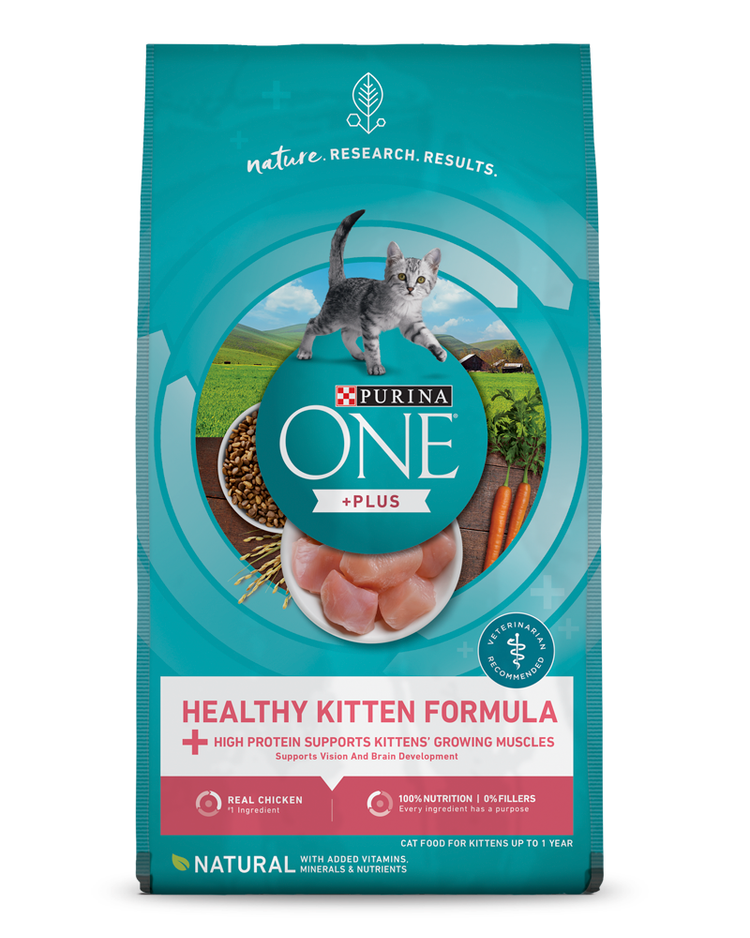
Credit: www.purina.com
Frequently Asked Questions
Is Adult Cat Food Safe For Kittens To Eat?
Adult cat food lacks essential nutrients needed for kitten growth. Feeding it exclusively can cause malnutrition and developmental issues. Kittens require higher protein, fat, and specific vitamins for healthy development, which adult formulas don’t provide. Always choose food labeled for kittens to ensure proper nutrition.
What Happens If Kittens Eat Adult Cat Food Regularly?
Regular consumption of adult cat food by kittens can stunt growth and weaken immunity. Kittens may develop nutrient deficiencies, poor bone development, and low energy. This food is designed for maintenance, not growth. For optimal health, feed age-appropriate kitten food during their first year.
Can Adult Cat Food Cause Digestive Issues In Kittens?
Yes, adult cat food can cause digestive upset in kittens. It often lacks the right balance of nutrients and fiber, leading to diarrhea or constipation. Kittens have sensitive digestive systems and need specially formulated food to promote proper digestion and nutrient absorption.
When Can Kittens Switch From Kitten To Adult Cat Food?
Kittens can transition to adult cat food around 12 months old. By this age, their growth rate slows, and nutritional needs change. Gradually switch over one week to avoid digestive issues. Consult your vet for the best timing based on your kitten’s breed and health.
Conclusion
Feeding adult cat food to kittens is not safe. Kittens need extra nutrients for growth. Adult food lacks these important nutrients. This can slow their development and cause health issues. Always choose food made especially for kittens. It supports their energy and bone growth.
Healthy kittens grow into strong adult cats. Protect their future by feeding the right food now. Small choices make a big difference in their life. Keep your kitten happy and healthy every day.



Leave a Reply