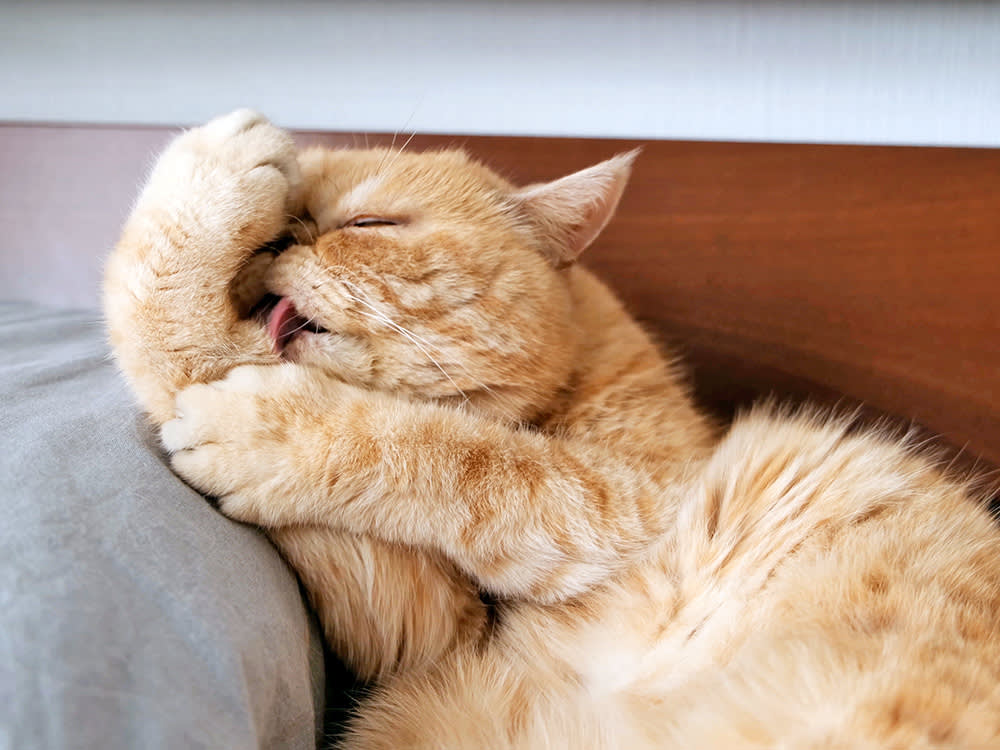
Have you noticed your cat suddenly stopping its usual grooming routine? It might seem like a small change, but it can tell you a lot about your furry friend’s health and happiness.
When a cat stops grooming itself, it’s often a sign that something is wrong. You want to understand why this is happening and what you can do to help. Keep reading to discover the common reasons behind this behavior and how you can support your cat’s well-being before small problems turn into big ones.
Normal Grooming Habits
Understanding your cat’s normal grooming habits is key to noticing when something might be wrong. Cats spend a good part of their day cleaning themselves, which is not just about looking good. Their grooming routine is a vital part of their health and well-being.
How Cats Groom Themselves
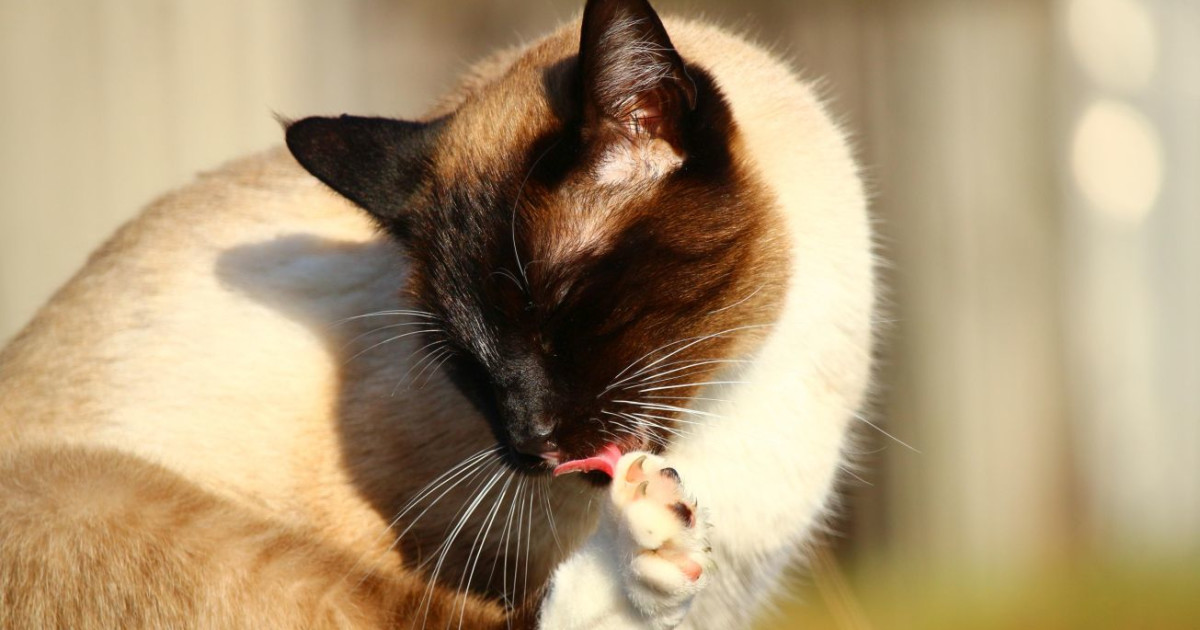
Cats use their tongues to groom, which have tiny, hook-like structures called papillae. These help remove loose fur, dirt, and parasites from their coats. You might notice your cat licking its fur in a very systematic way, starting from the head and moving toward the tail.
They also use their paws to clean hard-to-reach areas, moistening them with saliva before wiping their faces. Grooming is often a calming activity for cats and can be a sign of contentment. Have you ever watched your cat pause and look relaxed right after grooming?
Benefits Of Grooming
Grooming helps control shedding and keeps your cat’s coat free of mats and tangles. It also spreads natural oils across their fur, which keeps it shiny and waterproof. This natural process helps regulate body temperature and protects their skin from infections.
Besides physical benefits, grooming also plays a role in reducing stress and anxiety in cats. It can even help them bond with other cats or their human companions when they groom each other. Would you expect such a simple act to have such a strong impact on their mental health?
Credit: pethelpful.com
Health Issues Impacting Grooming
Health problems can directly affect your cat’s grooming habits. If your feline friend suddenly stops cleaning itself, it might be a sign of underlying issues. Understanding these health concerns helps you take quick action to support your cat’s wellbeing.
Skin Infections And Parasites
Skin infections can cause irritation and pain, making grooming uncomfortable for your cat. Parasites like fleas or mites lead to constant itching, which distracts your cat from its usual cleaning routine.
You might notice redness, hair loss, or scabs on your cat’s skin. These signs indicate that your pet needs a vet’s help to get relief and resume normal grooming habits.
Dental Problems
Dental pain can stop your cat from grooming because it hurts to open its mouth or lick its fur. Issues like tooth decay or gum disease reduce your cat’s motivation to clean itself.
If your cat drops food, has bad breath, or shows discomfort when you touch its mouth, consider a dental checkup. Addressing oral health can restore your cat’s grooming behavior quickly.
Arthritis And Mobility Issues
Older cats often develop arthritis, which makes bending and stretching painful. Limited mobility can prevent them from reaching certain areas to groom properly.
Watch for stiffness or reluctance to move in your cat. Providing gentle massages or consulting your vet about pain relief can help your cat feel comfortable enough to groom again.
Emotional And Behavioral Factors
Stress or anxiety can cause a cat to stop grooming itself. Changes in the environment or routine may affect its behavior. Emotional discomfort often shows through reduced self-care habits.
Emotional and behavioral factors can significantly impact a cat’s grooming habits. When a cat stops grooming itself, it might indicate an underlying emotional issue. Understanding these factors can help you address the problem and ensure your feline friend stays healthy and happy.Stress And Anxiety
Stress and anxiety can make a cat feel overwhelmed, leading them to neglect grooming. Have you recently introduced a new pet or rearranged furniture? Such changes can unsettle your cat, causing stress. Observing their body language and behavior can reveal if they are feeling anxious. A cat hiding more often or becoming unusually aggressive may be signs of stress. Providing a quiet space and maintaining a routine can help alleviate their anxiety. Also, consider using calming aids like pheromone diffusers to ease their stress.Depression In Cats
Cats, like humans, can experience depression. Loss of a companion, whether human or animal, can leave them feeling lonely and sad. During this time, a cat may stop grooming due to a lack of motivation. If your cat is less active, eating less, or seems withdrawn, they might be depressed. Spend more quality time with them, offering affection and playtime to lift their spirits. Ensuring they have engaging toys can also distract them from feelings of sadness.Changes In Environment
Changes in your cat’s environment can disrupt their grooming habits. Have you moved to a new home or changed their usual sleeping area? Such alterations can make them feel insecure or unsettled. Maintaining familiar objects like their favorite blanket or bed can provide comfort in new settings. Gradually introducing changes can help them adjust without feeling overwhelmed. Keep in mind that a stable environment supports their emotional well-being and grooming habits.
Credit: weareallaboutcats.com
Diet And Nutrition Effects
Diet and nutrition have a strong impact on a cat’s grooming habits. Poor nutrition can lead to a dull coat and skin problems. Cats need a balanced diet to keep their fur clean and healthy. When their diet lacks essential nutrients, grooming can become less frequent or stop altogether.
Nutritional Deficiencies
Missing key nutrients affects a cat’s energy and skin health. Deficiencies in proteins, fatty acids, or vitamins can cause dry, flaky skin. This makes grooming uncomfortable or painful. Cats may avoid grooming if their skin itches or hurts.
Protein supports fur growth and repair. Fatty acids keep the skin soft and hydrated. Vitamins like A and E help maintain healthy skin cells. Without these, cats may lose interest in grooming.
Food Allergies
Food allergies can cause skin irritation and inflammation. Cats with allergies may have itchy, red patches on their skin. This discomfort can stop them from grooming properly. Allergies often trigger excessive licking or scratching, which can worsen fur condition.
Common allergens include certain proteins or grains in cat food. Identifying and removing these foods can improve skin health. Better skin comfort encourages cats to groom themselves again.
Age-related Changes
As cats grow older, their grooming habits may change. Age-related changes can affect how often and how well a cat grooms itself. These changes might cause a cat to stop grooming or groom less frequently.
Senior Cats And Grooming
Older cats often face physical challenges. Joint pain or arthritis can make grooming painful or difficult. Their flexibility may reduce, limiting their reach to certain body areas. A senior cat might miss spots or skip grooming sessions. This can lead to matted fur, dirt buildup, and skin problems.
Energy levels drop with age. Grooming requires effort and time. A tired senior cat may choose rest over cleaning itself. Their fur can look dull or unkempt. Owners should check their senior cats regularly to help with grooming if needed.
Cognitive Decline
Some older cats experience cognitive decline similar to dementia in humans. This condition affects memory and behavior. A cat with cognitive decline may forget grooming routines or lose interest in self-care. Confusion and anxiety can reduce grooming motivation.
Signs of cognitive decline include:
- Disorientation in familiar places
- Less interaction with family or other pets
- Changes in sleeping patterns
- Neglecting grooming tasks
Recognizing cognitive decline early helps provide proper care. Regular vet visits are important for diagnosis and support. Special attention to grooming can improve an older cat’s comfort and health.
When To Consult A Veterinarian
Knowing when to see a veterinarian is vital if your cat stops grooming. Grooming is a natural behavior for cats. A sudden stop can mean a health issue. Early action can prevent serious problems. Watch your cat’s behavior closely. Seek professional help if changes last more than a day or two.
Warning Signs To Watch For
- Patchy fur or bald spots
- Red or irritated skin
- Visible wounds or sores
- Excessive scratching or biting
- Changes in eating or drinking habits
- Unusual lethargy or hiding
- Weight loss or gain
- Bad odor from skin or fur
These signs may point to infections, allergies, or pain. Do not ignore these symptoms. Immediate care helps your cat heal faster.
Diagnostic Tests
The vet may run tests to find the cause. Blood tests check for infections or organ issues. Skin scrapings help detect parasites or fungal infections. Allergy tests identify triggers causing irritation. X-rays or ultrasounds reveal internal problems. A thorough exam guides proper treatment. Accurate diagnosis is key to recovery.
Ways To Help Your Cat Groom
Helping your cat groom itself again is often about making small, thoughtful changes. Cats may stop grooming due to stress, health issues, or changes in their environment. You can support your cat by creating routines and conditions that encourage grooming naturally.
Regular Brushing
Brushing your cat regularly can stimulate grooming habits. It removes loose fur and dirt, making your cat feel cleaner and more comfortable.
Try different types of brushes to find one your cat likes. Some cats prefer soft bristles, while others enjoy firmer ones. Brushing also strengthens your bond and helps you spot skin problems early.
Creating A Calm Environment
Stress can cause your cat to stop grooming. Have you noticed if your cat grooms less after loud noises or visitors? Reducing stress with a quiet space can help your cat feel safe enough to groom again.
Use cozy hiding spots, play soothing music, or maintain a consistent routine. These small changes can make a big difference in your cat’s comfort level.
Dietary Adjustments
Your cat’s diet impacts its skin and coat health. Have you checked if your cat’s food has enough omega-3 fatty acids? Adding supplements or switching to a high-quality diet can improve fur condition, encouraging grooming.
Consult your vet before making changes. Sometimes, allergies or deficiencies cause your cat to stop grooming, and the right diet can address these issues effectively.

Credit: pennypaws.com
Frequently Asked Questions
Why Does My Cat Suddenly Stop Grooming Itself?
Cats may stop grooming due to illness, pain, or stress. Medical issues like arthritis or dental problems can cause discomfort. Behavioral changes or anxiety might also reduce grooming habits. Observing your cat’s overall behavior helps identify underlying causes and prompts timely veterinary consultation.
Can Health Problems Cause Cats To Stop Grooming?
Yes, health issues like skin infections, dental pain, or arthritis can hinder grooming. Illness weakens cats and makes self-care difficult. Early diagnosis and treatment improve recovery and restore normal grooming behavior. Regular vet check-ups help catch problems early.
How Does Stress Affect A Cat’s Grooming Habits?
Stress and anxiety can reduce a cat’s grooming frequency. Environmental changes, new pets, or loud noises trigger stress. Stressed cats may neglect grooming or over-groom certain areas. Providing a calm environment and reassurance encourages healthy grooming routines.
When Should I See A Vet For Grooming Changes?
If grooming stops suddenly or lasts more than a few days, see a vet. Accompanying signs like lethargy, weight loss, or skin issues need urgent attention. Early veterinary care prevents worsening conditions and supports your cat’s well-being.
Conclusion
Cats stop grooming for many reasons like illness, stress, or pain. Noticing this change helps protect their health. Watch your cat closely and act quickly if grooming stops. A vet visit can find problems early and ease your cat’s discomfort.
Healthy cats groom regularly, so this change is a clear signal. Caring for your cat means paying attention to small signs. Don’t wait—small issues can grow if ignored. Your cat depends on you for comfort and care.



Leave a Reply