
If you have a 6-month-old cat, you’re probably wondering whether it’s time to switch from kitten food to adult cat food. This is an important decision because what you feed your cat now can affect their growth, health, and energy levels.
You want to make sure your furry friend gets the right nutrition without risking any problems. Keep reading to find out when and how to make this change safely, so your cat stays happy and healthy every step of the way.
Nutritional Needs Of 6 Month Old Cats
Understanding the nutritional needs of your 6 month old cat is key before switching them to adult cat food. At this stage, your kitten is growing fast and requires specific nutrients to support that growth. Are you sure adult cat food meets those unique needs?
Growth Requirements
At six months, cats are still in a critical growth phase. Their bones, muscles, and organs continue developing rapidly. This means their diet should be rich in nutrients that support healthy growth, not just maintenance.
Unlike adult cats, kittens need food that promotes strong bone development and muscle formation. Feeding adult cat food too early might slow down this progress because it lacks some essential growth factors.
Energy And Protein Levels
Your 6 month old cat needs more energy than an adult cat. They are playful and active, burning a lot of calories daily. Kitten food typically contains higher calorie content to match this energy demand.
Protein is another critical nutrient. Kittens require higher protein levels to build tissues and maintain their immune system. Adult cat food usually has less protein, which might not be enough for your growing cat.
Essential Vitamins And Minerals
Vitamins like A, E, and D play vital roles in your kitten’s development. Minerals such as calcium and phosphorus are crucial for strong bones and teeth. Kitten formulas include these in precise amounts tailored to growth needs.
Adult cat food often has lower levels of these vitamins and minerals. Feeding it too early can lead to deficiencies that affect your cat’s health long-term. Have you checked the nutritional labels to compare these key nutrients?
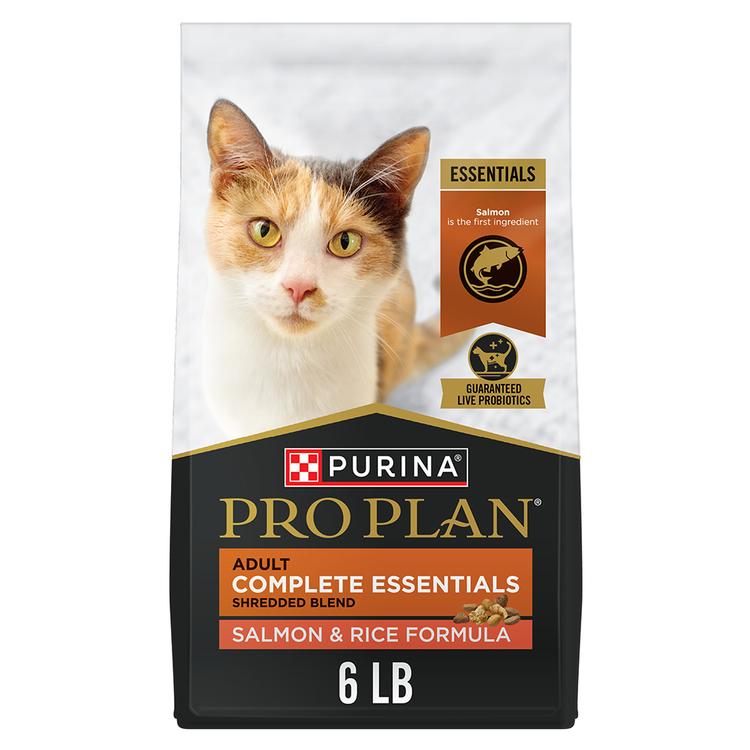
Credit: www.purina.com
Differences Between Kitten And Adult Cat Food
Kitten food and adult cat food serve different needs. Kittens grow fast and need more energy and nutrients. Adult cats require balanced nutrition to maintain health without gaining weight. Understanding these differences helps in choosing the right food for your cat’s stage of life.
Caloric Content Comparison
Kitten food has more calories to support rapid growth. It provides extra energy for play and learning. Adult cat food contains fewer calories to prevent obesity. Feeding adult food to kittens may slow their growth.
Ingredient Variations
Kitten food includes higher protein and fat levels. These nutrients support muscle and brain development. Adult food focuses on maintaining muscle mass and healthy weight. It usually has more fiber and fewer fats.
Portion Size Considerations
Kittens eat smaller, frequent meals throughout the day. Their small stomachs need regular feeding to stay energized. Adult cats eat larger meals less often. Portion size depends on the cat’s age, weight, and activity level.
Risks Of Feeding Adult Food Too Early
Feeding adult cat food to a 6-month-old kitten might seem harmless, but it carries real risks. Your kitten’s body is still growing and needs specific nutrients that adult food doesn’t provide. Ignoring these needs can lead to serious problems that may affect your cat’s health for life.
Nutritional Deficiencies
Adult cat food lacks the right balance of proteins, fats, and vitamins that a growing kitten requires. Kittens need more calories and certain nutrients like taurine and calcium to support their rapid development.
If you switch too early, your cat might not get enough nutrients, leading to weak muscles and poor bone growth. Have you noticed your kitten seeming less energetic or smaller than other cats of the same age? This could be a sign of nutritional gaps.
Impact On Growth And Development
Kittens grow fast, and their diet needs to match that pace. Adult food is formulated for maintenance, not growth, which means it can slow down your kitten’s physical development.
Feeding adult food too soon might stunt their size or cause improper organ development. You want your cat to be strong and healthy, not just surviving on a less suitable diet.
Potential Health Issues
Switching to adult food too early can lead to health problems like obesity or digestive troubles. Adult food is often denser, which can overwhelm your kitten’s still-developing digestive system.
Long-term, this can lead to issues like kidney strain or nutrient imbalances. Would you risk your cat’s future health just to save a bit of money on food today?

Credit: www.amazon.com
When To Transition To Adult Cat Food
Knowing the right time to switch your 6-month-old cat from kitten food to adult cat food is essential for their health and growth. This transition isn’t just about age; it’s about your cat’s development and nutritional needs. Paying close attention to specific signs and guidelines can make this change smooth and beneficial for your feline friend.
Signs Of Maturity
Your cat’s behavior and physical development offer clear clues. Look for a steady adult weight or a slower growth rate compared to their kitten months. You might notice that their energy levels become more consistent and less hyperactive.
Also, their teeth should be fully developed, and their coat may start to look sleeker than the fluffy kitten fur. These changes often indicate they are ready for adult food, which supports maintenance rather than rapid growth.
Recommended Age Guidelines
Most vets suggest switching to adult cat food between 9 to 12 months, but some cats can transition earlier or later depending on breed and size. Large breeds may need kitten food longer, while smaller breeds can switch sooner.
If your cat is 6 months old and showing signs of maturity, you might consider starting the transition soon. Always check with your vet to tailor the timing to your cat’s specific needs.
Gradual Switching Tips
Sudden changes in diet can upset your cat’s stomach and cause refusal to eat. Start by mixing 25% adult food with 75% kitten food for a few days. Gradually increase the adult food portion over two weeks until you reach 100% adult food.
Watch for any digestive issues like vomiting or diarrhea and slow down the transition if needed. This gradual approach helps your cat adjust to new nutrients and flavors without stress.
Expert Tips For Feeding 6 Month Old Cats
Six-month-old cats can start eating adult cat food, but choose formulas made for their energy needs. Gradually switch to avoid stomach upset and ensure balanced nutrition for growth.
Feeding your 6-month-old cat can be a delightful experience, but it also comes with its share of questions, especially when deciding if they can transition to adult cat food. At this age, your cat is at a crucial developmental stage, where their dietary needs are evolving. It’s essential to ensure they receive the right nutrients to support their growth, energy levels, and overall health. Here are some expert tips to guide you through this important phase.Consulting A Veterinarian
Before making any changes to your kitten’s diet, it’s wise to have a conversation with your veterinarian. They can offer personalized advice based on your cat’s breed, weight, and health status. Your vet can also help you understand if your kitten is ready for adult cat food or if they need to continue with a kitten-specific diet for a little longer.Monitoring Weight And Health
Keeping an eye on your cat’s weight and health is vital during this transition. Regular weigh-ins can help you track their growth and ensure they’re not gaining or losing weight too rapidly. Watch for signs of lethargy, changes in coat quality, or digestive issues, which could indicate dietary imbalances.Balancing Diet With Treats And Supplements
While it’s tempting to spoil your kitten with treats, moderation is key. Too many treats can unbalance their diet and lead to health issues. Consider using treats as occasional rewards and explore supplements if recommended by your vet to fill any nutritional gaps in your kitten’s diet. Feeding your young cat correctly can set the foundation for a long and healthy life. Have you ever wondered how your feeding choices today will impact your cat’s future health? Making informed decisions now can make all the difference.
Credit: www.amazon.com
Frequently Asked Questions
Can 6 Month Old Cats Eat Adult Cat Food?
Yes, 6 month old cats can start eating adult cat food. At this age, they begin transitioning from kitten to adult nutrition. However, ensure the food is high-quality and meets their dietary needs for healthy growth and energy.
When Should I Switch My Kitten To Adult Cat Food?
Switch your kitten to adult cat food around 6 to 12 months old. This timing supports their maturing metabolism and nutritional requirements. Consult your vet for personalized advice based on your cat’s breed and health.
Is Adult Cat Food Safe For A 6 Month Old Kitten?
Adult cat food is generally safe for 6 month old kittens if they show no health issues. It’s important to monitor their growth and energy levels. Choose food with balanced protein and essential nutrients suitable for young cats.
What Are The Risks Of Feeding Adult Food Too Early?
Feeding adult food too early can lead to nutrient deficiencies. Kittens need higher protein, fat, and calories for development. Early adult food may slow growth or affect immune health. Always transition gradually under veterinary guidance.
Conclusion
Six-month-old cats can start eating adult cat food carefully. Their bodies grow fast and need more nutrients. Adult food has the right balance for their changing needs. Still, watch your cat’s health and weight closely. If you see any problems, talk to a vet.
Changing food slowly helps avoid stomach upset. Feeding the right food supports strong bones and energy. Choose quality food made for cats’ health. Healthy eating now helps your cat live a long, happy life.



Leave a Reply