If you’ve just discovered fleas on your cat, you’re probably wondering, “Will a groomer groom my cat if she has fleas?” It’s a common concern because you want your furry friend to be clean and comfortable, but you also don’t want to risk spreading those pesky parasites. Understanding how groomers handle this situation can save you time, stress, and maybe even some money.
Keep reading to find out what you need to know before booking that grooming appointment and how to make sure your cat stays happy and flea-free.
Groomers’ Policies On Flea-infested Cats
Groomers often have strict rules about cats with fleas. These policies protect both the animals and the grooming staff. Fleas can spread quickly in grooming salons. Many groomers refuse to work on cats with active flea infestations. Understanding their reasons helps pet owners prepare better for grooming appointments.
Common Reasons For Refusal
- Fleas cause discomfort and stress to cats during grooming.
- Infested cats can spread fleas to other animals in the salon.
- Extra cleaning is needed after grooming a flea-infested cat.
- Some groomers lack products or training for flea treatment.
- Flea infestations may hide other skin or health problems.
Health Risks To Groomers And Other Pets
Fleas can bite groomers, causing itching and allergic reactions. Groomers risk bringing fleas home or to other pets. Fleas carry diseases that affect cats and humans. Pets waiting for grooming may catch fleas easily. Groomers aim to keep their work environment safe and clean.

Credit: www.latimes.com
Signs Of Fleas To Watch For
Noticing fleas on your cat early can save a lot of stress for both you and your pet. Fleas don’t always make themselves obvious right away, so knowing what signs to watch for is key. Let’s look at how you can spot fleas before your groomer does—and what to do if you see any.
Physical Symptoms In Cats
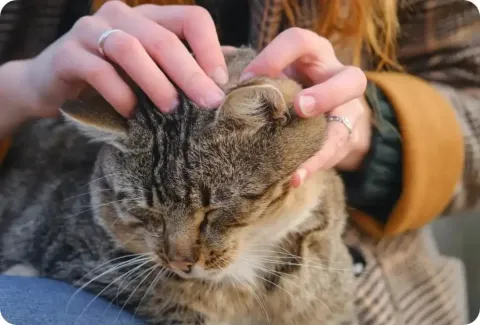
Fleas often cause visible signs on your cat’s body. You might see small black specks, which are flea dirt, especially around the neck and tail area. Red bumps or irritated skin can also appear, showing where fleas have bitten.
Hair loss and excessive scratching can lead to bald patches or scabs. If your cat has a dull coat or patches of fur missing, it could be a sign fleas are at work. Have you checked your cat’s skin closely lately?
Behavioral Changes
Fleas don’t just irritate your cat’s skin; they affect how your pet acts. You might notice your cat scratching or biting more than usual, sometimes even obsessively. Restlessness and discomfort can also be signs, as fleas make it hard for cats to relax.
Does your cat seem more anxious or agitated? Fleas can cause this because of the constant itching and irritation. Paying attention to these behavior shifts can help you catch a flea problem early, before it gets worse.
Preparing Your Cat Before Grooming
Cats with fleas usually cannot be groomed until the fleas are treated. Preparing your cat by checking for pests helps ensure a safe grooming session. Flea control keeps both your cat and groomer comfortable and healthy.
Preparing your cat before grooming is essential, especially if fleas are involved. A well-prepared feline not only makes the grooming process smoother but also ensures your cat’s health and comfort. Let’s explore some practical steps you can take to ready your cat for a visit to the groomer.Flea Treatment Options
Before setting up a grooming appointment, you should address the flea issue. Fleas can cause discomfort and even lead to skin infections if left untreated. Consider using flea treatments available in various forms: – Topical treatments: These are applied directly to your cat’s skin, usually between the shoulder blades. They are easy to apply and provide effective protection against fleas. – Oral medications: These pills work from the inside out, providing long-lasting protection. They are often favored for their convenience and efficacy. – Flea collars: Offering continuous protection, flea collars are a hassle-free option to keep fleas at bay. Look for collars that provide both flea and tick prevention. Consult your vet to choose the best option based on your cat’s health and lifestyle. Ensuring your cat is flea-free before grooming not only benefits your pet but also the groomer.Bathing And Cleaning Tips
Once you’ve addressed the flea problem, it’s time for a good bath. Bathing helps remove dirt, loose fur, and any remaining flea residue. – Choose a cat-friendly shampoo: Ensure the shampoo is specifically designed for cats. Human or dog shampoos can irritate your cat’s sensitive skin. – Use lukewarm water: Cats can be sensitive to temperature changes, so make sure the water is just right. Test the water temperature on your wrist before starting. – Be gentle but thorough: Cats often dislike water, so take your time and comfort your pet during the process. Focus on areas where fleas may hide, like behind the ears and under the belly. After the bath, dry your cat thoroughly with a towel. If your cat tolerates it, you can use a low-heat hairdryer to speed up the process. Preparing your cat for grooming not only makes them look good but also ensures their health and well-being. Have you ever tried grooming your cat at home? Share your experiences below!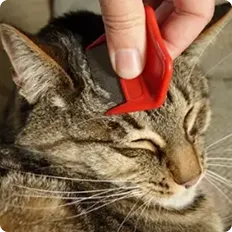
Credit: nexgardforpets.com
Finding Groomers Who Accept Cats With Fleas
Finding groomers who accept cats with fleas can be challenging. Many groomers avoid treating cats with fleas to prevent spreading pests. Some grooming salons specialize in handling cats with skin or pest issues. Knowing where to search and how to communicate helps secure the right care for your cat.
Specialized Grooming Services
Specialized groomers have experience with cats that have fleas. They use safe treatments to protect your cat and their facility. These groomers often:
- Provide flea baths with gentle, effective shampoos
- Isolate cats to prevent flea transfer
- Offer flea prevention advice post-grooming
- Use flea combs to remove pests carefully
Choosing a groomer with these services reduces stress for your cat. It also lowers the risk of flea spread to other animals.
Communicating With Groomers
Be honest about your cat’s flea problem when contacting groomers. Ask about their policies on treating cats with fleas. Important questions to ask include:
- Do you accept cats with fleas?
- What flea treatments do you use?
- How do you prevent flea spread in your salon?
- Are there extra fees for flea treatments?
Clear communication builds trust. It ensures your cat receives proper care without surprises.
Alternatives To Professional Grooming
Some cat owners prefer to care for their pets at home, especially if fleas are an issue. Professional groomers might refuse service if fleas are present. Knowing alternatives helps keep your cat clean and flea-free without stress. Home grooming offers control and comfort for both you and your cat.
At-home Grooming Techniques
Start by brushing your cat gently to remove loose fur and dirt. Use a fine-toothed flea comb to catch fleas and flea dirt. Focus on the neck, tail base, and behind ears—common flea hiding spots.
Regular baths with mild cat shampoo can reduce fleas and soothe skin. Use lukewarm water and keep the cat calm to avoid stress. Dry your cat thoroughly with a towel after the bath.
- Brush daily to prevent matting and spot fleas early.
- Check your cat’s skin for redness or irritation.
- Keep the cat’s environment clean by washing bedding often.
Using Flea Control Products Safely
Choose flea treatments designed for cats only; dog products can be harmful. Follow the instructions carefully for dosage and application. Spot-on treatments, oral pills, and flea collars are common options.
Consult your vet before starting any flea control product. Some cats have allergies or health issues that affect product choice. Monitor your cat after treatment for any side effects.
- Apply treatments on a dry, clean coat.
- Avoid bathing your cat right after applying spot-on products.
- Keep your cat indoors during flea treatment.
Credit: www.squeakycleangrooming.com
Preventing Future Flea Infestations
Preventing future flea infestations is key to keeping your cat comfortable and your home clean. Fleas can quickly become a recurring problem if you don’t take the right steps. You want to protect your cat from discomfort and avoid costly treatments down the line.
Regular Flea Prevention Plans
Using flea prevention treatments regularly is essential. Many products are available, from topical drops to oral medications. Choose one that suits your cat’s health and lifestyle.
Applying these treatments consistently, even when you don’t see fleas, helps stop infestations before they start. Have you noticed how skipping a dose can invite a fresh flea invasion? Staying on schedule is crucial.
Talk to your vet about the best options. Some cats react differently to certain products, so professional advice can save you headaches. Don’t forget to check expiration dates and product instructions carefully.
Environmental Control Measures
Fleas don’t just live on your cat—they thrive in your home too. Vacuum carpets, rugs, and furniture regularly to remove flea eggs and larvae. Washing your cat’s bedding and your own linens in hot water can reduce flea populations significantly.
Consider using environmental sprays or foggers designed to kill fleas and their eggs. However, always verify these products are safe for pets and follow the guidelines strictly. Your living space plays a huge role in preventing re-infestations.
Have you tried isolating flea-prone areas and treating them intensively? This approach often works better than random spot treatments. Remember, flea control is a team effort between you, your cat, and your home.
Frequently Asked Questions
Will A Groomer Groom My Cat With Fleas?
Most groomers avoid grooming cats with active flea infestations. They prioritize hygiene and safety to prevent spreading fleas. You should treat your cat for fleas before visiting a groomer. Some groomers may offer flea treatment services or recommend vets.
How Do Groomers Handle Cats With Fleas?
Groomers typically inspect your cat for fleas before grooming. If fleas are found, they may refuse service or suggest flea treatment first. Some groomers use flea shampoos or treatments but usually only after flea control is confirmed. Prevention is key to avoid grooming delays.
Can Grooming Help Remove Fleas From My Cat?
Grooming can help remove some fleas and debris but won’t eliminate infestations. Flea combing during grooming can reduce flea numbers but doesn’t replace proper flea treatment. Use vet-recommended flea medications alongside grooming for effective flea control.
Should I Treat My Cat For Fleas Before Grooming?
Yes, always treat your cat for fleas before grooming. Flea treatment ensures a safe and comfortable grooming session. Untreated fleas can spread to other animals and surfaces in the grooming salon. Consult your vet for the best flea control products.
Conclusion
Groomers usually check for fleas before starting. Many will not groom a cat with fleas to protect other pets. Treating your cat for fleas first helps ensure a safe grooming visit. Communicate clearly with your groomer about your cat’s condition.
Proper flea control keeps your cat healthy and comfortable. Regular grooming supports your cat’s well-being. Remember, a flea-free cat gets better grooming care. Taking these steps makes grooming easier and safer for everyone.



Leave a Reply