Is your cat spending more time grooming than usual? Excessive grooming can lead to sore spots, hair loss, and discomfort for your furry friend.
You might be wondering why your cat is doing this and, more importantly, how you can help stop it. You’ll discover simple, effective ways to understand your cat’s behavior and put an end to excessive grooming before it causes harm.
Keep reading to learn how to bring comfort back to your pet’s life—and peace back to your home.
Causes Of Excessive Grooming
Excessive grooming in cats can be puzzling and concerning for any cat owner. Understanding the root causes helps you address the problem effectively. Grooming is normal, but when it becomes obsessive, it signals that something is wrong.
Stress And Anxiety
Cats often groom themselves more when they feel stressed or anxious. Changes in their environment, like moving to a new home or the arrival of another pet, can trigger this behavior. Have you noticed your cat licking or biting more after a stressful event? This could be their way of coping.
Skin Conditions
Skin irritations such as dry skin, wounds, or rashes can cause your cat to groom excessively. Sometimes, a small injury or parasite bite leads to persistent licking. Checking your cat’s skin carefully can reveal if there’s a physical cause behind the behavior.
Allergies
Allergies, whether to food, pollen, or household chemicals, can make your cat’s skin itchy and uncomfortable. This often leads to over-grooming as they try to soothe the irritation. Noticing redness or hair loss in specific spots might indicate an allergic reaction.
Parasites And Infections
Fleas, mites, and other parasites are common culprits behind excessive grooming. These pests cause itching, prompting your cat to lick or bite their skin repeatedly. If your cat scratches or grooms a particular area non-stop, a parasite check is essential.
Behavioral Issues
Sometimes, over-grooming is a sign of underlying behavioral problems. Cats can develop compulsive grooming habits due to boredom or lack of stimulation. Could your cat be grooming more simply because they need more playtime or mental engagement?
Identifying Symptoms
Watch for bald spots, redness, or sores on your cat’s skin. Notice if your cat licks or bites itself more than usual. These signs may show your cat is grooming too much.
Excessive grooming in cats can be a sign of underlying issues that need attention. Identifying the symptoms early can make all the difference in helping your furry friend. You’ll notice distinct signs if your cat is grooming more than usual, and understanding these can lead to effective solutions.Bald Patches And Hair Loss
Look closely at your cat’s coat. Are there areas where fur seems thinner or completely gone? Bald patches are often the first visible sign of excessive grooming. This can happen when your cat licks the same spot repeatedly, pulling out fur.Redness And Irritation
Check for redness or irritation on your cat’s skin. These could be signs of inflammation due to constant licking. Does the skin look sore or sensitive to touch? This can indicate that your cat’s grooming is causing discomfort, rather than relief.Changes In Behavior
Has your cat’s behavior shifted? Perhaps they’re more withdrawn or irritable. These changes can be subtle but significant. They might be grooming excessively due to stress or anxiety, impacting their overall demeanor.Licking And Biting Patterns
Observe your cat’s grooming habits. Are they focusing on specific areas or biting at their skin? These patterns can reveal what might be bothering them, whether it’s an itch or an underlying stressor. Identifying these patterns can guide you in addressing the root cause effectively. Recognizing these symptoms is the first step in helping your cat lead a happier, healthier life. Have you noticed any of these signs in your own feline friend? It might be time to take action and consult with a vet.Veterinary Diagnosis
Understanding why your cat is grooming excessively is crucial before you can help stop it. A veterinary diagnosis is often the first and most important step in identifying the root cause of this behavior. Your vet will perform several tests and examinations to pinpoint any underlying health issues, ensuring your cat receives the right treatment.
Physical Examination
The vet will start with a thorough physical exam, checking your cat’s skin, coat, and overall body condition. They look for signs like redness, hair loss, or wounds that might explain the excessive grooming. This hands-on approach helps spot visible problems that might be causing your cat discomfort.
Have you noticed if your cat is grooming a specific area more than others? Sharing this with the vet can guide the exam and save time.
Allergy Testing
Allergies are a common cause of skin irritation leading to over-grooming. Your vet might suggest allergy testing to identify whether environmental factors, food, or flea bites are triggering your cat’s symptoms. These tests can involve blood work or skin prick tests, depending on your cat’s condition.
Think about recent changes in your cat’s environment or diet—sometimes the smallest change can cause big reactions.
Skin Scrapings And Cultures
To rule out infections or parasites, the vet may take skin scrapings or swabs. These samples are examined under a microscope or cultured to detect bacteria, fungi, or mites. This step is key because infections often require specific treatments to stop the itching and grooming cycle.
Even if you don’t see obvious signs of parasites, these tests can uncover hidden problems.
Blood Tests
Blood tests provide a broader look at your cat’s health and can identify systemic issues like hormonal imbalances or immune disorders. These conditions might not be visible but can cause your cat to groom excessively. Blood work helps your vet rule out or confirm these possibilities.
Have you ever thought that your cat’s grooming could be linked to something beyond the skin? Blood tests might reveal surprising insights.
Home Care Strategies
Excessive grooming in cats can signal stress, boredom, or health issues. Home care strategies help manage this behavior effectively. Creating a calm, enriched, and healthy environment supports your cat’s well-being. These simple steps reduce grooming problems and improve your cat’s comfort.
Stress Reduction Techniques
Stress often triggers over-grooming in cats. Quiet spaces with soft bedding help cats feel safe. Use pheromone diffusers to calm their nerves. Maintain a regular daily routine for feeding and playtime. Gentle interaction and avoiding loud noises reduce anxiety. Recognize signs of stress like hiding or restlessness.
Environmental Enrichment
Boredom leads to excessive grooming. Provide toys that encourage hunting and chasing. Rotate toys regularly to keep interest high. Create vertical spaces like cat trees or shelves for climbing. Offer scratching posts to satisfy natural instincts. Spend time playing to stimulate your cat’s mind and body.
Proper Nutrition
Nutrition impacts your cat’s skin and coat health. Feed high-quality food with essential fatty acids. Omega-3 and omega-6 support healthy skin and reduce irritation. Avoid sudden diet changes that can upset digestion. Fresh water must always be available. Consult a vet for dietary advice tailored to your cat.
Regular Grooming
Regular brushing removes loose fur and dirt. This reduces the urge to groom excessively. Use a brush suitable for your cat’s fur type. Grooming sessions also strengthen your bond with your cat. Check skin regularly for redness or bumps. If problems persist, seek veterinary advice promptly.
Medical Treatments
Medical treatments play a key role in stopping excessive grooming in cats. This behavior often signals underlying health issues. Treating the root cause helps reduce discomfort and stress. Vets usually suggest specific medications and therapies based on the cat’s condition. Proper treatment improves your cat’s quality of life and restores healthy grooming habits.
Medications For Skin Issues
Skin problems cause itching and irritation. Vets prescribe antihistamines, corticosteroids, or antibiotics to ease symptoms. These medicines reduce inflammation and infection. They help stop the cat from licking and biting the skin. Treatment duration depends on the severity of the condition.
Anti-anxiety Medications
Stress and anxiety often trigger over-grooming. Vets may recommend anti-anxiety drugs to calm your cat. These medicines balance brain chemicals and reduce nervous behavior. They make your cat feel relaxed and less likely to groom excessively. Always follow the vet’s dosage instructions carefully.
Flea And Parasite Control
Fleas and parasites cause extreme itching. Using flea control products is essential to stop grooming. Options include spot-on treatments, collars, and oral medications. Effective parasite control breaks the itch-scratch cycle. Regular treatment prevents re-infestation and keeps your cat comfortable.
Topical Treatments
Topical creams and sprays soothe irritated skin. These treatments often contain anti-inflammatory or antimicrobial ingredients. They provide quick relief from itching and redness. Applying as directed helps heal wounds and prevents further damage. Choose vet-approved products for safe use on cats.
:strip_icc()/spruce-pets-cat-bathroom-7b6ae6d8f3d940b9a82141be03734144.png)
Credit: www.thesprucepets.com
Behavioral Training
Behavioral training plays a key role in stopping excessive grooming in cats. It helps change their focus and builds new habits. Training requires patience and consistency. Cats respond well to gentle guidance and positive signals. This section explains simple ways to use behavioral training effectively.
Redirecting Attention
Distract your cat from grooming by offering something else to focus on. Use gentle sounds or movements to catch their eye. Moving away from the grooming spot can help too. Try to guide them towards more engaging activities.
Using Toys And Playtime
Provide toys that stimulate your cat’s mind and body. Playtime can reduce stress, which often causes grooming. Use interactive toys like feather wands or laser pointers. Short, frequent sessions keep your cat interested and tired out.
Positive Reinforcement
Reward your cat for stopping grooming or playing nicely. Use treats, praise, or petting as rewards. This helps your cat link good behavior with positive outcomes. Consistent rewards encourage them to repeat the behavior.
Avoiding Punishment
Never punish your cat for grooming. Punishment causes fear and stress. It may make grooming worse or create other problems. Focus on calm and gentle methods instead. Positive guidance works better for lasting change.
Preventing Recurrence
Stopping your cat’s excessive grooming is just the first step. Preventing it from coming back requires ongoing attention to your cat’s health and environment. You want to make sure your furry friend stays comfortable, happy, and stress-free over time.
Routine Health Checks
Regular visits to the vet are crucial. Even if your cat seems fine, underlying issues like allergies or skin infections can trigger excessive grooming. Scheduling health checks every six months helps catch problems early before they escalate.
Keep a close eye on your cat’s skin and coat between visits. Look for redness, bumps, or bald patches. These signs often hint at discomfort your cat might try to soothe through grooming.
Maintaining A Calm Environment
Stress often drives cats to over-groom. Creating a peaceful space can reduce their anxiety significantly. Consider quiet corners, soft bedding, and hiding spots where your cat can retreat.
Think about what makes your cat uneasy. New pets, loud noises, or changes in routine might be triggers. How can you adjust your home to feel safer and more predictable for your cat?
Consistent Care And Monitoring
Consistency is key. Brush your cat regularly and provide plenty of playtime to keep them engaged and distracted from grooming urges. Watching for changes in behavior helps you catch issues early.
Make notes on your cat’s habits. Does grooming spike after certain events or times of day? Tracking these patterns lets you act before the behavior worsens. How often do you check in on your cat’s grooming habits?
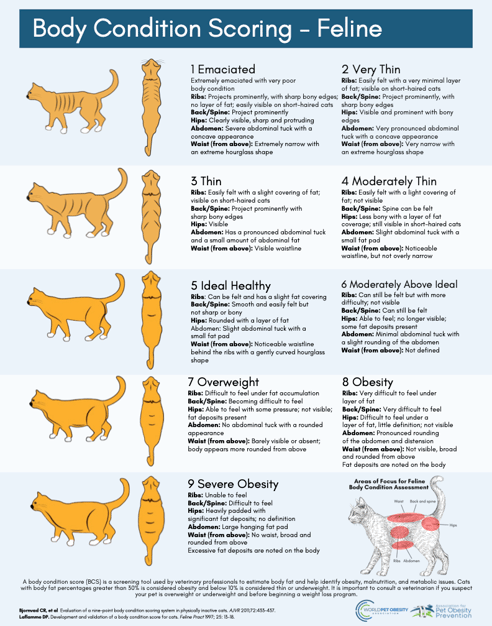
Credit: www.preventivevet.com
:strip_icc()/the-kitty-1011094438-5c3d1af5c9e77c00015e66a6.jpg)
Credit: www.thesprucepets.com
Frequently Asked Questions
What Causes Excessive Grooming In Cats?
Excessive grooming in cats can be due to stress, allergies, parasites, or skin infections. Identifying the cause helps in effective treatment and prevention.
How Can I Reduce My Cat’s Stress To Stop Grooming?
Create a calm environment, provide toys, and maintain a routine. Reducing stress lowers the chances of excessive grooming in cats.
When Should I See A Vet For My Cat’s Grooming?
Visit a vet if grooming leads to bald patches, sores, or if behavior changes. Early diagnosis ensures proper care and treatment.
Can Diet Changes Help Stop Excessive Grooming?
Yes, improving diet with hypoallergenic or nutrient-rich food can reduce skin problems causing grooming. Consult a vet before changing your cat’s diet.
Conclusion
Excessive grooming can hurt your cat’s skin and health. Watch your cat closely for signs of stress or allergies. Keep your cat’s environment calm and clean. Provide toys and attention to reduce boredom. Consult a vet if grooming stays extreme or worsens.
Small changes can help your cat feel better fast. Your care makes a big difference in their well-being. Stay patient and consistent to see good results soon.



Leave a Reply