Have you noticed your older cat isn’t grooming like it used to? It’s natural to wonder why your furry friend suddenly stops keeping clean.
When your cat neglects grooming, it can signal more than just a lazy day—it might affect their health and happiness. Understanding why old cats don’t groom can help you spot problems early and keep your pet comfortable. Keep reading to discover the surprising reasons behind this change and what you can do to help your beloved companion feel their best.
Changes In Cat Grooming Habits
Noticing your older cat grooming less can be worrying. Changes in grooming habits often signal shifts in your cat’s health or comfort. Understanding what normal grooming looks like and how aging impacts it can help you support your furry friend better.
Normal Grooming Behaviors In Cats
Cats are naturally clean animals. They spend up to 50% of their waking hours grooming themselves to keep their fur clean and free of parasites.
Grooming involves licking their fur, cleaning their face with paws, and even nibbling to remove loose hair. This behavior also helps regulate body temperature and reduce stress.
Have you noticed how your cat’s grooming routine matches their mood? When they feel anxious, they often groom more, and when they are relaxed, grooming is steady and calm.
How Aging Affects Grooming
As cats age, their grooming habits often change. Arthritis or dental problems can make grooming painful or difficult. Older cats may skip hard-to-reach areas, leading to matted fur or skin issues.
Reduced flexibility and loss of strength can make the grooming process tiring. Sometimes, your cat might simply lack the energy to keep up with their usual routine.
Is your senior cat grooming less because of discomfort? Observing changes closely can help you identify if a vet visit is needed. You might need to step in with gentle brushing or spot cleaning to keep them comfortable.
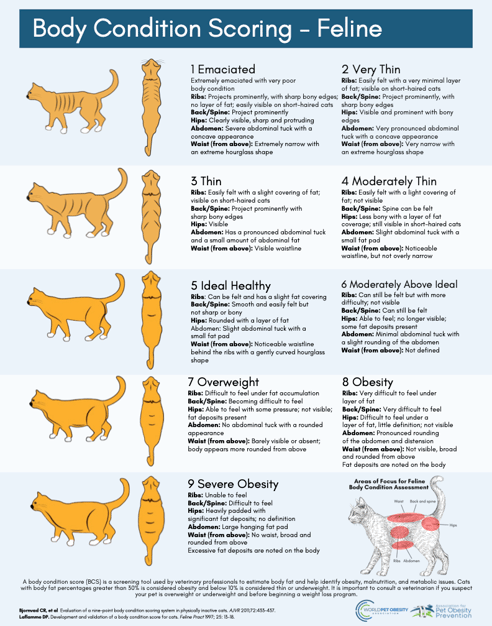
Credit: www.preventivevet.com
Health Issues Impacting Grooming
As cats age, their grooming habits often change, and health issues play a major role in this shift. Grooming is a physically demanding task that requires flexibility, strength, and comfort. When health problems arise, your cat may struggle to maintain their usual cleanliness.
Arthritis And Mobility Problems
Arthritis is common in older cats and can make simple movements painful. When your cat’s joints ache, reaching certain areas to groom becomes a challenge. You might notice patches of fur that look untidy or matted because your cat avoids stretching or bending to clean those spots.
Have you observed your cat licking less or avoiding certain grooming positions? This could signal mobility issues that need veterinary attention.
Dental Pain And Oral Health
Dental problems can cause significant discomfort, making grooming painful or unpleasant. Your cat might hesitate to lick areas near their mouth or struggle with the repetitive tongue movements needed for grooming.
Bad breath, drooling, or reluctance to eat hard food might also hint at oral health issues affecting grooming. Regular dental check-ups can help keep your cat comfortable and clean.
Skin Conditions And Parasites
Skin irritations, allergies, or parasites like fleas can make grooming uncomfortable or even painful. Your cat might stop grooming to avoid aggravating itchy or sore spots.
Watch for excessive scratching, redness, or hair loss as signs your cat’s skin health is compromised. Treating these conditions promptly can encourage your cat to resume grooming.
Chronic Illnesses Influencing Grooming
Diseases such as kidney failure, diabetes, or hyperthyroidism can sap your cat’s energy and motivation to groom. When your cat feels weak or unwell, grooming may take a backseat to more pressing health concerns.
Have you noticed a sudden drop in your cat’s grooming habits alongside other symptoms like weight loss or increased thirst? These signs deserve a vet’s attention to manage underlying illnesses effectively.
Behavioral And Emotional Factors
Understanding why old cats might stop grooming themselves involves looking beyond physical health. Behavioral and emotional factors play a significant role in this change. These shifts can affect their willingness or ability to groom, impacting their overall well-being.
Stress And Anxiety Effects
Stress and anxiety can profoundly affect your cat’s grooming habits. Changes in their environment, like a new pet or moving house, can trigger these feelings. When stressed, cats may neglect grooming, leading to a matted coat and discomfort.
Consider how you feel when overwhelmed—often, basic tasks become challenging. Similarly, your cat might feel too anxious to maintain their usual grooming routine. Reducing stressors and creating a calm environment can encourage better grooming behavior.
Cognitive Decline In Senior Cats
Cognitive decline is another critical factor that might affect an older cat’s grooming habits. As cats age, they can experience a decline in mental function, similar to dementia in humans. This decline can make them forget their grooming rituals or confuse them.
Imagine an elderly relative who forgets daily tasks; your cat might be experiencing something similar. Keeping a consistent routine and using gentle reminders, like petting with a grooming glove, can help maintain grooming habits. Have you noticed any signs of cognitive decline in your furry friend?
Addressing these behavioral and emotional factors can significantly improve your cat’s quality of life. Paying attention to their emotional state can lead to better grooming and a happier, healthier cat.
Environmental Influences
Environmental factors play a big role in why older cats may stop grooming themselves. Changes in their surroundings can affect their comfort and motivation to keep clean. Understanding these influences can help you create a better space for your aging feline friend.
Changes In Living Space
Older cats often become less active when their living space changes. Moving to a new home or rearranging furniture can stress them out, making grooming feel less important. You might notice your cat hiding more or avoiding familiar spots where they used to groom regularly.
Think about how your cat’s favorite resting places have changed. Is their bed still cozy and easy to reach? If not, they might skip grooming because it takes too much effort. Small adjustments, like placing soft blankets in quiet corners, can encourage them to relax and groom again.
Impact Of Temperature And Weather
Temperature shifts can affect your cat’s grooming habits significantly. When it’s cold, older cats might curl up to conserve heat instead of licking themselves. On the other hand, very hot weather can make them less active and less interested in grooming.
Have you noticed your cat grooming less during chilly or humid days? This drop in grooming might be their way of coping with discomfort. Providing a warm, draft-free spot or a cool, shaded area can help your cat feel more comfortable and boost their grooming behavior.
Signs Your Cat Needs Grooming Help
Recognizing when your older cat needs grooming help can make a big difference in their health and happiness. As cats age, they might struggle to keep themselves clean, and you could miss the signs if you’re not paying close attention. Knowing what to look for helps you step in before small issues turn into painful problems.
Identifying Matted Fur And Skin Problems
Have you noticed your cat’s fur looking clumpy or uneven? Matted fur is a clear sign your cat isn’t grooming properly. These tangles can trap dirt and moisture, leading to skin irritation or infections.
Check for red, swollen, or scaly patches on their skin beneath the mats. Sometimes, your cat may scratch or bite at these areas, showing discomfort. If you find any, gently part the fur and look closely or consider a vet visit for proper treatment.
Changes In Appetite And Activity Levels
Is your usually active cat suddenly less interested in food or play? Changes in grooming often go hand in hand with shifts in appetite and energy. A cat that feels unwell might stop cleaning themselves and also eat less or move around less.
These changes can signal underlying health problems affecting their ability or desire to groom. Watch for any lasting changes in behavior and discuss them with your vet to ensure your cat gets the help they need.

Credit: www.eliteveterinarycare.com
Grooming Solutions For Older Cats
Older cats often face challenges with grooming, but you can help them maintain a clean and comfortable coat with the right care. Grooming solutions for older cats focus on gentle support and addressing underlying health issues. Let’s look at practical ways to keep your senior feline looking and feeling their best.
Regular Vet Checkups And Treatments
Health problems like arthritis or dental pain can make grooming painful for older cats. Regular vet visits help catch these issues early and provide treatments that ease discomfort. Have you noticed your cat avoiding grooming? A vet checkup might reveal a hidden problem that’s easy to fix.
Gentle Brushing Techniques
Brushing your senior cat requires patience and care. Use a soft brush and short sessions to avoid stressing your cat. Try brushing in the direction of fur growth and stop if your cat shows signs of discomfort. This not only removes loose fur but also strengthens your bond.
Diet And Hydration Tips
Good nutrition supports healthy skin and fur. Ensure your cat’s diet has enough omega-3 and omega-6 fatty acids, which help reduce dryness and irritation. Keep fresh water available at all times—hydration is key to keeping your cat’s coat shiny and soft.
Creating A Comfortable Grooming Routine
Consistency helps your cat feel secure during grooming. Pick a quiet spot and a regular time each day for brushing. Incorporate gentle petting and treats to make grooming a positive experience. Have you tried adjusting your routine based on your cat’s mood or energy level? Small changes can make a big difference.
When To Seek Professional Grooming
Older cats may stop grooming due to pain, illness, or reduced flexibility. Knowing when to seek professional grooming helps keep your cat healthy. Professional groomers handle tough mats and hygiene issues safely. They spot skin problems early and provide gentle care suited for senior cats.
Recognizing Grooming Challenges
- Cat has thick mats or tangled fur that causes discomfort.
- Difficulty reaching certain body parts due to arthritis or stiffness.
- Noticeable dirt, grease, or odor on the coat despite your efforts.
- Signs of skin irritation, redness, or wounds under the fur.
- Cat shows stress or pain during home grooming sessions.
Benefits Of Professional Care
- Safe removal of mats without hurting your cat.
- Use of special tools and products made for delicate skin.
- Thorough cleaning of hard-to-reach areas your cat misses.
- Early detection of skin infections or parasites by trained groomers.
- Reduced stress with calm handling and experienced care.
)
Credit: www.northroadvet.com.au
Frequently Asked Questions
Why Do Older Cats Stop Grooming Themselves?
Older cats often stop grooming due to joint pain, arthritis, or dental issues. These conditions make self-cleaning uncomfortable or difficult. Reduced grooming can also signal health problems, so regular vet check-ups are essential to ensure your senior cat stays healthy and comfortable.
Can Health Issues Cause Poor Grooming In Senior Cats?
Yes, health problems like arthritis, dental disease, or kidney issues can reduce grooming habits. Older cats may feel pain or discomfort, limiting their ability to clean themselves properly. Addressing these health concerns can improve grooming and overall well-being.
How Does Aging Affect A Cat’s Grooming Habits?
Aging slows a cat’s mobility and flexibility, making grooming harder. Joint stiffness or muscle weakness can prevent thorough cleaning. Additionally, cognitive decline may reduce a cat’s interest in grooming, leading to a matted or dirty coat.
What Can I Do If My Old Cat Won’t Groom?
Help your cat by gently brushing their fur daily to prevent mats. Provide a comfortable, pain-free environment and consult a vet for underlying health issues. Regular grooming support improves hygiene and strengthens your bond.
Conclusion
Old cats often stop grooming due to pain or tiredness. Their bodies change, making cleaning hard. Sometimes, health problems slow them down. Watch for signs of discomfort or dirt on fur. Help your cat by brushing gently or visiting a vet.
Keeping your cat comfortable improves their happiness. Remember, patience and care make a big difference. Your older cat still needs love and attention every day.



Leave a Reply