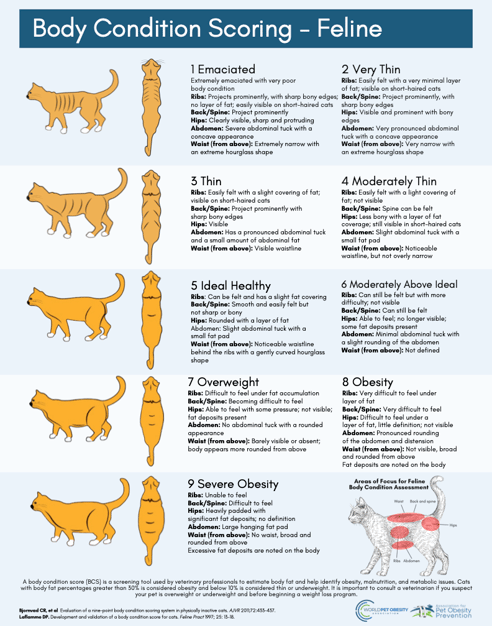
Have you noticed that your cat isn’t grooming its back like it used to? This change might seem small, but it can tell you a lot about your furry friend’s health and happiness.
When your cat stops grooming certain areas, it’s often a sign that something isn’t quite right. Understanding why your cat is not grooming its back can help you catch problems early and keep your pet comfortable. Keep reading to discover the common reasons behind this behavior and what you can do to help your cat feel better.
Common Reasons Cats Avoid Grooming
Cats usually groom themselves to stay clean and healthy. Grooming also helps them relax and bond. Sometimes, cats stop grooming their backs. This can worry owners because it affects the cat’s well-being.
Several common reasons explain why cats avoid grooming. Understanding these reasons helps owners take the right steps to help their pets.
Health Issues
Health problems often cause cats to stop grooming. Illnesses like infections or internal diseases make grooming difficult. Cats may feel weak or tired, so they avoid cleaning themselves.
Pain And Discomfort
Pain in the back or joints can prevent grooming. Arthritis and injuries make stretching and licking painful. Cats avoid grooming areas that hurt to reduce discomfort.
Stress And Anxiety
Stress affects a cat’s grooming habits. Changes in the home or loud noises cause anxiety. Stressed cats may groom less or stop grooming certain spots.
Skin Problems
Skin issues such as fleas, allergies, or infections stop cats from grooming. Irritated or sore skin makes grooming painful. Cats avoid touching these sensitive areas to protect themselves.
Aging Effects
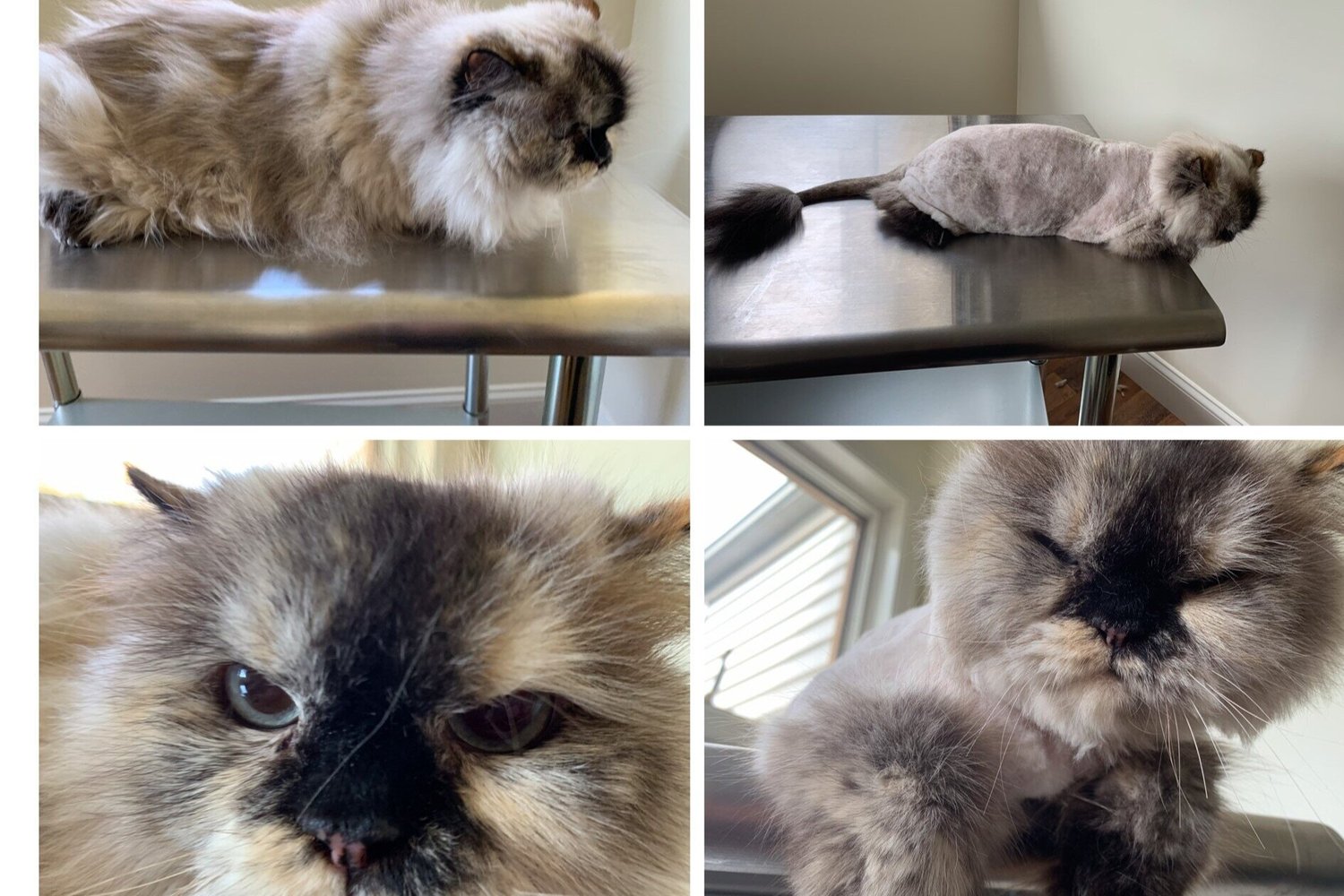
Older cats often groom less due to weaker muscles and less flexibility. Aging slows their movements, so reaching the back becomes hard. They may need help staying clean as they age.
Credit: www.catsmeowresort.com
Signs Your Cat Needs Help
Noticing that your cat has stopped grooming its back can be worrying. This behavior often signals that your feline friend might be facing some health or emotional issues. Recognizing the signs early can help you provide the right support and prevent more serious problems.
Changes In Fur Texture
Your cat’s fur should feel smooth and soft to the touch. If you notice it becoming rough, greasy, or unusually dull, it’s a red flag. These changes can indicate skin infections, poor nutrition, or even underlying illnesses that affect grooming habits.
Have you felt your cat’s fur lately? If it seems off, consider a vet visit to identify the root cause.
Bald Spots And Matting
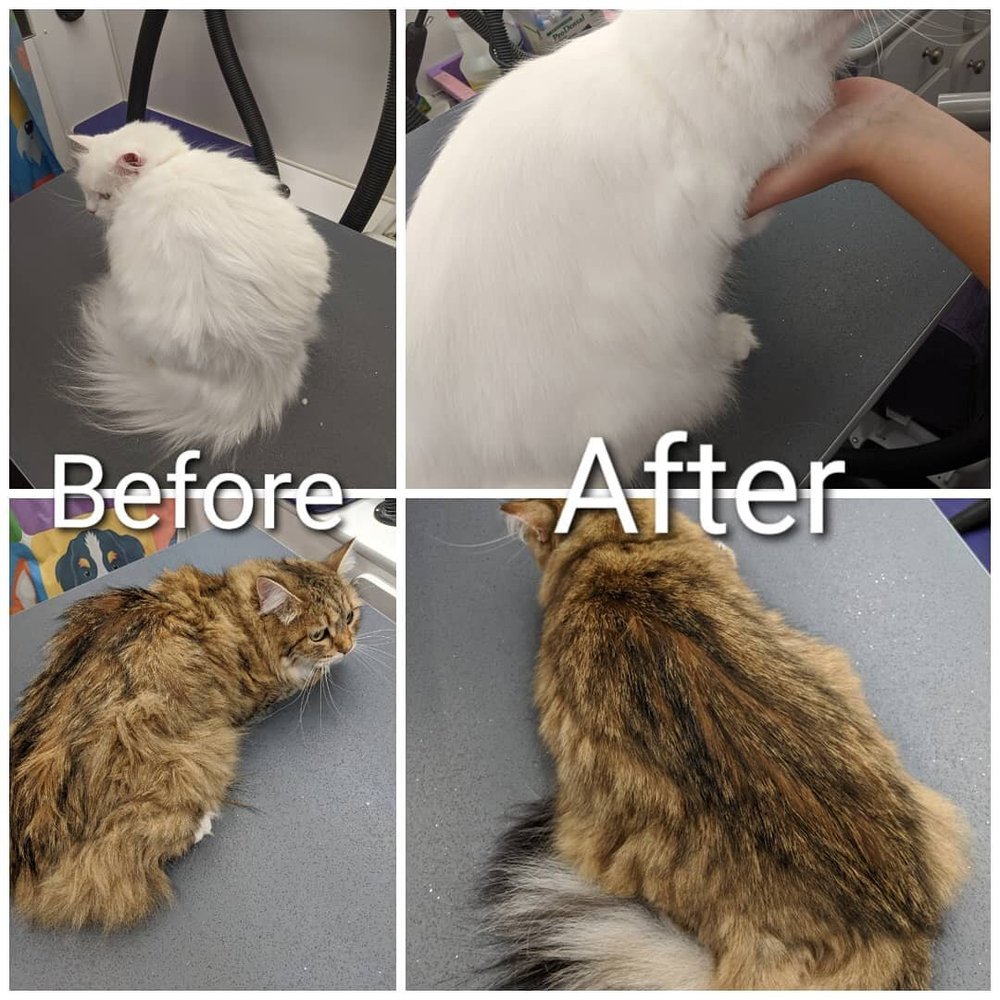
Look closely for bald patches or areas where the fur is tangled and matted. These are clear signs your cat isn’t grooming properly. Matted fur can cause discomfort and skin irritation, making your cat avoid grooming even more.
Sometimes, these spots hide deeper issues like parasites or allergies. Addressing the problem early prevents pain and keeps your cat comfortable.
Excessive Scratching
If your cat scratches more than usual, it could mean irritation or pain on its back. This behavior often accompanies poor grooming and might signal fleas, dermatitis, or other skin conditions. Excessive scratching can worsen fur loss and skin damage.
Ask yourself: Is your cat scratching more after stopping grooming? This connection can guide you to the right treatment.
Behavioral Shifts
Changes in behavior, such as hiding, irritability, or decreased activity, can accompany grooming problems. Cats often hide discomfort, so a sudden withdrawal or mood change is a warning sign. These shifts might reflect pain or stress related to the inability to groom properly.
Pay attention to your cat’s usual personality. When was the last time you saw your cat relaxed and happy? Noticing these differences helps you act quickly.
Quick Fixes To Encourage Grooming
Cats may stop grooming due to stress, pain, or illness. Offering gentle brushing and a calm space can help encourage grooming again. Regular vet checks ensure health issues don’t block their natural care habits.
Cats are known for their meticulous grooming habits, but sometimes they may stop grooming themselves, causing concern for pet owners. Understanding the reasons behind this can help you encourage your feline friend to get back to their regular grooming routine. Here are some quick fixes to consider.Regular Vet Checkups
Regular vet checkups are crucial for your cat’s overall health. A visit to the vet can identify any underlying health issues that might be preventing grooming. Early detection of problems like arthritis or dental disease can make a significant difference.Pain Management
Pain can be a major deterrent for grooming. If your cat is experiencing discomfort, they might avoid grooming altogether. Talk to your vet about safe pain management options to help your cat feel more comfortable and willing to groom.Stress Reduction Techniques
Stress is another common reason why cats stop grooming. Changes in their environment or routine can cause anxiety. Create a calm and predictable environment for your cat. You can also use calming sprays or pheromone diffusers to help reduce stress.Proper Nutrition
A balanced diet is essential for your cat’s health and grooming habits. Ensure your cat is receiving the right nutrients to maintain healthy skin and fur. High-quality cat food can make a noticeable difference in your cat’s grooming behavior.Assisted Grooming Tips
Sometimes, your cat may need a little help to get back into their grooming routine. Gently brush your cat’s fur to remove tangles and dirt. This not only helps with grooming but also strengthens the bond between you and your pet. By addressing these aspects, you’re likely to see an improvement in your cat’s grooming habits. Remember, understanding your cat’s needs and providing support can make all the difference. Are there other techniques you’ve found effective in encouraging your cat to groom?
Credit: www.holistapet.com
Preventive Measures For Healthy Grooming
Preventive measures help keep your cat’s grooming habits healthy. Regular care supports their fur, skin, and overall well-being. It reduces stress and prevents common grooming problems. These simple steps create a positive routine for your cat.
Routine Grooming Schedule
Set a daily or weekly grooming routine. Brush your cat’s fur gently to remove dirt and loose hair. Regular grooming stops mats and tangles. It also helps you notice any skin issues early. Keep sessions short and calm to avoid stress.
Safe Grooming Tools
Use grooming tools made for cats. Soft brushes and combs work best for delicate fur. Avoid sharp or rough tools that can hurt your cat. Clean tools regularly to prevent infections. Choose tools based on your cat’s fur type and length.
Environment Enrichment
Create a calm and safe space for grooming. A quiet room with good lighting helps your cat relax. Provide toys and scratching posts to reduce boredom. A happy environment encourages better grooming habits. Avoid loud noises or sudden movements during grooming.
Monitoring Health Changes
Watch for signs of illness or discomfort. Check for bald spots, redness, or swelling on the skin. Notice any changes in grooming behavior or appetite. Early detection of health issues aids quick treatment. Consult a vet if grooming problems persist or worsen.
Credit: www.squeakycleangrooming.com
Frequently Asked Questions
Why Is My Cat Not Grooming Itself?
Cats may stop grooming due to illness, pain, or stress. Check for skin issues or behavioral changes. Consult a vet to rule out medical problems.
Can Stress Cause A Cat To Stop Grooming?
Yes, stress can lead to decreased grooming. Changes in environment, new pets, or loud noises may trigger stress. Reducing stress helps restore grooming habits.
Does Age Affect A Cat’s Grooming Habits?
Older cats might groom less due to arthritis or dental problems. These conditions make grooming painful. Regular vet checkups can help manage these issues.
How Does Illness Impact A Cat’s Grooming Behavior?
Illnesses like infections or parasites cause discomfort and reduce grooming. Cats may feel too weak or painful to groom. Early veterinary care is essential.
Conclusion
Cats stop grooming for many reasons. Stress, illness, or pain often cause this change. Watch your cat closely for other signs. A visit to the vet might be needed. Keep your cat calm and comfortable. Regular brushing can help keep fur clean.
Understanding your cat’s needs helps keep them happy. Small changes in behavior matter a lot. Caring for your cat shows how much you love them. Stay patient and gentle during this time.



Leave a Reply