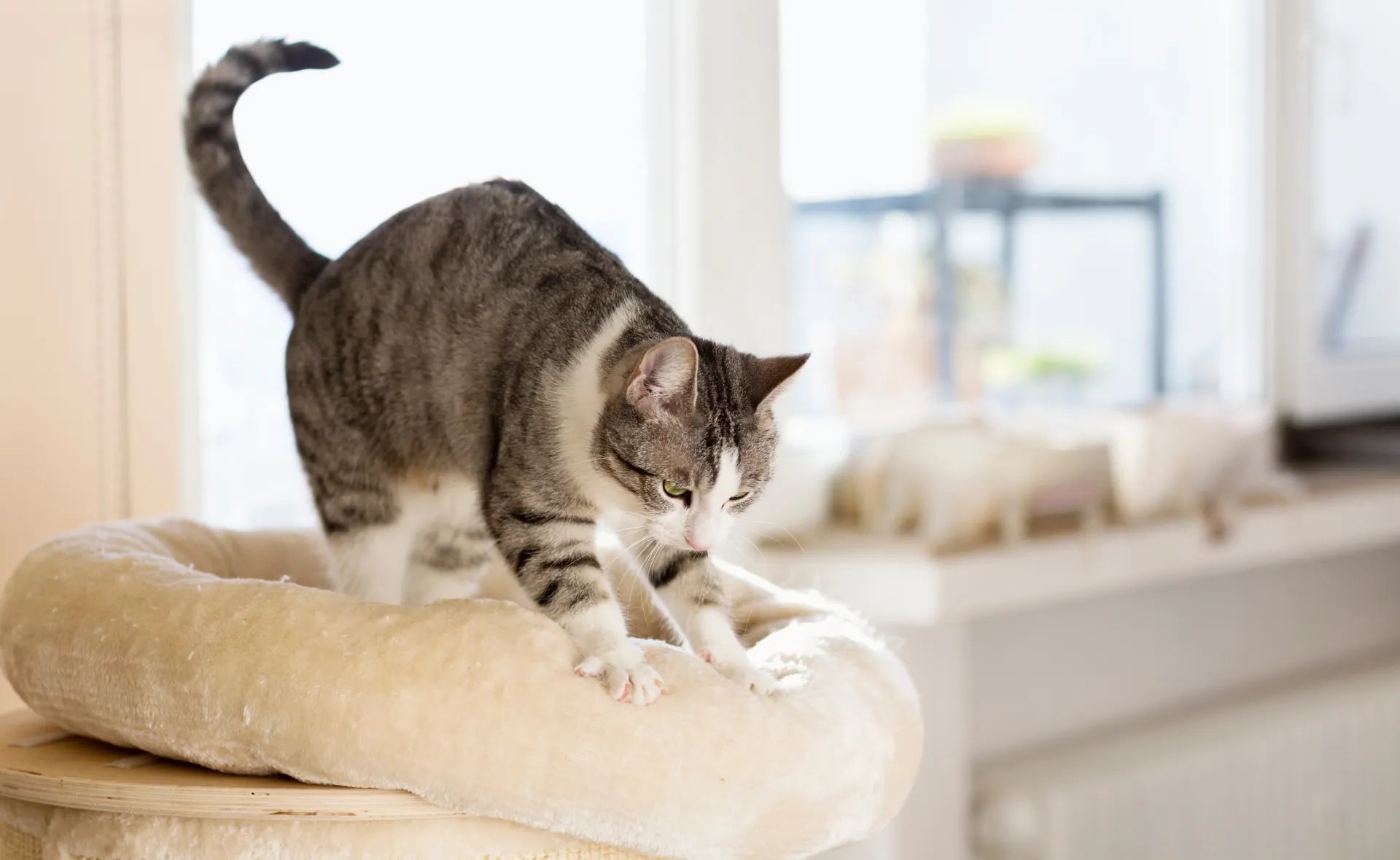
Have you ever noticed your cat kneading your blankets and then suddenly starting to groom itself? It might seem like a small, simple habit, but there’s actually a lot going on beneath the surface.
Understanding why your cat grooms after kneading can help you connect with your furry friend on a deeper level. You’ll discover the surprising reasons behind this behavior and what it means for your cat’s comfort and happiness. Keep reading—you’ll soon see your cat’s actions in a whole new light.
Cat Kneading Behavior
Cats often knead soft surfaces with their paws. This behavior is common and natural. It shows comfort, contentment, or a way to mark territory. Understanding why cats knead helps owners bond better with their pets.
Origins Of Kneading
Kneading starts in kittenhood. Kittens press their paws against their mother’s belly to help milk flow. This action feels soothing and safe. Adult cats keep kneading because it reminds them of this comfort.
Some experts believe kneading also marks territory. Cats have scent glands in their paws. Pressing them on blankets leaves their scent behind. This signals to other animals that the area belongs to them.
Common Kneading Spots
Cats like soft, cozy places for kneading. Blankets, pillows, and laps are favorite spots. These surfaces feel like their mother’s fur and provide warmth.
Many cats knead on:
- Fleece blankets
- Soft cushions
- Owner’s clothing
- Carpet or rugs
These spots offer comfort and security. Cats may knead before resting or sleeping. It helps them relax and feel safe.

Credit: www.reddit.com
Grooming After Kneading
Have you ever noticed your cat grooming itself right after kneading a blanket? This behavior can be quite intriguing. Understanding why your feline friend engages in grooming after kneading can provide insights into their complex nature and habits.
Link Between Kneading And Grooming
Kneading and grooming may seem unrelated, but they are often linked in a cat’s routine. Kneading is a comforting action that can stimulate your cat’s senses, making them feel safe and secure. Right after this comforting experience, grooming may naturally follow as a way to enhance this feeling of well-being.
Consider how you might relax with a cup of tea after a long day. For cats, grooming after kneading provides a similar sense of relaxation and routine. This link highlights the importance of both activities in maintaining your cat’s mental and emotional health.
Soothing Rituals In Cats
Cats are creatures of habit, and their rituals often involve actions that soothe them. Grooming after kneading is a prime example of such a ritual. It serves as a self-soothing mechanism, helping them transition from a playful or energetic state to calmness.
Imagine the satisfaction of ticking off items on your to-do list. For cats, grooming after kneading brings a sense of completion and contentment. Have you observed your cat indulging in this soothing ritual? It’s fascinating how such small actions can have a profound calming effect on them.
Understanding these behaviors can deepen your bond with your pet. What other soothing rituals have you noticed in your cat? Recognizing and respecting these rituals can enhance your cat’s quality of life and strengthen your relationship.
Emotional Triggers
Cats often groom themselves after kneading blankets due to emotional triggers. These actions help them handle feelings and create comfort. Understanding these triggers can explain your cat’s behavior and help you care for them better.
Stress Relief
Kneading and grooming reduce a cat’s stress levels. The repetitive motion of kneading mimics kitten behavior with their mother. This action releases calming hormones in the brain.
After kneading, grooming helps to maintain this calm state. It soothes nerves and lowers anxiety. Cats use these behaviors to feel safe during uncertain times.
Comfort And Security
Kneading blankets gives cats a sense of comfort and security. Blankets remind them of soft, warm places like their mother’s fur. Grooming afterward strengthens this feeling.
This routine makes cats feel protected in their environment. It is a way to create a cozy, familiar space. Cats often groom to mark their scent and claim their safe spot.

Credit: tryfurgo.com
Physical Factors
Physical factors play a significant role in why your cat grooms after kneading blankets. This behavior is not random; it ties deeply to how their bodies and senses react to the environment and their own actions. Understanding these physical triggers can help you better interpret your cat’s needs and feelings.
Scent Marking
Kneading blankets allows cats to press scent glands located in their paws onto the fabric. This act leaves their unique scent behind, marking the blanket as their personal territory. Grooming afterward helps spread their scent further, reinforcing their claim.
Have you noticed your cat rubbing their face on the blanket too? That’s another way they deposit scent from glands around their cheeks, combining with paw scent to make the blanket smell unmistakably like them.
Skin Stimulation
Kneading stimulates nerve endings in your cat’s paws and skin, creating a soothing sensation. After this physical activity, grooming helps calm and relax their skin, preventing irritation from repeated kneading movements.
Think about how you might rub your hands after a repetitive task to soothe them. Cats do something similar by licking their fur after kneading, which keeps their skin healthy and comfortable.
Behavioral Insights
Cats have many unique habits that can puzzle their owners. Grooming after kneading blankets is one such behavior. This action reveals important insights into your cat’s mind and feelings. Understanding these behaviors helps you connect better with your furry friend.
Habit Formation
Kneading and grooming often become linked over time. Cats start kneading as kittens to stimulate their mother’s milk. This action feels comforting and safe. Grooming after kneading can become a habit that soothes them. It helps cats relax and feel secure in their environment.
Attention Seeking
Cats use body language to communicate with humans. Grooming after kneading might be a way to get your attention. They know you notice these actions. By grooming themselves, they show they are calm and want interaction. This behavior can invite petting or playtime from you.

Credit: www.katdootje.nl
When To Be Concerned
Noticing your cat grooming intensely after kneading blankets can feel normal at first, but it’s important to know when this behavior signals a problem. Grooming is a natural way for cats to calm themselves, but too much can point to underlying issues. Paying attention to changes can help you protect your cat’s health before things get serious.
Excessive Grooming Signs
Is your cat licking or chewing their fur more than usual? Look for bald spots, redness, or irritated skin. These are clear signs your cat might be grooming too much.
Also, watch if your cat seems restless or anxious while grooming. If they spend hours cleaning instead of resting or playing, that’s a red flag. Excessive grooming can cause sores or infections that need attention.
Health Issues To Watch
Could your cat’s behavior be linked to allergies or skin conditions? Sometimes, fleas, mites, or food allergies cause itching that leads to over-grooming. You might not always see these pests, but your vet can diagnose them with a simple checkup.
Stress and anxiety are other common causes. Has anything changed in your cat’s environment recently? New pets, moving, or loud noises can trigger grooming as a coping mechanism.
Don’t ignore these signs. Early vet visits can reveal if your cat needs medication or changes in care. Have you noticed other changes like loss of appetite or lethargy? Those could be clues to bigger health problems behind the grooming.
Tips To Support Your Cat
Supporting your cat after it kneads blankets and grooms is important. These actions show comfort and stress relief. Creating a safe space helps your cat feel secure. Encouraging good habits keeps them healthy and happy.
Creating A Calm Environment
Choose a quiet spot for your cat to relax. Keep noise and sudden movements low. Provide soft blankets or cushions for kneading and resting. Maintain a consistent daily routine to reduce stress. Make sure your cat has access to fresh water and food nearby.
Encouraging Healthy Habits
Offer regular playtime to keep your cat active. Use toys that mimic prey to engage natural instincts. Groom your cat gently to reduce fur swallowing. Check your cat’s skin and coat often for any issues. Provide scratching posts to save your furniture and satisfy scratching needs.
Frequently Asked Questions
Why Does My Cat Groom After Kneading Blankets?
Cats groom after kneading blankets to calm themselves. It helps them relax and feel secure after this comforting behavior. Grooming also cleans their paws and fur, reinforcing a sense of cleanliness and contentment.
Is Kneading And Grooming Linked To Cat Comfort?
Yes, kneading and grooming are linked to comfort. Kneading mimics kitten behavior, and grooming soothes the cat afterward. Both actions signal that your cat feels safe and happy in their environment.
Can Grooming After Kneading Indicate Stress Relief?
Grooming after kneading often indicates stress relief. Cats use these behaviors to self-soothe and reduce anxiety. If your cat kneads and grooms, it likely feels calm and less stressed.
Does My Cat Knead And Groom Due To Habit?
Yes, kneading and grooming can be habitual. These natural behaviors come from kittenhood and provide ongoing comfort. Cats often repeat them to maintain emotional balance and physical cleanliness.
Conclusion
Cats groom after kneading blankets to feel calm and safe. This behavior shows comfort and trust in their space. Grooming helps them relax and stay clean. Kneading soft blankets reminds them of kittenhood, making them happy. Watching your cat do this is a sign they feel at home.
Understanding these habits helps you care for your pet better. Enjoy these quiet moments; they mean your cat feels loved.

Leave a Reply