Have you ever noticed a cat with a tail that looks unusually short or even missing? Those unique tails aren’t just a quirky trait—they belong to special cat breeds known for their stubby tails.
If you’re curious about these fascinating felines and want to know which breeds have this rare feature, you’re in the right place. By the end of this article, you’ll discover the charm behind stubby-tailed cats and why they might be the perfect companion for you.
Keep reading to learn more about these one-of-a-kind cats that stand out from the crowd.
Credit: animals.howstuffworks.com
Characteristics Of Stubby Tails
Stubby tails in cats are a unique physical trait that instantly catch your eye. These tails are noticeably shorter than the usual full-length tails you see on most cats. But stubby tails aren’t just about looks—they have interesting characteristics that affect the cat’s genetics, behavior, and movement.
Genetic Traits Behind Stubby Tails
Stubby tails usually result from a genetic mutation affecting the vertebrae in the tail. This mutation causes the tail bones to be shorter or fused together, creating that distinctive stubby appearance.
One well-known example is the Japanese Bobtail, where the short tail is a natural and dominant gene trait passed down through generations. But not all stubby tails come from the same gene—different breeds may have different mutations causing similar short tails.
Have you ever wondered why some cats have a kink or curve in their short tails? That often points to minor variations in these tail genes, showing how subtle changes can create unique tail shapes.
Impact On Cat Behavior And Mobility
Many people worry that stubby tails might affect a cat’s balance or movement. Surprisingly, most cats with stubby tails move just as gracefully as their long-tailed counterparts.
Since cats use their tails for balance and communication, a stubby tail might change how they express themselves but rarely hinders their agility. Cats adapt quickly, often using body language and other signals more.
If you’ve ever had a stubby-tailed cat, you might notice their playful jumps and quick turns are just as sharp. Their stubby tails don’t slow them down; instead, they add a bit of charm and personality to their movements.
Manx Cats
Manx cats are famous for their unique, stubby tails. This breed’s distinct look often catches the eye, making them a favorite among cat lovers. But there’s more to Manx cats than just their tail—understanding their background and traits can help you appreciate their charm even more.
Origins And History
The Manx cat originated on the Isle of Man, a small island in the Irish Sea. Locals noticed these tailless or short-tailed cats centuries ago, and they quickly became part of the island’s culture.
Interestingly, the breed’s tail mutation likely appeared naturally and was passed down through generations. Are you curious how a simple genetic change shaped such a recognizable breed?
Physical Features
Manx cats have a round, sturdy body with strong hind legs that are slightly longer than their front legs. This gives them a unique hopping gait, almost like a rabbit.
Their fur can be short or long, and they come in many colors and patterns. Their round heads and large eyes give them a sweet, expressive face that many find irresistible.
Variations In Tail Length
Not all Manx cats are completely tailless. Tail length varies widely, and you’ll find four main types:
- Rumpy:No tail at all, just a smooth back end.
- Riser:A small rise of bone at the rear, but no tail.
- Stumpy:A short, stubby tail that is longer than a riser but much shorter than a normal tail.
- Longy:A tail almost as long as a typical cat’s, but still shorter than average.
Each variation has its own charm, but the stubby tail is what often makes Manx cats stand out. Have you seen a Manx cat’s hopping walk? It’s a playful reminder of how their tail affects their movement and personality.
Japanese Bobtail
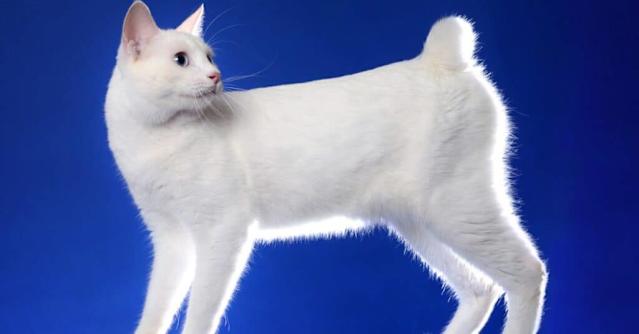
Japanese Bobtails have a distinctive short, stubby tail that looks like a pom-pom. This breed is known for its playful nature and unique tail shape. Their stubby tails set them apart from other cat breeds.
The Japanese Bobtail is a captivating cat breed known for its distinctive short tail, which resembles a pom-pom. Originating from Japan, this breed is not just visually striking but also holds a special place in Japanese culture. With its friendly nature and playful demeanor, the Japanese Bobtail has won the hearts of cat lovers worldwide.Cultural Significance In Japan
In Japan, the Japanese Bobtail is more than just a pet. It is a symbol of good luck and prosperity. This breed is often depicted in traditional Japanese art, and you might recognize it as the model for the famous ‘Maneki-neko’ or beckoning cat figurine. Ever wondered why these cats are so revered? Their presence is believed to bring fortune and happiness to their owners.Distinctive Appearance
The Japanese Bobtail is easily recognizable by its unique tail, which is the result of a genetic mutation. This tail is typically 2 to 3 inches long and can be straight or curved. Its coat is soft and comes in a variety of colors, often sporting a striking pattern of colors. The breed also has a slender, muscular body and long legs, giving it a graceful appearance.Personality Traits
If you’re looking for a feline companion that is both intelligent and affectionate, the Japanese Bobtail might be the perfect choice. These cats are known for their playful and social nature. They thrive on interaction and can often be found engaging in games or following their humans around the house. Their friendly demeanor makes them great companions for families and singles alike. Have you ever experienced the lively company of a Japanese Bobtail? Their presence can turn even the dullest day into a joyful one.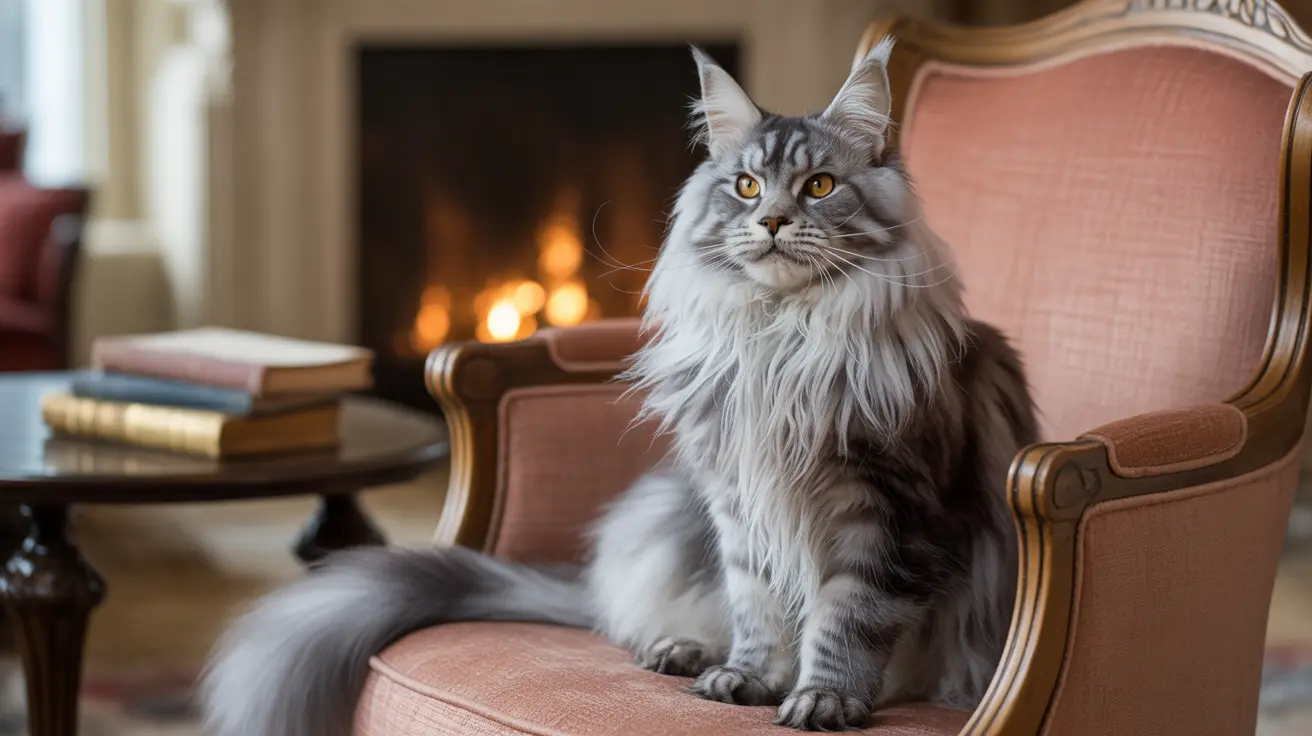
Credit: www.petscare.com
American Bobtail
The American Bobtail stands out with its distinctive stubby tail and rugged appearance. This breed combines wild looks with a friendly nature, making it a favorite for many cat lovers. You might find its tail length surprising, but it’s part of what gives the breed its unique charm.
Breed Development
The American Bobtail originated in the 1960s in the United States. It started from a naturally occurring short-tailed cat found in Arizona, which was then bred with domestic cats to establish the breed. The goal was to create a healthy cat with that wild bobtail look but a gentle personality.
This breed is recognized by major cat associations, reflecting its stable lineage and popularity. Did you know the bobtail gene is a natural mutation rather than a result of crossbreeding with wild cats? This fact often surprises people who assume the breed has exotic origins.
Unique Tail Structure
The American Bobtail’s tail is its most striking feature. Unlike a full-length tail, it measures about one-third to one-half the length of a typical cat’s tail. This stubby tail can be straight, slightly curved, or kinked, making each cat’s tail shape unique.
This tail structure doesn’t affect the cat’s balance or agility. You might think a shorter tail would limit a cat’s movement, but the American Bobtail moves just as gracefully as other cats. Its tail adds character without compromising function.
Temperament And Activity Level
American Bobtails are known for their playful and affectionate nature. They often enjoy interactive play and can even learn tricks, showing dog-like loyalty to their owners. If you want a cat that is both energetic and loving, this breed fits well.
Despite their active streak, they are also content to relax by your side. Their ability to adapt to different lifestyles makes them a great choice whether you live in a busy household or a quieter home. Have you ever noticed how some cats seem to understand your mood? American Bobtails often do, responding warmly to your emotions.
Pixie-bob Cats
The Pixie-Bob cat is a unique breed known for its wild look and friendly nature. It resembles a small bobcat but is a domestic cat. Many people love its stubby tail, which adds to its distinctive appearance. Pixie-Bobs are strong and muscular, making them excellent pets for active households.
Wild Appearance And Origins
Pixie-Bobs look like wild cats with spotted fur and large paws. Their coat often has a mix of brown, black, and cream colors. This breed was developed in the 1980s in the United States. Breeders aimed to create a cat that looks like a bobcat but is gentle and social. The Pixie-Bob’s wild look comes from selective breeding of domestic cats with certain traits.
Tail Characteristics
The Pixie-Bob has a short, stubby tail. It usually measures between 2 to 4 inches long. This tail length is much shorter than most other cat breeds. The stubby tail gives the Pixie-Bob its distinctive bobcat-like appearance. Some Pixie-Bobs have a full tail, but the short tail is a key feature.
Behavioral Traits
- Pixie-Bobs are very friendly and social.
- They enjoy playing and interacting with people.
- These cats are intelligent and can learn tricks easily.
- Pixie-Bobs are loyal and often follow their owners around.
- They adapt well to different living environments.
Credit: animals.howstuffworks.com
Other Rare Stubby-tailed Breeds
Stubby-tailed cats are rare and charming. Some breeds have naturally short tails due to unique genetics. These cats often attract attention because their tails are different from typical long, sleek tails. Beyond the well-known bobtails, several rare breeds also have stubby tails. They offer a fascinating glimpse into the diversity of feline traits.
Kurilian Bobtail
The Kurilian Bobtail comes from Russia and the Kuril Islands. It has a thick, short tail that looks like a pom-pom. This breed is strong, agile, and loves water. Its stubby tail is a natural trait, not a result of injury. Kurilian Bobtails have a friendly and playful personality.
Oregon Rex
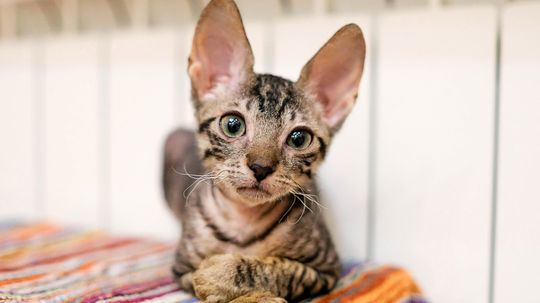
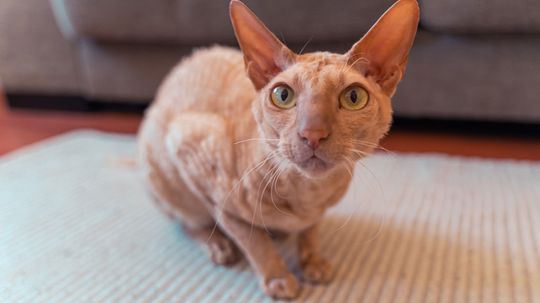
The Oregon Rex is a rare breed from the United States. It has a curly coat and a short, stubby tail. This cat is soft, affectionate, and quite social. The tail is often kinked or bobbed, making it unique among cats. Oregon Rex cats are gentle and enjoy human company.
Comparison With Common Cats
| Feature | Stubby-Tailed Breeds | Common Cats |
|---|---|---|
| Tail Length | Short, bobbed, or kinked | Long and straight |
| Tail Function | Less flexible, more decorative | Used for balance and communication |
| Genetics | Specific gene mutations | Typical feline tail genes |
| Appearance | Unique and eye-catching | Standard cat look |
Caring For Stubby-tailed Cats
Caring for stubby-tailed cats requires special attention to their unique traits. These cats often have playful and curious personalities. Their short tails do not affect their agility but need gentle handling. Understanding their health, grooming, and environment helps keep them happy and safe.
Health Considerations
Stubby-tailed cats can face specific health issues. Their tail structure may cause spinal problems. Watch for signs of pain or stiffness. Regular vet visits are important to catch problems early. Keep vaccinations and parasite control up to date. Monitor their weight to avoid obesity. A balanced diet supports their overall health and energy.
Grooming Tips
Grooming stubby-tailed cats is straightforward but essential. Their short tails reduce the risk of tail injuries. Brush their fur weekly to remove loose hair and dirt. Check their tail area for any swelling or wounds. Trim nails carefully to prevent scratches. Clean ears and eyes gently to avoid infections. Bathing is rarely needed unless the cat gets very dirty.
Environmental Needs
Stubby-tailed cats thrive in safe, calm spaces. Provide cozy bedding away from drafts. Create vertical spaces like cat trees for climbing. Protect their tails by removing sharp objects around the home. Offer toys that encourage gentle play. Keep litter boxes clean and easy to access. A quiet environment helps reduce stress and promotes well-being.
Why Stubby Tails Appeal To Cat Lovers
Stubby tails on cats catch the eye of many cat lovers. These short tails give cats a unique look that stands out. The charm of stubby tails goes beyond just appearance. They often hint at special personality traits. Cat lovers feel a special bond with these cats. Their popularity continues to grow in pet communities. Understanding why stubby tails appeal so much helps explain their charm.
Unique Aesthetic
Stubby tails create a distinct and memorable silhouette. They make cats look cute and playful. This trait often makes cats look more approachable and friendly. The short tail adds character to the cat’s overall appearance. Many cat lovers find this uniqueness irresistible. It also sparks curiosity and interest in these breeds.
Personality Correlations
Stubby-tailed cats often show friendly and outgoing behavior. Many owners report these cats as affectionate and loyal pets. Their unique tails sometimes match their lively and curious nature. This connection between tail and temperament fascinates cat lovers. It adds depth to the cat’s personality profile. People enjoy bonding with cats that feel special.
Popularity In Pet Communities
Stubby-tailed cats have a strong presence in social media groups. They often attract attention in cat shows and competitions. Many breeders focus on these traits to meet demand. Pet communities celebrate their uniqueness and charm. This popularity boosts interest in stubby-tailed breeds worldwide. It also builds a supportive network for fans and owners.
Frequently Asked Questions
What Cat Breeds Have Naturally Stubby Tails?
Breeds like the Manx, American Bobtail, and Japanese Bobtail have naturally short or stubby tails. These tails vary in length and shape depending on genetics.
Are Stubby-tailed Cats Prone To Health Issues?
Some stubby-tailed breeds, such as the Manx, may face spinal problems. Responsible breeding helps reduce health risks associated with short tails.
How Do Stubby Tails Affect Cat Mobility?
Stubby tails generally do not affect a cat’s mobility or balance. Cats adapt well and lead normal, active lives despite shorter tails.
Can Stubby Tails Regrow If Injured?
No, stubby tails cannot regrow if injured. Tail injuries require veterinary care to prevent complications or infections.
Conclusion
Stubby-tailed cats have unique charm and personality. Breeds like the Manx and Japanese Bobtail show this trait well. Their short tails do not affect their agility or playfulness. Many cat lovers enjoy their distinct look and friendly nature. Knowing about these breeds helps you appreciate cat diversity.
Each stubby-tailed cat brings joy and companionship. Consider these cats if you want a pet with character and a special tail. They make wonderful friends for families and individuals alike.

Leave a Reply