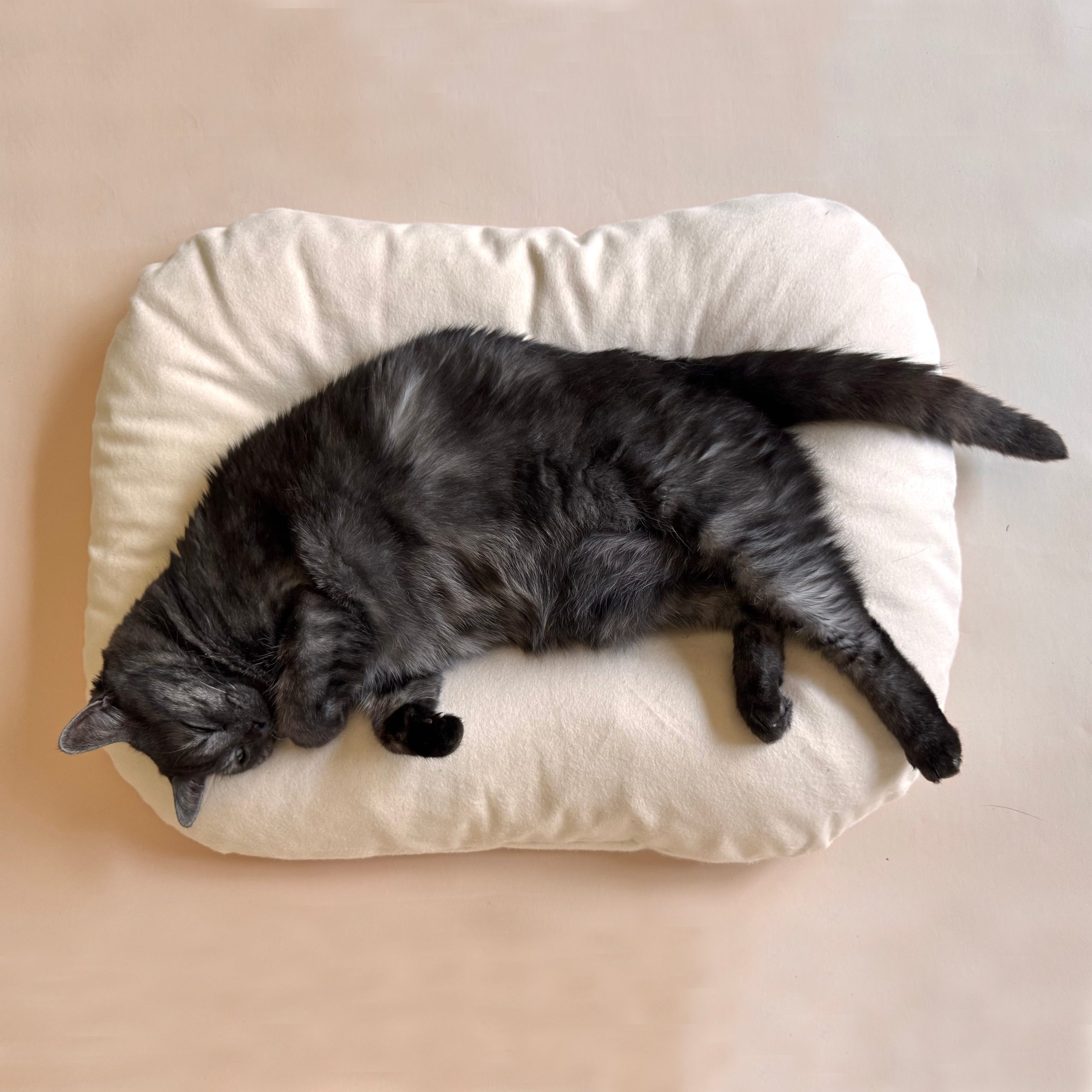
Have you ever noticed how cats often groom each other? It’s a common sign of friendship and trust.
But what if you see a cat being left out, with no one cleaning her fur? You might wonder, “Why don’t the other cats groom her? ” This question can puzzle any cat lover. Understanding why this happens can help you care better for your furry friend and keep your home peaceful.
Keep reading to discover the surprising reasons behind this behavior and what you can do about it.
Cat Grooming Basics
Understanding the basics of cat grooming is essential if you’ve noticed that other cats don’t groom her. Grooming is more than just keeping clean; it’s a key part of how cats communicate and bond with each other. Knowing what drives grooming behavior can help you decode your cat’s social world.
Social Grooming In Cats
Social grooming, or allogrooming, happens when cats lick and clean each other. It’s a sign of trust and friendship, not just hygiene. Cats usually groom those they feel close to or see as part of their group.
Have you ever noticed your cat grooming one particular friend while ignoring others? This often means she feels safest or most connected to that cat. Sometimes, if she’s new or not part of the established group, other cats might keep their distance.
Benefits Of Mutual Grooming
Mutual grooming offers several benefits beyond cleanliness. It reduces stress by releasing calming hormones and strengthens social bonds between cats. Grooming can also help cats recognize each other’s scent, which is important for group harmony.
If your cat isn’t being groomed by others, consider whether she’s missing out on these social perks. Could she be seen as an outsider, or maybe she’s not returning grooming gestures? Encouraging positive interactions can sometimes change this dynamic.
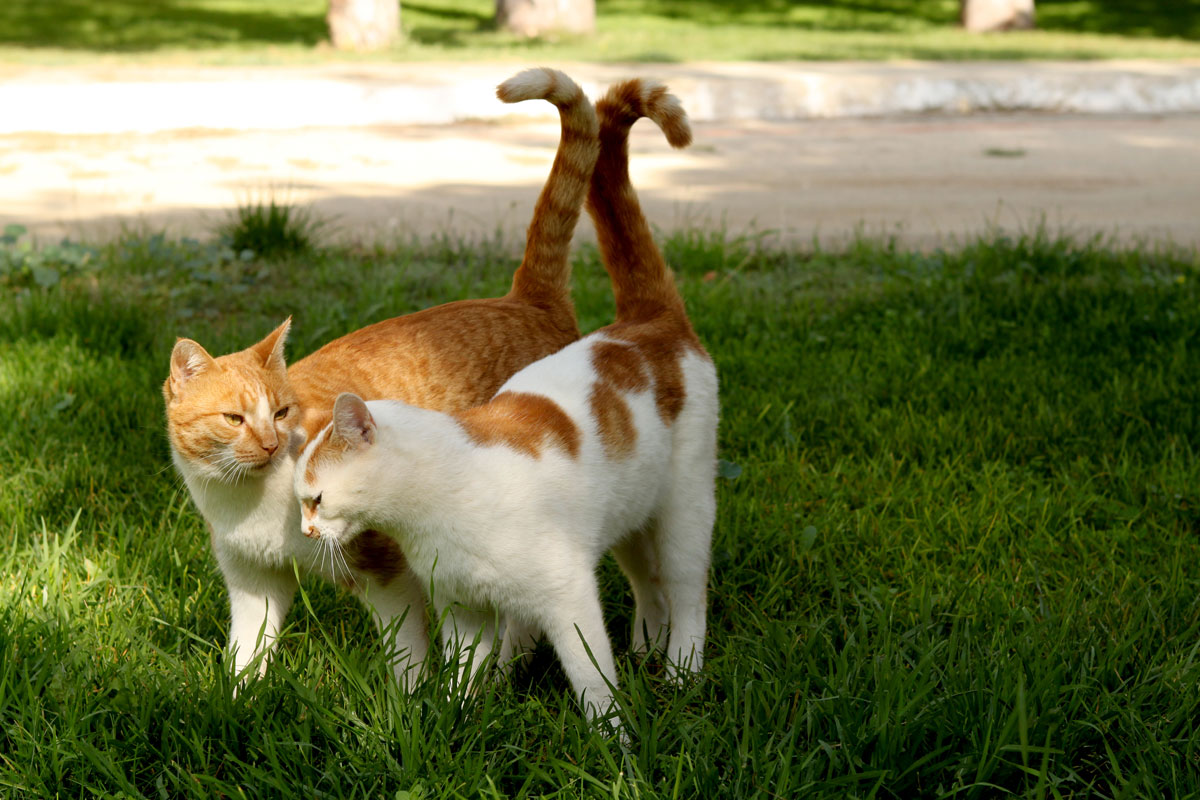
Credit: www.companionanimalpsychology.com
Reasons Cats Avoid Grooming Others
Some cats avoid grooming others due to social hierarchy or personal space needs. Illness or stress can also make a cat less interested in grooming friends. Personality differences play a big role in whether cats choose to groom each other.
Have you ever watched a group of cats and noticed that one seems to be left out of the grooming ritual? It can be puzzling and a little heartbreaking, especially if it’s your cat who’s the odd one out. Cats are known for their fastidious grooming habits, often helping each other out as a sign of social bonding. But what if they’re not grooming one of their own? Let’s uncover some of the reasons behind this behavior.Health And Scent Issues
Cats rely heavily on their sense of smell to recognize and interact with each other. If a cat has a health issue, such as a skin infection or an unusual scent caused by illness, other cats might avoid grooming her. The scent might be off-putting or signal that the cat is not well, prompting others to steer clear. A change in scent can also occur after a vet visit. Have you ever noticed your cat being shunned after a trip to the vet? The smell of antiseptics or other animals can make her smell foreign to her feline friends.Social Hierarchy And Dominance
Cats live by a social order, even in domestic settings. Grooming others is often a way to assert dominance or reinforce social bonds. If a cat is lower in the social hierarchy, she might find herself groomed less often. In multi-cat households, there’s usually a dominant cat who controls many of the social interactions. If your cat isn’t getting groomed, it might be because she doesn’t hold a high enough rank within the group.Personality And Compatibility
Just like people, cats have unique personalities. Some cats are more independent or introverted, preferring to keep to themselves. If your cat is more of a loner, she might not engage in mutual grooming simply because she doesn’t want to. Compatibility also plays a role. Cats that don’t get along might avoid grooming each other as a way of maintaining personal space. If your cat is a bit of a diva or has clashed with others in the past, she might not be on the receiving end of grooming sessions. Understanding these reasons can help you better manage your multi-cat household. Have you noticed your cat being left out of grooming? Observing their interactions closely might provide insights into the dynamics at play.Impact Of Stress And Environment
The environment and stress play a big role in how cats behave toward each other. Cats rely on calm surroundings to feel safe. Any changes can make them anxious. Stress affects their social habits, including grooming. This may explain why other cats avoid grooming her.
Changes In Territory
Cats are very territorial creatures. A new cat or a change in the home can upset them. They may feel the need to protect their space. This tension can stop them from interacting normally. Grooming, a sign of trust, may decrease. She might seem isolated due to these changes.
Stress-induced Behavior
Stress triggers many behaviors in cats. They might hide or avoid others. Grooming another cat requires calm and trust. Stressed cats may refuse to groom or be groomed. Their body language shows discomfort. This behavior helps them cope but affects social bonds.
Role Of Age And Physical Condition
Age and physical condition play a key role in how cats groom each other. Younger cats tend to be more active and social, often helping with grooming. Older cats might slow down and show less interest. Physical health also affects a cat’s grooming habits. Pain, stiffness, or illness can make grooming difficult or uncomfortable.
Older Cats And Grooming Habits
Older cats usually groom less often. Their joints may ache, making movement harder. They may avoid climbing or stretching to reach other cats. This reduces their ability to groom others. Sometimes, older cats focus more on self-grooming than grooming friends. Their social energy may also drop, leading to less grooming interaction.
Illness Affecting Grooming
Illness can cause changes in grooming habits. Cats with pain or discomfort may stop grooming themselves or others. Conditions like arthritis, dental problems, or skin infections can make grooming unpleasant. Sick cats may hide or isolate themselves, reducing social grooming. Other cats may sense illness and avoid grooming a sick cat to protect themselves.
What It Means For Your Cat’s Well-being
Understanding why other cats don’t groom your cat can reveal important clues about her well-being. Grooming is more than just cleaning; it’s a social behavior that strengthens bonds. When your cat is left out of this ritual, it may affect her emotional and physical health in ways you might not expect.
Signs Of Social Isolation
Social isolation in cats can show up in subtle ways. Your cat may avoid interaction, seem withdrawn, or hide more often than usual. She might also stop purring or lose interest in playing and exploring.
Look for changes in grooming habits too. A cat ignored by others might over-groom herself, leading to bald spots or skin irritation. Or, she might groom less, causing her coat to become matted or dirty.
Have you noticed your cat sitting alone while others groom each other? This could signal she feels excluded or stressed. Such isolation can affect her confidence and mood, impacting her overall happiness.
When To Seek Veterinary Advice
If your cat shows signs of social isolation, it’s important to act quickly. Persistent withdrawal or changes in grooming can be symptoms of underlying health issues, like pain or illness.
Consult your vet if your cat:
- Stops eating or drinking
- Displays sudden aggression or fear
- Has visible skin problems or hair loss
- Exhibits unusual lethargy or restlessness
Your vet can help identify physical causes and suggest behavior interventions. Early advice can prevent problems from escalating and improve your cat’s quality of life.
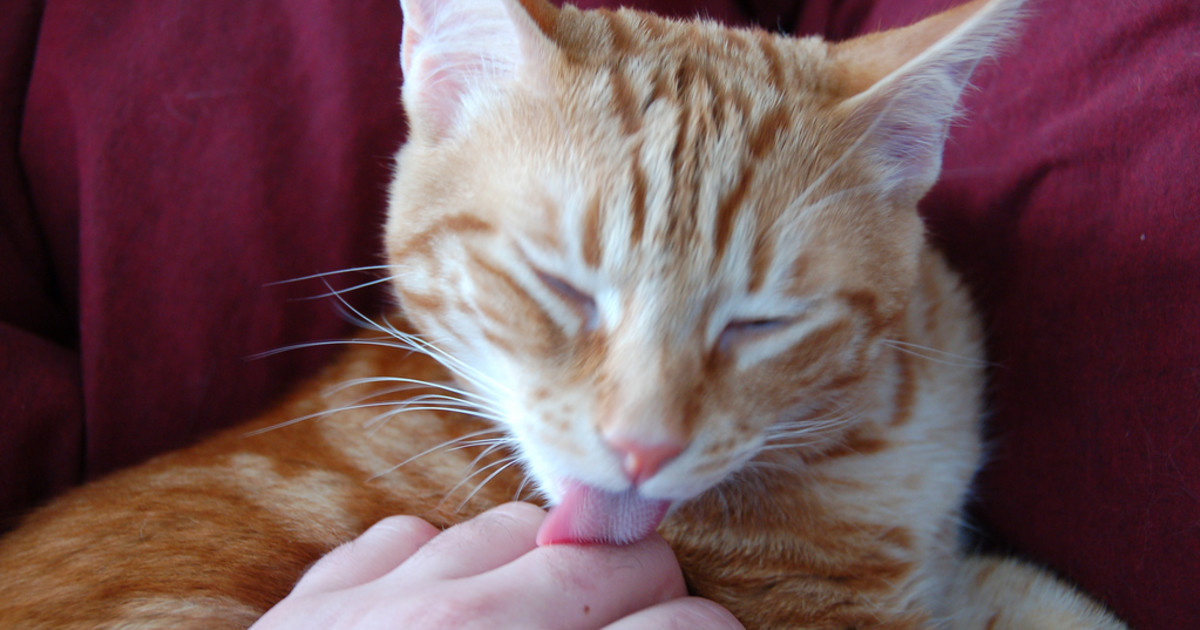
Credit: pethelpful.com
Encouraging Positive Grooming Behavior
Encouraging positive grooming behavior helps cats bond and feel safe together. Cats groom each other to show trust and friendship. Sometimes, a cat may not be groomed by others due to stress or unfamiliarity. Creating the right environment and proper introductions can change this.
Creating A Calm Environment
Cats need peace to feel comfortable around others. Loud noises and sudden movements cause stress. Provide a quiet, cozy space where cats can relax. Soft bedding and gentle lighting help create calmness.
Keep the area clean and free from strong smells. Stress lowers a cat’s desire to groom or be groomed. Calm surroundings encourage friendly, positive interactions.
Introducing Cats Gradually
Slow introductions reduce fear between cats. Let them see each other from a distance first. Use a barrier like a baby gate or screen door. This allows them to get used to each other’s scent and presence.
Offer treats and praise during these sessions. Gradual meetings build trust and reduce tension. Over time, allow short supervised visits without barriers. Patience in introductions helps cats start grooming each other naturally.
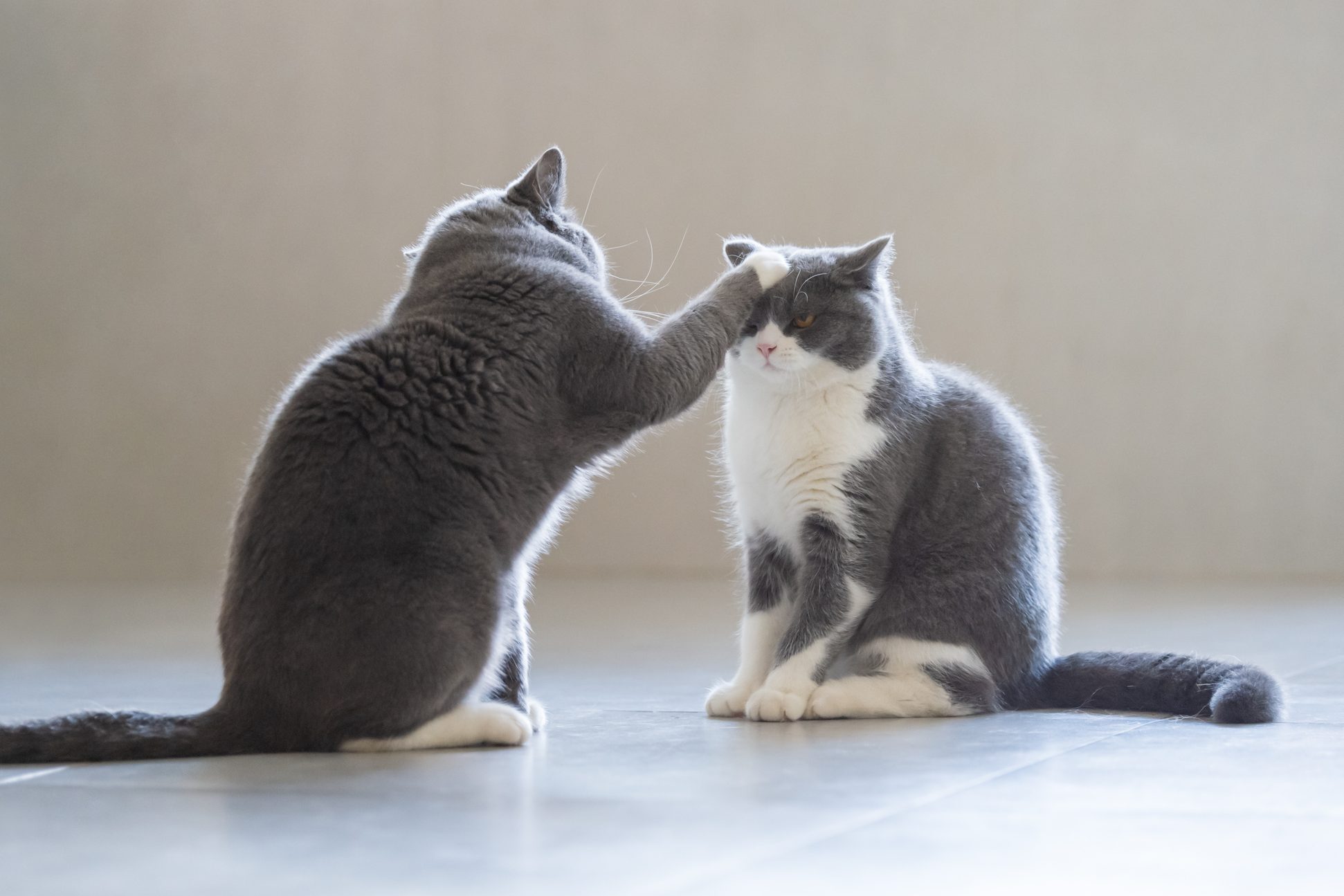
Credit: www.rd.com
Frequently Asked Questions
Why Don’t Other Cats Groom Her?
Other cats may not groom her due to social hierarchy or lack of bonding. Grooming usually happens among close feline friends or family members. If she’s new or perceived as different, others might avoid grooming to establish boundaries or show dominance.
Can Stress Affect Cats’ Grooming Behavior?
Yes, stress can reduce grooming behavior in cats. Stressed cats may avoid grooming others or themselves. Changes in environment or social tension often cause stress, leading to less mutual grooming among cats.
Does Illness Stop Cats From Grooming Each Other?
Illness can prevent cats from grooming others. Sick cats may feel weak or uncomfortable, reducing social interaction. Healthy cats might avoid grooming a sick cat to prevent disease spread or due to the ill cat’s behavior changes.
How Does Cat Hierarchy Influence Grooming Habits?
Cat hierarchy strongly influences grooming habits. Higher-ranking cats often groom lower-ranking ones to show dominance. Lower-ranking cats may avoid grooming leaders to maintain social order. Grooming is a social tool for bonding and establishing rank.
Conclusion
Cats choose grooming partners carefully. Sometimes, they avoid grooming certain cats. This behavior can show social bonds or conflicts. Health issues or stress might also play a role. Understanding these reasons helps you care for your cat better. Watch their interactions closely to learn more.
Patience and observation reveal their unique social world. Every cat has its own way of showing affection. Respect their space and let relationships grow naturally.

Leave a Reply