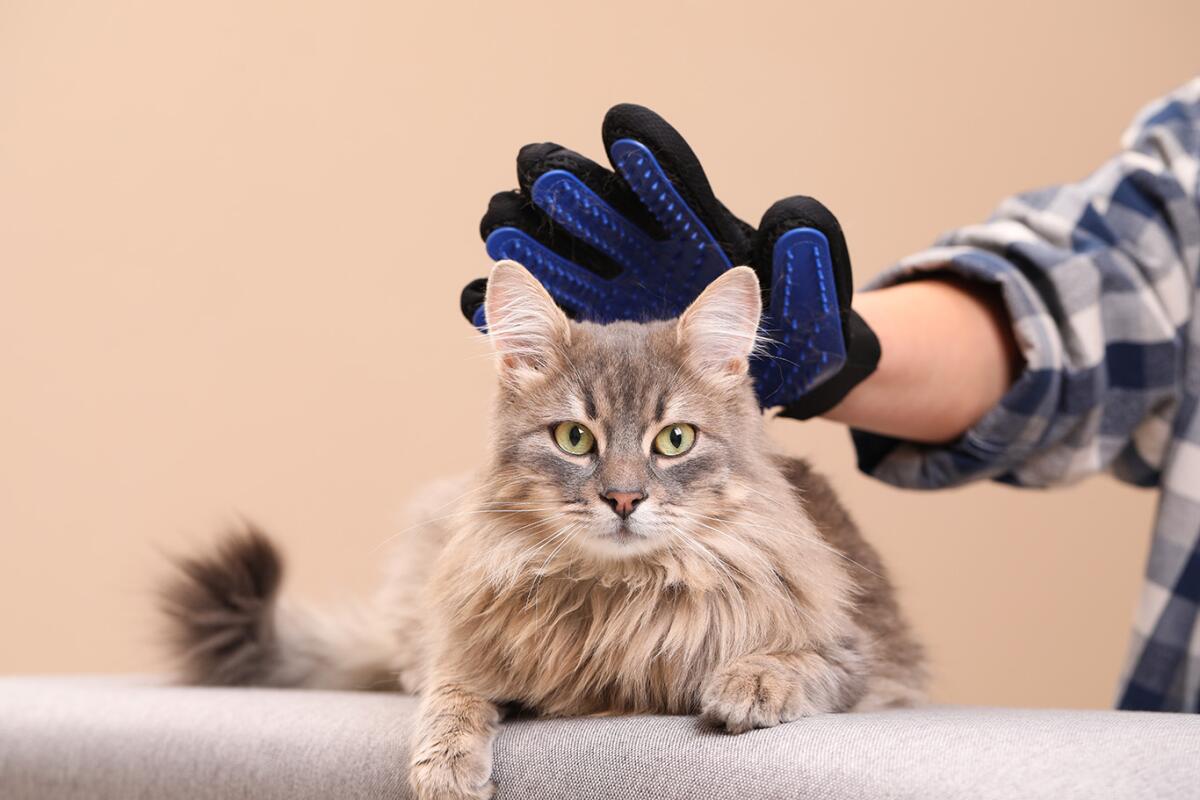
Grooming your cat is more than just a routine—it’s a chance to bond and keep your furry friend healthy. But have you ever wondered where the best place to groom your cat really is?
Choosing the right spot can make the whole process easier for both you and your cat. You’ll discover the perfect places to groom your cat, so you can turn grooming time into a calm and enjoyable experience. Keep reading to find out how to make grooming stress-free and effective for your beloved pet.

Credit: services.petsmart.com
Choosing The Right Spot
Choosing the right spot for grooming your cat makes the process easier and calmer. A good location helps your cat feel safe and relaxed. This reduces stress and keeps grooming smooth. The right environment also helps you see and handle your cat better. Here are key features to consider when picking the perfect grooming spot.
Quiet And Calm Areas
Pick a place with little noise and few distractions. Loud sounds or busy spaces can scare your cat. Choose a corner or room away from TVs, phones, or other pets. This calm space helps your cat stay peaceful and cooperative during grooming.
Comfortable Surfaces
Use soft, stable surfaces where your cat can sit or lie down. A cushioned mat, blanket, or towel works well. Avoid slippery or hard places that may make your cat uneasy. Comfort keeps your cat calm and still, making grooming easier and safer.
Good Lighting
Choose a spot with plenty of natural or bright light. Good lighting helps you see your cat’s fur and skin clearly. It prevents missing mats, dirt, or skin problems. Avoid dark or shadowy areas that make grooming difficult.
Gathering Essential Grooming Tools
Gathering the right grooming tools is key to making the experience comfortable for both you and your cat. Having everything on hand prevents interruptions and keeps your cat calm. Think about your cat’s fur type and needs before picking your tools.
Brushes And Combs
Choosing the right brush or comb depends on your cat’s coat. Short-haired cats do well with rubber brushes that remove loose fur gently. Long-haired cats need slicker brushes to detangle and prevent mats.
Try using a fine-toothed comb after brushing to catch smaller tangles and check for debris. You might notice your cat enjoys a specific texture or pressure, so watch their reactions closely.
Nail Clippers
Trimming your cat’s nails keeps them healthy and prevents damage to your furniture. Use clippers designed specifically for cats; they’re smaller and easier to handle.
Have styptic powder nearby in case of accidental nicks. Do you know the quick—the pink area inside the nail? Avoid cutting into it to prevent pain and bleeding.
Cleaning Supplies
Keep cleaning supplies ready for quick cleanups. Use pet-safe wipes or a damp cloth to clean your cat’s face and ears gently. Avoid harsh chemicals that can irritate sensitive skin.
Having cotton balls, ear cleaners, and a soft towel nearby ensures you can handle any mess calmly. What cleaning tools have you found work best with your cat’s personality?
Preparing Your Cat For Grooming
Choose a quiet, comfortable spot free from distractions for grooming your cat. A familiar area helps your cat stay calm and cooperative. Ensure good lighting and have all grooming tools nearby for easy access.
Preparing your cat for grooming is essential for a smooth experience. It helps reduce stress for both you and your feline friend. A calm and well-prepared cat makes grooming easier and more effective. Let’s explore some practical steps to get your cat ready.Familiarizing With Tools
Start by showing your cat the grooming tools. Let them sniff and inspect brushes and combs. This helps them feel comfortable. Use gentle movements around their fur. Avoid sudden or forceful actions. This approach builds trust and reduces anxiety.Creating A Routine
Consistency is key. Establish a regular grooming schedule. This helps your cat know what to expect. Choose a quiet time when your cat is calm. Regular grooming creates a sense of normalcy. Over time, your cat will become more cooperative.Using Treats And Rewards
Positive reinforcement encourages good behavior. Offer your cat treats during grooming sessions. Reward them after each successful session. This creates positive associations with grooming. Keep the sessions short to maintain their interest. Gradually, your cat will look forward to grooming time.Handling Stress During Grooming
Grooming your cat can sometimes be a stressful experience for both of you. Knowing how to handle your cat’s stress during grooming sessions is essential to make the process smoother and more enjoyable. Stress can cause your cat to become anxious or even aggressive, so recognizing and managing it early helps build trust and keeps grooming safe.
Recognizing Cat’s Signs
Your cat communicates stress through body language and behavior. Watch for signs like flattened ears, twitching tail, dilated pupils, or sudden attempts to escape. Vocalizations such as hissing or growling also indicate discomfort.
Pay close attention to subtle signs too, like a stiff posture or heavy breathing. Catching these early means you can pause before your cat feels overwhelmed. Have you noticed how your cat’s eyes or movements change when they’re uneasy?
Taking Breaks
Breaking the grooming into short sessions helps reduce stress. If your cat starts showing signs of agitation, stop and give them time to relax. Even a few minutes away from grooming can calm their nerves.
Use these breaks to offer treats or gentle petting to create a positive association with grooming. You might find that spacing out sessions over several days works better than trying to finish all at once. How often do you pause to let your cat catch their breath during grooming?
Keeping A Calm Demeanor
Your mood affects your cat more than you might expect. Staying calm and speaking softly can reassure your cat that grooming is safe. Sudden movements or raised voices can increase their anxiety.
Try to breathe slowly and move gently while grooming. Remember, your calm presence helps your cat feel secure and less stressed. Have you noticed how your cat reacts differently when you’re relaxed versus tense?
Grooming Outside The Home
Grooming outside the home offers a fresh option for cat owners. It can reduce stress for cats and make grooming easier. Some cats feel calmer with new surroundings or expert help. Choosing the right place matters for your cat’s comfort and safety.
Professional Groomers
Professional groomers have the skills and tools to care for cats. They handle different cat breeds and fur types with care. Groomers can spot skin issues and give proper baths and trims. Their experience helps cats stay calm during grooming sessions. Visiting a groomer ensures your cat gets a thorough cleaning.
Mobile Grooming Services
Mobile grooming brings the service to your doorstep. A mobile groomer uses a van equipped with all necessary tools. This option avoids travel stress for shy or anxious cats. Mobile groomers offer flexible schedules that fit your routine. Your cat stays in a familiar place during grooming.
Safe Outdoor Spaces
Outdoor grooming suits cats that enjoy fresh air and nature. Choose a quiet, enclosed space to keep your cat secure. Avoid areas with loud noises or other animals nearby. Use a harness and leash to prevent your cat from running away. Outdoor grooming can be quick and refreshing for your cat.
Tips For Long-haired Cats
Grooming long-haired cats requires special care to keep their fur healthy and free from tangles. You need to be patient and gentle, as their delicate coats can easily become matted or uncomfortable. Let’s dive into some practical tips that will help you maintain your cat’s luxurious coat without stress.
Detangling Techniques
Start by using a wide-toothed comb to gently work through any knots in your cat’s fur. Hold the base of the fur near the skin to avoid pulling and causing pain. If you encounter a tough tangle, use your fingers to carefully loosen it before combing again.
Spraying a bit of water or a cat-safe detangling spray can make the process smoother. Have you noticed how some cats become calmer with a gentle brushing rhythm? Try to mimic that soothing motion to keep your cat relaxed during grooming.
Regular Brushing Schedule
Long-haired cats need brushing every day or at least every other day to prevent tangles from forming. Set a specific time for grooming so your cat gets used to the routine. Short, frequent sessions often work better than long ones, especially if your cat is sensitive.
Use a soft-bristle brush or a slicker brush designed for long fur. This helps remove loose hair and reduces shedding around your home. Have you tried turning grooming into a bonding moment? Talking softly or offering treats can make your cat look forward to it.
Managing Mats
Mats can be painful and cause skin problems if left untreated. Gently work on mats with your fingers or a mat splitter before using a comb. Never cut mats out yourself unless you are experienced, as you might accidentally hurt your cat.
If mats are severe, a professional groomer or vet visit might be necessary. Regular grooming is the best way to avoid mats, but if you find one, act quickly. Have you noticed your cat avoiding touch in certain areas? That could signal hidden mats needing attention.
Maintaining Cleanliness Post-grooming
Maintaining cleanliness after grooming your cat is just as important as the grooming itself. A clean environment prevents the spread of dirt, hair, and potential germs. It also ensures that your cat feels comfortable and safe the next time you groom them.
Cleaning Tools
After grooming, you should clean your brushes, combs, and clippers immediately. Use warm water and mild soap to remove hair and oils. If your tools have removable parts, take them apart to clean thoroughly.
Have you noticed how leftover fur on your brush can irritate your cat’s skin during the next grooming session? Keeping tools spotless avoids this problem and extends their lifespan. Consider wiping blades with rubbing alcohol to disinfect.
Sanitizing Grooming Area
Hair and dander can quickly accumulate in your grooming space. Sweep or vacuum the area after each session to keep it tidy. Wipe down surfaces with pet-safe disinfectants to remove bacteria.
Think about the last time you groomed your cat near a carpet or soft rug—did you find fur stuck everywhere? Using a washable mat or grooming table cover can make cleanup faster. Regular sanitizing keeps your space fresh and inviting for both you and your pet.
Storing Equipment
Proper storage of grooming tools protects them from damage and contamination. Use a dedicated box or organizer to keep everything in one place. Make sure the storage spot is dry and away from direct sunlight.
Have you ever lost a grooming comb under the couch? Storing equipment neatly saves you from that hassle. Label containers if you have multiple tools to find what you need quickly next time.
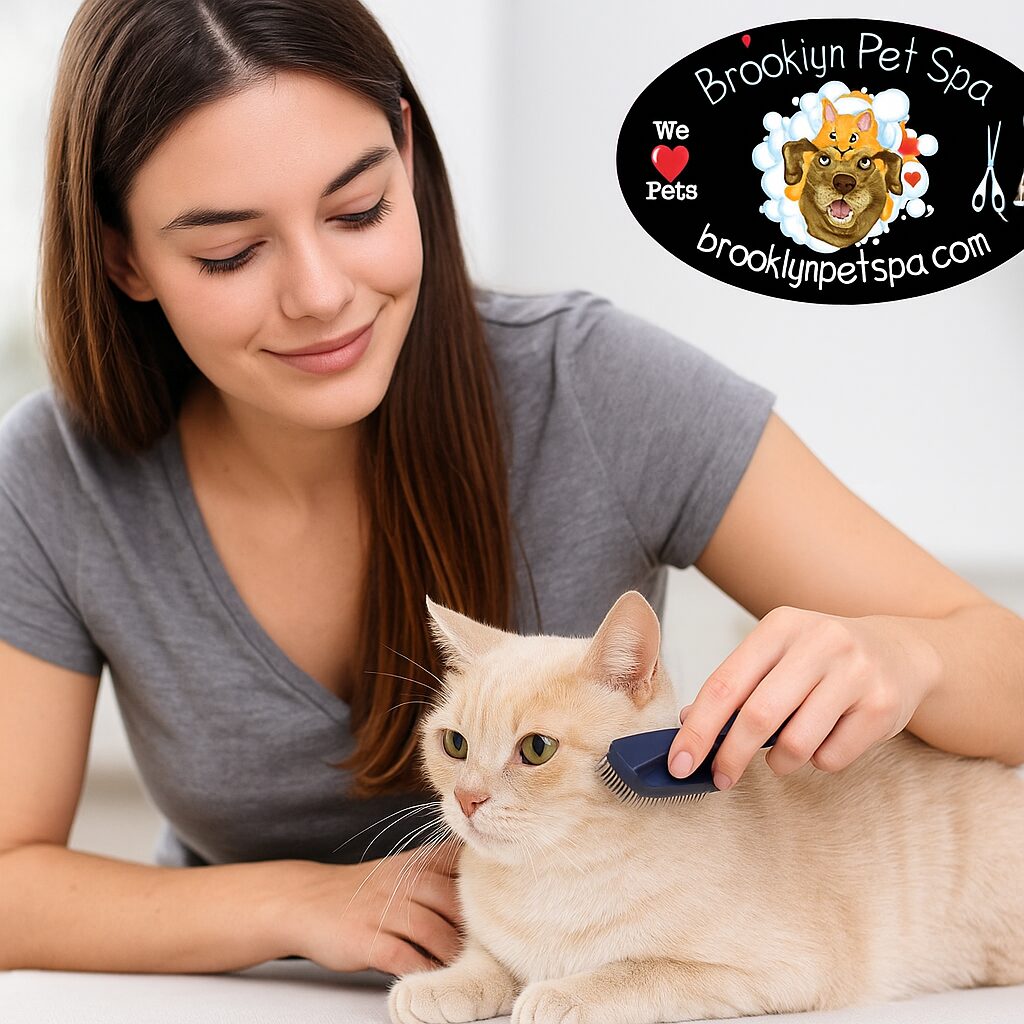
Credit: brooklynpetspa.com

Credit: www.viovet.co.uk
Frequently Asked Questions
Where Is The Best Place To Groom A Cat At Home?
The best place is a quiet, well-lit room with a non-slip surface. Avoid noisy or busy areas to keep your cat calm during grooming.
Can I Groom My Cat Outdoors Safely?
Yes, you can groom a cat outdoors if the environment is calm and secure. Avoid loud noises and protect your cat from harsh weather.
Should I Use A Special Area For Cat Grooming?
Designating a specific grooming spot helps your cat associate the area with positive experiences. It reduces stress and makes grooming easier over time.
How Often Should I Groom My Cat And Where?
Groom your cat weekly in a consistent, comfortable spot. Regular grooming prevents mats, reduces shedding, and improves coat health.
Conclusion
Grooming your cat helps keep them healthy and happy. Choose a quiet, comfortable spot for grooming sessions. Use the right tools to avoid hurting your pet. Regular brushing prevents mats and reduces shedding. Pay attention to your cat’s mood and needs.
A calm environment makes grooming easier for both. Remember, patience and gentle care build trust. Keep grooming as part of your routine. Your cat will thank you with purrs and love.


Leave a Reply