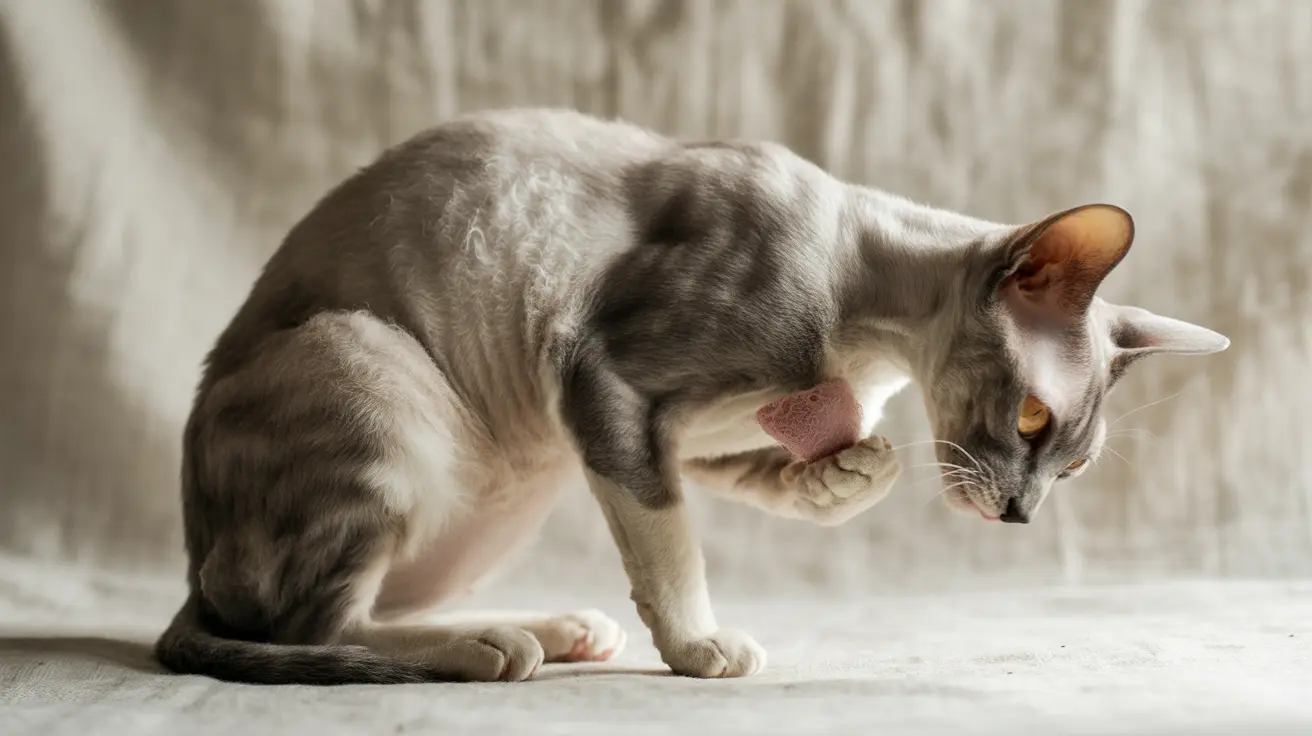
Have you ever noticed your cat tugging at her fur while grooming and wondered why she does it? It can be surprising or even a little worrying to see your furry friend pulling at her own hair.
Understanding this behavior is important because it can tell you a lot about your cat’s health and happiness. You’ll discover the common reasons behind this curious habit, how to spot if it’s a sign of a problem, and what you can do to help your cat feel comfortable and cared for.
Keep reading to find out what your cat’s grooming habits are really trying to tell you.

Credit: www.reddit.com
Reasons Cats Tug Their Fur
Understanding why your cat tugs at her fur during grooming is key to ensuring her well-being. Cats don’t just pull their fur randomly; there are specific reasons behind this behavior. Identifying the cause can help you provide the right care and comfort for your furry friend.
Skin Irritations
Skin irritations often lead cats to tug at their fur in an attempt to relieve discomfort. These irritations can be caused by dry skin, rashes, or minor wounds. If you notice redness or scabs, it’s a clear sign your cat needs a closer look from a vet.
Parasites And Fleas
Fleas and other parasites are a common reason for fur tugging. Your cat might be trying to remove the itchy pests or soothe the bites they cause. Have you checked your cat’s coat for tiny black specks or flea dirt lately?
Allergies
Allergies can make your cat’s skin sensitive and itchy, prompting fur pulling during grooming. These allergies might come from food, pollen, or even cleaning products in your home. Tracking any recent changes in diet or environment can help spot this issue early.
Stress And Anxiety
Like people, cats can pull their fur when they feel stressed or anxious. Changes in routine, new pets, or loud noises may trigger this behavior. Ask yourself if your cat has experienced any recent disruptions that could affect her mood.
Boredom And Habit
Sometimes, fur tugging turns into a habit when cats are bored or under-stimulated. If your cat lacks enough playtime or mental engagement, she might groom excessively just to pass the time. Offering new toys or interactive games can redirect this behavior.
Pain Or Discomfort
Occasionally, fur tugging signals underlying pain, such as arthritis or an injury. Your cat might focus on grooming the sore area to ease discomfort. Observing if she favors a particular spot can provide clues for your vet.
Credit: www.latimes.com
Identifying The Signs
Noticing your cat tugging at her fur during grooming can be concerning. Identifying the signs early helps you understand if your cat is just being meticulous or if there’s an underlying problem. Paying attention to specific behaviors and physical changes can guide you on when to seek help and how to comfort your feline friend.
Changes In Grooming Behavior
Has your cat suddenly started grooming more often or in a frantic way? This change can indicate discomfort or irritation. Cats usually groom to stay clean, but excessive or obsessive grooming may signal stress, allergies, or skin problems.
Think about how your cat used to groom. Is she pulling at her fur more aggressively or focusing on one spot? These subtle shifts can be the first clue that something is wrong.
Visible Skin Damage
Look closely at your cat’s skin beneath the fur. Redness, sores, or scabs might be present if she’s tugging or biting excessively. These wounds can worsen quickly if left untreated, leading to infections.
Have you noticed any flaky or crusty patches? These signs often indicate irritation or an allergic reaction. A quick visual check can help you catch these problems before they escalate.
Excessive Scratching
Is your cat scratching herself more than usual? Excessive scratching often accompanies fur tugging and can point to fleas, mites, or dry skin. It’s important to observe if scratching happens after certain activities or at specific times.
Try to notice if your cat scratches only one area or all over. Localized scratching can help pinpoint the affected spot and guide your next steps.
Hair Loss Patterns
Hair loss is a clear sign that your cat’s grooming has become problematic. Pay attention to where the fur is thinning or missing. Symmetrical bald patches might suggest allergies, while patchy or uneven loss could indicate parasites or infections.
Have you seen clumps of fur on the floor or furniture? This can be a sign your cat is pulling her fur out. Understanding these patterns helps determine the cause and the urgency of veterinary care.
Common Skin Conditions
Cats tugging their fur while grooming may signal skin problems like allergies, parasites, or infections. These common skin conditions cause itching and discomfort, making your cat pull at its fur more often. Watching for changes in behavior helps catch issues early.
Cats are meticulous creatures. They spend a lot of time grooming. But sometimes, grooming leads to fur tugging. This behavior can signal underlying skin issues. Common skin conditions may cause discomfort. These conditions often lead to excessive grooming. Understanding these can help address your cat’s needs.Dermatitis
Dermatitis is a common cat skin issue. It causes irritation and redness. Allergies often trigger dermatitis. Flea bites can also be a cause. Cats with dermatitis scratch a lot. They might tug on fur to relieve itching. Regular vet visits can help manage dermatitis.Fungal Infections
Fungal infections like ringworm affect cats. They cause patches of hair loss. Infected areas appear scaly and red. These infections spread easily. Cats may groom excessively to soothe irritation. A vet can prescribe antifungal treatments. Keeping your cat’s environment clean helps, too.Hot Spots
Hot spots are inflamed skin patches. They’re often moist and red. Cats lick these areas frequently. This worsens the condition. Allergies or insect bites can trigger hot spots. Prompt treatment reduces discomfort. Vets might recommend topical treatments. Checking your cat’s skin regularly is beneficial.
Credit: www.reddit.com
When To Visit The Vet
Noticing your cat tugging her fur more than usual can be worrying. While occasional grooming is normal, persistent or intense fur pulling could signal an underlying problem. Knowing when to visit the vet helps you act quickly to protect your cat’s health and comfort.
Persistent Tugging
If your cat keeps tugging at her fur for long periods or frequently throughout the day, it’s time to get professional advice. Persistent tugging might indicate skin irritation, allergies, or parasites that need treatment. You might think it’s just a habit, but ignoring it could lead to more serious issues.
Open Wounds Or Infections
Check your cat’s skin closely. If you spot open wounds, redness, swelling, or signs of infection, a vet visit is urgent. These symptoms often result from excessive fur pulling and scratching, which can worsen without medical care. Don’t wait for the problem to escalate—early intervention prevents pain and complications.
Behavioral Changes
Have you noticed your cat acting differently alongside the fur tugging? Changes like hiding more, loss of appetite, or increased irritability can be clues to stress or illness. These behaviors paired with fur pulling suggest your cat needs a thorough check-up to address both physical and emotional health.
Treatment Options
Tugging fur during grooming can signal discomfort or irritation in your cat. Various treatments help ease this behavior by addressing the root cause. Treatment depends on the underlying issue, whether medical, environmental, or behavioral. Early care improves your cat’s comfort and prevents further problems.
Medications And Topical Treatments
Veterinarians may prescribe medications to reduce itching or inflammation. Anti-inflammatory drugs calm irritated skin. Antibiotics treat infections that cause discomfort. Topical creams or sprays soothe affected areas. Always follow the vet’s instructions for safe use.
Flea Control Measures
Fleas often cause cats to tug their fur. Use flea shampoos, collars, or spot-on treatments to eliminate pests. Regular cleaning of bedding and living spaces helps prevent reinfestation. Consult your vet for the safest flea control options.
Dietary Adjustments
Food allergies can trigger skin irritation and fur pulling. Switching to hypoallergenic or limited-ingredient diets may help. Adding omega-3 fatty acids supports healthy skin and coat. Monitor your cat’s reaction to diet changes carefully.
Behavioral Therapy
Stress or boredom can lead to excessive grooming. Provide toys and playtime to keep your cat engaged. Create a calm, safe environment to reduce anxiety. In some cases, vets recommend calming supplements or pheromone diffusers.
Preventing Fur Tugging
Preventing fur tugging in cats is important for their comfort and health. This behavior can cause skin irritation and bald patches. Understanding how to reduce this habit helps keep your cat happy and healthy. Several simple steps can create a better grooming experience for your cat.
Regular Grooming
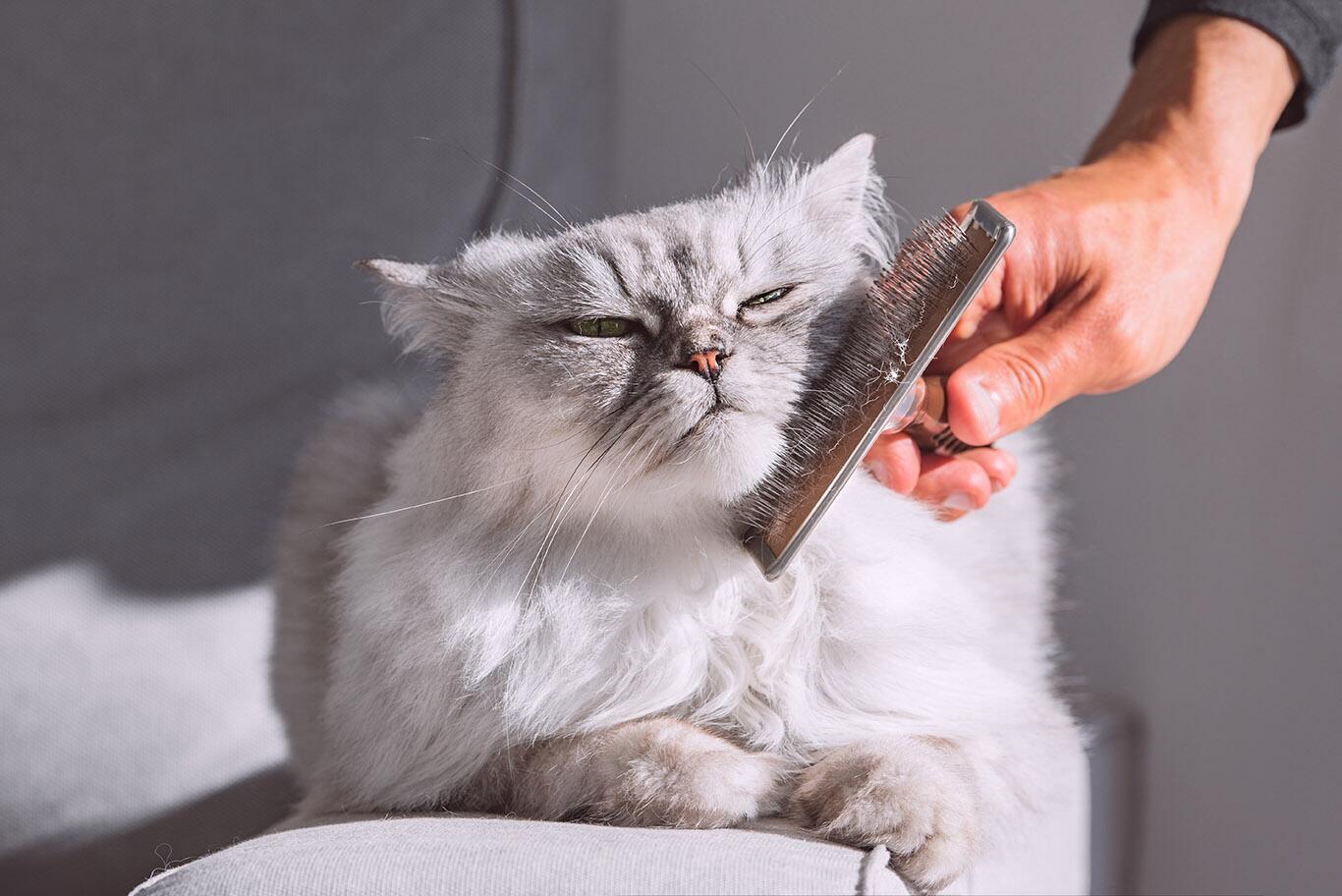
Brush your cat’s fur gently every day. This removes loose hair and prevents mats. Mats can cause discomfort and lead to tugging. Use a brush that suits your cat’s fur type. Regular grooming also strengthens your bond with your cat.
Environmental Enrichment
Provide toys and activities to keep your cat busy. Boredom often leads to over-grooming and tugging. Create a stimulating space with scratching posts and puzzle feeders. Change toys regularly to maintain interest. A happy cat grooms less out of boredom.
Stress Reduction Techniques
Stress is a common cause of fur tugging. Create a calm and safe environment at home. Use soothing sounds or pheromone diffusers to relax your cat. Maintain a consistent routine for feeding and playtime. Quiet places for hiding help reduce anxiety.
Routine Health Checks
Visit the vet regularly to rule out skin problems or allergies. Health issues can cause itching and fur pulling. Check for parasites like fleas that irritate the skin. Early treatment prevents fur tugging caused by discomfort or pain.
Frequently Asked Questions
Why Is My Cat Tugging Her Fur When Grooming?
Cats tug their fur while grooming to remove loose hair and dirt. It helps keep their coat clean and healthy. Sometimes, it may indicate stress or skin irritation if excessive.
Can Tugging Fur Indicate Skin Problems In Cats?
Yes, frequent fur tugging can signal skin issues like allergies, parasites, or infections. If your cat shows redness or sores, consult a vet.
Does Stress Cause Cats To Pull Their Fur?
Stress or anxiety can make cats pull their fur as a coping mechanism. Identifying and reducing stress triggers can help stop this behavior.
How Can I Stop My Cat From Tugging Her Fur?
Provide regular grooming, check for skin conditions, and reduce stress. Consult a vet if the behavior persists or worsens.
Conclusion
Cats tugging their fur while grooming can signal many things. It might be stress, allergies, or skin problems. Watching your cat closely helps spot any changes early. Make sure your pet feels safe and comfortable. Regular vet visits keep your cat healthy and happy.
Understanding your cat’s behavior builds a stronger bond. Small actions can improve your cat’s well-being. Stay patient and caring—your cat needs you. Keep learning about your pet’s needs every day. Simple care makes a big difference in their life.

Leave a Reply