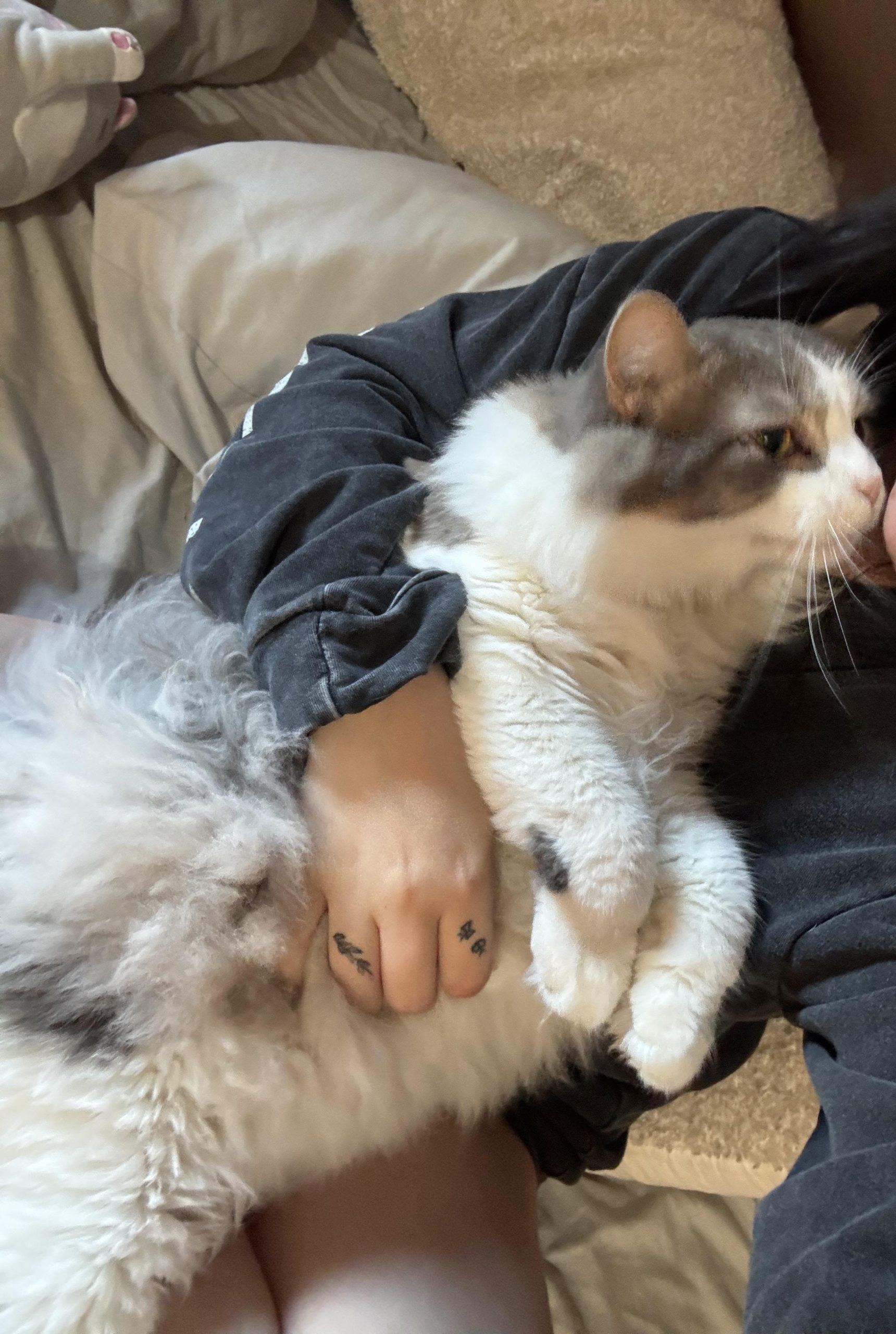
Have you ever noticed your cat not grooming itself like it used to? If your furry friend is skipping their usual cleaning routine, it can be worrying.
Grooming is a natural habit for cats, and when they stop, it might mean something is wrong. You might be wondering why this is happening and what it means for your cat’s health. Keep reading to discover the surprising reasons behind this change and what you can do to help your beloved pet feel comfortable and happy again.
Credit: www.preventivevet.com
Common Grooming Habits
Cats are known for their fastidious grooming habits. Grooming is a natural behavior that helps cats stay clean and healthy. Understanding their common grooming habits can help identify when something is wrong.
Normal Grooming Behavior
Cats use their tongue to clean their fur and skin. Their rough tongue removes dirt and loose hair. Grooming also spreads natural oils, keeping their coat shiny and soft. Cats often lick their paws and rub them on their face. This helps clean areas they cannot reach with their tongue. Grooming calms cats and reduces stress.
Frequency And Patterns
Most cats groom several times a day. Each session can last from a few minutes to half an hour. Younger cats groom more often than older cats. Grooming usually happens after eating, waking up, or playing. Some cats prefer quiet places for grooming. Changes in grooming frequency or patterns can signal health issues.
Health Issues Affecting Grooming
When your cat stops grooming itself, health issues often lie beneath the surface. Grooming is not just about cleanliness; it reflects your cat’s overall well-being. If your feline friend suddenly looks unkempt or has matted fur, consider that an underlying health problem might be interfering with its ability to groom.
Skin Conditions
Skin problems can make grooming painful or uncomfortable for your cat. Issues like allergies, fungal infections, or parasites cause itching and irritation. If your cat avoids grooming, check for redness, sores, or flaky skin that might need veterinary attention.
Have you noticed your cat scratching more than usual? That could mean the skin is too sensitive to handle regular grooming. Prompt treatment can restore comfort and encourage your cat to groom again.
Pain And Arthritis
Older cats or those with injuries may find grooming difficult due to pain or stiffness. Arthritis, for example, limits their flexibility, making it hard to reach certain spots. You might see your cat avoiding grooming or only cleaning easy-to-reach areas.
Consider how you would feel if bending or stretching was painful—would you want to groom yourself? Helping your cat with gentle massages or vet-approved pain relief can improve their grooming habits and quality of life.
Dental Problems
Dental pain can also stop a cat from grooming properly. Cats use their mouths and tongues extensively during grooming, so mouth issues might discourage this behavior. Look for signs like bad breath, drooling, or reluctance to eat, which often accompany dental problems.
If your cat isn’t grooming and you notice dental symptoms, a check-up is crucial. Addressing dental health can reduce pain and restore their natural grooming routine.
Emotional And Psychological Factors
Cats are known for their meticulous grooming habits, but what happens when your feline friend stops taking care of their coat? Emotional and psychological factors can play a significant role in this behavior change. Understanding these factors can help you provide the support your cat needs to return to their usual grooming routine.
Stress And Anxiety
Stress and anxiety can dramatically affect a cat’s grooming habits. Changes in the household, such as a new pet or moving to a new home, can unsettle your cat. Have you recently introduced something new to their environment?
Cats are creatures of habit, and disruptions can lead to increased stress, causing them to neglect grooming. Consider if there have been any recent changes and try to create a calming environment for your cat. A quiet space with their favorite toys or a cozy bed might help reduce their anxiety.
Depression In Cats
Yes, cats can experience depression, which might surprise you. Just like humans, they can show signs of sadness and lethargy. If your cat seems withdrawn and uninterested in activities they once loved, depression could be the cause.
Depressed cats often stop grooming because they lack the motivation to care for themselves. Engaging your cat in play and providing plenty of affection can help boost their mood. Have you noticed changes in their social interactions or energy levels?
Monitoring these emotional and psychological factors can lead to better understanding and support for your cat. Addressing these concerns might just be the key to helping them return to their grooming habits.

Credit: www.purina.com
Environmental Influences
Environmental influences play a big role in a cat’s grooming habits. Changes around them can stress cats, making them avoid grooming. A calm and familiar space helps cats feel safe and clean. When the environment shifts, grooming may stop or reduce.
Changes In Surroundings
Cats rely on routine and familiar places. Moving to a new home or rearranging furniture can confuse them. Strange noises or new pets also cause stress. This stress can stop cats from grooming themselves properly. They may hide or stay still to feel safe. It takes time for cats to adjust and start grooming again.
Lack Of Stimuli
Cats need mental and physical activity to stay healthy. Without enough play or interaction, cats can get bored. Boredom can cause them to stop grooming. A dull environment can make cats feel lazy or sad. Toys, climbing spaces, and regular play help keep their minds active. This encourages normal grooming behavior and overall well-being.
Age-related Grooming Changes
Age plays a significant role in how your cat grooms itself. From the energetic days of kittenhood to the slower pace of senior years, grooming habits can shift dramatically. Understanding these changes helps you spot when your cat might need extra care or a gentle nudge to stay clean and healthy.
Kitten Grooming Development
Kittens start grooming themselves at about two to three weeks old, gradually learning by watching their mother. Early on, they rely heavily on mom’s cleaning, but as they grow, they pick up the skill and begin practicing more independently.
At this stage, your kitten’s grooming might look clumsy or incomplete. That’s normal because they’re still mastering how to lick fur evenly and clean hard-to-reach spots. You might notice your kitten taking frequent breaks or focusing on certain areas more than others.
Encourage your kitten by gently brushing them and keeping their environment clean. This support helps them build good grooming habits faster. Have you noticed your kitten imitating your own grooming routine in small ways?
Senior Cat Grooming Decline
Older cats often slow down or stop grooming as thoroughly as they used to. This decline can be linked to arthritis, dental problems, or reduced flexibility, making it harder for them to reach certain parts of their body.
Your senior cat might develop matted fur or show signs of dandruff because grooming takes more effort. They may also spend less time cleaning themselves due to decreased energy or cognitive changes.
Helping your aging cat with regular brushing and vet check-ups can make a huge difference. It’s worth asking yourself: is your cat’s coat looking different lately? If so, it might be time to step in and assist with grooming to keep them comfortable and healthy.
When To See A Vet
Noticing your cat isn’t grooming itself can be worrying. It often signals that something is wrong beneath the surface. Knowing when to take your cat to the vet can make a big difference in their health and comfort.
Warning Signs
Watch for changes in your cat’s coat. Is it greasy, matted, or unusually dirty? These are key signs that grooming has stopped.
Look for behavior changes too. If your cat seems lethargic, hides more than usual, or stops eating, these could be red flags. Pain or discomfort might also cause them to avoid grooming.
Physical signs such as swelling, wounds, or unusual lumps on the skin are urgent signals. Don’t ignore sudden hair loss or excessive scratching. These symptoms often require immediate veterinary attention.
Diagnostic Tests
A vet will start with a thorough physical exam to check your cat’s skin, coat, and overall condition. They may ask about your cat’s diet, environment, and any recent changes at home.
Blood tests can reveal infections, hormonal imbalances, or organ issues that affect grooming behavior. Skin scrapings and allergy tests help identify parasites or allergic reactions causing discomfort.
In some cases, the vet might recommend X-rays or ultrasounds to check for internal problems. These tests uncover hidden health issues that stop your cat from grooming properly.
Helping Your Cat Groom Better
Helping your cat groom better is important for its health and happiness. Cats may stop grooming due to health issues or stress. You can support your cat by providing tools, comfort, and regular health checks. These steps encourage your cat to stay clean and comfortable.
Grooming Tools
Use soft brushes to remove loose fur gently. Choose combs for long-haired cats to prevent mats. Nail clippers keep claws tidy, helping your cat groom itself better. Offer grooming wipes for quick cleaning. Tools make grooming easier and less stressful.
Creating A Comfortable Environment
Find a quiet, warm spot for grooming sessions. Use calm voices and gentle strokes. Avoid sudden movements to reduce fear. Regular, short sessions build trust and comfort. A relaxed cat grooms more often and feels safer.
Regular Vet Checkups
Schedule vet visits to spot health problems early. Skin infections or pain can stop grooming. Dental issues may cause discomfort while grooming. The vet can suggest treatments or diets. Healthy cats groom naturally and stay clean.
)
Credit: www.northroadvet.com.au
Frequently Asked Questions
Why Is My Cat Not Grooming Itself Properly?
Cats may stop grooming due to illness, pain, or stress. Skin conditions or arthritis can make grooming difficult. A vet visit helps identify underlying health issues affecting your cat’s grooming habits.
Can Stress Cause A Cat To Stop Grooming?
Yes, stress or anxiety can disrupt a cat’s grooming routine. Changes in environment or routine can lead to less self-cleaning. Providing a calm and stable environment helps improve grooming behavior.
Does Aging Affect A Cat’s Grooming Habits?
Older cats may groom less due to arthritis or dental pain. Reduced flexibility and discomfort can limit their ability to clean themselves. Regular vet check-ups can address age-related grooming problems.
Could My Cat’s Diet Impact Its Grooming Behavior?
Poor nutrition can cause dull fur and skin issues, affecting grooming. A balanced diet supports healthy skin and fur, encouraging regular grooming. Consult your vet for dietary recommendations if grooming declines.
Conclusion
Cats sometimes stop grooming due to health or stress issues. Watch for changes in behavior or appearance. Regular vet visits help catch problems early. Gently help your cat stay clean if needed. Offer a calm and safe environment at home.
Remember, your cat depends on you for care. Understanding your cat’s needs keeps it happy and healthy. Small actions make a big difference in their well-being. Stay patient and observe closely to support your pet.

Leave a Reply