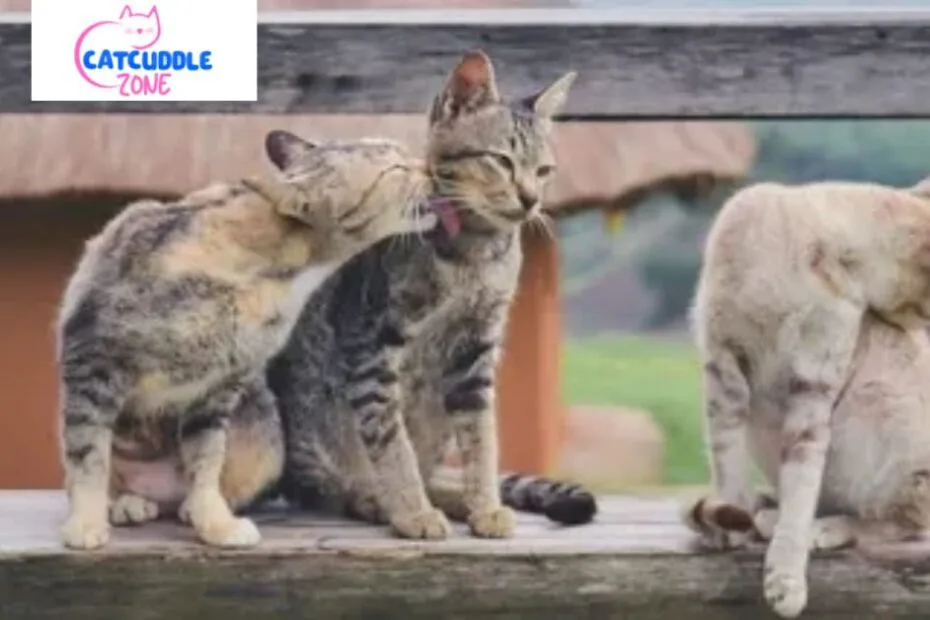
Have you ever watched cats gently lick each other and wondered why they do it? When cats groom one another, it’s more than just keeping clean.
This simple act holds secrets about their friendships, trust, and even their mood. Understanding why your cat shares this special bonding moment can help you connect with your furry friend on a deeper level. Keep reading to discover what this behavior means and how it reveals the hidden language of cats.
Social Bonds Among Cats
Cats are often seen as independent creatures, but their grooming habits reveal a different story. When cats groom one another, they are doing more than just keeping clean—they are strengthening their social bonds. This behavior plays a key role in how cats interact, communicate, and live together harmoniously.
How Grooming Builds Trust
Grooming between cats is a clear sign of trust. When your cat allows another to lick and clean its fur, it shows comfort and safety. This act reduces tension and signals that both cats feel secure in each other’s presence.
Think about your own cats or cats you’ve observed: they often groom those they feel closest to. This helps you identify which cats share a strong bond in a group. Have you noticed how your cats choose their grooming partners?
Strengthening Group Cohesion
Grooming is more than a personal favor; it promotes peace within a group. By grooming one another, cats create a shared scent that helps them recognize each other as part of the same team. This shared identity reduces conflicts and supports teamwork.
In multi-cat households or colonies, regular mutual grooming can prevent fights and ease the social hierarchy. You might see cats taking turns grooming each other, showing that cooperation benefits everyone. What steps can you take to encourage this kind of positive interaction among your cats?

Credit: www.companionanimalpsychology.com
Health Benefits Of Mutual Grooming
Mutual grooming among cats is more than just a social activity; it offers clear health benefits that impact their physical and emotional well-being. When cats groom one another, they help maintain cleanliness and create a calming environment that can reduce stress. Understanding these benefits can help you appreciate the deeper reasons behind this behavior.
Keeping Each Other Clean
Cats are meticulous about their hygiene, but sometimes they miss spots, especially hard-to-reach areas like the back of the head or neck. When cats groom each other, they fill in these gaps, making sure every part of their fur stays clean and free of dirt or parasites.
This mutual grooming also helps remove loose fur and prevents matting, which can be uncomfortable or even lead to skin problems. If you’ve ever noticed your cats grooming each other, you’re witnessing a natural way they care for their health.
Reducing Stress And Anxiety
Mutual grooming isn’t just about cleanliness; it’s a powerful stress reliever. When cats lick and groom each other, their bodies release endorphins, which help them feel calm and safe. This behavior can reduce anxiety, especially in multi-cat households where tensions might run high.
Have you observed your cats grooming after a stressful event? It’s their way of soothing each other and reinforcing trust within their group. Encouraging this behavior can help maintain peace and emotional balance among your feline friends.
Communication Through Grooming
Cats have a unique way of communicating. Grooming is one of their key methods. When cats groom each other, it’s more than just cleaning. It’s a form of communication that strengthens their bond. Understanding these interactions can give insights into their world.
Signals Of Affection And Acceptance
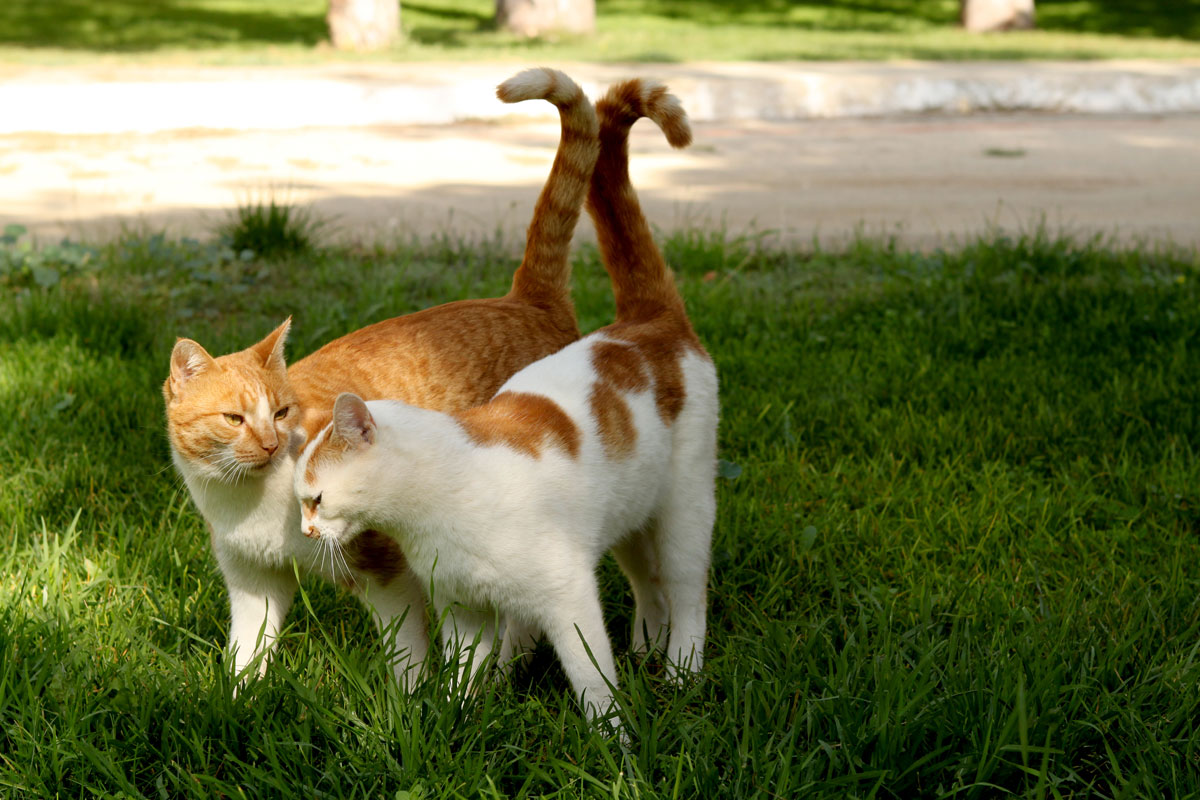
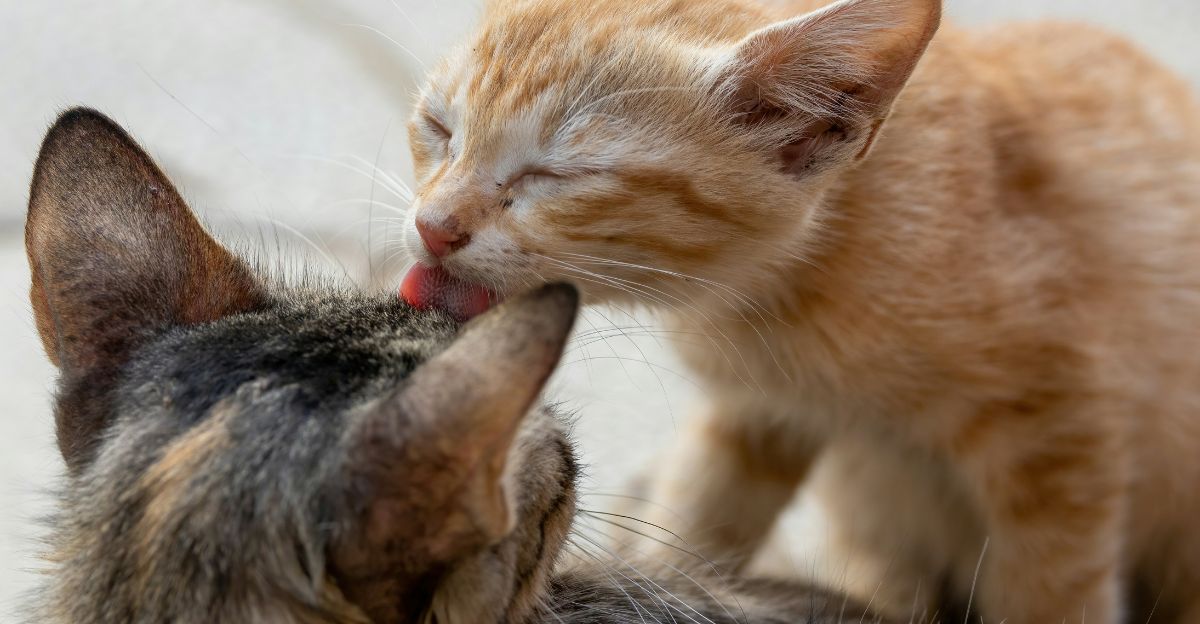
Grooming shows love and trust. Cats groom those they care about. It’s a sign of a strong relationship. A cat licking another cat’s fur means acceptance. It’s their way of saying, “You are part of my family.” This behavior is often seen among cats that live together. Grooming also reduces stress and increases comfort. It’s a simple yet powerful gesture of affection.
Establishing Hierarchies
Grooming can also establish social order. In a group, dominant cats often groom others. This shows who is in charge without conflict. It’s a peaceful way to maintain harmony. The more dominant cat grooms others to assert its position. Subordinate cats may groom the dominant one in return. This mutual grooming strengthens group dynamics. It helps maintain balance and peace within the feline community.
Credit: www.companionanimalpsychology.com
When Grooming Indicates More Than Friendship
Grooming between cats often signals friendship and bonding, but sometimes it reveals much deeper social dynamics. When cats groom each other, they communicate in ways that go beyond simple affection. Recognizing these cues can help you understand your feline companions better.
Mating And Reproductive Behavior
Grooming plays a key role during mating seasons. Male cats may groom females to show interest and establish a connection. This behavior helps calm the female and can increase her receptiveness.
Females might reciprocate grooming to signal acceptance or to strengthen the bond before mating. If you notice increased grooming between cats during certain times, it might be tied to their reproductive cycle rather than just friendship.
Comforting After Conflict
After a fight or disagreement, cats often groom one another to restore peace. This act serves as an apology and helps reduce tension. Watching your cats groom after a scuffle shows their effort to rebuild trust.
Grooming can also soothe stress and anxiety, so if your cats are grooming more after a stressful event, they might be helping each other feel safe again. Have you observed your cats cleaning each other right after they seem upset?
Factors Influencing Grooming Behavior
Grooming among cats is more than just a way to stay clean—it’s a complex social behavior influenced by various factors. Understanding what drives this interaction can help you better interpret your cats’ relationships and wellbeing. Let’s look at some key influences on why and when cats groom one another.
Age And Relationship
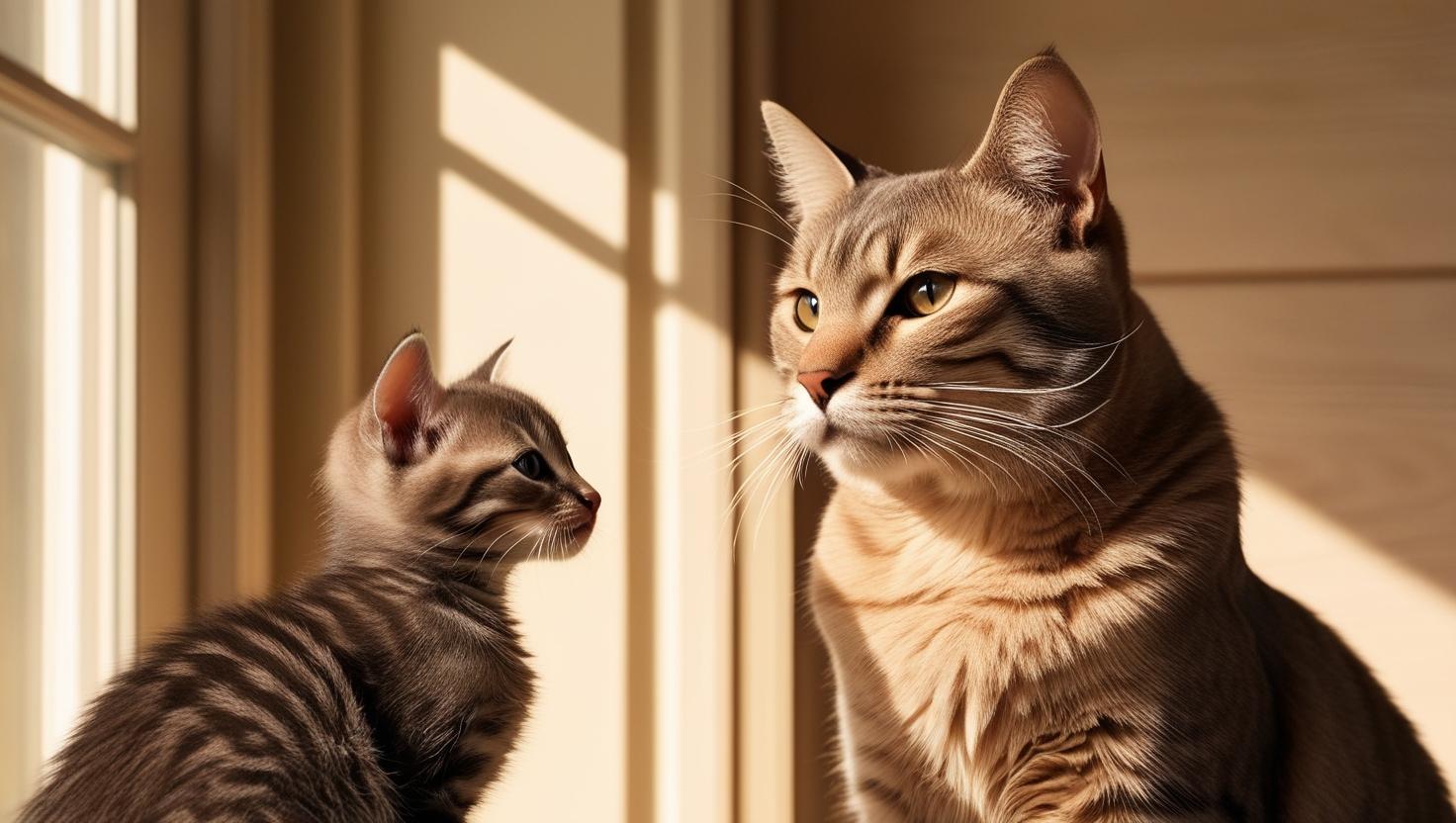
Age plays a crucial role in grooming behavior. Younger cats often receive more grooming from older cats, who act almost like caretakers. If you’ve seen an older cat gently licking a kitten, you’ve witnessed this nurturing instinct in action.
The closeness of the relationship also matters. Cats that share strong bonds—whether siblings, mates, or long-time companions—are more likely to groom each other. Think about your own cats: do they groom only certain friends? That’s their way of showing trust and affection.
Environment And Social Setting
The environment your cats live in influences grooming too. In a calm and safe space, cats feel more comfortable engaging in social grooming. On the other hand, a stressful or chaotic setting can reduce these interactions.
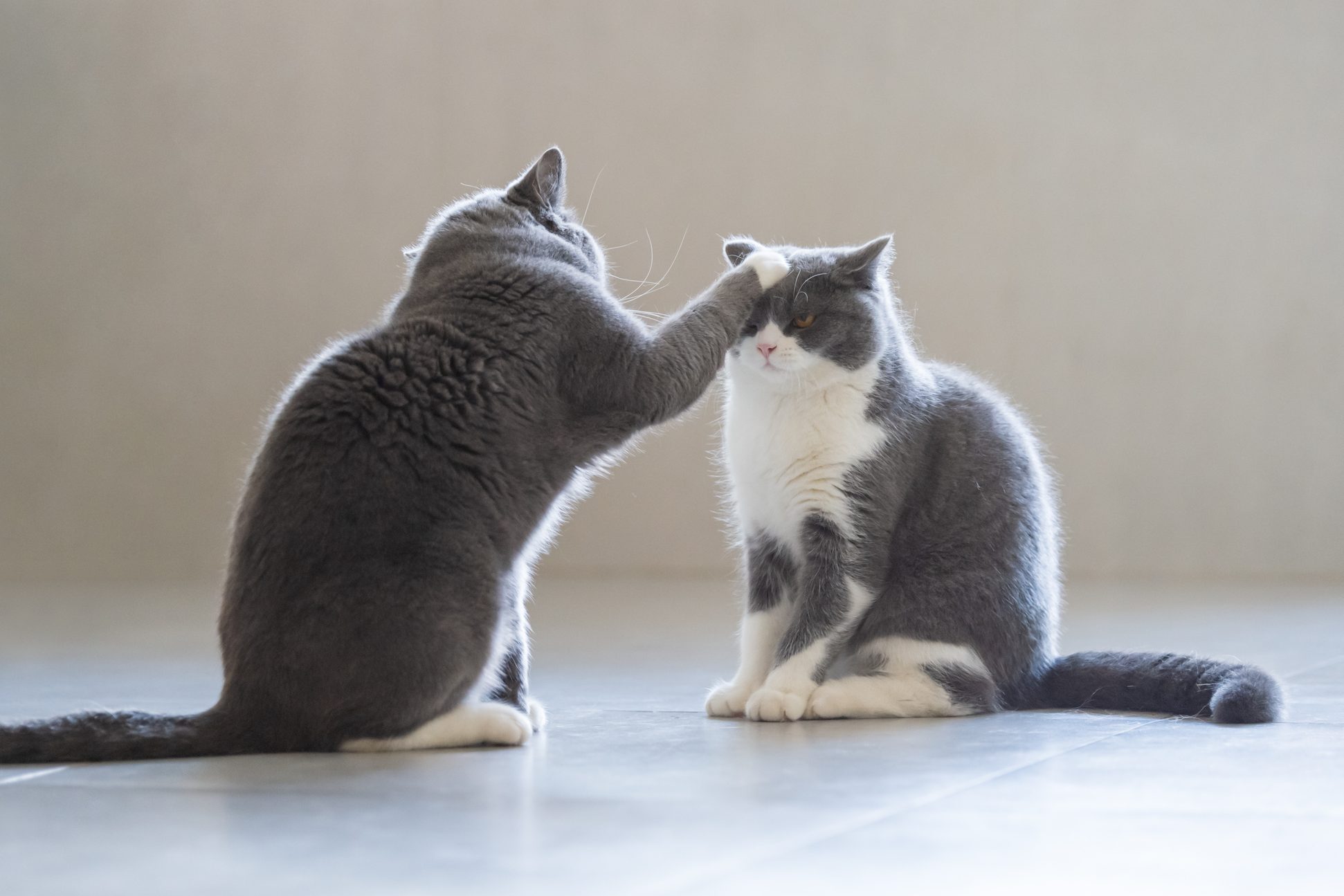
Social dynamics within a group also affect grooming patterns. Dominant cats might initiate grooming as a way to assert control, while submissive cats may groom to seek acceptance. Observe your cats closely—who grooms whom, and when? This can reveal a lot about their social hierarchy.
Credit: www.rd.com
How To Encourage Positive Grooming
Encouraging positive grooming between your cats can deepen their bond and keep them both clean and comfortable. It’s not just about hygiene; grooming is a social activity that builds trust and reduces stress. You can help your cats feel secure and willing to groom each other by creating the right environment and easing them into each other’s company.
Creating A Safe Space
Your cats need a calm and secure area where they feel relaxed enough to groom each other. Avoid loud noises and sudden movements that might startle them. Provide cozy spots with soft bedding where they can settle side by side without feeling threatened.
Make sure there are multiple resources like food bowls, litter boxes, and water stations spread around. This prevents competition and reduces tension that could block positive interactions. Have you noticed how your cats behave differently when they have their own space? That sense of safety is key to encouraging grooming.
Introducing Cats Gradually
Don’t rush the process when introducing new cats. Let them sniff each other’s scent first by swapping bedding or toys before any face-to-face meetings. This helps them get used to each other without direct contact.
When you do bring them together, keep initial meetings short and supervised. Reward calm behavior with treats or gentle petting. Over time, as they grow comfortable, you’ll likely see them start to groom each other naturally.
Have you tried letting your cats set the pace of their interactions? Respecting their boundaries encourages trust and makes positive grooming more likely to develop.
Frequently Asked Questions
Why Do Cats Groom One Another?
Cats groom each other to strengthen social bonds and show affection. This behavior, called allogrooming, helps reduce stress and maintain group harmony. It also aids in cleaning hard-to-reach areas, promoting overall hygiene and health.
How Often Do Cats Groom Each Other?
Cats usually groom each other several times a day, especially if they share a close bond. The frequency depends on their relationship, environment, and stress levels. Regular grooming helps maintain cleanliness and reinforces social connections.
Does Grooming Mean Cats Are Friends?
Yes, grooming indicates trust and friendship between cats. When cats groom each other, it signals comfort and acceptance. This behavior helps build and maintain social hierarchies and reduces tension within the group.
Can Grooming Prevent Cat Fights?
Grooming helps reduce aggression by promoting positive interactions. It lowers stress and establishes peaceful relationships among cats. While it may not prevent all fights, grooming significantly decreases conflict chances.
Conclusion
Cats grooming each other shows trust and care. It helps them stay clean and healthy. Grooming also builds strong bonds between cats. When you see this behavior, it means they feel safe. Watching cats groom can be calming and sweet.
Remember, this natural act keeps cats happy together. Understanding it helps you know your pets better. Keep an eye on their grooming habits to spot any health issues early. Caring for cats means respecting their social ways. This simple act says a lot about their friendship.

Leave a Reply