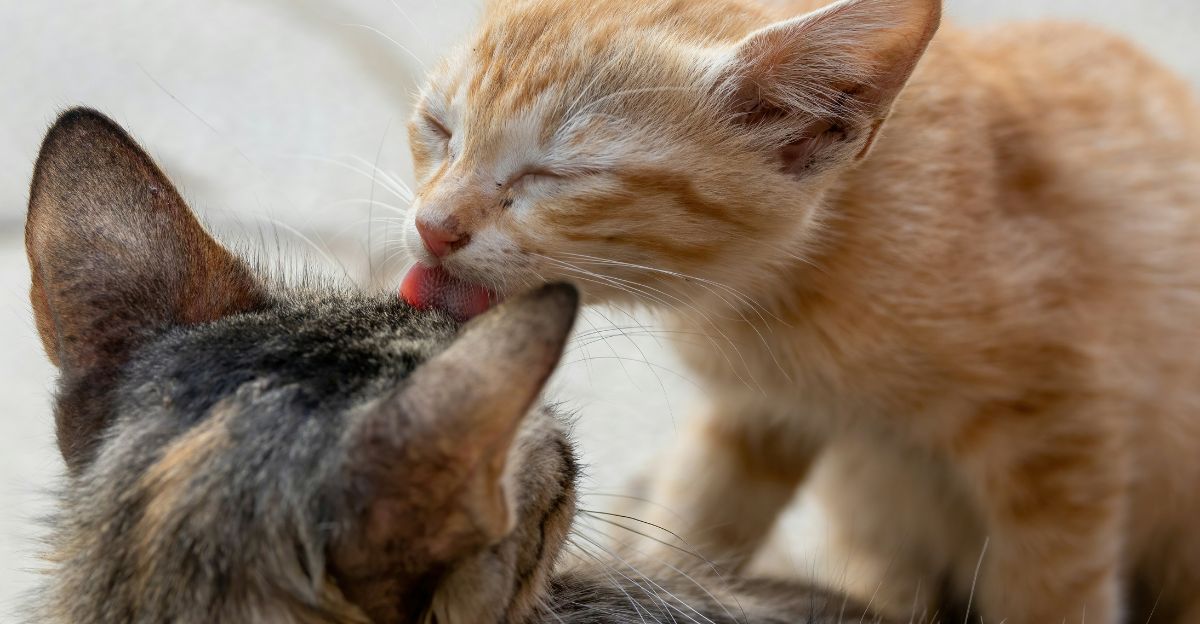
Have you ever noticed your cat suddenly start grooming itself more than usual and wondered why? It’s not just a random habit.
Your cat’s grooming behavior can tell you a lot about how it’s feeling. Whether it’s a sign of stress, health issues, or simply a way to stay comfortable, understanding why your cat suddenly starts grooming can help you care for it better.
Keep reading to discover the surprising reasons behind this common behavior and what it means for your furry friend.
Credit: www.petscare.com
Common Grooming Habits
Cats are known for their meticulous grooming habits, which can sometimes leave owners wondering about sudden changes in their behavior. Understanding common grooming habits helps you recognize what is normal and when to be concerned. It’s not just about cleanliness; grooming plays a key role in your cat’s overall health and comfort.
Normal Grooming Patterns
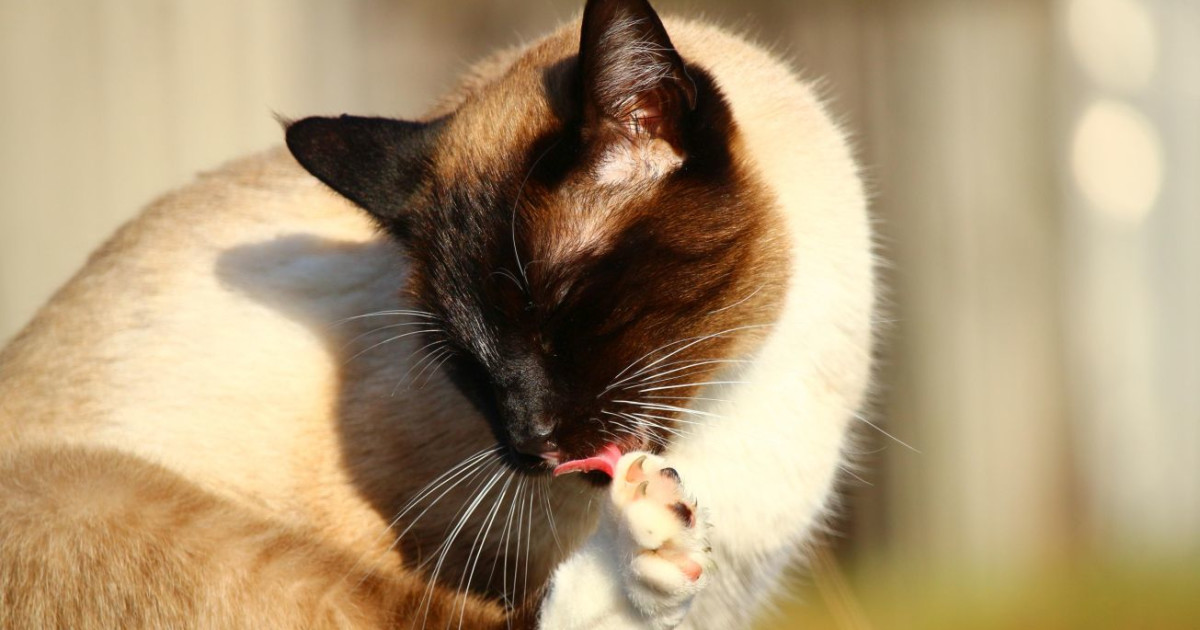
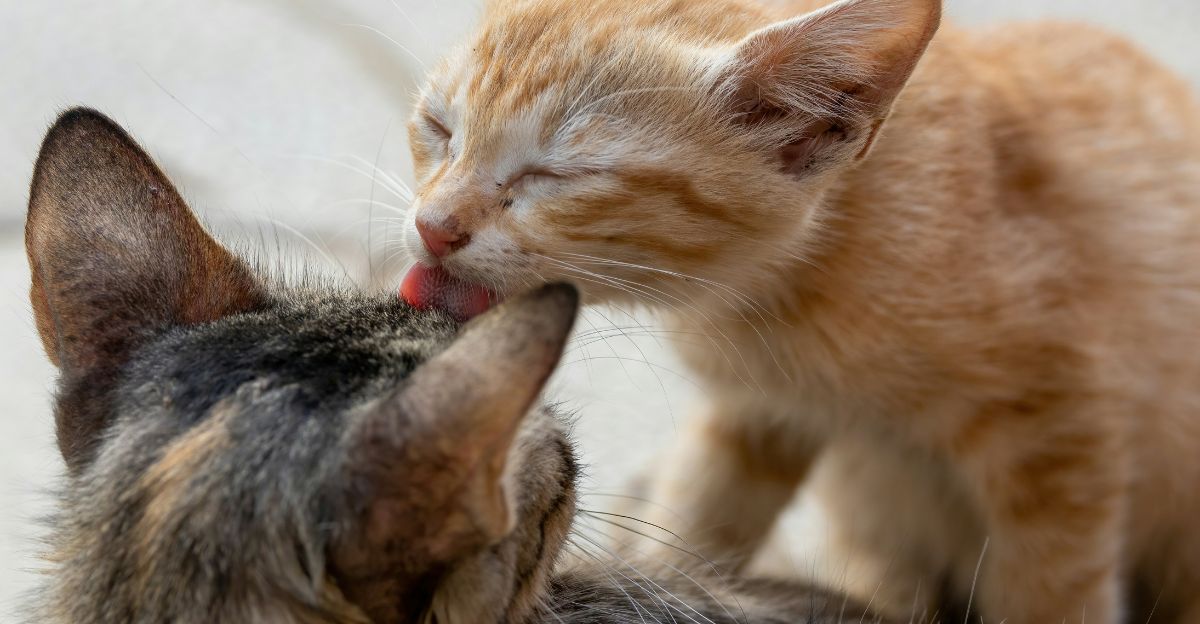
Cats usually spend a good part of their day grooming themselves. This includes licking their fur, cleaning their face with their paws, and even nibbling on certain spots. Such behavior keeps their coat clean, removes loose fur, and helps regulate body temperature.
Have you noticed your cat pausing often to groom certain areas? This is typical as they focus on spots they can easily reach. Grooming also serves as a way for cats to relax, almost like a calming ritual after play or stressful moments.
Frequency Variations
Grooming frequency varies from one cat to another. Some cats groom multiple times an hour, while others may do so less often. Changes in frequency can be influenced by factors such as weather, stress, or health conditions.
If your cat suddenly starts grooming more than usual, it might be a sign of discomfort or irritation. On the other hand, less frequent grooming could indicate pain or dental issues. Watching these patterns closely helps you catch potential problems early.

Credit: tryfurgo.com
Stress And Anxiety Triggers
Cats often start grooming suddenly due to stress and anxiety. Grooming helps them calm down and feel secure. Understanding these triggers can help you support your cat better.
Environmental Changes
Changes in a cat’s environment can cause stress quickly. Moving to a new home or rearranging furniture can confuse a cat. Loud noises like construction or fireworks also trigger anxiety. These changes make cats feel unsafe. Grooming becomes a way to cope and regain comfort.
Social Stressors
New people or animals in the house can stress cats. Introducing a new pet may cause rivalry or fear. Cats might groom more to soothe themselves. Even visitors or strangers can make cats uneasy. Grooming helps reduce tension and restore calmness.
Health Issues Impact
Cats may groom suddenly due to stress or skin problems. Excessive licking can signal health issues needing attention. Watching their behavior helps spot early signs of discomfort or illness.
Cats are meticulous groomers, but when their grooming habits change suddenly, it often signals an underlying health issue. Understanding the reasons behind these changes can help in addressing any potential problems early. Let’s explore some common health-related causes that might lead your feline friend to engage in excessive grooming.Skin Allergies
Cats can suffer from skin allergies due to various factors like food, pollen, or dust mites. When allergens irritate their skin, they may start grooming excessively to alleviate the itchiness. It’s crucial to observe if your cat is focusing on specific areas, as this might indicate the location of the allergy. Consider switching to hypoallergenic cat food or using air purifiers in your home to reduce potential allergens. A visit to the vet can provide further insights and treatments, such as antihistamines or special shampoos.Parasite Infestations
Fleas and ticks are common culprits that can lead to sudden grooming behaviors. These parasites cause discomfort and itching, prompting your cat to groom more aggressively. Check your cat’s fur and skin for any signs of fleas or ticks, such as small black specks or visible parasites. Regularly using flea prevention treatments can help keep these pests at bay. If you suspect a parasite infestation, consult your vet for the most effective treatment options.Pain Or Discomfort
Cats might start grooming excessively if they’re experiencing pain or discomfort. This can be due to conditions like arthritis or an injury. Notice if your cat is focusing on a particular limb or area—this might be a clue to where the pain is. Keep an eye on your cat’s mobility and behavior. If you notice limping or reluctance to jump, it might be time for a veterinary check-up. Managing your cat’s pain with appropriate medication or supplements can significantly improve their quality of life. Have you ever noticed a sudden change in your cat’s grooming habits? What steps did you take to address it? Understanding these health issues can help ensure your feline companion stays happy and healthy.Behavioral Reasons
Cats often change their grooming habits for reasons beyond cleanliness. Behavioral factors play a big role in why your cat might suddenly start grooming more than usual. Understanding these reasons helps you recognize what your cat might be trying to communicate or cope with.
Boredom And Attention Seeking
Have you noticed your cat grooming more when left alone for long hours? Cats can turn to grooming as a way to fill time when they feel bored. It’s their way of keeping busy and distracting themselves.
Sometimes, excessive grooming is a call for your attention. If your cat feels ignored, they might groom themselves to get you to notice. Have you tried playing with your cat more often to see if the grooming reduces?
Habit Formation
Cats are creatures of habit, and grooming can become a routine behavior. Once your cat starts grooming frequently, it can turn into a habit that’s hard to break. This is especially true if the grooming initially helped them feel calm or comfortable.
Think about your cat’s grooming as a learned response to certain feelings or situations. If your cat feels stressed or anxious, grooming can act like a calming ritual. What new habits might your cat have picked up recently that could explain this change?
Hormonal Influences
Cats’ grooming habits can shift suddenly due to changes inside their bodies, especially related to hormones. These chemical messengers influence how often and intensely your cat cleans itself. Understanding these hormonal influences can help you spot when grooming changes are normal or when they might signal a problem.
Reproductive Cycles
Female cats go through heat cycles that trigger hormonal surges. During these times, you might notice your cat grooming more frequently or in different ways. This behavior helps manage scent and comfort during her reproductive phase.
Male cats also experience hormonal changes, especially if they are intact. Increased grooming can be a response to rising testosterone levels, which affect their mood and activity. Have you observed your cat’s grooming habits change as they mature or during mating seasons?
Hormonal Imbalances
Sometimes, sudden grooming changes stem from hormonal imbalances rather than natural cycles. Conditions like hyperthyroidism can cause your cat to groom excessively, leading to hair loss or skin irritation. It’s important to monitor these signs and consult your vet if grooming becomes obsessive.
Other imbalances, such as those affecting cortisol levels, can also trigger stress-related grooming. Your cat might lick or chew its fur to self-soothe when hormones are off balance. Paying attention to these patterns can help you catch health issues early and keep your cat comfortable.
Environmental Factors
Cats often change their grooming habits due to shifts in their environment. These changes affect their comfort and health. Understanding these environmental factors helps explain why cats suddenly groom more or less. Two main factors are seasonal changes and temperature effects.
Seasonal Changes
Seasonal shifts impact a cat’s fur and skin. In spring and fall, cats shed old fur to prepare for new coats. This shedding makes them groom more to remove loose hair. Grooming helps keep their coat clean and smooth during these transitions.
Longer daylight hours in summer may also increase activity, leading to more dirt and debris on their fur. Cats respond by grooming frequently. In winter, cats grow thicker coats and groom to keep their fur fluffy and insulating.
Temperature Effects
Temperature changes influence grooming behavior strongly. When it’s hot, cats lick their fur to cool down. Saliva evaporates and lowers their body heat. This natural cooling method leads to increased grooming in warm weather.
Cold weather, on the other hand, encourages grooming to maintain fur condition. Well-groomed fur traps air and provides insulation. Cats groom more to ensure their coat stays effective against the cold.
When To See A Vet
Noticing your cat suddenly grooming more than usual can be worrying. While grooming is a normal behavior, too much of it may signal an underlying problem. Knowing when to see a vet is crucial to keep your feline friend healthy and comfortable.
Signs Of Excessive Grooming
Excessive grooming often leads to visible changes in your cat’s fur and skin. You might see bald patches, redness, or even small wounds where your cat has over-groomed.
Watch for behavior changes too. Is your cat grooming nonstop, or focusing on one spot? Are they restless or irritated? These signs suggest it’s time to get a professional opinion.
Have you noticed your cat licking or biting so much that it affects their mood or appetite? Such behavior can indicate stress, allergies, or parasites that need addressing.
Diagnostic Steps
When you visit the vet, they will begin with a thorough physical exam. The vet will check your cat’s skin, coat, and overall health to pinpoint the cause of excessive grooming.
Common diagnostic steps include:
- Skin scrapings to look for mites or infections
- Allergy tests to identify food or environmental triggers
- Blood tests to rule out hormonal or systemic issues
Sometimes, vets may suggest behavior assessments if stress or anxiety seems likely. Understanding these steps can prepare you for the vet visit and help you ask the right questions.
Credit: pethelpful.com
Frequently Asked Questions
Why Do Cats Groom Themselves Suddenly More Often?
Cats groom more when stressed, anxious, or uncomfortable. It helps them calm down and feel secure. Sudden grooming changes can signal health or environmental issues.
Can Sudden Grooming Indicate A Cat’s Health Problem?
Yes, sudden grooming may show skin irritation, allergies, or parasites. It’s important to check for wounds or redness and consult a vet if needed.
How Does Grooming Help Cats Emotionally?
Grooming releases endorphins that reduce stress and promote relaxation. It also strengthens their bond with themselves and other cats by scent sharing.
When Should I Worry About My Cat’s Grooming Behavior?
If grooming is excessive, causes bald spots, or skin damage, consult a vet. These signs might indicate anxiety, infections, or parasites needing treatment.
Conclusion
Cats groom suddenly for many reasons. It can be stress, illness, or just habit. Grooming helps them feel calm and clean. Watch your cat’s behavior to spot any changes. If grooming seems excessive, a vet visit is wise. Understanding your cat’s grooming helps keep them happy.
Keep their environment safe and comfortable. This way, your cat stays healthy and relaxed.

Leave a Reply