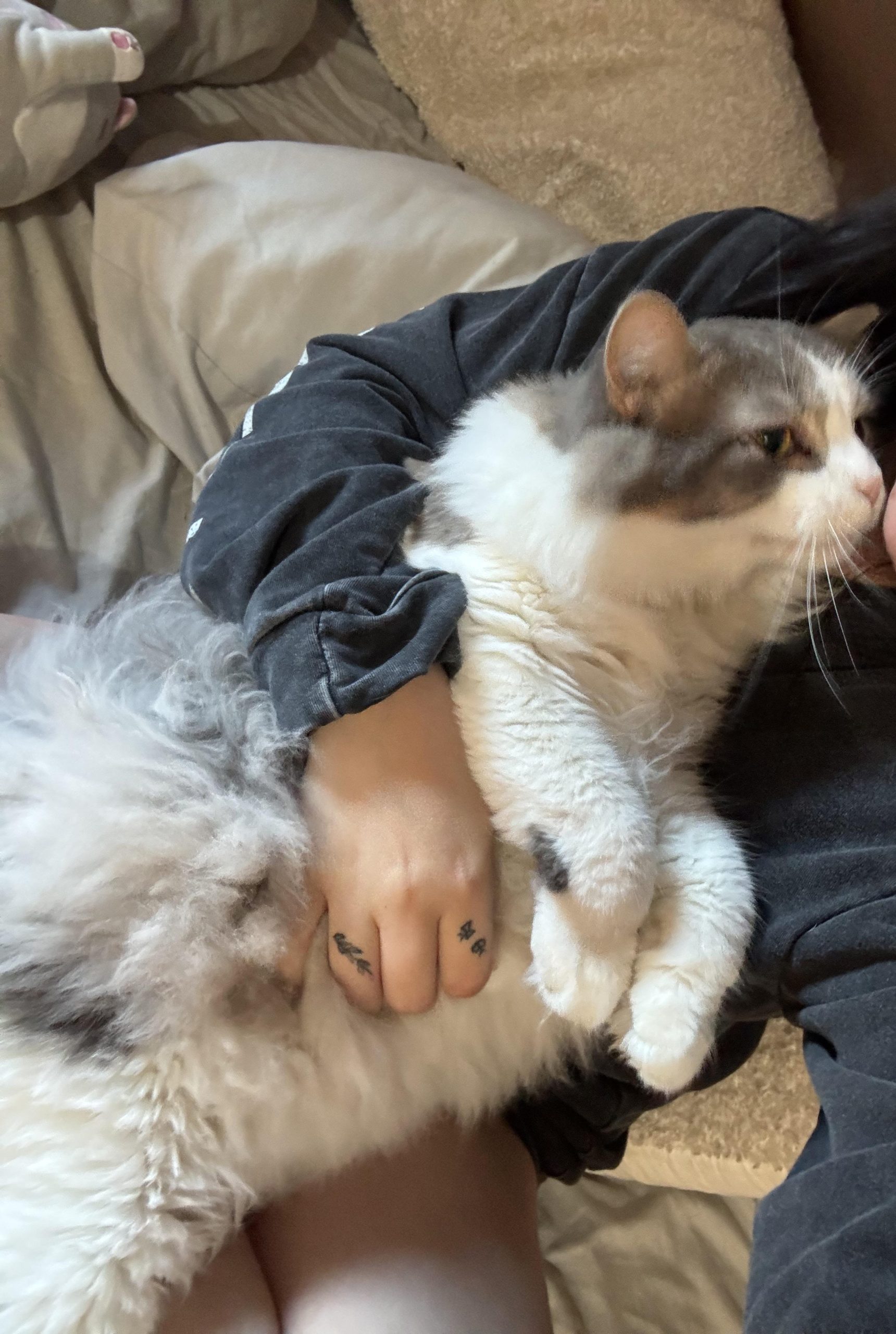
Have you noticed your cat isn’t cleaning himself like he used to? You might be wondering, “Why doesn’t my cat groom himself?” It’s natural to expect cats to keep their fur neat and tidy.
When they don’t, it can leave you worried and searching for answers. Understanding the reasons behind this behavior is key to helping your furry friend feel comfortable and healthy again. Keep reading, and you’ll discover what might be causing this change and how you can support your cat’s well-being.
Credit: www.animalcareclinicjc.com
Cat Grooming Basics
Understanding the basics of cat grooming helps explain why some cats may stop grooming themselves. Grooming is a natural behavior that keeps cats clean and healthy. It involves several instinctive actions that cats perform daily. Observing these basics can show signs of health or problems in your cat.
How Cats Groom Themselves
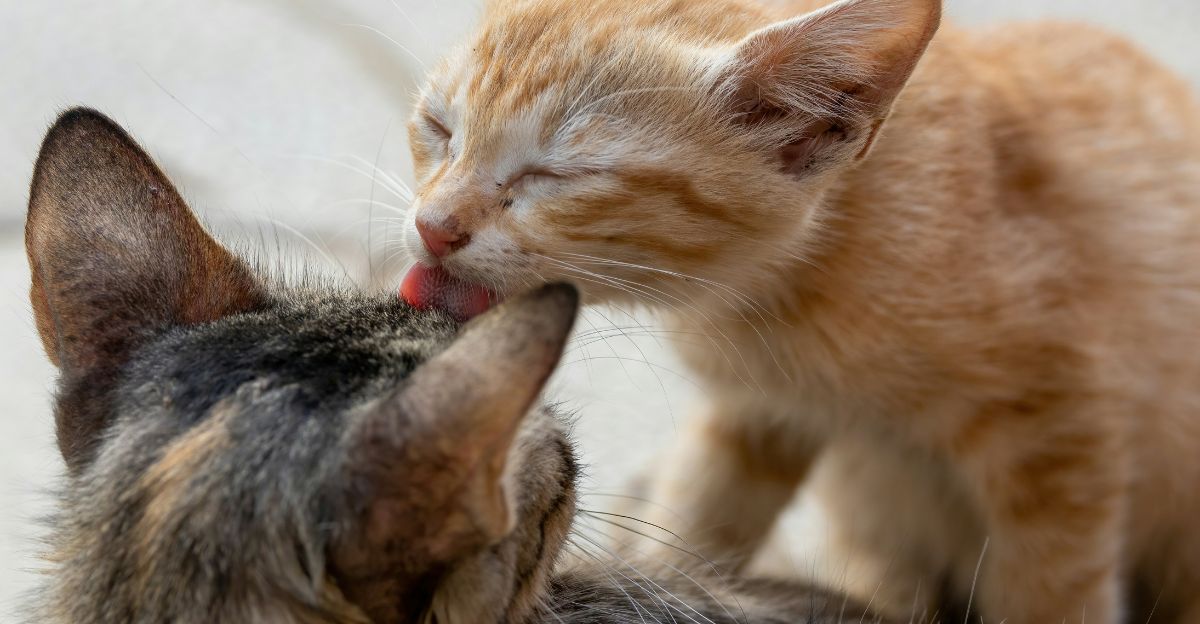
Cats use their tongues to clean their fur. Their tongues have tiny, hook-like structures that remove dirt and loose hair. Cats also lick their paws and rub them on their faces and heads. This helps spread natural oils that keep their fur smooth and shiny. Grooming also cools cats down and reduces stress.
Importance Of Grooming For Cats
Grooming helps prevent matting and skin infections. It removes parasites like fleas and ticks. Grooming keeps the cat’s coat healthy and reduces shedding. It also allows cats to check their bodies for injuries or wounds. Without grooming, cats can develop skin problems and feel uncomfortable.
Common Grooming Issues
Understanding why your cat might not groom himself starts with looking at common grooming issues. Grooming is a natural habit for cats, but sometimes this behavior changes or disappears. Identifying the root cause can help you support your cat’s health and comfort effectively.
Lack Of Grooming Behavior
When a cat stops grooming, it can signal a problem. Some cats simply lose interest due to pain or illness, especially if they have arthritis or dental problems. Older cats often struggle with grooming because of reduced flexibility or strength.
Stress or anxiety can also cause your cat to neglect grooming. Changes in the household, new pets, or loud noises might make your cat feel uneasy. Have you noticed if your cat’s grooming habits changed after a stressful event?
Signs Of Poor Grooming
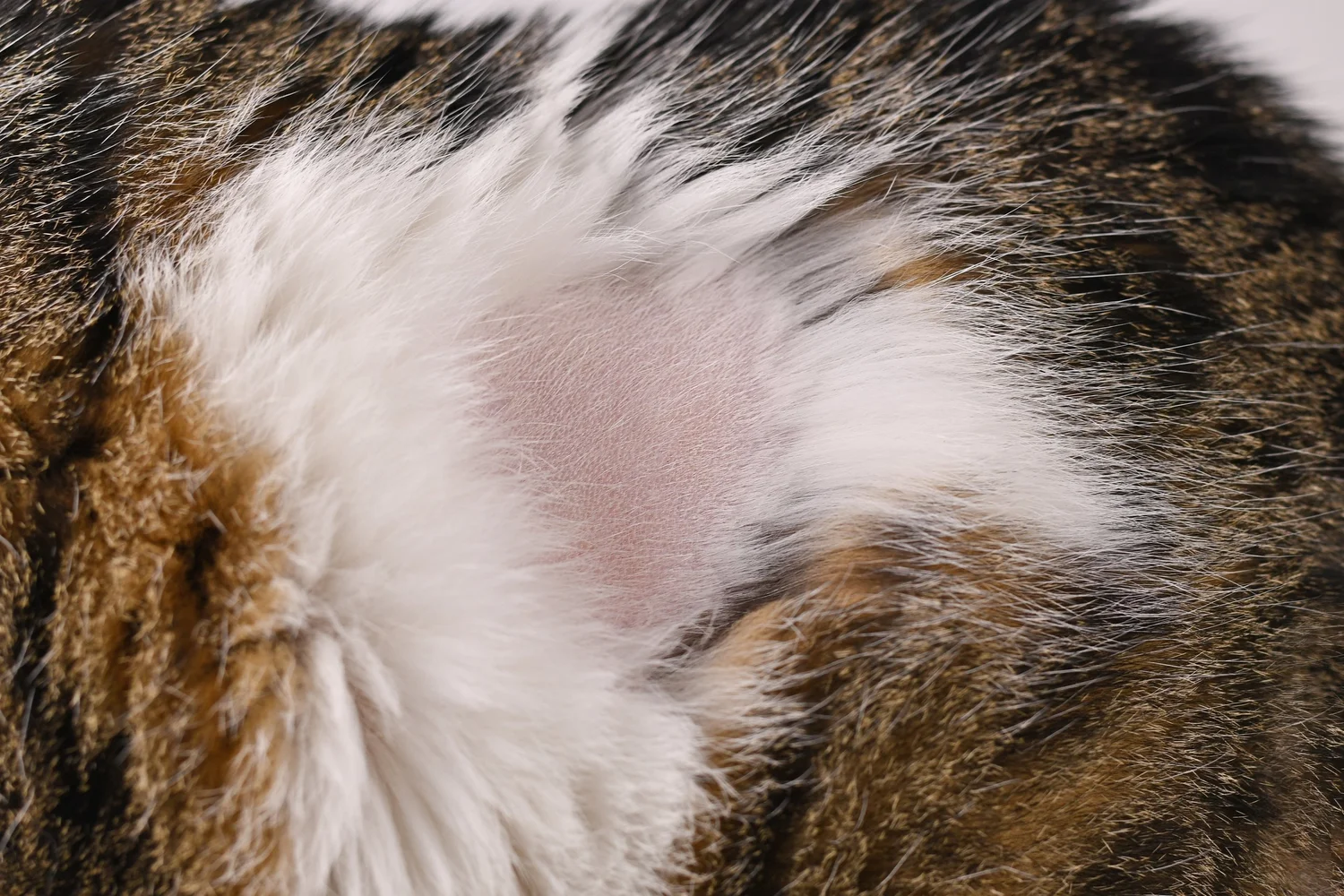
Spotting poor grooming is easier than you think. Look for mats, tangles, or patches of dirty fur. Your cat might also have flaky skin or an unpleasant odor.
Another clear sign is excessive shedding or bald spots. These indicate your cat is not maintaining its coat properly. If your cat’s fur looks dull or greasy, that’s a red flag that something is wrong.
- Clumps of fur sticking together
- Visible skin irritation or redness
- Strong, unusual odors coming from the coat
- Excessive scratching or licking in one area
Have you checked your cat’s grooming routine lately? Sometimes a quick look can reveal these signs early, allowing you to help your cat before problems get worse.
Health Problems Affecting Grooming
Cats usually groom themselves to stay clean and healthy. When a cat stops grooming, health problems might be the cause. These problems can make grooming hard or painful. Understanding these issues helps you take better care of your cat.
Skin Conditions
Skin problems can stop a cat from grooming. It may hurt to lick sore or itchy spots. Common issues include fleas, allergies, and infections. These cause redness, hair loss, or scabs. A cat with skin trouble may avoid grooming to reduce pain.
Dental Issues
Bad teeth or mouth pain can keep a cat from grooming. Chewing or licking hurts if the cat has dental disease. Problems like tooth decay or gum disease make grooming uncomfortable. This leads to less cleaning and a messy coat.
Arthritis And Mobility Problems
Arthritis makes joints stiff and painful. Cats with arthritis find it hard to reach parts of their body. Older cats often have this problem. Limited movement means grooming is difficult or impossible. This results in a dirty or matted coat.
Emotional And Behavioral Causes
Cats often stop grooming themselves due to emotional and behavioral reasons. These causes affect their motivation and energy. Changes in mood or feelings can make grooming less important to them. Understanding these factors helps in caring for your cat better.
Stress And Anxiety
Stress can make cats avoid grooming. Loud noises or new pets create anxiety. A stressed cat may hide or act restless. Grooming requires calmness, which stress takes away. Watch for signs like excessive meowing or hiding. Reducing stress helps your cat feel safe again.
Depression In Cats
Cats can feel sad or depressed too. Loss of a companion or lack of play may cause this. A depressed cat may sleep more and groom less. They lose interest in their usual activities. Not grooming is a sign that your cat feels down. Extra attention and love can lift their mood.
Changes In Environment
Moving to a new home or rearranging furniture can upset cats. They rely on routine for comfort. Sudden changes confuse them and lower grooming habits. New smells and sights can make them uneasy. Giving time to adjust helps cats return to grooming. Keep their space quiet and familiar during changes.
Diet And Nutrition Impact
A cat’s grooming habits rely heavily on its diet and nutrition. The food your cat eats affects their overall health and grooming routine. An imbalanced diet can cause poor grooming behavior in cats. This section explores how diet influences grooming through nutritional deficiencies and hydration.
Nutritional Deficiencies
Cats need a well-balanced diet to maintain healthy skin and fur. A lack of essential nutrients can lead to dull fur and skin problems. Common deficiencies include omega-3 fatty acids and vitamin E. These nutrients support a shiny coat and prevent dry skin. Ensure your cat’s diet includes high-quality proteins and essential fats. Consult with a veterinarian about the best diet plan for your cat.
Hydration And Coat Health
Proper hydration is crucial for a cat’s grooming routine. Dehydration can result in dry skin and a brittle coat. Cats often drink less water, relying on moisture from their food. Wet cat food can provide additional hydration compared to dry kibble. Make sure fresh water is always available for your cat. Consider using a pet water fountain to encourage drinking. Hydrated cats are more likely to maintain regular grooming habits.

Credit: www.reddit.com
When To See A Veterinarian
If your cat suddenly stops grooming, it’s a sign you shouldn’t ignore. Grooming is a natural behavior for cats, and a change can point to health issues. Knowing when to see a veterinarian can protect your cat from discomfort and serious problems.
Warning Signs To Watch For
Watch for patches of matted or dirty fur that don’t improve over time. Your cat may also develop bald spots or skin redness.
Other signs include:
- Excessive scratching or licking
- Visible pain when touched
- Sudden weight loss or gain
- Changes in appetite or behavior
- Lethargy or hiding
If you notice any of these, don’t wait. Your cat could have skin infections, allergies, or even arthritis making grooming painful. Sometimes, stress or depression might cause this change too.
Diagnostic Tests
Your veterinarian will start with a thorough physical exam. They might look closely at your cat’s skin and coat condition.
Tests your vet may suggest include:
- Skin scrapings to check for parasites
- Blood tests to rule out infections or organ problems
- Allergy testing if an immune response is suspected
- X-rays or joint exams if arthritis is a concern
These tests help find the root cause of grooming issues. You might feel overwhelmed, but addressing the problem early can make a huge difference. How quickly you act can mean the difference between a quick fix and long-term discomfort for your cat.
Tips To Encourage Grooming
Encouraging your cat to groom itself can sometimes be a challenge, especially if it’s not a natural habit or if health issues are involved. Helping your feline friend maintain good grooming habits improves their comfort and overall wellbeing. Here are some practical tips you can try to spark your cat’s interest in grooming.
Regular Brushing
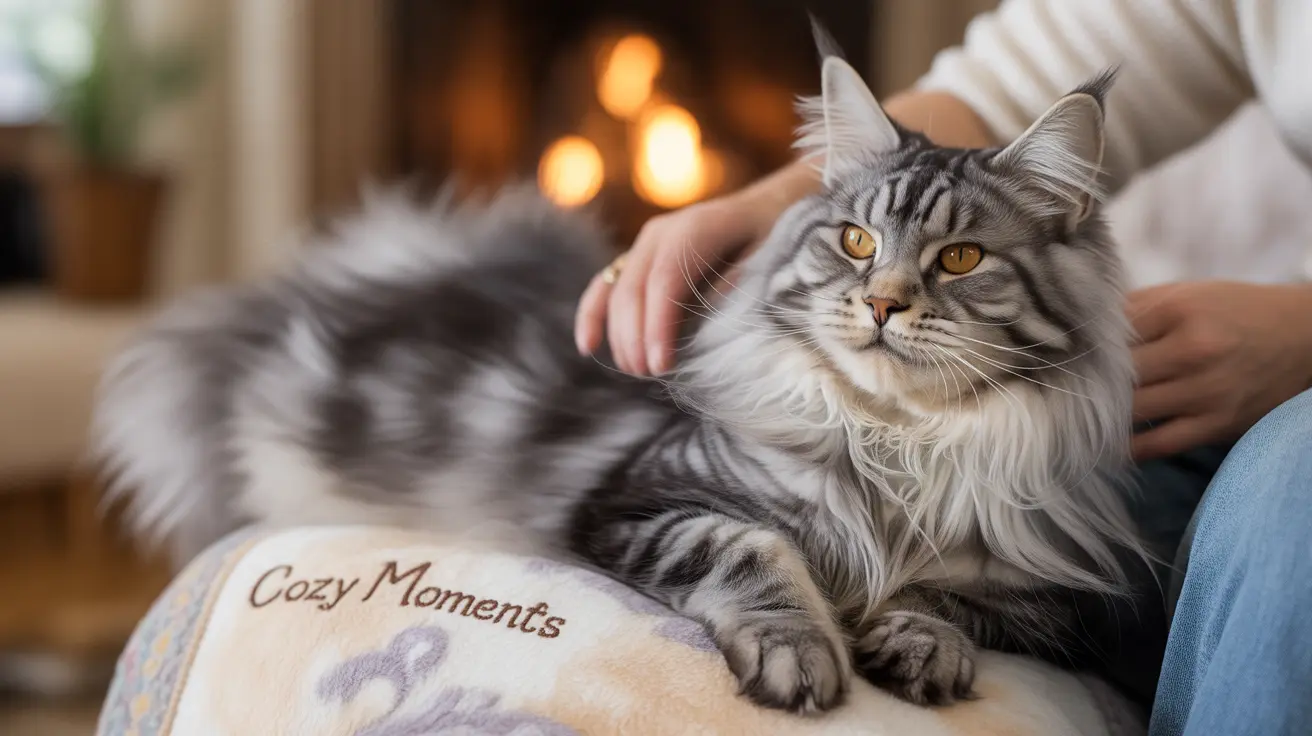
Brushing your cat regularly not only keeps their coat clean but also stimulates their natural grooming instincts. Start with short, gentle sessions and use a brush suited for your cat’s fur type. Over time, your cat may begin to mimic this behavior on its own.
Try brushing in a calm setting to make the experience positive. Notice if your cat prefers certain areas to be brushed and focus there. This interaction builds trust and encourages self-grooming.
Creating A Stress-free Space
Stress can stop cats from grooming themselves. Make sure your cat has a quiet, safe spot where they feel secure. Soft bedding, low noise, and hiding places can help reduce anxiety.
Observe your cat’s daily routine and remove anything that might cause distress. Could loud noises or other pets be interrupting their calm? A relaxed cat is more likely to take care of their grooming needs.
Proper Nutrition
Your cat’s diet plays a crucial role in the condition of their skin and fur. Feeding high-quality food rich in omega fatty acids can improve coat health and encourage grooming. Check the ingredient list and choose foods that support skin hydration.
Also, make sure your cat drinks enough water; hydration affects their skin’s softness. Have you noticed changes in your cat’s coat after switching foods? Sometimes a nutritional tweak can make all the difference.
Credit: www.petscare.com
Frequently Asked Questions
Why Does My Cat Stop Grooming Suddenly?
Cats may stop grooming due to illness, pain, or stress. Medical issues like arthritis or dental problems can cause discomfort. Stressful changes or anxiety also affect grooming habits. Consult a vet to rule out health problems and address environmental stressors.
Can Obesity Affect My Cat’s Grooming Habits?
Yes, obesity can limit a cat’s flexibility, making grooming difficult. Overweight cats struggle to reach certain body areas. This leads to poor coat condition and hygiene issues. Weight management and regular vet visits help improve grooming.
How Can I Encourage My Cat To Groom Itself?
Provide a calm, stress-free environment for your cat. Regular brushing can stimulate grooming instincts. Ensure your cat is healthy by scheduling vet checkups. Offer proper nutrition and hydration to support coat health.
Is Lack Of Grooming A Sign Of Illness In Cats?
Yes, reduced grooming often signals illness or pain. Conditions like skin infections, arthritis, or dental issues can cause this. Early vet diagnosis and treatment are crucial for your cat’s well-being.
Conclusion
Cats usually groom themselves to stay clean and healthy. When a cat stops grooming, it might feel pain or stress. Sometimes, illness or age can make grooming hard for them. Owners should watch for changes and help with brushing. Regular vet visits keep cats healthy and comfortable.
Understanding why your cat won’t groom helps you care better. Small steps make a big difference for your cat’s happiness. Caring for your cat’s grooming needs shows love and attention.

Leave a Reply