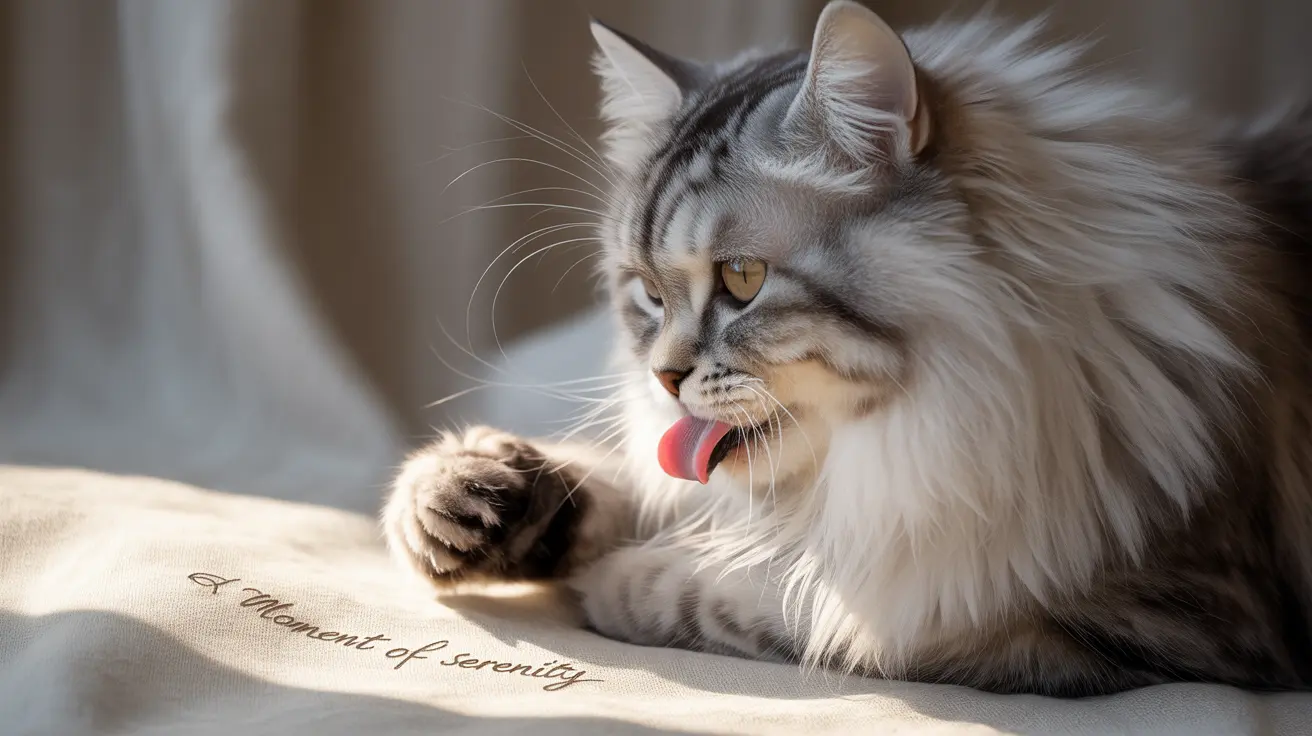
Have you ever noticed a strange smell when your cat grooms itself? You might wonder why your furry friend’s clean routine sometimes comes with an unexpected odor.
Understanding this smell can help you keep your cat healthy and happy. You’ll discover the surprising reasons behind that scent and what it means for your pet. Keep reading to find out how to spot potential problems early and enjoy a fresher, happier cat.
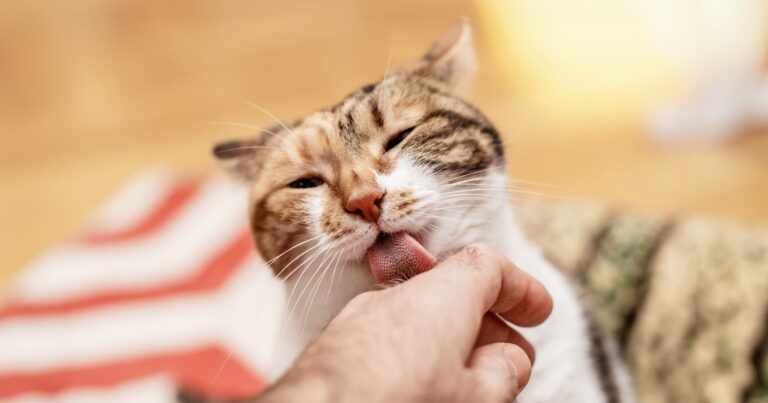
Credit: www.diamondpet.com
Cat Grooming Basics
Cats spend a lot of time grooming themselves every day. This behavior keeps their fur clean and healthy. Grooming also helps cats cool down and reduce stress. Understanding how cats groom helps explain why you might notice certain smells during or after grooming.
Grooming is a natural and essential part of a cat’s daily routine. It removes dirt, loose hair, and parasites. Plus, it spreads natural oils over their coat. These oils keep their fur shiny and waterproof.
How Cats Groom Themselves
Cats use their rough tongues to lick their fur. Their tongues have tiny, hook-like structures called papillae. These hooks help remove dirt and loose hair. Cats also use their teeth and paws to clean hard-to-reach spots.
They lick their paws and then wipe their face with them. This action cleans areas their tongue cannot reach easily. Cats may also bite or nibble to get rid of tangles or mats in their fur.
Normal Grooming Smells
Healthy cats usually have a mild, clean smell after grooming. The scent comes from natural oils on their skin and fur. Sometimes, these oils can have a slightly musky or earthy odor. This is normal and not a cause for worry.
Occasionally, you may notice a faint scent of saliva on your cat’s fur. This happens because of the saliva used during licking. A strong or bad smell may suggest a problem like skin infection or dental issues.
Common Causes Of Odor
Noticing a strange smell when your cat grooms can be puzzling and a bit concerning. Odors often signal underlying issues that need your attention. Understanding the common causes of these smells helps you keep your feline friend healthy and comfortable.
Skin Infections
Skin infections can cause your cat’s fur to emit an unpleasant odor. These infections may result from bacteria, fungi, or parasites like fleas. If your cat scratches excessively or has bald patches, check for redness or swelling, as these signs often accompany infections.
Addressing skin issues early is crucial. You might notice a musty or sour smell if the infection worsens. Regular grooming and vet visits can prevent these problems from escalating.
Dental Issues
Bad breath or a foul smell during grooming can indicate dental problems. Cats with tooth decay, gum disease, or oral infections often carry a noticeable odor. If your cat is pawing at its mouth or drooling more than usual, it’s time for a dental checkup.
Ignoring dental health can lead to bacteria spreading beyond the mouth. Keep an eye on your cat’s eating habits and breath freshness to catch problems early.
Ear Problems
Ear infections or mites can cause a strong, unpleasant smell near your cat’s head. You might see your cat shaking its head or scratching its ears frequently. A foul odor coming from the ears often points to an infection needing prompt treatment.
Don’t wait for the smell to worsen; ear problems can be painful and affect your cat’s balance. Clean ears gently and consult your vet if you detect any unusual scents or behaviors.
Diet And Smell
Diet plays a crucial role in how your cat smells during grooming. A cat’s diet can significantly influence its overall health and hygiene. The food they consume affects their breath, coat, and general body odor. Understanding the relationship between diet and odor can help maintain a pleasant smell.
Food Quality Impact
The quality of food impacts your cat’s scent. High-quality cat food often contains fewer fillers. These fillers may cause unpleasant odors. Premium food offers balanced nutrition with natural ingredients. This helps maintain a healthier coat and body scent. Processed foods might lead to a stronger odor, as they contain artificial additives. These additives can contribute to a smelly grooming experience.
Hydration And Odor
Hydration is essential for your cat’s well-being. Cats need adequate water intake for digestion. Proper hydration keeps their skin and fur healthy. Dehydration might lead to dry skin and a smelly coat. Ensure your cat always has access to fresh, clean water. Wet cat food can also help increase their moisture intake. A hydrated cat is less likely to have a strong odor.

Credit: www.latimes.com
Environmental Factors
Environmental factors play a big role in why your cat might smell when grooming. Cats are usually clean animals, but their surroundings can impact their scent. Understanding these influences helps you keep your furry friend fresh and comfortable.
Dirty Fur Or Bedding
Dirty fur is a common cause of unpleasant smells during grooming. If your cat spends time outside or rolls around in dusty places, dirt and debris can cling to their coat. This buildup not only causes odors but can also irritate their skin.
Check your cat’s bedding regularly. Bedding that isn’t washed often can trap odors from spills, food, or your cat’s natural oils. Clean bedding prevents your cat from picking up smells that transfer to their fur during grooming.
Exposure To Strong Odors
Cats have sensitive noses, but strong smells in their environment can stick to their fur. Household cleaners, perfumes, or even cooking smells can cling to their coat. This might explain why your cat smells unusual after grooming.
Think about where your cat spends most of their time. Is it near the kitchen or a laundry area with strong detergents? Moving their resting spots away from these sources can reduce unwanted odors on your cat’s fur.
Health Concerns Linked To Smell
Noticing an unusual smell when your cat grooms can be more than just a minor inconvenience. It often signals underlying health issues that need your attention. Understanding these health concerns linked to smell can help you act quickly and protect your furry friend’s well-being.
Allergies
Allergies can cause your cat’s skin to become irritated and inflamed, leading to a distinct odor during grooming. Your cat might lick or scratch more to soothe the discomfort, which can mix saliva with oils and bacteria, producing an unpleasant smell.
If you spot redness, hair loss, or excessive scratching alongside the smell, consider discussing allergy testing with your vet. You might be surprised how common food or environmental allergies are in cats.
Parasites
Parasites like fleas and mites can cause your cat’s skin to smell bad. These tiny invaders irritate the skin, leading to infections or greasy fur that emits an odor during grooming.
Have you checked your cat for signs like flea dirt, constant scratching, or bald patches? Treating parasites promptly not only removes the smell but also prevents serious health complications.
Underlying Medical Conditions
Certain medical problems can cause your cat’s grooming to smell unpleasant. Conditions such as dental disease, skin infections, or anal gland issues often produce distinctive odors.
For example, a bad breath smell during grooming might indicate dental problems, while a fishy odor could point to anal gland trouble. If the smell persists, a vet visit is essential to identify and treat any hidden health concerns.
When To See A Vet
Noticing a strange smell when your cat grooms can be worrying. It’s important to understand when that smell signals a health problem needing a vet’s attention. Knowing the signs helps you act quickly to keep your cat comfortable and healthy.
Signs Of Serious Issues
If your cat’s grooming smells bad and you see other symptoms, don’t wait to get help. Watch for:
- Persistent bad odorthat doesn’t go away after cleaning.
- Redness, swelling, or soreson their skin or around their mouth.
- Excessive scratching or lickingin one area, which may mean irritation or infection.
- Changes in behaviorlike hiding, loss of appetite, or lethargy.
These signs could point to infections, dental issues, or skin problems. I once ignored a slight smell from my cat’s fur, only to find out later it was a skin infection that needed antibiotics.
Preventive Care Tips
Keeping your cat’s grooming healthy starts with good habits. Try these tips:
- Brush your cat regularly to remove dirt and loose fur.
- Check their ears, mouth, and skin often for unusual smells or signs of irritation.
- Keep their bedding clean to reduce bacteria buildup.
- Schedule regular vet checkups to catch problems early.
Have you ever noticed a smell and wondered if it’s normal? Being proactive can save your cat from discomfort and costly treatments later on.
Managing And Reducing Odor
Managing and reducing the odor from your cat’s grooming helps keep your home fresh. Cats naturally groom to clean themselves. Sometimes, this grooming can cause a noticeable smell. Proper care can reduce or prevent these odors effectively.
Grooming Tips
- Brush your cat regularly to remove loose fur and dirt.
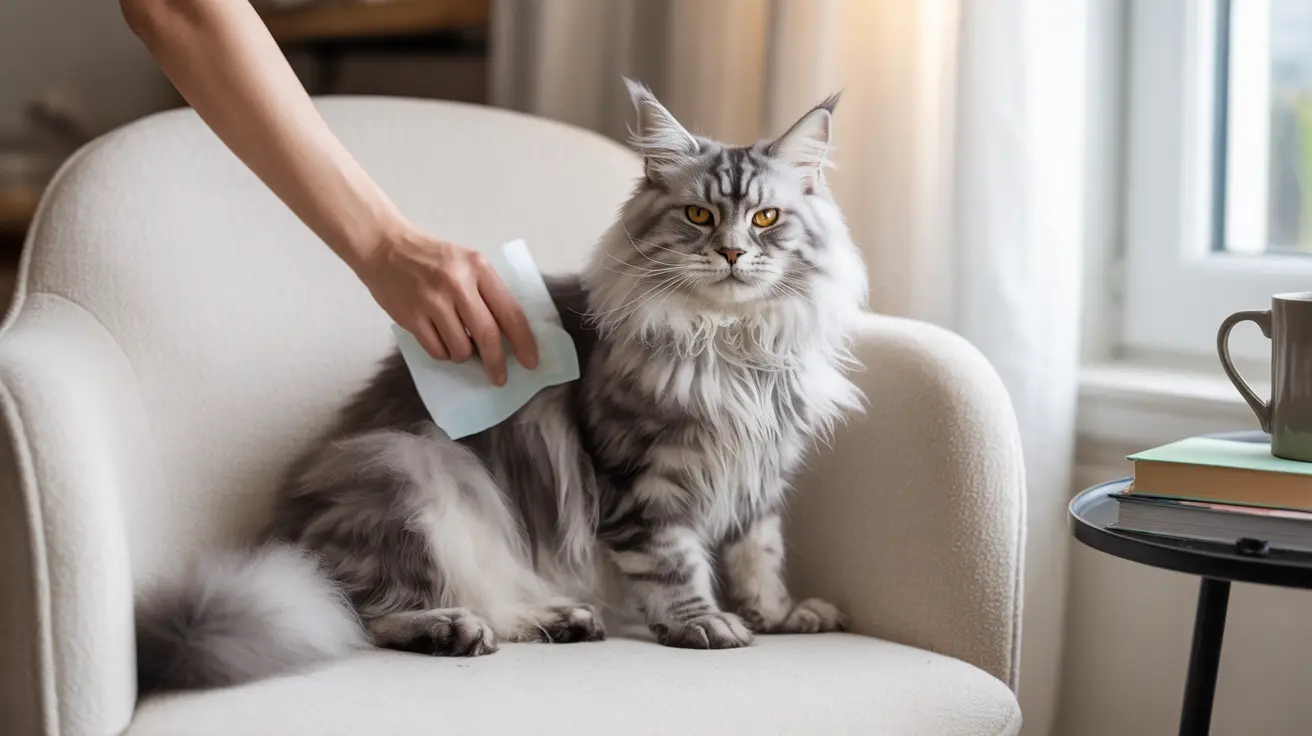
- Wipe your cat’s fur with a damp cloth to reduce oils.
- Give your cat occasional baths using pet-safe shampoo.
- Keep your cat’s bedding clean and wash it often.
- Check for skin infections or wounds that may cause odor.
Diet Adjustments
- Feed your cat high-quality food with natural ingredients.
- Avoid foods with strong odors or fillers that affect smell.
- Include omega-3 fatty acids to improve skin and coat health.
- Ensure your cat drinks plenty of fresh water daily.
- Consult your vet before changing your cat’s diet.
Home Remedies
- Use diluted apple cider vinegar to clean your cat’s fur gently.
- Apply coconut oil sparingly to dry or smelly areas.
- Use baking soda on your cat’s bedding to neutralize odors.
- Keep your home well-ventilated to reduce lingering smells.
- Check your cat for any health issues causing strong odors.
Credit: www.petscare.com
Frequently Asked Questions
Why Does My Cat’s Grooming Smell Bad Sometimes?
A bad smell during grooming usually comes from bacteria or yeast on your cat’s skin. It can also indicate dental issues or anal gland problems. Regular vet check-ups help identify and treat these causes early to keep your cat healthy and smelling fresh.
Can Cat Saliva Cause A Strange Odor?
Yes, cat saliva has natural bacteria that can cause a slight odor. If the smell is strong, it may indicate dental disease or mouth infections. Good oral hygiene and vet visits help manage and prevent unpleasant smells from cat saliva.
Is It Normal For Cats To Smell When Grooming?
A mild, natural odor is normal during grooming due to saliva and skin oils. However, a strong or foul smell often signals infections or health issues. Monitor your cat’s grooming habits and consult a vet if unusual odors persist.
How Can I Reduce Smell From My Cat’s Grooming?
Regular brushing and bathing, if your cat tolerates it, help reduce odor. Maintain dental hygiene and clean your cat’s bedding frequently. Proper diet and vet visits also minimize smell linked to grooming and keep your cat healthy.
Conclusion
Cats often have natural scents when they groom themselves. This smell can come from oils on their skin or dirt they pick up. Sometimes, a bad smell means your cat needs a vet visit. Keep your cat clean and watch for any changes in smell.
A healthy cat usually smells fresh and clean after grooming. Understanding why your cat smells helps you care for it better. Trust your instincts if something seems off. Your cat’s comfort and health come first. Simple care keeps your furry friend happy and smelling good.

Leave a Reply