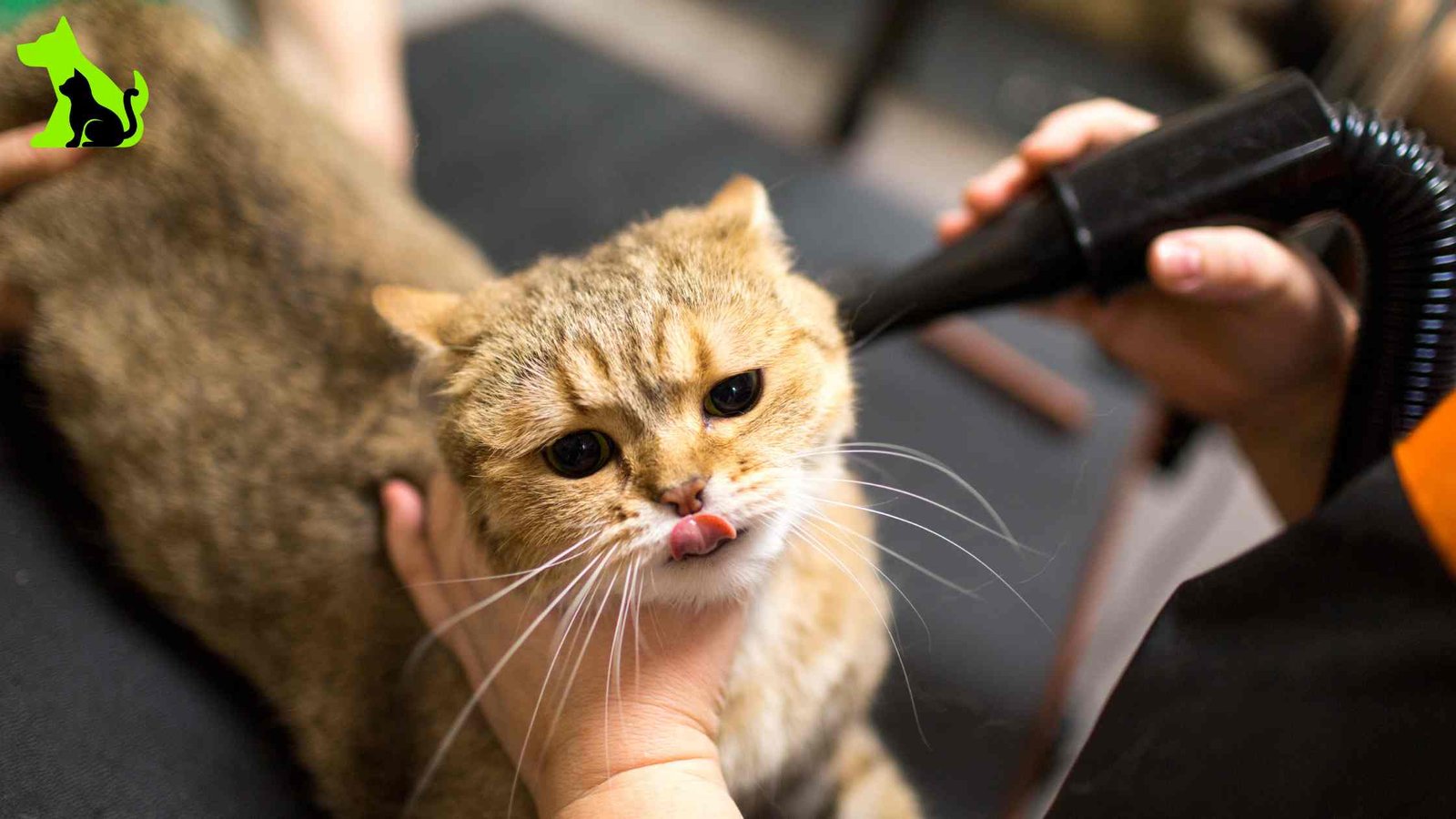
Wondering when your cat should visit the groomer? You want what’s best for your furry friend, but it’s not always easy to know the right time for a grooming session.
Too early, and your cat might be stressed; too late, and mats or skin problems could develop. You’ll discover clear signs and simple tips to help you decide the perfect moment to book that grooming appointment. Keep reading to make sure your cat stays happy, healthy, and looking their best.

Credit: www.latimes.com
Signs Your Cat Needs Grooming
Recognizing when your cat needs grooming can save you from bigger problems later on. Cats are usually good at keeping themselves clean, but certain signs indicate they need extra help. Watching for these clues can keep your cat comfortable and healthy.
Matted Fur And Tangles
Have you noticed clumps of fur that don’t lie flat? Matted fur traps dirt and moisture, causing skin irritation and pain. If your cat struggles when you try to brush them, it’s a clear sign professional grooming might be needed to safely remove these tangles.
Excessive Shedding
Shedding is normal, but when fur piles up around your home or your cat seems to be losing more hair than usual, it’s time to act. Excessive shedding can indicate stress, allergies, or poor grooming habits. A groomer can help reduce shedding through specialized brushing and treatments.
Unpleasant Odors
If your cat smells bad despite regular care, something could be wrong. Odors often come from trapped dirt, oily fur, or even skin infections. Groomers can provide thorough baths and identify issues that you might miss at home.
Overgrown Nails
Long nails can cause discomfort and even injury to your cat and your furniture. If your cat’s nails click on the floor or snag on fabrics, it’s time for a trim. Groomers have the right tools and experience to safely shorten nails without hurting your pet.
)
Credit: www.northroadvet.com.au
Recommended Grooming Frequency
Knowing how often your cat should visit the groomer depends on their coat type, age, and health. Regular grooming keeps their skin healthy and fur looking great. It also helps you spot any unusual changes early.
Short-haired Cats
Short-haired cats usually need less grooming than long-haired ones. A visit to the groomer every 6 to 8 weeks is often enough to keep their coat shiny and reduce shedding. If your cat sheds heavily or has skin issues, you might want to schedule appointments more frequently.
Do you notice your short-haired cat’s coat losing its shine? Professional grooming can restore that smooth, healthy look.
Long-haired Cats
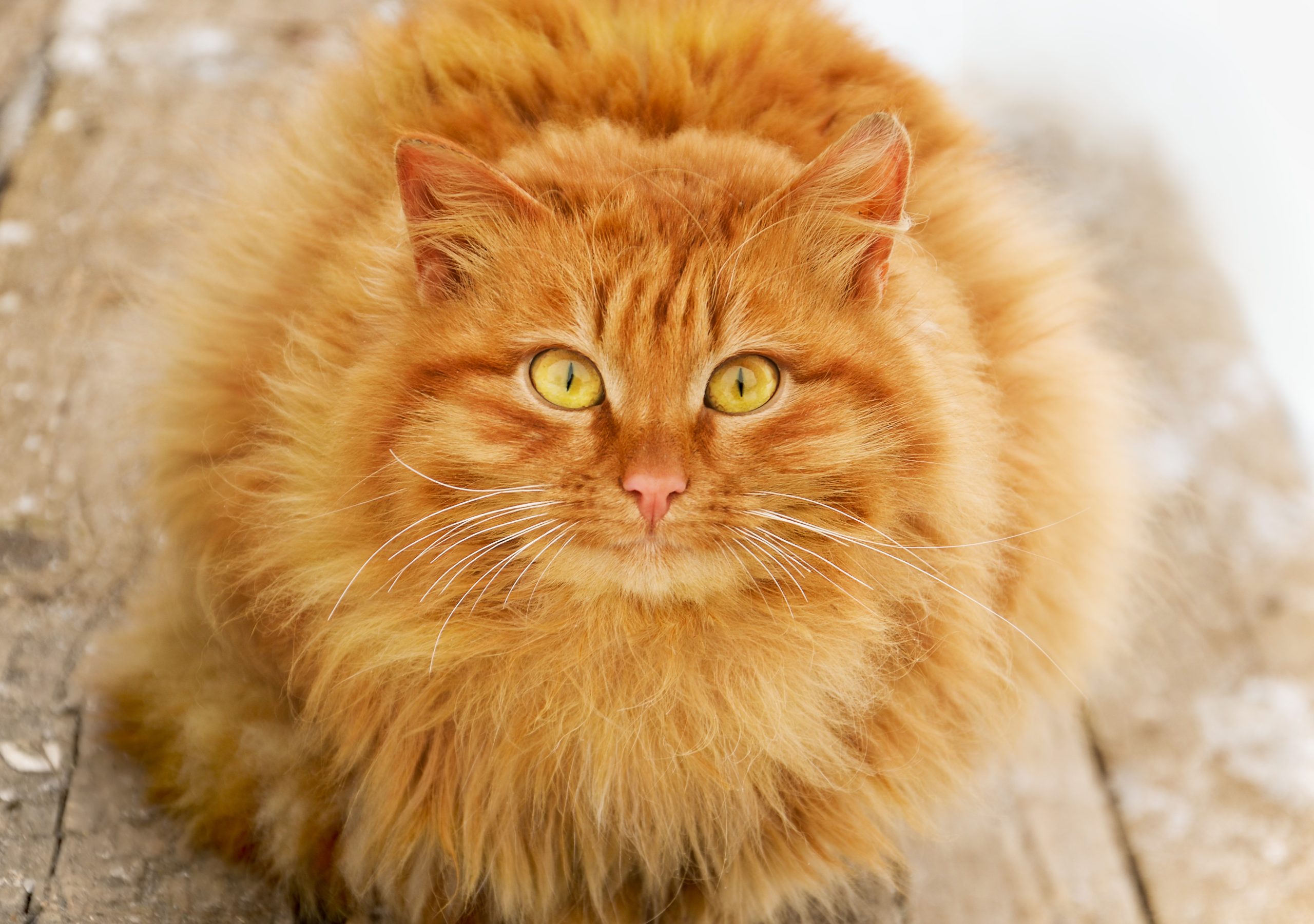
Long-haired cats demand more attention to prevent mats and tangles. Grooming every 4 to 6 weeks is recommended to keep their fur manageable. If your cat is prone to mats or has difficulty grooming themselves, you might need to book appointments even more often.
Think about how much time you spend brushing your long-haired cat at home. A groomer can help with tough spots you might miss.
Senior Cats
Older cats may struggle with grooming due to arthritis or reduced flexibility. They often need more frequent grooming, around every 4 to 6 weeks, to stay comfortable and clean. Pay attention to changes in their grooming habits—if they stop cleaning themselves well, a trip to the groomer becomes essential.
Have you noticed your senior cat avoiding self-grooming? Regular professional care can ease their discomfort and improve their quality of life.
Kittens And Young Cats
Kittens and young cats benefit from early grooming experiences to get used to the process. Depending on their coat type, a groomer visit every 6 to 8 weeks can help build good habits. Gentle grooming sessions also give you a chance to check for any skin or coat problems early on.
Starting grooming early makes future visits easier for both you and your cat. How often do you take your young cat to the groomer to help them adjust?
Health Benefits Of Regular Grooming
Regular grooming helps keep your cat’s coat clean and healthy. Visiting the groomer prevents mats, reduces shedding, and checks for skin issues early. Scheduling visits depends on your cat’s breed, age, and coat type.
Regular grooming is not just about keeping your cat looking pretty; it’s a crucial part of maintaining their overall health. When you make grooming a routine, you help your cat avoid several health issues that can otherwise go unnoticed. Let’s dive into the specific health benefits of keeping your feline friend well-groomed.Preventing Skin Issues
Regular grooming helps prevent a variety of skin problems. By brushing your cat’s coat frequently, you remove dirt and debris that can cause irritation or infection. You also spread natural oils evenly across their skin, keeping it healthy and hydrated. Moreover, grooming sessions give you the chance to check for any unusual lumps, bumps, or lesions. Early detection can make all the difference in addressing skin issues before they escalate. Have you ever noticed a skin problem in your cat that you caught early during grooming?Reducing Hairballs
Cats are natural groomers, but they often swallow hair, leading to those dreaded hairballs. Regular grooming reduces the amount of loose fur, thereby minimizing hairballs. By brushing your cat, you capture loose hair on the brush instead of in your cat’s stomach. This small step can significantly reduce the frequency of hairballs, making your cat more comfortable and your cleaning tasks less frequent.Early Detection Of Health Problems
Grooming offers an opportunity to notice subtle changes in your cat’s health. While grooming, you might discover signs of parasites like fleas or ticks. You may also notice changes in your cat’s body weight or demeanor, which could indicate underlying health issues. Regular grooming sessions allow you to catch these problems early, enabling prompt veterinary care. Have you ever caught an issue early during grooming that you were grateful to have noticed? Incorporating regular grooming into your cat’s routine is not just about aesthetics—it’s a proactive approach to their health. So, when will you schedule your next grooming session?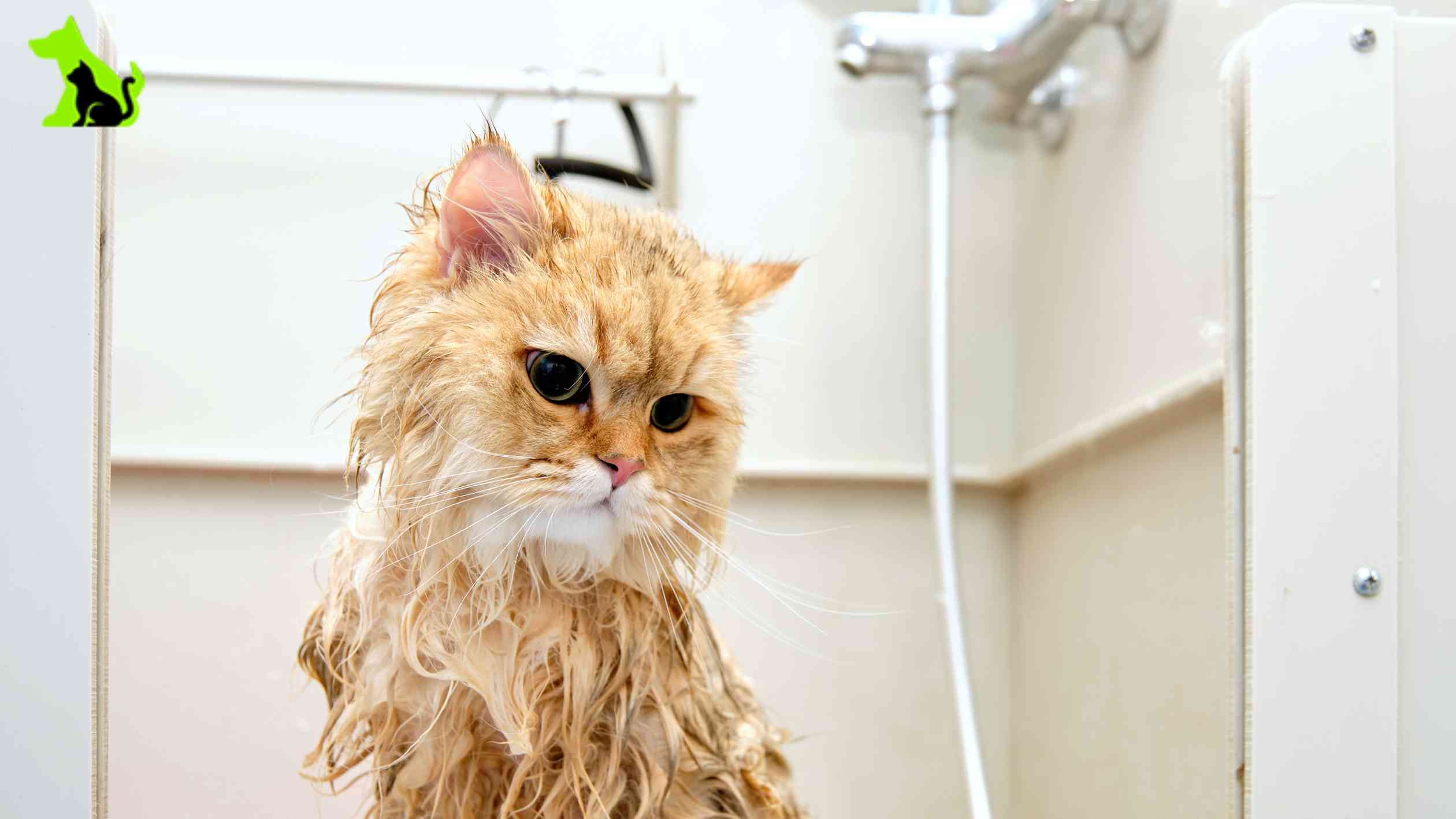
Credit: hellopetsinc.com
Choosing The Right Groomer
Finding the right groomer for your cat is crucial for a positive grooming experience. Your cat’s comfort and safety depend on the groomer’s skills and approach. Let’s look at what makes a groomer the best fit for your feline friend.
Qualifications And Experience
Check if the groomer has formal training in pet grooming, especially with cats. Experience handling different cat breeds and temperaments matters a lot. Don’t hesitate to ask about certifications or memberships in professional grooming organizations.
I once switched groomers after discovering my cat’s new groomer had years of experience with nervous cats. The difference in my cat’s behavior was clear—more relaxed and less stressed. This shows how experience tailored to cats can improve the grooming process.
Cat-friendly Environment
Visit the grooming salon to see if it feels calm and safe for your cat. Look for separate areas for cats and dogs to reduce stress. Ask if the staff uses gentle handling techniques and cat-specific grooming tools.
Have you noticed how some cats react badly to noisy or crowded spaces? A quiet and comfortable environment can make your cat more willing to get groomed. Your cat’s comfort should be a top priority for the groomer you choose.
Services Offered
Different cats need different grooming services. Some cats require regular haircuts, others just nail trims and ear cleaning. Check if the groomer offers services like flea treatments, de-shedding, or handling of matted fur.
Think about your cat’s specific needs and whether the groomer can meet them consistently. A groomer who offers a broad range of services means fewer visits to multiple places. This convenience can save you time and reduce your cat’s anxiety.
Preparing Your Cat For Grooming Visits
Preparing your cat for grooming visits can make a big difference in how smoothly the experience goes. Cats are sensitive creatures, and helping them feel safe and relaxed will reduce stress for both of you. A little preparation before the visit sets the stage for a positive grooming session.
Getting Your Cat Comfortable
Start by gently handling your cat at home. Touch their paws, ears, and tail regularly to get them used to being touched in those areas. Use calm, soothing tones and offer treats to create a positive association.
Try short practice sessions with a brush or comb to mimic the groomer’s touch. If your cat resists, stop and try again later—pushing too hard can build fear. Have you noticed your cat’s favorite spots to be touched? Focus there first to build trust.
What To Bring To The Groomer
Bring your cat’s favorite blanket or toy to the groomer’s appointment. Familiar smells can help your cat feel more at ease in an unfamiliar place. Don’t forget a carrier that’s comfortable and secure for transport.
Also, pack any medical records or notes about your cat’s health and behavior. Sharing this with the groomer ensures they provide the best care tailored to your cat’s needs. Have you considered mentioning any special sensitivities or fears your cat has?
Post-grooming Care
After grooming, your cat might be a bit disoriented or tired. Give them a quiet space to rest and recover from the experience. Offer fresh water and a small treat to reward good behavior.
Check your cat’s skin and coat for any signs of irritation or cuts. If you spot anything unusual, contact your vet promptly. How does your cat usually behave after grooming—does their mood improve or do they hide?
Alternatives To Professional Grooming
Professional grooming isn’t the only way to keep your cat looking and feeling great. Many cat owners find effective alternatives that fit their lifestyle and their pet’s comfort level. Exploring these options can save you money and build a stronger bond with your furry friend.
Home Grooming Tips
Brushing your cat regularly helps reduce shedding and prevents hairballs. Use a brush suited to your cat’s coat type—slicker brushes work well for long-haired cats, while rubber brushes are gentle on short-haired breeds.
Try to make grooming a positive experience. Speak softly, offer treats, and choose a quiet spot free from distractions. Even a few minutes a day can make a big difference in your cat’s coat health.
Don’t forget about nail care. Regularly trimming your cat’s claws prevents damage to furniture and reduces the risk of painful nail overgrowth. If you’re unsure how to trim safely, many vets or pet stores offer demonstrations.
When To Skip The Groomer
Not every cat needs professional grooming. If your cat has a short, healthy coat and tolerates brushing well, you might not need to visit a groomer often—or at all.
Also, consider your cat’s stress levels. Some cats find trips to the groomer overwhelming, which can outweigh the benefits. Watch how your cat reacts to grooming at home—if they’re calm and well-groomed, skipping the groomer might be the best choice.
However, if your cat has mats you can’t manage, or medical issues that require special care, professional grooming becomes important. Ask yourself: does your cat’s coat condition justify a visit, or can you handle it safely on your own?
Frequently Asked Questions
How Often Should I Take My Cat To The Groomer?
Most cats benefit from grooming every 4 to 8 weeks. Frequency depends on breed, coat length, and lifestyle. Regular visits help prevent mats and keep your cat comfortable and healthy.
What Signs Show My Cat Needs Professional Grooming?
Look for matted fur, excessive shedding, or a foul odor. Difficulty cleaning itself or skin issues also indicate a grooming visit. Professional groomers can safely address these problems.
Can Grooming Help With My Cat’s Shedding?
Yes, professional grooming reduces shedding by removing loose hair. Regular brushing and baths during grooming sessions improve coat health and minimize allergens in your home.
Is It Safe To Groom A Stressed Or Anxious Cat?
Groomers use gentle techniques to calm anxious cats. They create a safe environment and work at your cat’s pace. Always inform the groomer about your cat’s temperament.
Conclusion
Regular grooming keeps your cat healthy and happy. Watch for signs like matted fur or bad smell. Long-haired cats need grooming more often than short-haired ones. Stress or discomfort may mean it’s time to visit the groomer. Choose a groomer who knows how to handle cats gently.
Remember, grooming helps prevent health issues and keeps your cat comfortable. Don’t wait until problems start. A clean, well-groomed cat is a joyful pet. Keep an eye on your cat’s coat and skin. Act early to maintain their well-being and comfort.

Leave a Reply