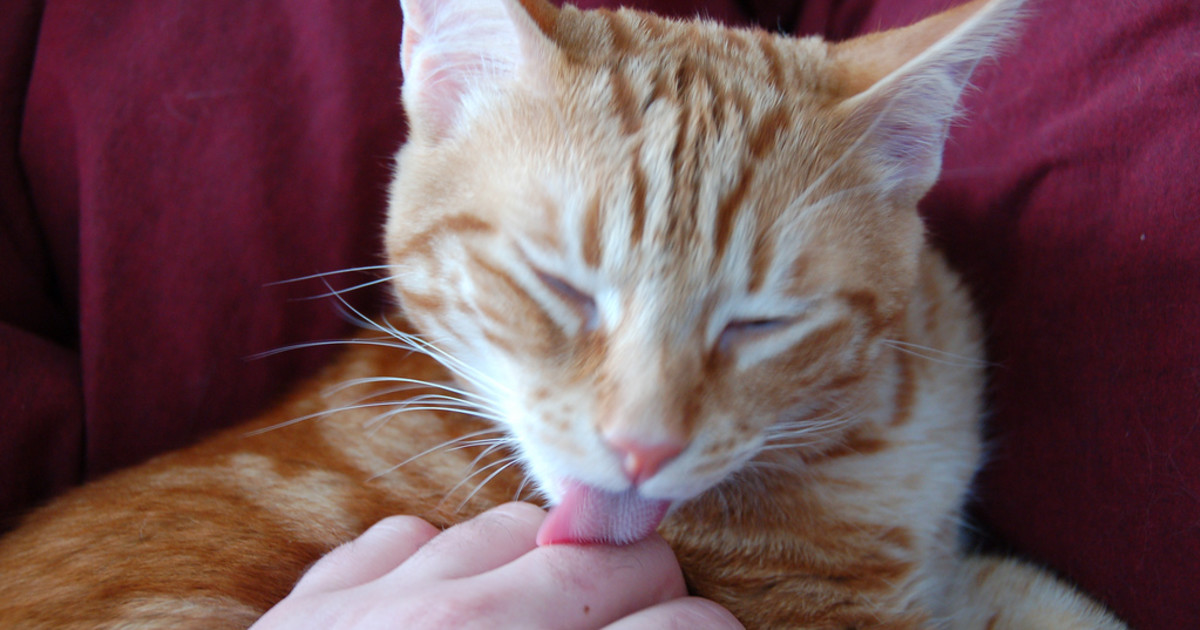
Have you ever noticed your cat suddenly start grooming itself the moment you begin petting it? You might wonder why your furry friend chooses to clean rather than just relax in your lap.
Understanding this curious behavior can help you connect better with your cat and make your petting sessions even more enjoyable. Keep reading to discover the surprising reasons behind this grooming habit and what it means for your bond with your cat.

Credit: www.latimes.com
Cats And Grooming Habits
Understanding your cat’s grooming habits can reveal a lot about their mood and health. Cats often start grooming themselves when you pet them, which might seem curious at first. This behavior connects deeply with their natural instincts and emotional needs.
Natural Grooming Instincts
Cats are naturally clean animals. Grooming helps them remove dirt, loose fur, and even parasites from their coat. When you pet your cat, you might notice them starting to lick their fur because your touch triggers their grooming reflex.
Think about how your cat reacts when you stroke them gently. Their body might signal, “It’s time to tidy up.” This instinct is so strong that even a small touch can prompt a grooming session. It’s their way of keeping themselves well-groomed and comfortable.
Grooming As Stress Relief
Grooming isn’t just about cleanliness—it’s also a powerful stress reliever for cats. When your cat begins to groom while being petted, it can be a sign they feel safe and relaxed. It’s similar to how humans might take deep breaths or smile when they feel calm.
Have you noticed how your cat sometimes grooms more after a stressful event or when they are in a new environment? Grooming helps them soothe their nerves and regain control. Your petting might be encouraging this calming behavior, making your cat feel secure and cared for.
Petting And Its Effects On Cats
Petting your cat is more than just a simple gesture of affection. It triggers a complex mix of physical and emotional reactions that can lead to unexpected behaviors like grooming. Understanding these effects helps you connect better with your furry friend and respond to their needs more thoughtfully.
Physical Sensations Triggering Grooming
When you pet your cat, your touch activates sensitive nerves in their skin. This stimulation can feel soothing but sometimes also ticklish or slightly irritating. Cats often respond by grooming themselves to manage these sensations and maintain comfort.
Imagine your cat’s fur as a delicate blanket covering sensitive skin. Petting can shift the fur, causing your cat to lick or nibble it back into place. This instinctive response helps them feel more balanced and in control of their body.
Emotional Responses To Petting
Petting doesn’t just affect your cat’s body; it also stirs their emotions. Your touch can create a sense of security and calm, but it can also bring up excitement or slight overstimulation. Grooming afterward might be your cat’s way of processing these feelings and returning to a relaxed state.
Have you noticed how some cats start grooming right after a long petting session? It’s their personal method to unwind and digest the emotional experience. Paying attention to this can guide you in recognizing when your cat needs a break or more gentle interaction.
Bonding Through Grooming
Cats often begin grooming themselves when petted as a way to show trust and feel safe. This shared grooming strengthens the bond between you and your cat, creating comfort and connection.
Bonding through grooming is a fascinating aspect of cat behavior that many pet owners experience. When your cat starts grooming itself while you pet it, it’s more than just a quirky habit. This behavior is deeply rooted in their natural instincts and is a significant form of social interaction, both with other cats and with you.Social Grooming In Cats
Cats in the wild often engage in mutual grooming, known as allogrooming. This behavior helps strengthen social bonds within a group. By grooming each other, cats build trust and establish a sense of community. When your cat grooms itself while you pet it, it’s engaging in a form of social grooming with you. It’s a compliment, showing that your touch is comforting and reassuring. You are part of their social group.How Grooming Strengthens Owner-cat Bond
Grooming is a way for cats to express their affection. It’s like receiving a warm hug from a friend. When your cat grooms itself while you pet it, it’s a sign that they feel safe and content in your presence. This behavior is an opportunity for you to strengthen your bond with your cat. By responding with gentle strokes or soft words, you reinforce their feelings of safety and love. Have you ever noticed how your cat purrs while grooming? This is a sign of ultimate comfort and trust. By understanding and responding to this behavior, you can nurture a deeper connection with your feline friend.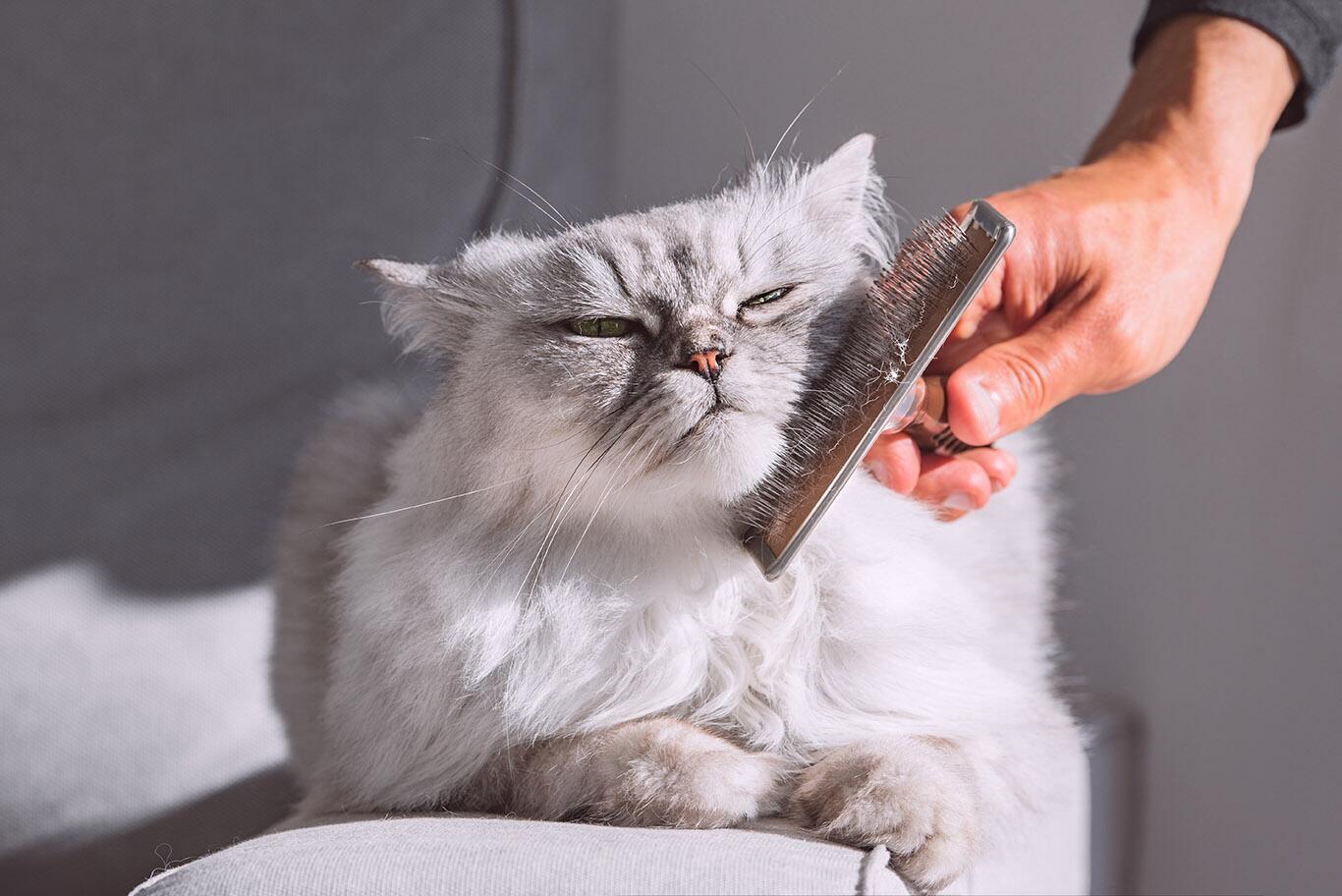
Credit: www.latimes.com
Grooming As A Displacement Behavior
Cats use grooming to calm themselves in confusing or tense moments. This is called displacement behavior. It happens when cats feel unsure or overstimulated. Instead of reacting directly, they start grooming to ease their stress. This behavior helps them regain control of their emotions. It might seem odd, but grooming acts like a natural stress relief for cats. Understanding this helps pet owners notice when their cat needs a break.
When Cats Feel Overstimulated
Petting can sometimes overwhelm a cat. Too much touching or fast movements can cause stress. The cat’s brain sends mixed signals. It wants attention but also feels uneasy. Grooming starts as a way to handle these conflicting feelings. Overstimulation often happens with sensitive cats or in noisy environments. Grooming helps them shift focus and calm down without running away.
Signs Of Overstimulation During Petting
- Sudden tail twitching
- Flattened ears
- Quick head turns
- Sudden biting or scratching
- Excessive licking or grooming
- Restlessness or moving away
Watching for these signs helps prevent stress. When you see grooming start suddenly, it may mean your cat needs a pause. Giving space can keep your pet comfortable and happy.
Health-related Grooming Triggers
Cats often start grooming themselves as a reaction to health issues. This behavior can signal discomfort or irritation. Understanding these triggers helps you care for your pet better.
Skin Irritations And Allergies
Skin irritations cause cats to groom more than usual. Allergies to food, pollen, or flea bites can make their skin itchy. Grooming helps them try to relieve this itchiness.
Sometimes, grooming can lead to hair loss or red patches. Watch for signs like constant scratching or licking at certain spots.
Pain Or Discomfort Responses
Grooming can also show pain or discomfort. Cats may lick or groom areas that hurt. This self-soothing behavior helps them manage pain.
Injuries, arthritis, or internal issues may cause this response. Notice if your cat grooms only one part of the body often.

Credit: www.reddit.com
How To Respond When Your Cat Starts Grooming
When your cat starts grooming during petting, it’s a clear sign they are processing the interaction in their unique way. How you respond can either strengthen your bond or make your feline friend a bit uneasy. Paying attention to their signals helps you create moments of comfort and trust.
Adjusting Your Petting Approach
Notice where your cat begins to groom. If it happens after petting certain spots, try shifting your hand to different areas like behind the ears or under the chin. Cats often have sensitive zones, and finding their favorites can reduce the need for grooming as a stress response.
Keep your strokes gentle and slow. Quick or rough petting might overwhelm your cat, triggering grooming as a way to calm down. Have you tried pausing between strokes to see if your cat relaxes more?
Sometimes, shorter petting sessions work better. If your cat starts grooming quickly, give them a break and try again later. This respects their comfort level and keeps the interaction positive.
Monitoring For Behavioral Changes
Grooming during petting is usually normal, but watch for signs that it might indicate stress or discomfort. If grooming turns into excessive licking or is accompanied by hiding, loss of appetite, or aggression, it’s a red flag.
Keep a simple journal of your cat’s grooming patterns and overall behavior. This can help you spot if their grooming is tied to petting or other factors like health issues or anxiety. Have you noticed changes in how often or intensely your cat grooms after being petted?
Consult your vet if grooming seems to escalate or affect your cat’s wellbeing. Sometimes underlying problems like skin irritation or anxiety need professional attention. Early action can prevent bigger issues and keep your cat happy.
Frequently Asked Questions
Why Does My Cat Groom After I Pet Him?
Cats groom after petting to show comfort and relaxation. Grooming releases endorphins, making them feel happy and calm. It also helps them bond with you and reinforces trust. This behavior is a natural response to positive interaction and affection.
Is Grooming A Sign Of Stress Or Happiness?
Grooming can indicate both stress and happiness depending on context. After petting, it usually shows contentment and relaxation. If excessive, it might signal anxiety or discomfort. Observing your cat’s overall body language helps determine if grooming is positive or stress-related.
Does Grooming Strengthen The Bond With My Cat?
Yes, grooming strengthens your bond with your cat. When your cat grooms after petting, it’s a sign of trust and affection. This behavior mimics mutual grooming among cats, which builds social connections and comfort within their group.
Can Petting Trigger Grooming Instincts In Cats?
Petting can trigger grooming instincts by stimulating sensory nerves. This gentle touch encourages cats to groom themselves as a calming response. It also mimics the feeling of being groomed by another cat, reinforcing social and emotional comfort.
Conclusion
Your cat grooming while you pet shows trust and comfort. It helps your cat feel calm and clean at the same time. This behavior also means your cat enjoys your touch. Pay attention to these moments to strengthen your bond.
Cats express love in quiet ways like this. Enjoy the peaceful connection you share with your pet. Understanding your cat’s actions makes pet care easier. Keep giving gentle pets and watch your cat respond with grooming. It’s a simple sign of affection and happiness.

Leave a Reply