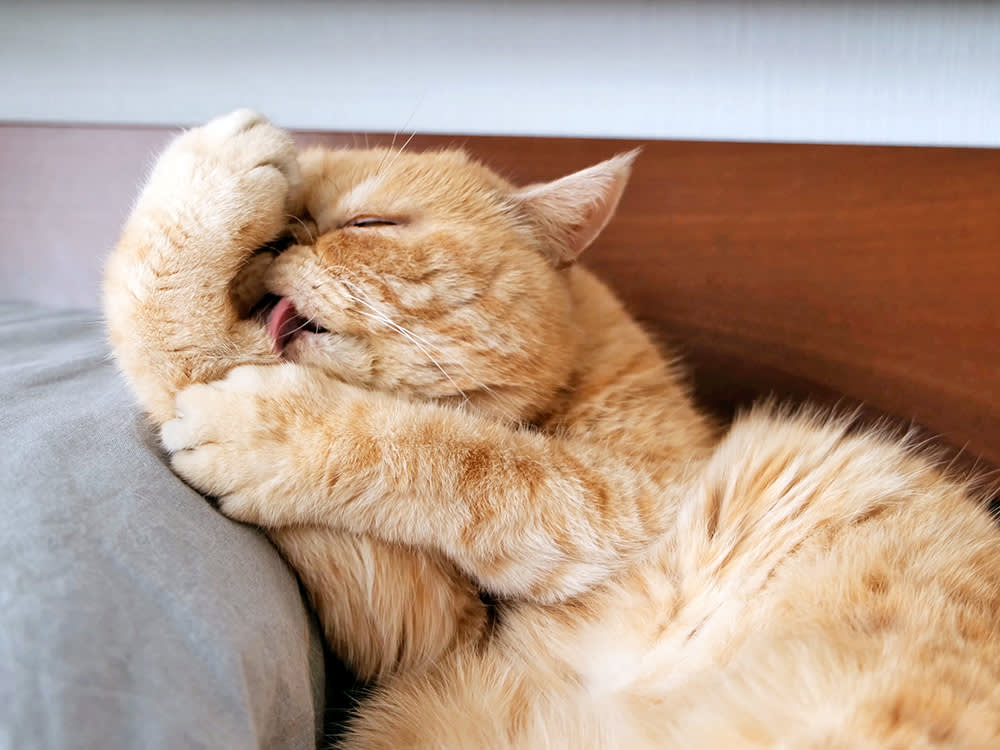
Have you ever watched your cat spend what feels like hours licking and grooming itself? You might wonder why they do this so often and what it really means.
Understanding why cats groom themselves can help you connect better with your furry friend and even spot signs of health issues early. Keep reading, because uncovering the reasons behind this common behavior will change the way you see your cat—and maybe even how you care for them.
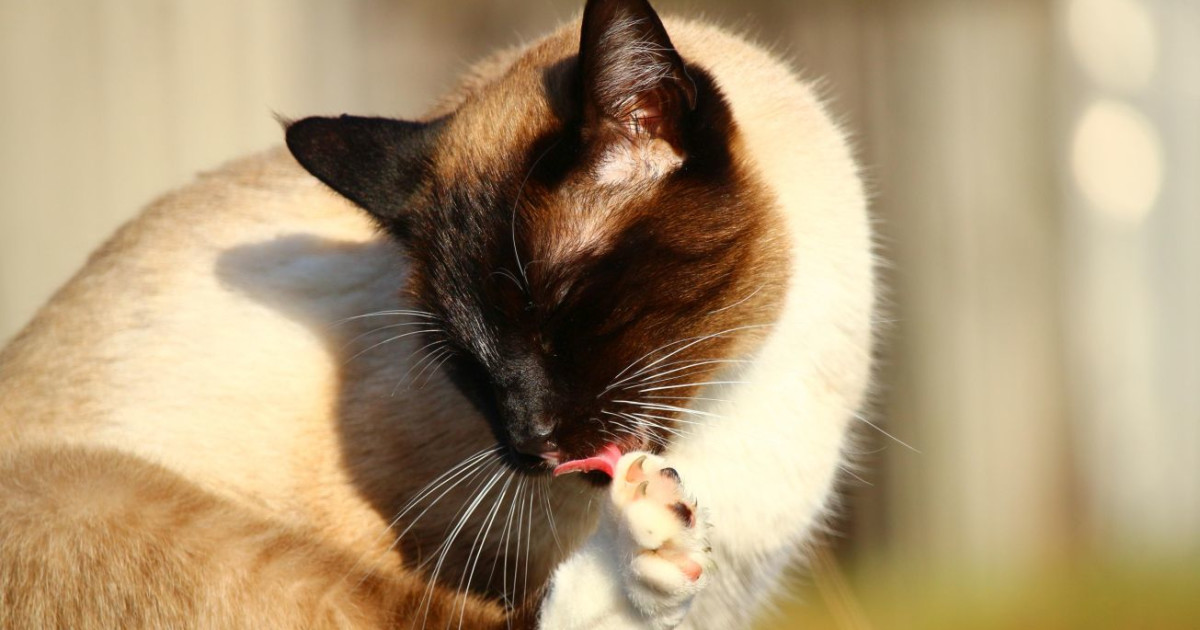
Credit: pethelpful.com
Purpose Of Cat Grooming
Cats spend a lot of time grooming themselves. This behavior is natural and important. It serves several key purposes that help keep cats healthy and comfortable. Understanding why cats groom helps explain their habits and needs.
Maintaining Cleanliness
Cats use their tongues to clean dirt and debris from their fur. Grooming removes loose hair and prevents matting. It also helps remove parasites like fleas. Clean fur reduces the risk of skin infections. Grooming keeps cats looking neat and tidy.
Regulating Body Temperature
Grooming helps cats control their body heat. When cats lick their fur, saliva spreads and cools the skin. This is especially useful on hot days. Grooming also fluffs the fur to trap warm air in cold weather. It helps cats stay comfortable in different temperatures.
Stimulating Blood Flow
The act of grooming stimulates blood circulation under the skin. Better blood flow promotes healthy skin and fur. It also aids in healing minor wounds or irritations. This circulation helps cats maintain overall skin health. Grooming supports their body’s natural repair processes.
Social And Emotional Reasons
Cats groom and lick themselves not just to stay clean. Their grooming also plays a big role in their social and emotional life. These behaviors help cats connect with others and manage their feelings. Understanding these reasons shows why cats spend so much time grooming.
Bonding With Other Cats
Cats often groom each other to build strong social bonds. This behavior is called allogrooming. It helps them feel safe and accepted in a group. Grooming another cat spreads their scent, creating a shared group smell. This makes them feel connected and less lonely.
Reducing Stress And Anxiety
Grooming helps cats calm down during stressful times. The repetitive licking releases feel-good chemicals in their brain. This reduces anxiety and helps them relax. Cats may groom more when they feel scared or nervous. It acts as a natural way to cope with stress.
Comfort And Habit
Grooming is a comforting habit for cats. It gives them a sense of control over their environment. Cats groom themselves to feel safe and secure. This habit starts from kittenhood and lasts a lifetime. It becomes a daily routine that soothes their mind and body.
Health Benefits Of Grooming
Grooming is more than just a routine for cats; it plays a crucial role in maintaining their health. When you watch your cat lick its fur, it’s not just about staying clean. There are real benefits that help your feline friend stay strong and comfortable.
Removing Parasites And Dirt
Cats use grooming to keep parasites like fleas and ticks away. Their rough tongues act like tiny brushes, removing dirt and small bugs hiding in their fur. Have you ever noticed your cat spending extra time licking after outdoor adventures? That’s their way of protecting themselves from irritation and infection.
Healing Wounds And Skin Care
Grooming helps cats care for minor wounds and scratches. Their saliva contains enzymes that can help clean wounds and speed up healing. If your cat licks a small cut frequently, it’s not just a habit—it’s a natural way to prevent infection and soothe the skin.
Promoting Healthy Fur
Regular grooming spreads natural oils across your cat’s coat, keeping it shiny and soft. This oil layer protects the fur from becoming dry or brittle. Have you noticed how a well-groomed cat’s fur looks smooth and feels silky? That’s the result of consistent self-care that you can help support with proper diet and hydration.

Credit: medium.com
When Grooming Becomes Excessive
Cats spend a lot of time grooming themselves. It keeps their fur clean and healthy. But sometimes, grooming can become excessive. This means a cat licks or bites its fur too much. Excessive grooming can cause skin problems and discomfort. It is important to notice this behavior early. Understanding the reasons helps to keep your cat happy and healthy.
Identifying Over-grooming
Over-grooming looks different from regular grooming. Watch for bald patches or red skin. Your cat may lick the same spot repeatedly. Scratching or biting at fur more than usual is a sign. Sometimes, cats pull out their fur. Check for scabs or wounds on the skin. These signs show that grooming is more than normal cleaning.
Causes Of Excessive Licking
Several reasons cause cats to groom too much. Stress or anxiety can make cats lick more. Skin allergies or infections cause itching and discomfort. Parasites like fleas can trigger excessive licking. Pain from injuries or arthritis leads to grooming in one area. Sometimes, boredom or lack of stimulation causes this behavior.
How To Help Your Cat
Helping your cat starts with finding the cause. Visit a vet to check for skin problems or parasites. Create a calm and safe space to reduce stress. Provide toys and activities to keep your cat busy. Use gentle grooming tools to help with fur care. Avoid punishing your cat for licking too much. Patience and care improve their comfort and health.
Grooming Differences Among Cat Breeds
Cats groom themselves to stay clean and healthy. Different breeds have different grooming needs and habits. Their fur type affects how often and how they groom. Understanding these differences helps in caring for your cat properly.
Short-haired Cats
Short-haired cats usually groom less than long-haired cats. Their fur is easier to clean and dries faster. They spend less time brushing and removing loose hair. Grooming helps remove dirt and spread natural oils. This keeps their coat smooth and shiny.
Long-haired Cats
Long-haired cats need more grooming to avoid mats and tangles. They lick more often to keep their thick fur clean. Without regular grooming, their coat can become dirty and clumped. Owners often help by brushing to prevent knots. Grooming also cools them down and removes loose hair.
Unique Grooming Habits
Some breeds show special grooming styles. Sphynx cats, for example, have little hair but still lick to clean their skin. Siamese cats may groom more due to their sleek, fine coat. Each breed’s grooming habits match their fur and skin type. Observing these habits can reveal your cat’s comfort and health.

Credit: tryfurgo.com
Tips For Supporting Your Cat’s Grooming
Cats are known for their fastidious grooming habits, and while it’s mostly instinctual, you can play a pivotal role in supporting these behaviors. By understanding how you can assist in their grooming routine, you help maintain their coat health and overall well-being. Here are some practical tips to ensure your furry friend stays clean and happy.
Regular Brushing
Brushing your cat regularly not only reduces shedding but also prevents matting. Depending on your cat’s fur type, you might need to brush daily or a few times a week. When I first started brushing my cat, Luna, I realized it turned into a bonding moment for us. She would purr contentedly, and I noticed fewer furballs around the house.
Invest in a brush that suits your cat’s coat. For example, short-haired cats may benefit from a rubber brush, while long-haired cats might need a slicker brush. By setting aside just a few minutes each day, you can make a big difference in your cat’s grooming routine.
Creating A Calm Environment
Cats are sensitive creatures, and stress can affect their grooming habits. Create a calm and comfortable environment for your cat to ease any anxiety. Consider providing a quiet space with a cozy bed where they can retreat to groom themselves.
Remember, every cat is different. Some may prefer a window perch to watch the world outside, while others might enjoy a secluded corner. Observe your cat’s preferences and adjust their environment accordingly.
Veterinary Care
Regular veterinary check-ups are crucial in ensuring your cat’s health, which in turn influences their grooming habits. A vet can help you identify any underlying issues that might be causing excessive grooming or lack thereof. When Luna started grooming less, a quick visit revealed she had a minor dental issue that needed attention.
Keep an eye out for changes in your cat’s grooming behavior. If you notice anything unusual, don’t hesitate to consult with a professional. Your proactive approach can prevent minor issues from becoming significant health concerns.
Frequently Asked Questions
Why Do Cats Groom Themselves So Frequently?
Cats groom themselves to keep their fur clean and free from dirt. Grooming also helps regulate body temperature and reduce stress. It strengthens their bond with other cats and stimulates blood flow, promoting healthy skin and fur.
How Does Grooming Benefit A Cat’s Health?
Grooming removes loose fur, dirt, and parasites like fleas. It prevents skin infections and matting. Regular licking also spreads natural oils, keeping the coat shiny and healthy. Grooming helps cats stay comfortable and maintain proper hygiene.
Can Excessive Licking Indicate A Health Problem?
Yes, excessive licking may signal allergies, skin infections, or stress. It can cause bald patches or sores if persistent. If your cat licks too much, consult a vet to identify underlying issues and get proper treatment.
Do Cats Groom To Communicate With Others?
Yes, cats use grooming to communicate social bonds. Mutual grooming strengthens relationships between cats. It shows trust and affection, reducing tension in multi-cat households or colonies.
Conclusion
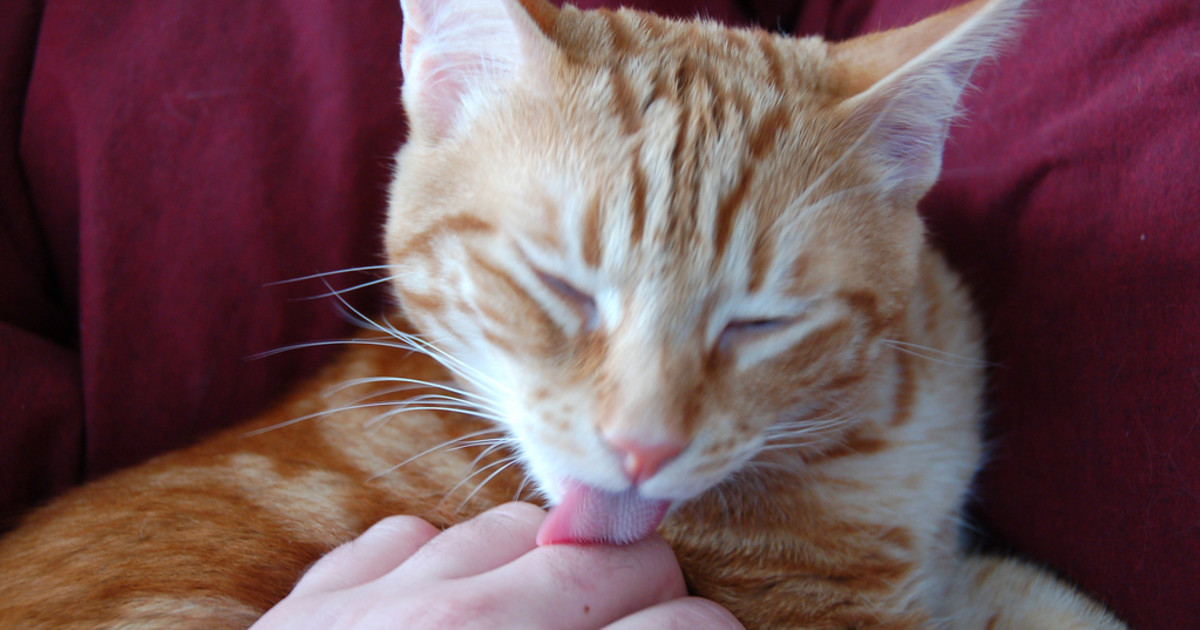
Cats groom themselves to stay clean and healthy. Licking helps remove dirt and loose fur. It also cools them down on hot days. Grooming is a way cats relax and feel safe. Sometimes, it shows love to other cats or people.
Watching a cat groom can be calming to see. Understanding this habit helps you care for your pet better. So, next time your cat licks itself, you know why. It’s a natural, important part of their daily life.


Leave a Reply