Have you ever noticed your cat chewing on its fur while grooming and wondered why it does that? It might seem strange or even a little worrying, but there’s a good reason behind this behavior.
Understanding why your cat chews on its fur can help you keep your furry friend happy and healthy. Keep reading to discover the surprising reasons behind this common habit and learn what you can do to support your cat’s well-being.

Credit: www.latimes.com
Cat Grooming Basics
Understanding the basics of cat grooming helps you see why your feline friend often chews on their fur. Grooming is more than just a cleanliness routine; it’s a complex behavior tied to their health and emotions. Knowing what drives these actions can help you care better for your cat.
Natural Grooming Instincts
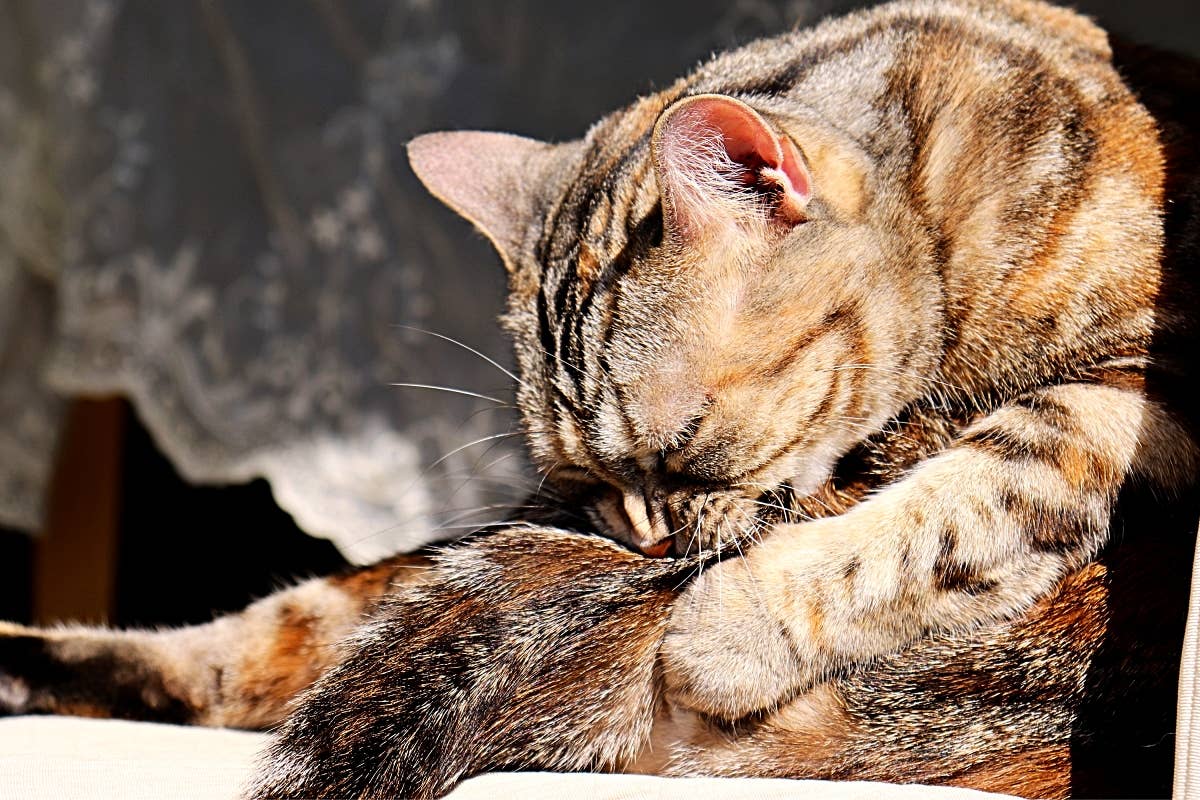
Cats are born with a strong urge to groom themselves. This instinct keeps their fur clean and free from dirt and parasites. When your cat chews on its fur, it might be trying to remove loose hairs or soothe an itchy spot.
Have you noticed your cat spending a lot of time licking and biting a particular area? This is often their way of dealing with discomfort or stress. Grooming also helps regulate body temperature and spreads natural oils that keep the coat healthy.
Common Grooming Behaviors
Besides chewing, cats exhibit several grooming behaviors you might find interesting:
- Licking their fur to clean and untangle it
- Biting gently to remove mats or loose hair
- Using their paws to wash their face and head
- Chewing fur during stress or boredom
Sometimes, chewing becomes excessive and can lead to bald spots. This might indicate anxiety or skin problems. Have you ever wondered if your cat’s fur chewing is just grooming or a sign they need extra care?

Credit: www.latimes.com
Reasons Behind Fur Chewing
Cats chewing on their fur during grooming might seem odd at first, but there are several practical reasons behind this behavior. Understanding these reasons can help you better care for your feline friend and spot any issues early. Let’s look at what drives your cat to chew its fur and what it might mean.
Removing Loose Fur And Dirt
Chewing helps cats get rid of loose fur that their tongues alone can’t remove. This keeps their coat clean and smooth, preventing matting and tangles. If you’ve ever noticed your cat pulling out a clump of fur, it’s likely trying to tidy up more thoroughly than just licking allows.
Soothing Stress And Anxiety
Just like people might bite their nails when nervous, cats chew their fur to calm down. This repetitive action can reduce feelings of stress or anxiety. If your cat chews more during loud noises or changes in the environment, it might be their way of coping.
Skin Irritations And Allergies
Your cat may chew fur to relieve itchy or irritated skin caused by allergies or dryness. This behavior often signals discomfort that you should address. Check your cat’s skin for redness, bumps, or flakes to identify any issues early.
Parasite Issues
Fleas, mites, or other parasites can make your cat extremely itchy. Chewing fur is a way to try and remove these pests or soothe the irritation they cause. If you spot excessive chewing alongside scratching, a vet visit is a smart move to rule out parasites.
Boredom And Habit Formation
Sometimes, chewing becomes a habit simply because your cat is bored. Lack of stimulation or playtime can lead them to focus on grooming behaviors excessively. Providing toys and interactive play can reduce this habit and keep your cat mentally engaged.
Health Concerns Linked To Fur Chewing
Cats chewing their fur during grooming can cause skin irritation and hair loss. This behavior might also lead to infections if left untreated. Monitoring fur chewing helps keep cats healthy and comfortable.
Cats chewing on their fur during grooming might seem normal. But it can signal underlying health issues. It’s essential to understand these concerns. Knowing them can help keep your cat healthy and happy.Hairballs And Digestive Problems
Cats swallow loose fur while grooming. This leads to hairballs. Hairballs can cause digestive issues. Sometimes, they block the intestines. This is dangerous. Cats may vomit or have trouble eating. Regular grooming can help reduce hairballs. Special cat foods can also aid digestion.Skin Damage And Infections
Excessive fur chewing can harm the skin. Cats may create open sores. These can get infected easily. Infections cause redness and swelling. Cats might scratch more often. This worsens the problem. It’s vital to check your cat’s skin regularly. Seek help if you see signs of infection.Behavioral Changes To Watch For
Fur chewing can indicate stress or anxiety. Cats may groom excessively when stressed. Changes in the environment can trigger this. Watch for other signs of stress. Changes in eating or sleeping patterns are key indicators. Addressing the root cause can ease the behavior. Keep an eye on your cat’s habits.How To Help Your Cat Stop Chewing Fur
Helping your cat stop chewing on their fur can improve their comfort and prevent potential health issues. Understanding practical ways to address this behavior makes a big difference. Let’s look at effective steps you can take to support your furry friend and reduce fur chewing.
Improving Environmental Enrichment
Your cat might chew fur out of boredom or stress. Adding toys, scratching posts, and interactive playtime can keep their mind and body busy.
Try rotating toys to keep things fresh and exciting. Puzzle feeders are another great way to engage their brain. Have you noticed how your cat behaves when you’re not around? This can give clues about their mental state.
Regular Vet Checkups
Health problems can cause fur chewing, so regular vet visits are crucial. Skin allergies, parasites, or pain might make your cat chew to soothe discomfort.
Discuss any changes in behavior with your vet. They might suggest treatments or tests that can pinpoint the problem early. Keeping up with vaccinations and parasite control also helps maintain healthy skin.
Using Soothing Products
Calming sprays, diffusers, or collars can reduce anxiety linked to fur chewing. These products often use natural ingredients like pheromones that comfort cats.
Place a diffuser near your cat’s favorite resting spot for the best effect. You can also try herbal supplements after consulting your vet. Have you tried these products before? Sometimes a small change in the environment can make a big impact.
Diet And Nutrition Adjustments
Nutrition plays a role in skin and coat health. A poor diet might lead to dry skin, causing your cat to chew fur for relief.
Ensure your cat’s food includes essential fatty acids like omega-3 and omega-6. Sometimes adding supplements recommended by your vet can improve coat quality. Watch for any food allergies that could be triggering discomfort.
Credit: pethelpful.com
Frequently Asked Questions
Why Do Cats Chew Their Fur During Grooming?
Cats chew their fur to remove dirt, loose hair, and parasites. This behavior helps them stay clean and healthy. Chewing also stimulates their skin and distributes natural oils for a shiny coat.
Is Fur Chewing Normal For All Cats?
Yes, fur chewing is a normal grooming habit for most cats. However, excessive chewing may indicate stress or skin issues. Regular observation helps ensure your cat is healthy and comfortable.
Can Fur Chewing Cause Harm To Cats?
Mild fur chewing is harmless, but excessive chewing can lead to bald spots and skin irritation. If your cat chews too much, consult a vet to rule out allergies or anxiety.
How Can I Stop My Cat From Chewing Fur Excessively?
Provide mental stimulation, regular playtime, and a balanced diet to reduce stress. Consult a vet if fur chewing persists, as it may signal underlying health problems.
Conclusion
Cats chew their fur to clean and soothe themselves. This behavior helps remove dirt, loose hair, and parasites. Sometimes, chewing calms them when they feel stressed or bored. Watching your cat’s grooming can tell you a lot about their health.
If chewing becomes too much, a vet check is smart. Understanding why cats chew fur makes caring for them easier. Keep your cat happy and healthy by noticing these small habits. Simple care goes a long way in your cat’s life.


Leave a Reply