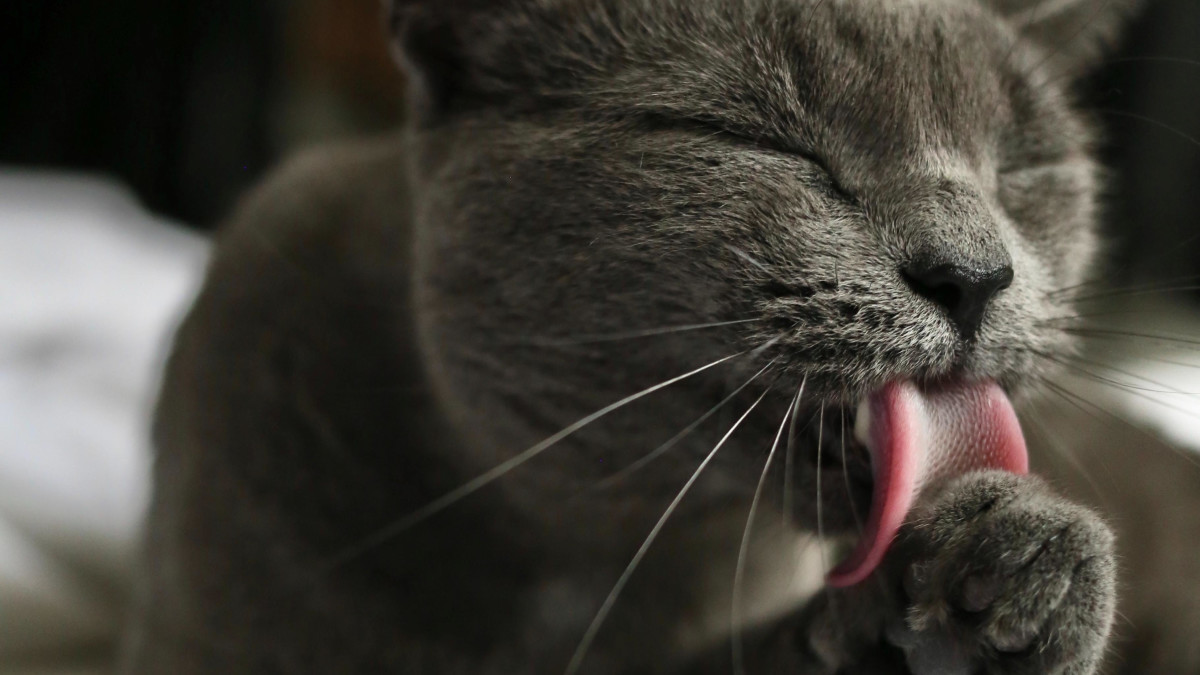
Have you ever noticed how loud your cats can get when they’re grooming? You might wonder why your usually quiet feline suddenly turns into a noisy little creature while cleaning themselves.
It’s more than just a quirky habit—there’s a fascinating reason behind those sounds. Understanding why your cats are so loud during grooming can help you connect better with them and even spot if something is wrong. Keep reading to discover the surprising reasons behind your cats’ noisy grooming sessions and what it means for their health and happiness.
Sounds Cats Make While Grooming
Have you ever noticed your cat making quite a bit of noise while grooming? The sounds your cat produces during this routine might surprise you. Understanding these noises can help you connect better with your feline friend and even spot if something’s off with their health or mood.
Common Grooming Noises
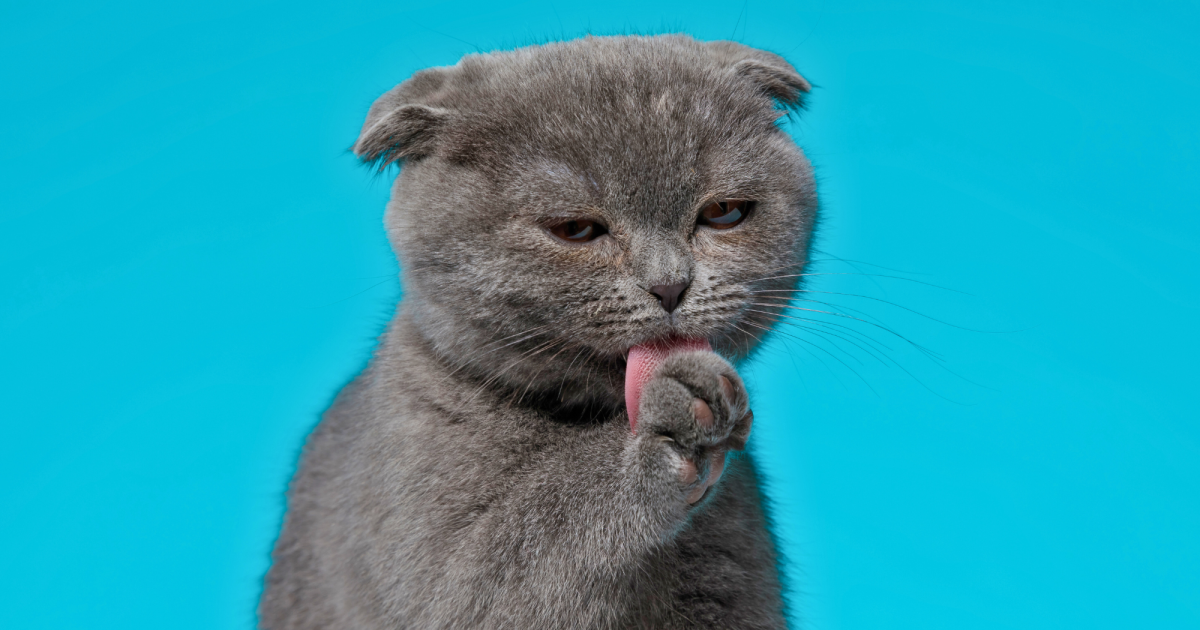
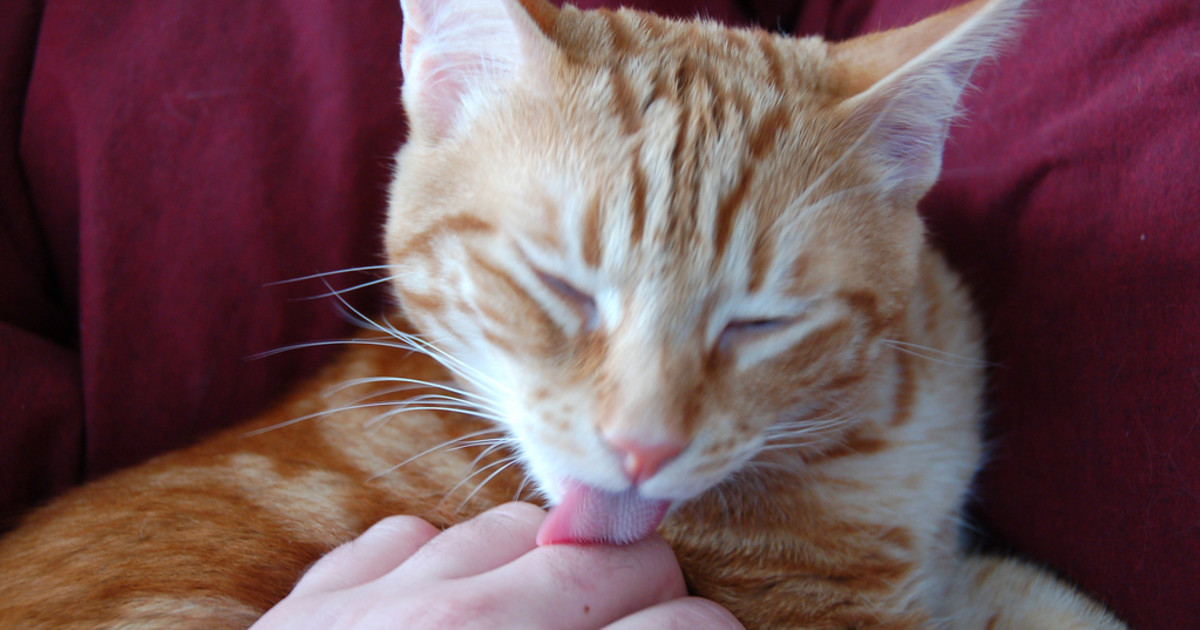
When cats groom, they don’t just sit quietly and lick. You might hear a range of sounds like licking smacks, soft chuffs, or even sharp tongue clicks. These noises happen because their tongues have tiny, hook-like structures that create a scraping sound as they clean their fur.
Besides licking sounds, some cats make gentle grunts or snorts. These often happen when they are focused or trying to reach a tricky spot. Have you ever caught your cat making a little “chirp” during grooming? It’s usually a sign of contentment or concentration.
Purring And Meowing During Grooming
Purring during grooming is common and usually means your cat is relaxed and happy. However, some cats also meow while they groom. This can be a way to communicate with you or express mild discomfort if they find a tangled fur spot irritating.
Think about the last time your cat meowed while cleaning itself. Was it a soft, short meow or a loud, drawn-out one? The tone can tell you a lot about how your cat feels during grooming. Paying attention to these vocal cues helps you understand their needs better.
Reasons Behind Loud Grooming
Cats can be surprisingly loud while grooming themselves. This noise often puzzles many cat owners. Understanding why cats make these sounds helps deepen your bond. Grooming is more than cleaning. It’s a way cats express feelings and communicate.
Communication With Owners
Some cats use grooming sounds to talk to their owners. The noises can signal different moods or needs. For example, a cat might purr loudly during grooming to show comfort. Other times, they might make unusual sounds to get your attention. This vocal behavior helps cats connect with people around them.
Sign Of Contentment Or Stress
Loud grooming sounds often show a cat’s feelings. Soft purring or gentle licking noises usually mean contentment. But if the sounds are harsh or frantic, it might indicate stress. Cats sometimes groom loudly to calm themselves down. They use grooming as a way to manage emotions.
Seeking Attention
Cats quickly learn that noise brings attention. Loud grooming can be a clever way to get you to notice them. They might want petting, playtime, or food. This behavior shows how smart and social cats really are. Your reaction often encourages them to keep making sounds.
Health Factors Influencing Grooming Sounds
Cats may groom loudly due to health issues like dental pain or skin irritation. Stress and age can also affect their grooming sounds. Paying attention to changes helps spot possible health problems early.
Cats are known for their quirky behaviors, and grooming is no exception. If your cat’s grooming sessions are louder than usual, it might be due to health factors influencing their grooming sounds. Understanding these factors can help you ensure your feline friend stays healthy and happy.Dental Issues
Dental problems can make grooming uncomfortable for cats, leading to louder sounds. Cats with sore gums or toothaches may vocalize their discomfort while grooming. Regular dental check-ups can prevent these issues and keep your cat purring quietly.Skin Irritations
Skin irritations like allergies or infections can cause your cat to groom more aggressively, resulting in louder noises. You might notice your cat licking or biting at a specific spot more intensely. Checking for redness or flaky skin can help you identify if skin irritations are the cause.Respiratory Concerns
Respiratory issues can also influence the sounds your cat makes while grooming. Cats with congestion or breathing difficulties may breathe more heavily during grooming. If you observe these symptoms, a visit to the vet is essential to address any underlying health concerns. Cats communicate in many ways, and their grooming sounds are no exception. Have you noticed your cat making unusual noises while grooming? Understanding these health factors can be crucial in identifying any underlying issues and ensuring your cat’s well-being.
Credit: getodie.com
Breed And Personality Impact
The sounds your cats make while grooming can be influenced by their breed and personality. Some cats have a natural tendency to be more vocal, while others keep quiet. Understanding these factors helps you make sense of why your furry friend might be noisier than others during their grooming sessions.
Vocal Breeds Tendencies
Certain breeds are well-known for their talkative nature. Siamese cats, for instance, often “chat” loudly, even when grooming. Their vocal cords seem more active, which explains why you might hear more noises during their cleaning routine.
Other breeds like Burmese and Oriental Shorthairs also tend to be quite vocal. If your cat belongs to one of these breeds, their grooming sounds might be louder simply because they are naturally expressive. Have you noticed your cat’s breed influencing how much they meow or purr?
Individual Cat Temperaments
Beyond breed, each cat has a unique personality that affects how loudly they groom. Some cats are more anxious or excited, which can make their grooming sounds louder or more frequent. A shy or calm cat might groom quietly, while a confident or playful one might be noisier.
Think about your own cats: do they react differently to new environments or people? Those reactions often show in their grooming behavior. Paying attention to these personality traits can help you understand why your cats sound the way they do during grooming.
How Environment Affects Grooming Noises
The environment plays a big role in how loudly cats groom themselves. Cats often adjust their behavior based on what is happening around them. Sounds during grooming can change depending on noise levels and who else is nearby.
When a home is busy or quiet, cats might change how much noise they make while cleaning. Other pets in the house can also affect these sounds. Understanding these factors helps explain why your cat may be louder at times.
Household Activity Levels
In a noisy home, cats may groom louder to keep their focus. Sounds like talking, music, or footsteps can distract them. Making more noise while grooming can help cats feel more secure.
In quieter homes, cats often groom softly and calmly. The calm setting allows them to relax and clean quietly. Sudden sounds may startle cats, causing louder grooming noises to warn or react.
Presence Of Other Pets
Other pets nearby can change how cats groom. Cats might groom noisily to show dominance or claim territory. Grooming sounds can act as a signal to other animals around them.
If a cat feels threatened or excited by other pets, grooming noises may increase. Sometimes, cats groom loudly to distract or calm themselves during conflicts. The presence of other animals often makes grooming a more active and noisy process.
Credit: pethelpful.com
When Loud Grooming Signals A Problem
Loud grooming can sometimes mean your cat has a problem. It might show changes in their normal behavior. Pay close attention to how your cat grooms and sounds during the process. Loud grooming is not always normal and could signal discomfort or health issues. Understanding these signs helps you take better care of your pet.
Changes In Grooming Behavior
Cats usually groom quietly and calmly. Sudden loud noises or unusual grooming habits can be a warning. Your cat might lick more often or stop grooming certain areas. Grooming might take longer or seem rushed and anxious. These shifts can indicate stress or physical problems that need attention.
Signs Of Pain Or Discomfort
Loud grooming may mean your cat feels pain. Watch for signs like:
- Flinching or pulling away when touched
- Excessive licking on one spot
- Changes in posture or movement
- Growling or hissing during grooming
These signs suggest your cat might be hurting. Pain could come from injuries, skin problems, or arthritis. A visit to the vet is important to find the cause and help your cat feel better.
Tips To Manage Loud Grooming
Managing loud grooming in cats can improve your home’s peace. Cats may groom loudly due to stress or health issues. Creating a calm environment helps reduce their noise. Regular health checks keep your cat comfortable. Engaging your cat with activities can also lower grooming sounds.
Creating A Calm Space
Provide a quiet spot for your cat to groom. Soft bedding and low lighting make cats feel safe. Avoid loud noises and sudden movements near your cat. Keep their space tidy and free from distractions. A calm area helps your cat relax and groom quietly.
Regular Vet Checkups
Visit the vet to check your cat’s health. Pain or irritation can cause loud grooming sounds. Regular checkups catch problems early. Keep vaccinations and dental care up to date. A healthy cat grooms calmly and happily.
Engaging Your Cat
Play with your cat daily to reduce stress. Use toys to keep their mind active. Interactive games lower anxiety and loud grooming. Offer scratching posts and climbing areas. A busy cat grooms less loudly and feels content.

Credit: justcatsclinic.com
Frequently Asked Questions
Why Do Cats Make Noise While Grooming?
Cats vocalize during grooming to express comfort or communicate with owners. Grooming can also stimulate purring or meowing, showing contentment or seeking attention.
Is Loud Grooming A Sign Of Health Issues?
Loud grooming usually isn’t a health problem. However, excessive noise or discomfort might indicate skin irritation or dental issues. Consult a vet if concerned.
How Does Grooming Help Cats Communicate?
Grooming sounds can signal relaxation, stress relief, or social bonding. Cats use vocalizations during grooming to interact with humans or other pets around them.
Can Loud Grooming Indicate Stress Or Anxiety?
Yes, some cats vocalize more when stressed during grooming. Loud grooming noises might be a way to cope or seek reassurance from their owner.
Conclusion
Cats often make noise while grooming to communicate or relax. Their loud sounds can mean they feel safe and happy. Sometimes, grooming noises show they want your attention or comfort. Each cat has its own way of expressing feelings. Understanding these sounds helps build a better bond with your pet.
Listen closely and enjoy these unique moments. Your cat’s noisy grooming shows love in its own special way.


Leave a Reply