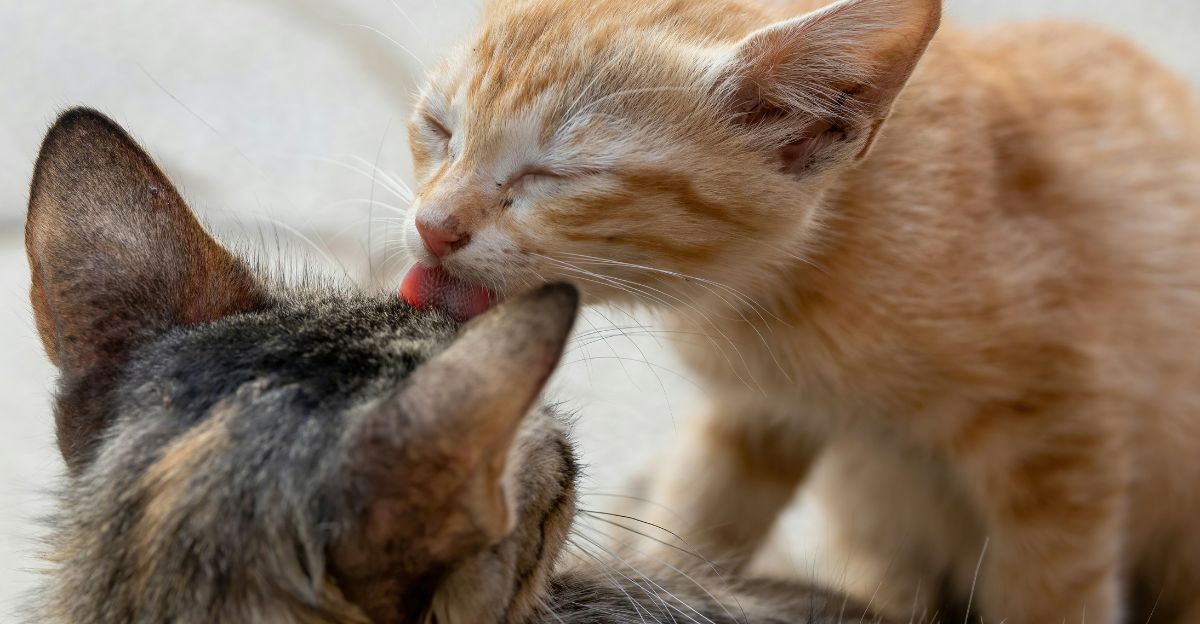
Have you ever watched cats gently licking each other and wondered why they do it? When cats groom each other, it’s more than just keeping clean—it’s a powerful way they connect and communicate.
Understanding when your cats choose to groom each other can reveal a lot about their feelings and relationships. If you want to know what these sweet moments really mean, keep reading. You’ll discover surprising reasons behind this behavior that will change how you see your furry friends forever.

Credit: catcuddlezone.com
Social Bonding
Social bonding among cats is more than just a cute behavior; it’s a critical part of how they maintain harmony and trust within their groups. Grooming each other, known as allogrooming, serves as a powerful tool to build and reinforce these social ties. Understanding this can help you see your cats’ interactions in a new light and even improve their relationships.
Strengthening Relationships
When cats groom each other, they are not just cleaning fur—they are showing trust and affection. This behavior helps reduce tension and create a sense of safety among them. If you notice your cats sharing grooming sessions, it’s a sign they feel comfortable and bonded.
Have you ever watched two cats carefully lick each other’s faces or necks? That’s their way of saying, “I’m on your side.” It’s a simple but powerful action that strengthens their connection every time it happens.
Family And Group Dynamics
In multi-cat households or feral colonies, grooming helps define social roles and keeps the group stable. Older cats often groom younger ones, showing care and passing on social cues. This shared grooming also helps prevent conflicts by maintaining peace within the group.
Think about your own cats if you have more than one. Do you see a hierarchy in their grooming habits? Usually, the dominant or more experienced cat initiates the grooming, reinforcing its status while caring for others.
Next time your cats groom each other, pay attention to who starts it and how often it happens. This can tell you a lot about their social bonds and whether they are happy living together.
Stress Relief
Cats groom each other not just for cleanliness but also for stress relief. Grooming builds bonds and helps cats feel safe. It lowers stress levels and creates a calm environment. This behavior shows trust and friendship among cats.
Calming Effects
When cats groom each other, it releases calming chemicals in the brain. This helps them relax and feel peaceful. The gentle licking and nibbling soothe their nerves. Cats often groom after tense moments to calm down quickly.
Reducing Anxiety
Mutual grooming helps reduce anxiety by providing comfort. It acts as a natural stress buster for cats. Grooming distracts them from worries and unsettled feelings. Cats feel more secure and less nervous when they groom each other.
Territorial Marking
Cats groom each other to share their scent and mark their territory. This behavior builds trust and strengthens their bond. Grooming also helps keep their fur clean and free from pests.
Cats often groom each other as part of their territorial marking behavior. This grooming is more than just a cleaning ritual. It plays a crucial role in their social interactions. When cats groom each other, they leave their scent on their companions. This scent sharing helps establish a shared territory. It strengthens their bonds and reinforces group identity.Scent Sharing
Scent is a vital communication tool for cats. When cats groom each other, they exchange scents. This process creates a familiar group scent. It helps them identify who belongs in their social circle. A shared scent can reduce conflicts and enhance harmony. Cats feel more secure in their environment with familiar scents.Group Identity
Grooming also helps establish a group identity among cats. It signals acceptance and belonging within the group. Cats that groom each other regularly are usually part of the same social group. This behavior strengthens their social ties. It promotes cooperation and reduces aggression. Cats feel safer and more relaxed around familiar group members.Mutual Assistance
Mutual assistance in cat grooming is a fascinating behavior that goes beyond simple hygiene. Cats often help each other clean spots they can’t easily reach themselves. This shared grooming strengthens bonds and serves practical purposes that you might not have noticed in your own feline friends.
Hard-to-reach Areas
Cats naturally struggle to groom certain parts of their bodies, like the back of the head, neck, and between the shoulder blades. That’s where mutual grooming comes into play. When one cat licks these difficult areas on another, it ensures a more thorough cleaning.
Have you ever seen two cats sitting close, one carefully licking the other’s neck? They are not just being affectionate—they’re helping with parts that are almost impossible to reach on their own. This teamwork keeps them cleaner and more comfortable.
Health Benefits
Mutual grooming does more than just improve cleanliness. It can reduce stress and promote relaxation for both cats involved. This calming effect helps lower anxiety and can even reduce the risk of skin infections.
When cats groom each other, they also stimulate blood circulation in the skin, which supports healthy fur growth. If you’ve noticed your cats grooming each other frequently, it might be a sign they’re looking out for each other’s well-being.
Have you thought about how this behavior impacts your cats’ social health? Encouraging mutual grooming by providing a peaceful environment can enhance their relationship and overall happiness.
Hierarchy And Dominance
Cats don’t just groom each other because they’re clean freaks; grooming is a powerful social tool. It helps them communicate their place in the group and maintain relationships. Understanding the role of hierarchy and dominance in grooming can reveal a lot about your cat’s social world.
Establishing Status
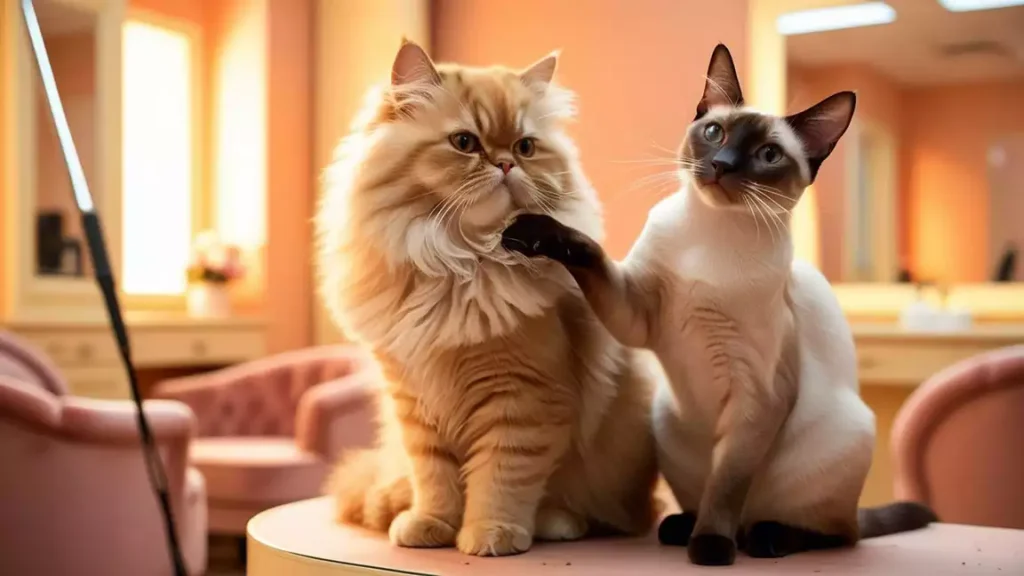
Dominant cats often take the lead in grooming sessions. They may groom others more frequently, signaling control and care simultaneously.
When a cat grooms another, it’s not just about cleaning fur—it’s a way to say, “I’m in charge, but I trust you.”
Have you noticed your cat choosing who to groom first or grooming more assertively? That’s them showing their rank without a fight.
Submissive Behavior
Submissive cats often accept grooming without initiating it. This acceptance is a way to show respect and avoid conflict.
Sometimes, you’ll see a cat expose vulnerable areas like the neck or belly during grooming. This is a clear sign of trust and submission.
Next time you see one cat patiently sitting still while another grooms, think about the silent agreement of hierarchy playing out before your eyes.
Credit: catgroomerla.com
Play And Affection
Cats often groom each other during play and moments of affection. This behavior shows their social bonds and feelings towards one another. Grooming is more than cleaning; it is a way cats connect and communicate. It helps them share comfort and build relationships in their group.
Expressing Care
Grooming is a clear way cats show care. When one cat licks another, it sends a gentle message of kindness. This act helps calm nervous cats and makes them feel safe. Cats use grooming to show they are friends and want to help each other.
Building Trust
Mutual grooming helps cats build strong trust. It shows they accept each other and feel relaxed together. Trust grows as cats spend time licking each other’s fur. This shared grooming creates a peaceful and friendly bond between cats.

Credit: basepaws.com
Frequently Asked Questions
Why Do Cats Groom Each Other?
Cats groom each other to strengthen social bonds and show affection. This behavior also helps maintain cleanliness and reduces stress between cats.
When Do Cats Start Grooming Each Other?
Cats usually begin grooming each other after forming a close social bond, often after a few weeks or months of interaction.
How Often Do Cats Groom Each Other?
Cats groom each other several times a day, especially during relaxed moments. Frequency varies based on their relationship and environment.
What Areas Do Cats Groom On Each Other?
Cats commonly groom the head, neck, and ears, areas hard to reach by themselves, helping each other stay clean.
Conclusion
Cats groom each other to build trust and show affection. This behavior helps keep their fur clean and reduces stress. Grooming also strengthens bonds between cats living together. You may see this more often among cats who feel safe and happy.
Watching cats groom can reveal their close relationships. Understanding this helps you know your cat’s feelings better. Keep an eye on grooming habits to spot any changes. Healthy grooming means happy cats and peaceful homes. Simple actions, big meaning.

Leave a Reply