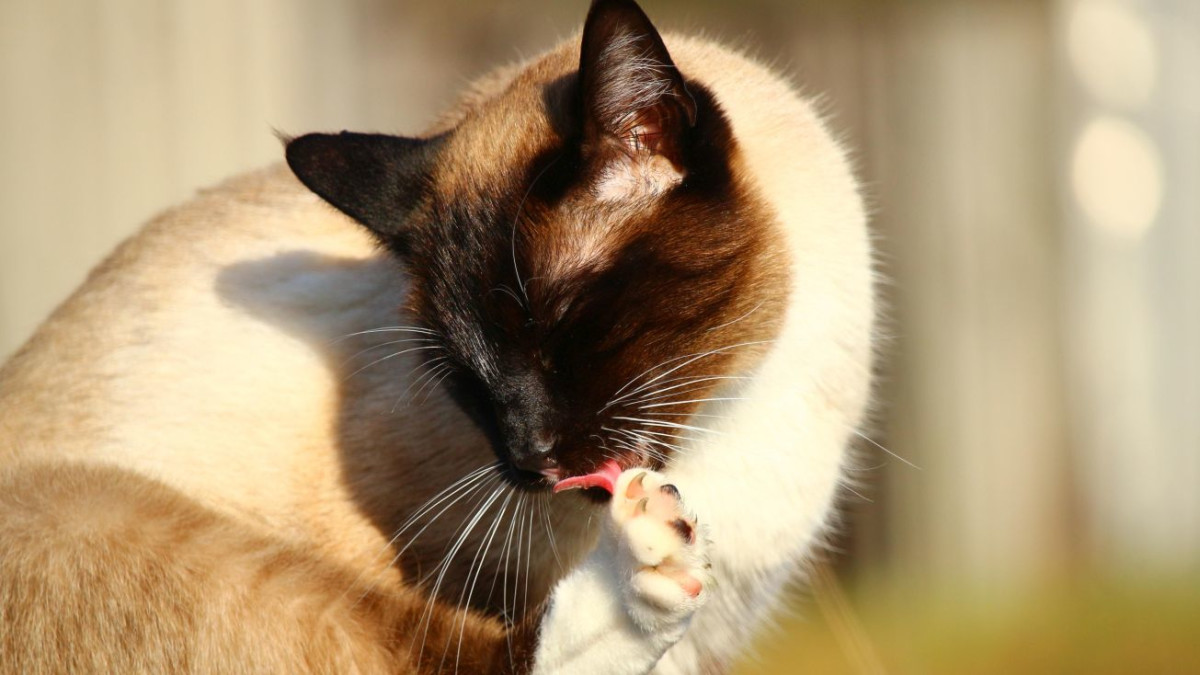
Have you ever watched your cat spending hours licking its fur and wondered why they groom themselves so much? It might seem like they’re just being neat, but there’s actually a lot more behind this constant cleaning habit.
Understanding why your cat grooms all the time can help you better care for their health and happiness. Keep reading to discover the surprising reasons behind this behavior and how it affects your furry friend’s well-being.
Cat Grooming Basics
Cats spend a lot of time grooming themselves, and this behavior is more than just keeping clean. Understanding the basics of cat grooming helps you see why your feline friend licks, nibbles, and smooths their fur so often. It’s a natural part of their daily routine that supports their health and comfort.
How Cats Groom
Cats use their tongues, which are covered with tiny, hook-shaped structures, like natural combs. These hooks help remove dirt and loose fur while spreading natural oils across their coat. This action not only cleans but also keeps their fur soft and shiny.
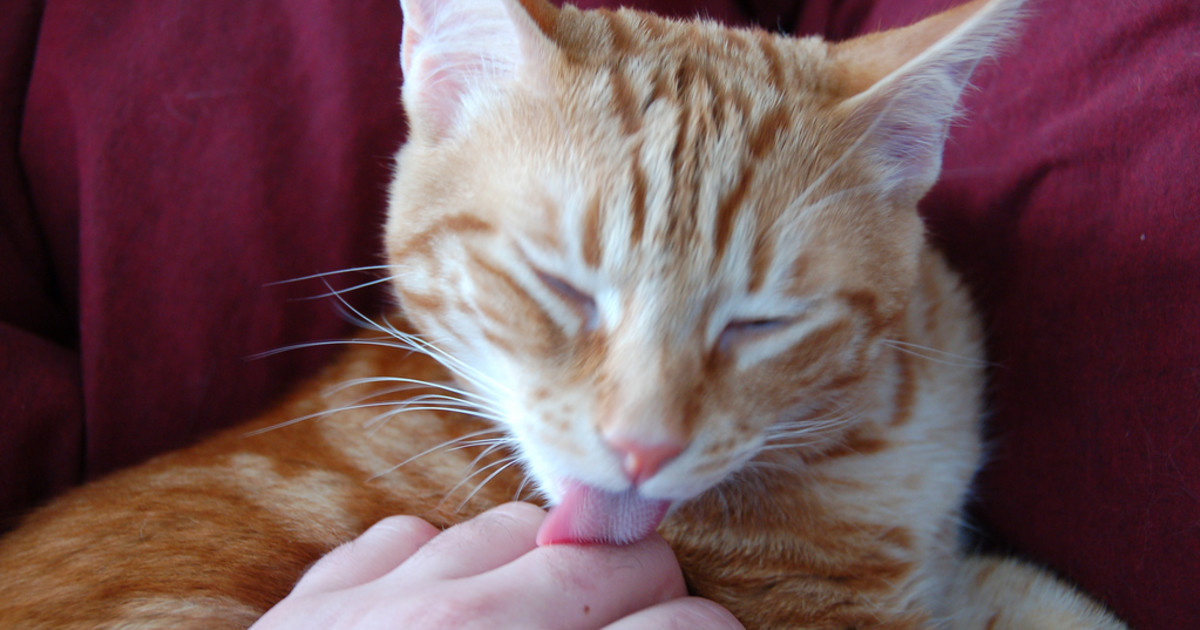
Besides the tongue, cats use their teeth gently to nibble at knots or mats in their fur. Their paws also play a role—they lick their paws and then rub them over areas hard to reach, like their face and ears. This combination of tools makes their grooming thorough and effective.
Common Grooming Behaviors
- Licking:The most frequent behavior, helping remove dirt and distribute oils.
- Biting or nibbling:Used to tackle tangles or remove parasites.
- Paw licking and face washing:Cats wet their paws to clean their face, especially around the eyes and ears.
- Stretching while grooming:This ensures they can reach all parts of their body comfortably.
Have you noticed your cat focusing on one spot repeatedly? This could mean an irritation or discomfort in that area. Paying attention to these behaviors gives you clues about their health and wellbeing.
Credit: pethelpful.com
Reasons Behind Frequent Grooming
Cats are known for their constant self-grooming, which might leave you wondering why they spend so much time licking their fur. Understanding the reasons behind this behavior can help you better care for your feline friend. Here are the key reasons why your cat grooms itself so often.
Hygiene And Cleanliness
One of the main reasons cats groom themselves is to keep clean. Their rough tongues remove dirt, loose fur, and parasites like fleas. Grooming also helps distribute natural oils across their coat, keeping their fur shiny and healthy.
Have you noticed how your cat always seems spotless? That’s no accident. This constant attention to cleanliness prevents skin infections and keeps your cat comfortable.
Temperature Regulation
Grooming helps cats control their body temperature. When cats lick their fur, the saliva evaporates, creating a cooling effect, much like sweating in humans. This is especially helpful during hot weather.
On colder days, grooming fluffs up their fur, trapping heat close to the skin. So, grooming acts as a natural thermostat for your pet, helping them stay comfortable no matter the season.
Stress Relief And Comfort
Grooming is also a way for cats to soothe themselves when they feel stressed or anxious. You might have seen your cat licking excessively when there’s a change in their environment or routine.
This behavior releases endorphins, which calm the cat and reduce tension. Next time your cat starts grooming a lot, ask yourself if something is bothering them—you might need to give them extra attention or a quiet space.
Health Benefits Of Grooming
Cats spend a lot of time grooming themselves. This behavior offers many health benefits. Grooming helps keep cats clean and healthy. It supports their skin, fur, and overall well-being.
Skin And Fur Care
Grooming removes dirt and loose fur from a cat’s body. It spreads natural oils across the skin and coat. These oils keep the fur shiny and soft. Grooming also prevents mats and tangles. Healthy skin and fur protect cats from injuries and infections.
Parasite Control
Grooming helps cats find and remove parasites. Fleas, ticks, and mites can hide in fur. Cats use their tongues and teeth to catch these pests. Removing parasites reduces itching and skin problems. It also lowers the risk of diseases carried by parasites.
Healing And Recovery
Grooming helps cats heal wounds faster. Licking cleans cuts and scratches. It removes dirt and bacteria from injuries. This natural cleaning lowers the chance of infection. Grooming also soothes pain and helps cats feel better quickly.
When Grooming Becomes Excessive
Grooming is a natural and necessary behavior for cats, helping them stay clean and comfortable. But what happens when your feline friend seems to be grooming non-stop? Excessive grooming can signal that something is wrong, either physically or emotionally. Recognizing when grooming crosses the line is crucial for your cat’s health and happiness.
Signs Of Over-grooming
Over-grooming often leaves visible marks on your cat’s body. Look for:
- Bald patchesor areas with noticeably thinner fur.
- Red, irritated skinor sores that don’t heal.
- Constant lickingor biting at the same spot.
If you notice these signs, ask yourself: Is my cat grooming to clean or to soothe discomfort? Your close observation can be the first step in preventing further issues.
Potential Medical Issues
Sometimes, excessive grooming is your cat’s way of telling you something hurts. Allergies, parasites like fleas, or skin infections often cause itching and discomfort. If your cat suddenly starts licking more than usual, it might be time for a vet visit.
Other hidden problems include:
- Arthritis or joint pain causing stress in certain areas
- Hormonal imbalances affecting skin health
- Underlying wounds or irritations you might not see easily
Ignoring these signs can make the problem worse. Have you checked your cat’s skin and fur recently? A quick vet check can save a lot of trouble down the line.
Behavioral Causes
Grooming also serves as a coping mechanism. Cats facing stress, anxiety, or boredom might groom excessively to calm themselves. Changes in environment, new pets, or even your absence can trigger this behavior.
Consider your cat’s daily routine. Are there enough playtime and interaction? Is your cat showing other signs of anxiety like hiding or restlessness?
Addressing the root cause of stress can reduce over-grooming. Think about ways to enrich your cat’s life with toys, attention, or even calming products. Have you tried creating a safe space where your cat feels secure?
How Owners Can Help
Owners can gently brush their cats to help remove loose fur and dirt. Providing a calm space encourages regular grooming habits and reduces stress. Keeping your cat’s nails trimmed also prevents accidental scratches during self-cleaning.
Cats spend a lot of time grooming themselves. It’s not just about staying clean. Grooming helps cats feel relaxed and in control. But sometimes, they need a little help from their owners. Understanding how to support your cat in this natural behavior can make a big difference. Here are ways you can assist your feline friend in maintaining healthy grooming habits.Encouraging Healthy Grooming
Provide your cat with a balanced diet. Nutrition affects their skin and fur health. Offer regular brushing sessions. This helps remove loose fur and prevents hairballs. Choose a brush that suits your cat’s coat type. Make grooming a bonding time. Speak softly and gently stroke your cat.Managing Stress In Cats
Cats may over-groom when stressed. Create a calm environment. Ensure they have a quiet place to retreat. Keep a consistent daily routine. Changes can unsettle cats. Provide interactive toys to reduce boredom. Mental stimulation is key. Use pheromone diffusers if needed. They can help reduce anxiety.When To Seek Veterinary Advice
Notice excessive grooming or bald patches? Consult your vet. There might be underlying health issues. Watch for signs of skin irritation. Cats may scratch excessively. Check for fleas or allergies. A vet can offer solutions. Regular check-ups are vital. They ensure your cat’s overall health.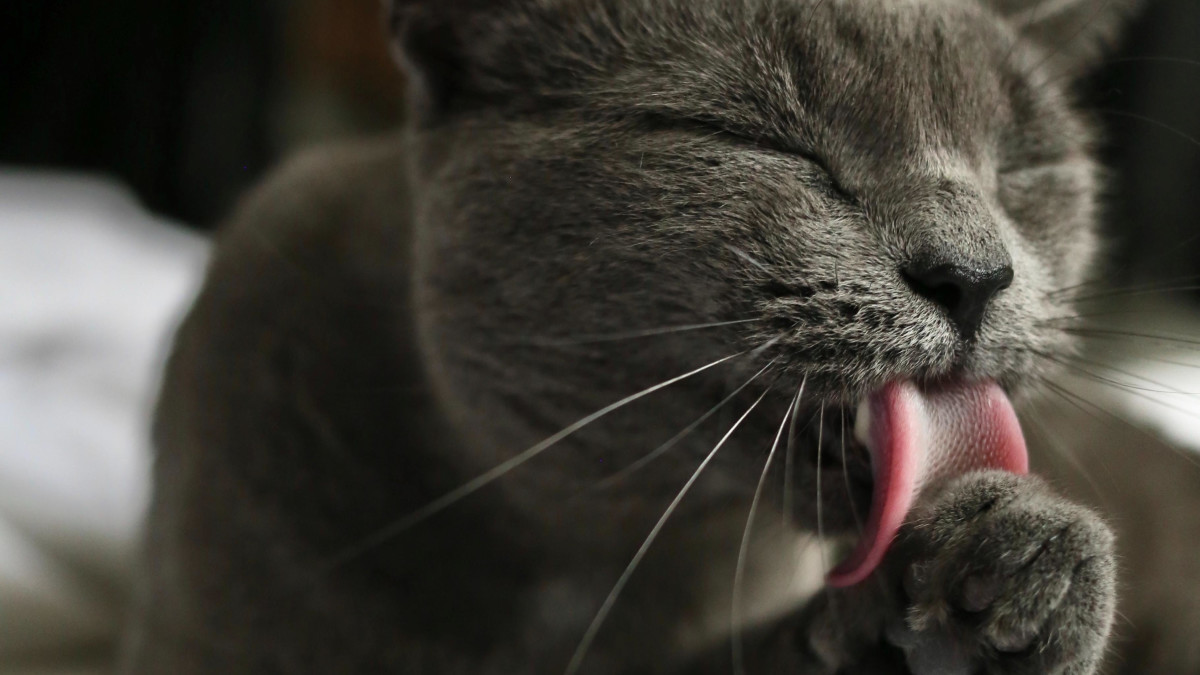
Credit: pethelpful.com
Interesting Grooming Facts
Cats spend a lot of time grooming themselves. This behavior is natural and serves many purposes. Grooming helps them stay clean, cool, and comfortable. It also plays a role in their health and social life. Understanding these grooming facts reveals why cats groom so often and with such care.
Unique Grooming Tools Cats Use
Cats have special tools to help with grooming. Their tongues are covered with tiny, hook-shaped structures called papillae. These act like a comb to remove dirt and loose fur. Their sharp, retractable claws help scratch and clean hard-to-reach spots. Whiskers assist in sensing the environment to avoid injury during grooming.
Differences Among Cat Breeds
Not all cats groom the same way. Short-haired cats usually spend less time grooming than long-haired breeds. Long-haired cats need more attention to avoid mats and tangles. Some breeds, like the Sphynx, have less fur but still groom to clean their skin. Grooming habits can also depend on age and health.
Grooming And Social Bonding
Cats also groom each other. This behavior is called allogrooming. It strengthens social bonds and reduces stress. Mothers groom their kittens to keep them clean and safe. Cats in groups often groom one another to show trust and friendship. This social grooming helps create a peaceful environment.
)
Credit: www.northroadvet.com.au
Frequently Asked Questions
Why Do Cats Groom Themselves Frequently?
Cats groom themselves to stay clean and remove dirt. Grooming also helps regulate their body temperature and reduce stress. It strengthens their fur and skin health while promoting relaxation and comfort.
How Does Grooming Benefit A Cat’s Health?
Grooming removes loose fur, dirt, and parasites. It stimulates blood circulation and prevents skin infections. Regular grooming helps cats maintain a shiny coat and improves overall hygiene.
Can Excessive Grooming Indicate Health Issues?
Yes, excessive grooming may signal allergies, stress, or skin problems. It can cause hair loss or wounds. If grooming seems obsessive, consult a vet for proper diagnosis and treatment.
Do Cats Groom To Communicate With Others?
Cats use grooming to communicate by spreading their scent. Social grooming builds bonds between cats and shows affection. It helps establish trust and reduces tension in multi-cat households.
Conclusion
Cats groom themselves to stay clean and healthy. This behavior helps remove dirt and loose fur. Grooming also cools them down and reduces stress. It keeps their skin soft and free from parasites. Watching a cat groom is calming and shows they feel safe.
Understanding why cats clean themselves deepens our bond with them. Next time you see your cat licking, remember it’s natural and important. Their grooming is a sign of good health and comfort. Caring for your cat means appreciating this simple habit.


Leave a Reply