Have you ever watched your cat gently lick another cat, only to suddenly see them bite? It can be confusing and even a little concerning.
You might wonder, why does my cat groom my cat and then bite them? Understanding this strange behavior can help you keep your furry friends happy and safe. You’ll discover the surprising reasons behind this mix of affection and aggression.
Keep reading to learn what your cats are really trying to tell you.
Cat Grooming Behavior
Cats spend a lot of time grooming themselves and others. Grooming is more than just cleaning. It helps cats connect and feel safe. Watching cats groom each other reveals their social world. Sometimes, after grooming, a cat may bite. This behavior can seem strange but has reasons behind it. Understanding cat grooming behavior helps explain these actions.
Social Bonding Through Grooming
Grooming is a way cats show friendship. It builds trust between cats. Cats lick each other to share scents. This makes them feel like part of the same group. Grooming lowers stress and keeps cats calm. It is common in cats that live together. Grooming helps keep peace and harmony.
Instincts Behind Grooming
Grooming comes from natural cat instincts. Cats clean to stay healthy and free of dirt. Licking also helps cool their body. Mothers groom kittens to care for them. Young cats learn to groom by watching their mothers. This behavior is deeply rooted and natural. Grooming also signals safety in their environment.
Grooming Hierarchy Among Cats
Cats have social ranks in their groups. Higher-ranked cats often groom lower-ranked ones. Sometimes, grooming ends with a quick nip or bite. This bite is a gentle reminder of limits. It can stop the other cat from grooming too much. Biting after grooming helps maintain order and respect. It is part of their communication style.

Credit: www.reddit.com
Reasons For Groom-then-bite
Seeing your cat groom another cat and then suddenly bite them can be puzzling. This behavior might seem confusing, but it often carries specific meanings rooted in feline communication and social interaction. Understanding the reasons behind this groom-then-bite action helps you better interpret your cats’ relationship and manage their interactions.
Affectionate Biting
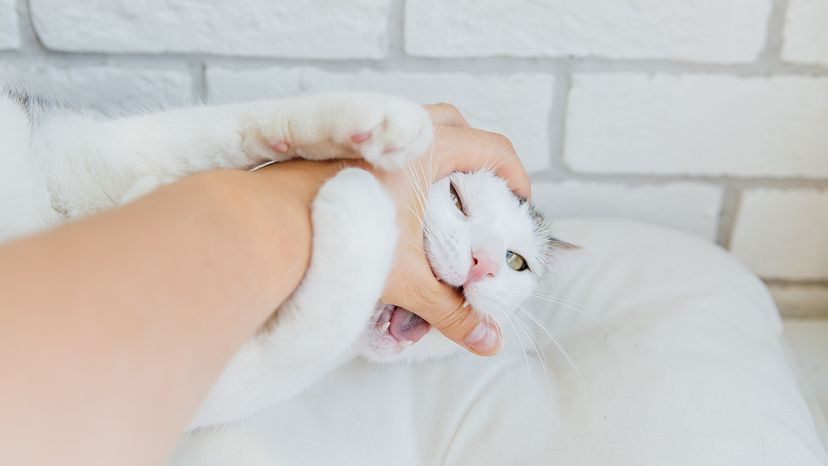
Sometimes, a bite following grooming is a gentle way cats show affection. After cleaning each other, a cat might nibble lightly to express love or strengthen their bond. This isn’t meant to hurt but to communicate closeness in a way only cats understand.
If you notice the bite is soft and brief, it’s likely a sign of friendship. Have you seen your cats “kiss” each other with tiny nips? That’s their special way of saying, “I care about you.”
Overstimulation Response
Grooming can sometimes overstimulate a cat, leading to a bite as a way to say “enough.” Cats have sensitive skin, and prolonged licking might feel irritating. The bite works as a quick stop signal to prevent discomfort.
Watch for signs like tail flicking or ears flattening before the bite happens. These clues can help you understand when your cat feels overwhelmed. How often do you see your cat’s mood change during grooming sessions?
Establishing Dominance
Grooming followed by biting can also be a way for one cat to assert dominance over another. In multi-cat households, this behavior helps clarify social hierarchy. The dominant cat might groom first, then deliver a bite to remind the other who’s in charge.
This bite is usually firmer and might cause the other cat to move away or submit. If your cats’ interactions include growling or hissing, pay attention to how grooming and biting fit into their power dynamics. Could this be your cats’ way of negotiating respect?
Redirected Aggression
Sometimes, a cat may groom another but then bite because of redirected aggression. If your cat feels threatened or frustrated by something else, they might take it out on their companion during grooming. This sudden bite isn’t about the groomed cat but about the groomer’s stress.
You might notice your cat looking tense or alert to other stimuli before the bite happens. Identifying what triggers your cat’s agitation can help reduce these unexpected bites. Have you observed any events that cause your cat to act this way?
Signs To Watch During Grooming
Cats are fascinating creatures with unique behaviors. Grooming is one of their most common activities. Sometimes, cats groom each other and then suddenly bite. This behavior might confuse cat owners. Understanding the signs during grooming can help. It can explain why your cat behaves this way.
Body Language Cues
Pay attention to your cat’s body language. It speaks volumes. A relaxed body indicates a calm cat. Tense muscles suggest stress or agitation. If your cat’s body stiffens, it might bite soon. Grooming can turn into play or aggression quickly. Watch for any sudden changes.
Tail And Ear Movements
The tail and ears are expressive. A slowly swishing tail often shows contentment. A quick flick might mean irritation. Ears held back suggest discomfort or annoyance. If the tail puffs up, the cat might feel threatened. These movements can signal a coming bite.
Vocalizations And Their Meanings
Cats communicate with sounds. Purring usually signals happiness and relaxation. A low growl or hiss indicates displeasure. If your cat meows loudly, it might be warning the other cat. These vocalizations can help you understand their mood. It offers clues to prevent a bite.
Credit: tryfurgo.com
How To Respond To Grooming Bites
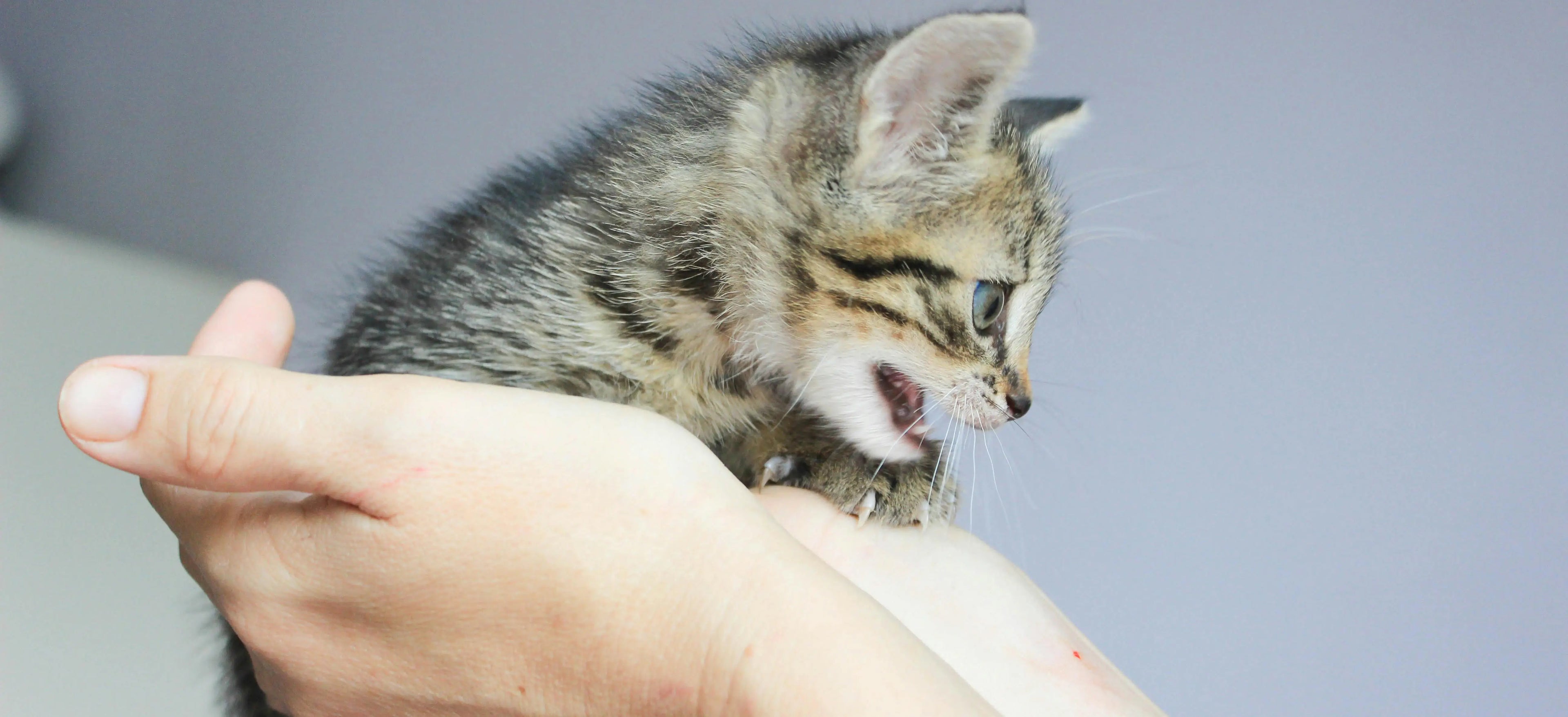
Understanding how to respond to grooming bites helps keep peace between cats. Grooming often shows affection, but biting can signal overstimulation or play. Knowing how to react calmly prevents conflicts and strengthens their bond. Use gentle strategies to guide your cats toward better behavior.
Redirecting Attention
Shift your cat’s focus away from biting by offering toys or treats. Use interactive toys to engage their energy positively. This helps stop the bite without punishment. A quick distraction can calm an excited or stressed cat.
Setting Boundaries
Teach your cats limits using clear signals. If one cat bites during grooming, gently separate them. Use a soft voice to say “no” or “stop.” Consistent boundaries help cats learn which behaviors are not allowed. Avoid harsh reactions that may scare or confuse them.
Using Positive Reinforcement
Reward gentle grooming with treats or praise. Praise your cats when they groom without biting. This encourages good behavior over time. Positive reinforcement builds trust and makes cats want to behave well. Patience and consistency are key to success.
When To Consult A Veterinarian Or Behaviorist
Understanding when to seek professional help is vital for your cat’s well-being. Grooming followed by biting may signal deeper issues. Early action prevents stress and harm. Experts like veterinarians and behaviorists can identify causes and guide you.
Signs Of Aggression Problems
- Sudden biting during or after grooming
- Hissing or growling sounds
- Swatting with paws or clawing
- Stiff body posture or raised fur
- Avoidance of other cats or humans
These signs show that your cat feels threatened or stressed. Frequent aggressive acts need professional evaluation. Behaviorists can offer strategies to reduce hostility.
Health Issues Affecting Behavior
- Pain from dental or skin problems
- Arthritis causing discomfort during grooming
- Neurological disorders impacting mood
- Hormonal imbalances affecting aggression
- Parasite infestations causing irritation
Physical pain often triggers biting after grooming. A veterinarian can diagnose these health issues. Treating pain or illness helps calm your cat and stop aggressive behavior.
Credit: animals.howstuffworks.com
Frequently Asked Questions
Why Does My Cat Groom Then Suddenly Bite?
Cats groom to show affection and bond. Biting after grooming can signal playfulness, overstimulation, or a gentle warning to stop.
Is Biting After Grooming Normal Behavior?
Yes, occasional biting after grooming is normal. It reflects natural cat communication and social interaction, not aggression or harm.
How Can I Stop My Cat From Biting After Grooming?
Distract your cat with toys or gentle petting before biting occurs. Consistent positive reinforcement helps reduce biting behavior.
Does Grooming And Biting Indicate Dominance Between Cats?
Sometimes. Grooming followed by biting can establish social hierarchy or dominance within multi-cat households.
Conclusion
Cats grooming then biting each other shows mixed feelings. It can mean love, play, or a small warning. Watch their body language to understand better. Give cats space if biting seems too rough. This helps keep their bond strong and safe.
Knowing why cats act this way helps you care for them. Your pets show feelings in unique ways. Pay attention, and you will see what they need.

Leave a Reply