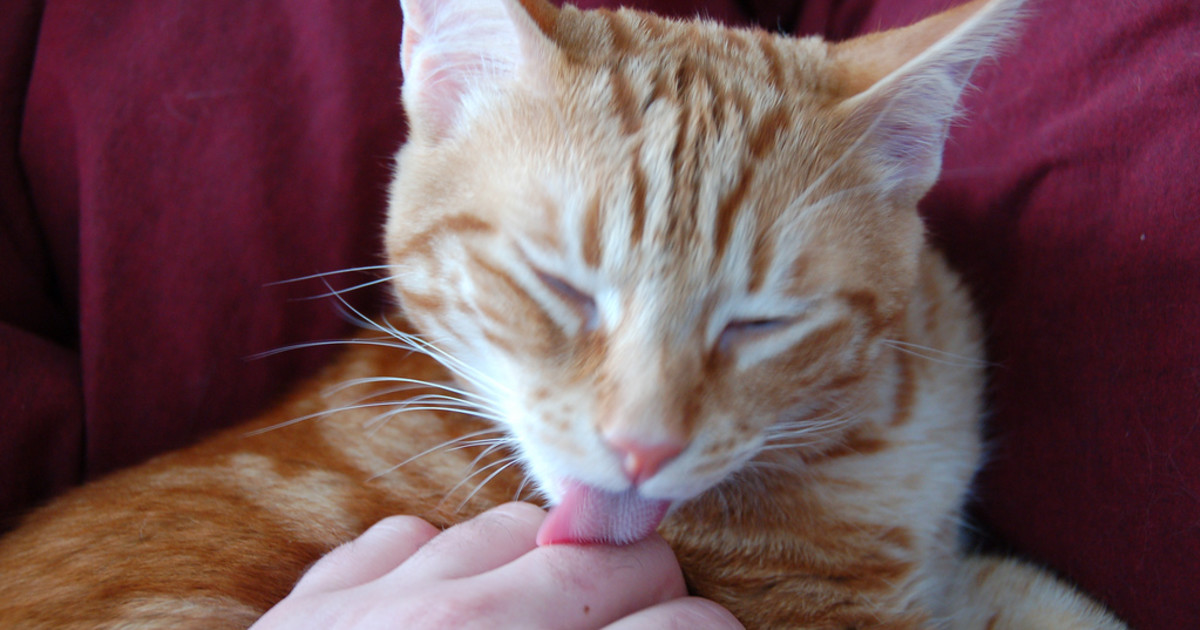
Have you ever wondered why your cat licks you when grooming? It’s more than just a quirky habit.
When your furry friend uses their tongue on you, they’re sending a message that goes beyond simple grooming. Understanding this behavior can deepen the bond you share and help you respond in the best way. Keep reading to discover the surprising reasons behind your cat’s licking and what it really means for your relationship.
Cat Grooming Behavior
Cats lick themselves and others as a natural behavior. This grooming habit helps cats stay clean and healthy. It also builds bonds between cats and their owners. Understanding how cats groom offers insight into why your cat licks you.
Purpose Of Grooming
Grooming keeps a cat’s fur clean and free of dirt. It removes loose hair and prevents mats. Grooming also controls body temperature by spreading natural oils. Cats reduce stress through grooming, helping them feel calm. When cats lick their owners, they show trust and affection. This licking is a sign of friendship and care.
How Cats Groom Themselves
Cats use their tongues to groom. Their tongues have tiny, hook-like structures. These hooks help remove dirt and loose fur effectively. Cats start grooming from the head and move down the body. They lick their paws and then rub their face and ears. Grooming takes up a large part of a cat’s day. It keeps their coat shiny and skin healthy.
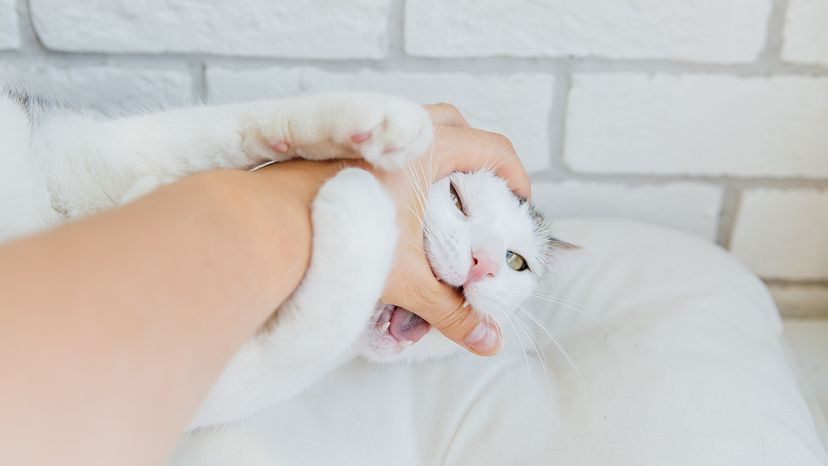
Credit: animals.howstuffworks.com
Reasons Cats Lick Humans
Cats licking humans is a behavior that often puzzles pet owners. You might wonder why your cat chooses to lick you instead of just cuddling or sitting nearby. Understanding the reasons behind this action can help you connect better with your feline friend and respond appropriately.
Showing Affection
Licking is a common way cats show love. When your cat licks you, it’s often a sign of trust and bonding. They treat you like a member of their family, similar to how they groom other cats they are close to.
Have you noticed how your cat’s licking feels gentle yet persistent? That’s their way of saying they care and want to be close to you. It’s a small but meaningful gesture of affection.
Marking Territory
Cats have scent glands in their tongues. By licking you, they leave their unique scent on your skin. This is a way of marking you as part of their territory and social group.
Think about it—your cat might lick your hands or face to claim you as “theirs.” It’s their subtle way of saying, “You belong with me.” This can help you feel more connected knowing your cat sees you as part of their world.
Seeking Attention
Sometimes, licking is your cat’s way of asking for attention. If you’re busy or not interacting much, your cat might lick you to get you to notice them. This can be their polite way of saying, “Hey, I need some playtime or petting!”
Next time your cat starts licking during your work or downtime, consider it a gentle nudge. Responding with a few minutes of play or affection can strengthen your bond and satisfy their need for interaction.
Imitating Motherly Care
Kittens learn to groom themselves and their siblings by licking. Adult cats often carry this behavior into adulthood. When your cat licks you, it might be imitating the motherly care they once received or gave as a kitten.
This behavior can feel nurturing and soothing to both of you. It’s a reminder that your cat sees you as part of their family and feels comfortable enough to care for you in this way.
Health And Comfort Signals
Cats lick you as a sign of trust and affection. Grooming helps them bond and shows they feel safe with you. It also comforts them, sharing their calm and care.
Cats often communicate through their actions. Licking is one way they show health and comfort signals. This behavior might seem puzzling. But it carries deeper meanings related to stress relief and skin condition checks. Understanding these signals can strengthen your bond with your cat.Stress Relief Through Licking
Licking helps cats reduce stress. It releases endorphins, calming them. When your cat licks you, it may feel secure and relaxed. This behavior mimics how they groom themselves for comfort. Cats often groom themselves when they feel anxious. It’s their way to find peace. So, if your cat licks you, they might be seeking comfort.Checking Your Skin Condition
Cats are observant creatures. They notice changes in your skin. Licking could be their way of checking your health. They use their tongues to detect any unfamiliar scents or textures. This behavior is a sign of their caring nature. Your cat may lick you if they sense something unusual. It’s their way of ensuring you are healthy and safe.When Licking Becomes Excessive
Cats often lick their owners as a sign of affection and grooming. But sometimes, licking can become too much. Excessive licking might mean something is wrong. Understanding why your cat licks excessively helps you respond properly.
Possible Anxiety Signs
Excessive licking can be a sign of anxiety in cats. Cats may lick you more when they feel stressed or scared. This behavior acts like a comfort mechanism. Look for other signs like:
- Restlessness
- Hiding often
- Changes in appetite
- Excessive grooming of themselves
Addressing anxiety can reduce the licking. Create a calm space and keep routines steady.
Allergic Reactions Or Skin Issues
Sometimes, cats lick excessively due to skin problems. Allergies or irritations can make them uncomfortable. Licking can soothe itchy or sore skin. Watch for these signs:
- Red or inflamed skin
- Hair loss
- Scabs or sores
- Frequent scratching
Consult a vet if you notice these symptoms. Treating the cause helps stop the excessive licking.
How To Respond To Cat Licking
Knowing how to respond to your cat’s licking helps build a stronger bond. Cats use licking to show affection and trust. Your reaction guides your cat’s future behavior. Responding gently encourages positive interaction. Setting clear limits protects your comfort. Sometimes, distraction helps redirect unwanted licking. Each approach improves your relationship with your pet.
Encouraging Positive Interaction
Allow your cat to lick you in calm moments. Pet your cat softly while it licks. Speak in a gentle, soothing voice. Reward your cat with treats for gentle licking. This teaches your cat licking is a way to connect. Let your cat know it is safe and loved.
Setting Boundaries
Use a firm but kind tone to say “no” if licking is too much. Gently move your cat away from your skin. Avoid yelling or sudden movements that scare your cat. Use a towel or blanket if needed for a soft barrier. Consistency helps your cat learn your limits. Respect your own comfort while being patient.
Using Distraction Techniques
Offer toys when your cat starts licking too much. Use interactive toys like feather wands or laser pointers. Redirect your cat’s attention to play or grooming tools. This shifts the licking into a fun activity. Keep toys nearby during your cat’s licking times. Distraction helps reduce licking without stress.

Credit: www.moopetcover.com
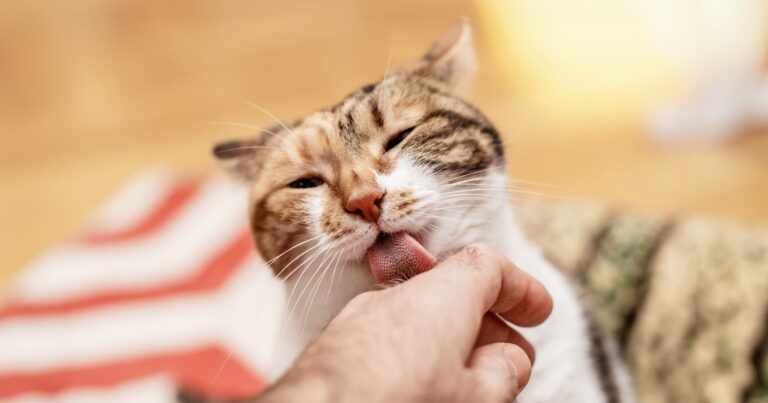
Credit: www.diamondpet.com
Frequently Asked Questions
Why Does My Cat Lick Me During Grooming?
Cats lick you to show affection and bond with you. It’s their way of including you in their social group and expressing trust.
Is Cat Licking A Sign Of Love Or Dominance?
Cat licking is mostly a sign of love and trust. Sometimes, it may also establish social hierarchy in multi-cat homes.
Can Cat Licking Be A Grooming Behavior For Owners?
Yes, cats often lick their owners as part of grooming. It mimics how they groom other cats in their family group.
Should I Be Concerned If My Cat Licks Me Excessively?
Excessive licking may signal stress or health issues. Monitor behavior and consult a vet if licking seems obsessive or unusual.
Conclusion
Cats lick you to show love and trust. This behavior is part of their grooming habit. It helps them bond and feel close to you. Sometimes, your cat may lick to comfort or calm itself. Remember, licking is a natural way cats communicate and care.
Enjoy these small moments of connection with your furry friend. It shows your cat feels safe and happy around you. Keep learning about your cat’s habits for a stronger bond.

Leave a Reply