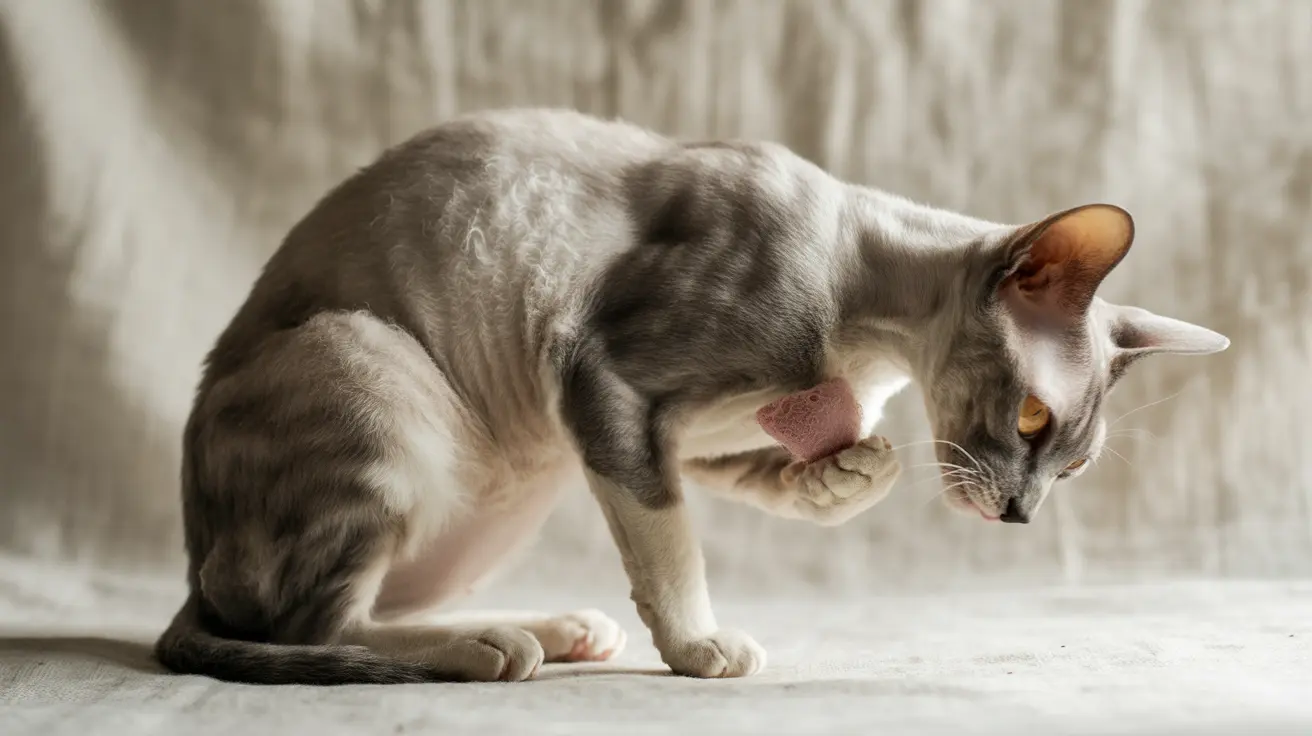
Have you noticed your cat pulling fur out while grooming? It can be worrying to see your furry friend losing more hair than usual.
You might wonder if this is normal or a sign of something serious. Understanding why your cat is doing this can help you keep them healthy and happy. You’ll discover the common reasons behind this behavior and what you can do to help your cat feel comfortable again.
Keep reading to find out how to protect your cat’s coat and well-being.
Common Grooming Behaviors
Cats spend a lot of time grooming themselves. This behavior keeps their fur clean and healthy. Understanding common grooming behaviors helps identify what is normal and what needs attention. Cats may pull some fur out during grooming, but this often has simple reasons. Observing your cat’s habits can show if grooming is healthy or excessive.
Normal Fur Shedding
Shedding is a natural process for cats. They lose old or damaged hair to make way for new growth. Cats shed more during seasonal changes, especially in spring and fall. Loose fur often comes off during grooming. This fur may appear as small clumps or individual hairs. Shedding helps keep a cat’s coat fresh and clean.
Self-cleaning Habits
Cats clean themselves by licking their fur. Their tongues remove dirt, loose hair, and parasites. Grooming also spreads natural oils across the coat. This oil keeps fur soft and shiny. Cats use their teeth to nibble on tough spots. This behavior removes mats and tangles. Grooming calms cats and helps them relax.
Stress And Anxiety
Stress and anxiety can have a surprising impact on your cat’s grooming habits. When your feline friend feels overwhelmed or uneasy, it may start pulling out fur as a coping mechanism. Understanding the root causes of this behavior is key to helping your cat feel calmer and more secure.
Environmental Triggers
Changes in your cat’s surroundings often spark stress. New pets, loud noises, or even rearranged furniture can unsettle your cat. Have you noticed fur pulling after a move or introduction of a new family member? These small shifts can feel like big threats to your cat’s sense of safety.
Sometimes, subtle factors like a dirty litter box or lack of hiding spots add to anxiety. Cats crave predictability and comfort, so creating a calm environment helps reduce stress. Think about your cat’s daily routine—are there any disruptions that might be affecting them?
Behavioral Signs
Beyond fur pulling, your cat may show other signs of stress. Excessive meowing, hiding more than usual, or aggression are red flags. These behaviors often come in clusters, giving you clues about your cat’s emotional state.
Watch how your cat grooms: Is it more frantic or focused on one spot? Over-grooming is often a sign of anxiety. Noticing these patterns early allows you to intervene before the behavior worsens.
Have you tried observing your cat’s behavior during different times of the day? Sometimes stress shows up only in certain situations, like when you leave the house. Identifying these moments helps you create a more comforting environment.
Allergies And Skin Conditions
Allergies and skin conditions often cause cats to pull fur out during grooming. These issues lead to itching, discomfort, and irritation. Cats try to relieve this by excessive licking and biting. Understanding common allergens helps identify the root cause of fur pulling.
Food Allergies
Cats can develop allergies to certain ingredients in their food. Common triggers include beef, dairy, and fish. These allergies cause itchy skin, redness, and hair loss. Changing the diet to hypoallergenic food may reduce symptoms.
Flea Allergies
Flea allergy dermatitis results from a cat’s reaction to flea bites. Even a single flea can cause intense itching. Fleas leave saliva that triggers allergic reactions. Regular flea control is essential to prevent fur pulling and skin damage.
Dermatitis
Dermatitis means inflammation of the skin. It can be caused by allergies, infections, or irritants. Symptoms include redness, swelling, and scabs. Cats with dermatitis often scratch and bite at the affected areas. Proper treatment reduces irritation and stops fur loss.

Credit: www.honeysucklecattoys.co.uk
Parasites And Infections
Parasites and infections often cause discomfort that leads cats to pull out their fur during grooming. These issues irritate their skin, making them scratch and bite repeatedly. Understanding the specific causes can help you address your cat’s problem effectively and keep their coat healthy.
Fleas And Mites
Fleas are a common culprit behind your cat’s fur pulling. Their bites cause intense itching and allergic reactions. You might notice small black specks—flea dirt—on your cat’s fur or skin.
Mites, though less visible, can cause similar irritation. They burrow into the skin, leading to redness and hair loss. If your cat scratches constantly or has scabs, a vet check for these parasites is crucial.
Bacterial Infections
Bacterial infections can develop when your cat’s skin gets damaged from scratching or other injuries. These infections cause soreness, swelling, and sometimes pus-filled sores. You might see your cat licking or biting at these spots, leading to more fur loss.
Proper hygiene and timely vet treatment can prevent these infections from worsening. Have you noticed any foul smell or discharge from your cat’s skin? These are signs to act fast.
Fungal Infections
Ringworm is a common fungal infection that causes patches of hair loss. It spreads easily between animals and even humans, so early detection is key. The affected skin might look scaly or inflamed, prompting your cat to groom excessively.
If you spot circular bald spots or flaky skin, consider a fungal test by your vet. Treating fungal infections promptly can stop the fur pulling and protect your entire household.
Nutritional Deficiencies
When your cat pulls fur out during grooming, one hidden cause might be nutritional deficiencies. Cats need a balanced diet to keep their skin and coat healthy. Missing key nutrients can lead to itchy skin, discomfort, and excessive fur pulling.
Essential Fatty Acids
Essential fatty acids like Omega-3 and Omega-6 play a big role in skin health. Without enough of these fats, your cat’s skin can become dry and flaky, causing irritation that leads to fur pulling. I once noticed my cat’s coat looking dull and patchy, which improved after switching to a food rich in these fatty acids.
Look for cat foods that list fish oil or flaxseed oil among the ingredients. Adding a supplement might help, but check with your vet first to avoid overdosing. Have you checked your cat’s food label recently to see if it includes these important fats?
Vitamin Shortages
Vitamins A, E, and B complex are essential for a shiny coat and healthy skin. A lack of these vitamins can cause dryness, itching, and fur loss. Vitamin deficiencies often sneak in when cats eat low-quality food or have health issues affecting nutrient absorption.
You can spot signs of vitamin shortages by observing your cat’s behavior and coat condition. If your cat scratches more than usual or has bald spots, consider discussing vitamin testing with your vet. Would you be surprised to learn that small changes in diet can significantly reduce your cat’s grooming stress?
Pain And Discomfort
Cats pull out their fur during grooming mainly because of pain or discomfort. This behavior signals that something is bothering their skin or body. Understanding the causes helps you address the problem and keep your cat healthy.
Injury Or Irritation
Injuries like cuts or scrapes can make your cat pull its fur. Even small wounds cause itching and discomfort. Insects bites or stings irritate the skin and trigger fur pulling. Allergic reactions to fleas or substances in the environment also cause itching. Your cat may lick or bite the area to relieve the pain, leading to fur loss.
Underlying Health Issues
Health problems can cause your cat to pull fur out. Skin infections, such as bacterial or fungal infections, often cause itchiness and pain. Parasites like mites can irritate your cat’s skin deeply. Hormonal imbalances sometimes lead to excessive grooming and fur loss. Stress or anxiety may cause your cat to over-groom as well. Identifying these issues early helps prevent further harm to your cat’s skin and coat.
Behavioral Disorders
Cats pulling fur out when grooming may signal behavioral disorders or stress. Identifying stress triggers is crucial for their well-being.
Cats are fascinating creatures, known for their meticulous grooming habits. However, when grooming turns into fur-pulling, it might indicate behavioral disorders. Understanding these behaviors can help you provide the support your cat needs to live a happy, healthy life.Compulsive Grooming
Compulsive grooming is akin to a cat’s version of obsessive-compulsive disorder. If your cat is constantly licking and pulling out fur, they might be dealing with anxiety. Picture a human who bites their nails when stressed; your cat could be doing the same with their fur. Stressors such as a new environment, another pet, or even changes in your schedule can trigger this behavior. Have you recently moved or introduced a new member to your household? Consider these factors as potential stress triggers for your furry friend. To help your cat, try creating a calm and stable environment. You might also consider consulting with a vet or animal behaviorist to explore further solutions.Boredom And Lack Of Stimulation
A bored cat is a mischievous cat. When cats lack mental and physical stimulation, they may resort to pulling their fur out. This is their way of coping with the monotony of their day. Think about your cat’s daily routine. Do they have enough toys or activities to keep them engaged? Interactive toys, puzzle feeders, or a simple cardboard box can work wonders in keeping their minds occupied. Encourage active playtime to keep your cat physically stimulated. Not only does this provide exercise, but it also strengthens the bond between you and your pet. What new games can you introduce to transform your cat’s boredom into joy?
Credit: www.feliway.co.uk
When To See A Veterinarian
Knowing when to see a veterinarian is important if your cat pulls fur out while grooming. This behavior may signal health problems that need professional care. Early action can help your cat feel better faster. Watch your cat closely for signs that need a vet’s attention.
Warning Signs
- Excessive scratching or biting
- Red, swollen, or irritated skin
- Patchy hair loss or bald spots
- Scabs, sores, or wounds on the skin
- Changes in appetite or activity levels
- Persistent licking or grooming in one area
- Signs of pain or discomfort when touched
Diagnostic Tests
The vet will examine your cat’s skin and coat carefully. They may perform skin scrapings to check for mites or infections. Blood tests can identify allergies or hormonal issues. Sometimes, a fungal culture helps detect ringworm. Allergy testing may be needed to find triggers. A biopsy can diagnose serious skin conditions.
Treatment And Management
Treating a cat that pulls fur out during grooming involves several approaches. The goal is to stop the behavior and improve your cat’s comfort. Careful management can reduce stress and prevent further damage to the skin and coat.
Medical Treatments
A vet visit is essential for proper diagnosis. They may prescribe medications to ease itching or treat infections. Antibiotics help with bacterial infections, while antifungal drugs target fungal issues. Anti-inflammatory medicines reduce swelling and discomfort. Sometimes, vets recommend special shampoos or topical creams. These products soothe irritated skin and promote healing.
Environmental Adjustments
Stress often triggers fur pulling. Creating a calm space helps your cat feel safe. Provide quiet areas with soft bedding. Offer hiding spots or elevated perches. Maintain a regular routine to reduce anxiety. Interactive toys and playtime can distract your cat. Avoid loud noises and sudden changes in the home. Using pheromone diffusers may also calm your pet.
Dietary Changes
Nutrition impacts skin and coat health. High-quality food supports strong, healthy fur. Some cats benefit from diets rich in omega-3 and omega-6 fatty acids. These nutrients reduce inflammation and improve coat shine. Avoid foods with artificial additives or allergens. Your vet can recommend hypoallergenic or special diets if needed.
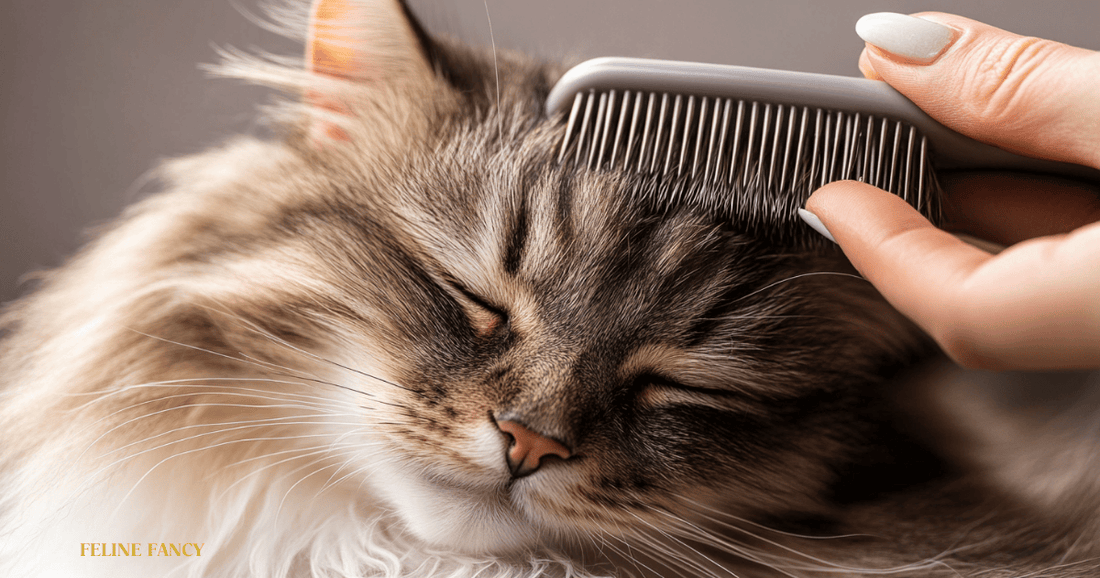
Credit: felinefancy.co.uk
Frequently Asked Questions
Why Is My Cat Pulling Out Fur When Grooming?
Cats may pull out fur due to stress, allergies, or skin infections. Overgrooming can also signal parasites or pain. Identifying the cause helps prevent further fur loss and promotes your cat’s health.
Can Allergies Cause Cats To Pull Out Fur?
Yes, allergies to food, pollen, or fleas can irritate a cat’s skin. This causes itching, leading to excessive grooming and fur pulling. Treating allergies reduces discomfort and stops fur loss.
How Does Stress Make Cats Overgroom?
Stress triggers cats to groom excessively as a coping mechanism. This can result in pulling out fur and skin damage. Reducing stress with environmental enrichment helps minimize overgrooming behavior.
When Should I See A Vet For Fur Pulling?
Visit a vet if your cat loses large fur patches or has sores. Persistent grooming causing bald spots needs professional diagnosis. Early treatment prevents worsening skin issues and discomfort.
Conclusion
Cats pulling fur while grooming can signal stress or health issues. Watch your cat’s behavior closely for any changes. Check for skin problems or allergies that cause irritation. Regular vet visits help catch problems early and keep your cat healthy.
Provide a calm, clean environment to reduce stress. Groom your cat gently and often to prevent fur pulling. Understanding why your cat pulls fur helps you care better. Stay patient and observant to keep your cat happy and comfortable.

Leave a Reply