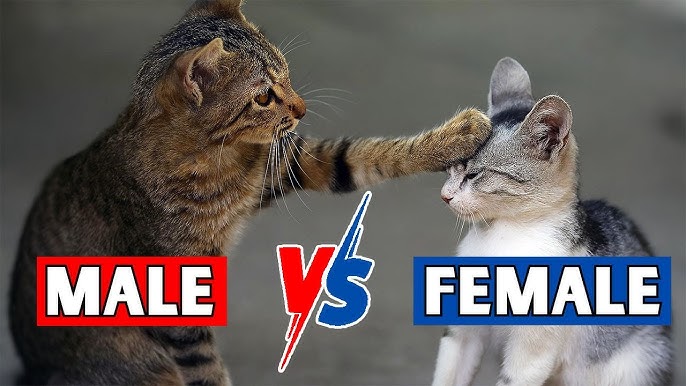
Have you ever watched two cats suddenly start fighting and then, just as quickly, begin grooming each other? It might seem confusing or even strange.
You wonder, why do they switch from being fierce rivals to caring companions in a matter of minutes? Understanding this curious behavior can change the way you see your furry friends and help you strengthen your bond with them. Keep reading, and you’ll discover the surprising reasons behind this odd but fascinating cat behavior.

Credit: www.youtube.com
Reasons Cats Fight
Cats often surprise us with their mix of aggressive and affectionate behaviors. You might see two cats squabble fiercely one moment and then calmly groom each other the next. Understanding why cats fight helps you make sense of this puzzling behavior and improve their relationship.
Territorial Disputes
Cats are naturally territorial animals. They use fights to defend their space from intruders. If you notice your cats growling or swatting near doorways or favorite spots, they are likely protecting their territory.
Think about your own home—would you feel comfortable if a stranger took over your favorite chair? Cats feel the same way. Helping your cats have separate safe zones can reduce these fights.
Establishing Hierarchy
Just like people, cats need to figure out who’s in charge. Fighting is one way they establish social rank within the group. This helps prevent ongoing conflicts by making roles clear.
Have you seen cats stare each other down or engage in brief tussles? These moments are their way of setting boundaries. Once hierarchy is clear, they often get along better.
Mating Rivalries
During mating season, tensions can rise sharply. Male cats especially may fight over a female’s attention. These battles can be intense but usually don’t last long.
If your cats are unneutered, you might notice more aggressive encounters. Neutering reduces this behavior by calming hormonal drives. It’s a practical step to keep peace in your home.
Resource Competition
Food, toys, and even your attention can spark fights. Cats compete when resources are limited or not easily shared. This can cause stress for both you and your pets.
Providing multiple feeding stations and plenty of toys can ease this competition. Have you tried giving each cat their own space? It often stops fights before they start.
Why Cats Groom Each Other
Cats grooming each other might seem surprising, especially after a tussle. But this behavior goes beyond just cleaning fur. It reveals much about their relationships and how they communicate.
Social Bonding Rituals
Grooming builds trust and strengthens connections between cats. After a fight, grooming can help repair their bond and show forgiveness. Have you noticed how your cats often groom each other after play or conflict? It’s their way of saying, “We’re good.”
Stress Reduction
Physical touch during grooming helps reduce stress and calm anxious cats. It releases feel-good hormones like oxytocin, which lowers tension. If your cats groom each other, they’re helping each other relax after a stressful encounter.
Mutual Care
Cats can reach spots on each other that are hard to clean alone, like behind the ears or under the chin. Grooming each other is a practical way to stay clean and healthy. When you see your cats grooming each other, think of it as teamwork for self-care.
Scent Sharing
Grooming also mixes their scents, creating a shared group smell. This scent sharing helps cats feel united and recognize each other as part of the same family. Have you wondered why your cats smell similar? Grooming is the secret behind this scent connection.
The Link Between Fighting And Grooming
Cats fight to set boundaries or show dominance. Grooming afterward helps restore peace and strengthens their bond. This behavior mixes tension with trust.
Cats are fascinating creatures, often exhibiting behaviors that seem contradictory. One moment they’re swatting at each other, and the next, they’re grooming like best friends. This intriguing pattern of fighting followed by grooming isn’t just random. It plays a significant role in how cats communicate and maintain their social bonds.Conflict Resolution
Cats, like humans, sometimes have disputes. These can arise over territory, food, or simply a clash of personalities. A quick bout of play-fighting or even a more serious tussle can help cats resolve these conflicts. Once the tension is out of the way, grooming often follows as a peace offering. It’s their way of saying, “We’re cool now.” Have you ever noticed your cats doing this? It’s a practical lesson in letting go of grudges.Restoring Trust
Trust is crucial in any relationship, including those between cats. After a fight, grooming acts as a gesture of reassurance. It helps to soothe and calm both parties, reinstating a sense of security. Think of it as their way of mending fences. When cats groom each other post-conflict, they’re essentially patching things up, restoring the trust that might have been shaken.Strengthening Relationships
The act of grooming goes beyond just cleaning fur; it’s a bonding activity. Through grooming, cats strengthen their social ties and reaffirm their relationships. Interestingly, this behavior is not just limited to cats in the same household. Even cats that are just acquaintances may engage in this practice to fortify their social network. Does this remind you of how we sometimes share a meal or a conversation to strengthen our human connections? Understanding the link between fighting and grooming can offer insight into your cats’ dynamics. It highlights how they communicate and maintain harmony. Next time you see them tussling, remember it might just be their way of working things out and growing closer.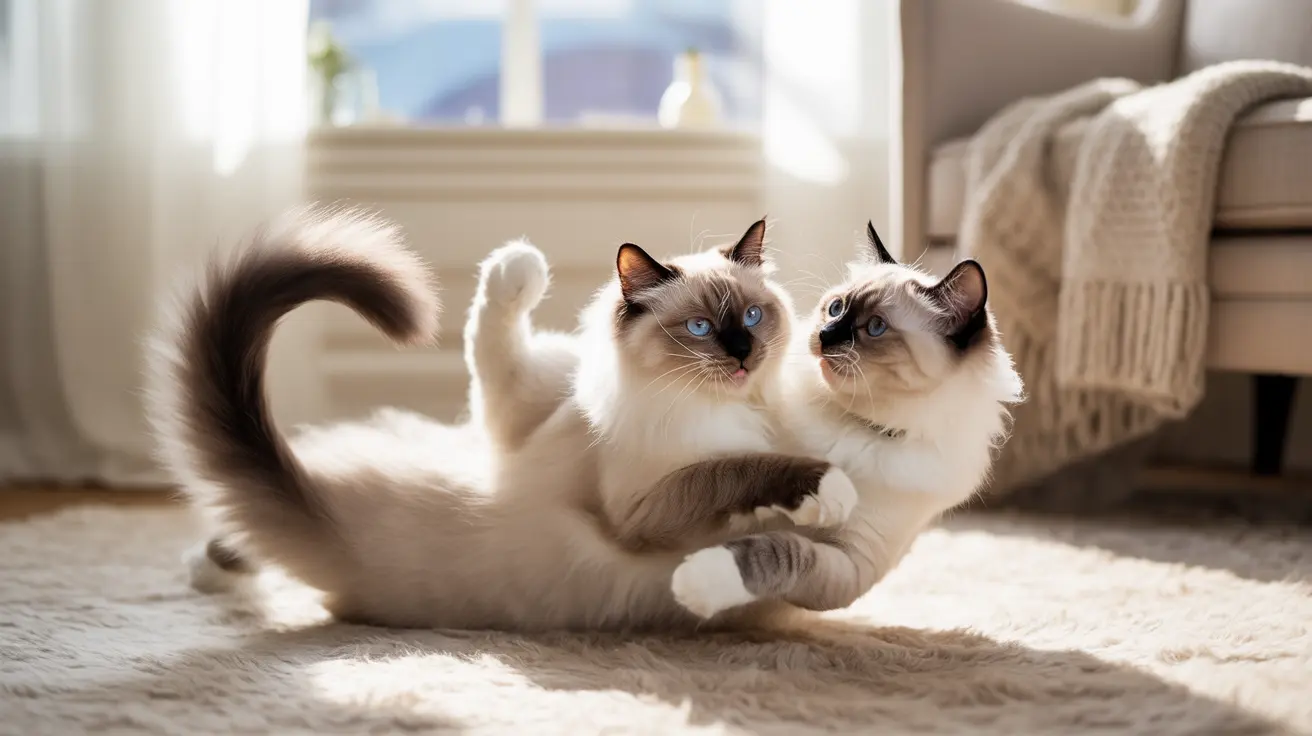
Credit: www.petscare.com
Behavioral Insights From Cat Experts
Cat experts study feline behavior to understand why cats fight and then groom each other. They find these actions show a complex social bond. Fighting is not always about anger. It can be a way to test limits or communicate.
Grooming after fighting helps cats restore peace. It signals forgiveness and trust. Experts say this behavior reflects a balance between conflict and connection.
Observations In Multi-cat Households
In homes with many cats, fights happen often. Cats establish a social order through brief conflicts. After these clashes, grooming reduces tension quickly.
- Cats use fighting to set boundaries.
- Grooming repairs relationships and stops further fights.
- It shows acceptance of each other after disputes.
- Households with more cats see this pattern regularly.
Natural Instincts Vs Learned Behavior
Fighting and grooming come from instincts and learning. Instinct drives cats to protect their space and status. Grooming is also instinctive, promoting group harmony.
Cats learn from experience how to manage conflict. They understand when to stop fighting and start grooming. This blend of nature and learning keeps cat groups stable.
Tips For Cat Owners
Understanding why cats sometimes fight and then groom each other can feel confusing. As a cat owner, knowing how to handle these moments is key to maintaining peace at home. Here are practical tips to help you manage your cats’ interactions and create a happier environment for them.
Managing Cat Conflicts
When cats fight, it’s often about establishing boundaries or releasing tension. Instead of punishing your cats, try to observe what triggers these conflicts. Is it a new toy, a particular spot, or feeding time?
Intervene calmly by distracting them with a toy or a treat. Avoid yelling or physical separation, which can increase stress. Sometimes, giving each cat their own space with separate food bowls and litter boxes reduces fights.
Encouraging Positive Interactions
Encourage your cats to bond by engaging them in shared activities like playtime. Use interactive toys such as feather wands or laser pointers that both can chase. This helps them associate each other with fun and positive experiences.
Reward peaceful behavior with treats or gentle petting. Have you noticed how your cats react to certain games or toys? Tailor their playtime to what excites both of them equally to keep jealousy at bay.
Creating A Harmonious Environment
Make your home cat-friendly by providing plenty of vertical spaces like cat trees or shelves. Cats feel safer when they can observe from above and have escape routes if needed. This setup reduces tension and the chance of fights.
Keep routines consistent and avoid sudden changes that might stress your cats. Consider using calming diffusers or pheromone sprays that can soothe anxious felines. Have you tried creating quiet zones where each cat can retreat and relax?

Credit: tryfurgo.com
Frequently Asked Questions
Why Do Cats Fight Each Other Sometimes?
Cats fight to establish dominance, protect territory, or express frustration. Fighting helps them communicate social hierarchy and boundaries. It’s a natural behavior, especially among unfamiliar cats or when resources are scarce.
What Does Grooming Mean After A Cat Fight?
Grooming after a fight shows reconciliation and social bonding. It reduces tension and reinforces friendships. Cats use grooming to comfort each other and maintain peaceful relationships within their group.
Is It Normal For Cats To Groom After Fighting?
Yes, it’s normal. Grooming after fighting helps cats repair social bonds. This behavior prevents future conflicts and strengthens trust between cats in the same household or community.
How Does Grooming Affect Cat Relationships?
Grooming builds trust and promotes harmony among cats. It signals affection and mutual acceptance. Regular grooming helps maintain strong social ties and reduces stress within cat groups.
Conclusion
Cats fight to show dominance or protect their space. Yet, they groom each other to build trust and calm down. This behavior helps keep peace and strengthen their bond. Watching cats fight and then groom shows their complex social nature.
Understanding this can help you care for your pets better. It reminds us that even after conflict, friendship can grow. Cats teach us about forgiveness and connection in simple ways. Their actions are a mix of instinct and affection. This balance makes their relationships strong and lasting.


Leave a Reply