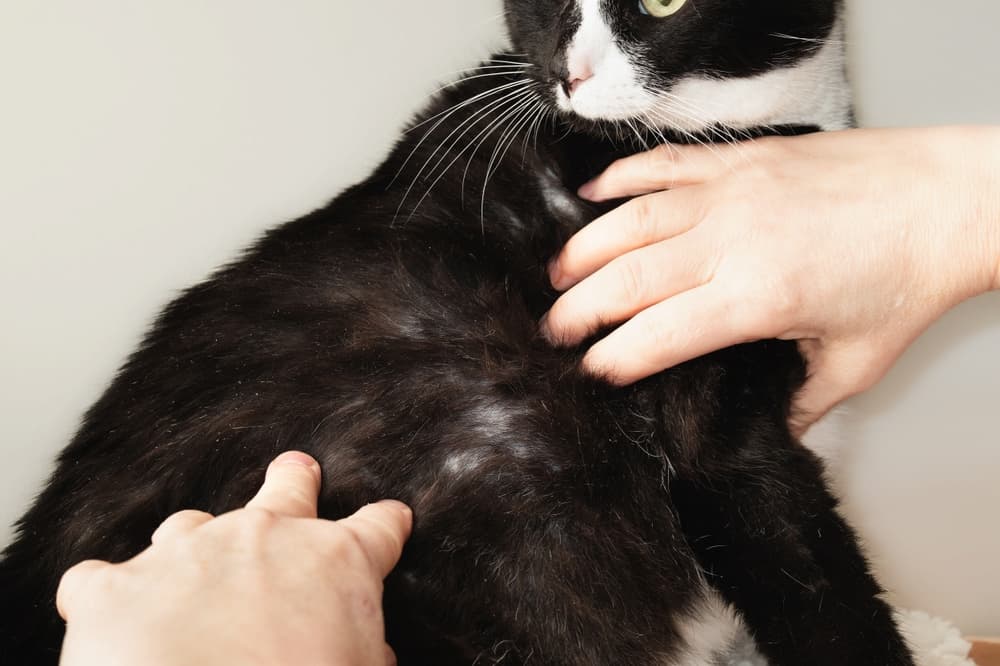
Have you noticed your cat spending more time licking their fur than usual? Are you worried because your furry friend is losing patches of hair?
Over grooming in cats can be a sign of something more serious than just a quirky habit. If your cat is constantly grooming and losing hair, it’s natural to feel concerned and want answers. You’ll discover the common reasons behind this behavior, how it affects your cat’s health, and what you can do to help your pet feel comfortable again.
Keep reading—your cat’s well-being depends on it.
Credit: www.greatpetcare.com
Signs Of Over Grooming
Noticing that your cat is grooming more than usual can be worrying. Over grooming often signals that something is wrong, whether it’s physical discomfort or stress. Recognizing the signs early can help you address the issue before it worsens.
Common Symptoms To Watch
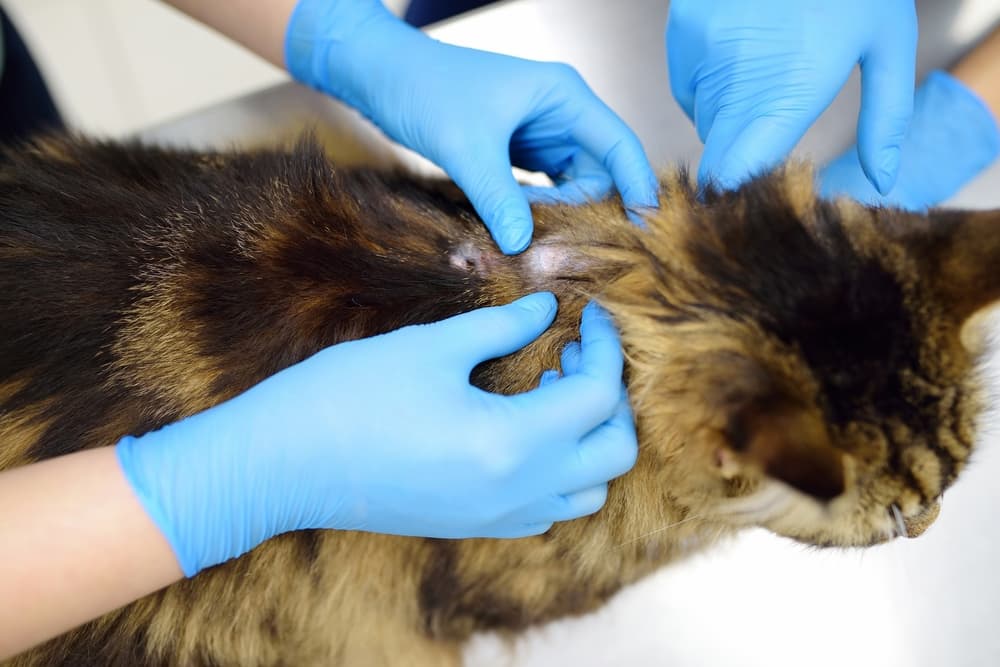
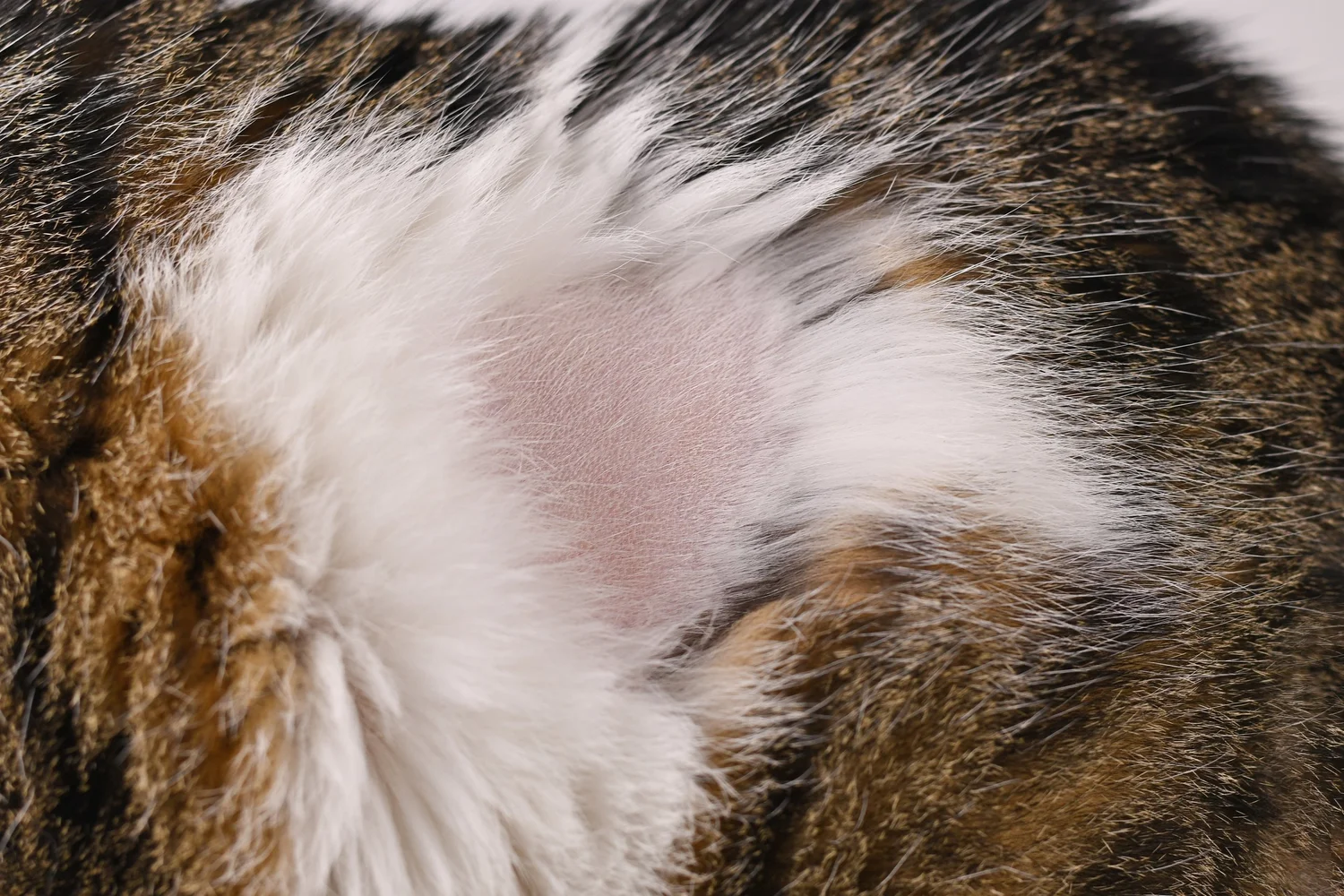
Watch for unusual bald patches or thinning fur on your cat’s body. If your cat is licking or biting the same spot repeatedly, it’s a clear red flag. You might also see redness, scabs, or irritated skin where the fur has been lost.
Another symptom is changes in behavior—your cat may become restless or agitated. Sometimes, over grooming is so intense that your cat develops sores or infections. Does your cat seem more anxious or withdrawn lately? These behavioral clues often accompany physical symptoms.
Areas Most Affected
Some areas on your cat’s body are more prone to over grooming than others. The belly, flanks, and inner thighs are common spots because they are easier for your cat to reach. The neck and base of the tail can also show signs of excessive licking.
Fur loss around the paws may indicate your cat is chewing or biting its legs. If you notice your cat grooming its paws obsessively, check for redness or swelling. Knowing where to look helps you catch over grooming early and seek the right help for your pet.
Credit: www.animalcareclinicjc.com
Medical Causes
Medical causes are often behind your cat’s over grooming and hair loss. Identifying these issues early can save your furry friend from discomfort and more serious health problems. Let’s look at some common medical reasons why your cat might be licking or biting its fur excessively.
Allergies And Skin Infections
Allergies can cause intense itching that drives your cat to groom excessively. These might be due to food ingredients, pollen, dust, or even chemicals in cleaning products. Skin infections, whether bacterial or fungal, also lead to irritation and hair loss.
If your cat suddenly starts grooming more than usual and you notice red, scaly patches or sores, allergies or infections could be the cause. Have you checked if your cat’s environment or diet has changed recently? Sometimes, even a new brand of litter can trigger allergic reactions.
Parasites And Fleas
Fleas are one of the most common reasons cats over groom. Their bites cause itching that’s hard to ignore. Even if you don’t see fleas, your cat may still have them or their eggs, causing discomfort.
Other parasites like mites can also lead to hair loss and skin irritation. If you notice your cat scratching frantically or finding bare spots, a vet visit for parasite control is a must. Have you tried checking your cat’s fur with a fine comb lately?
Hormonal Imbalances
Hormonal issues such as hyperthyroidism or adrenal gland problems can affect your cat’s skin and coat health. These imbalances might cause your cat to groom more than usual, leading to bald patches. Older cats are particularly prone to these conditions.
Sometimes, the signs are subtle: your cat may seem restless or lose weight while over grooming. Could your cat’s recent behavior changes be linked to an underlying hormone problem? A vet can run simple blood tests to find out.
Behavioral Triggers
Understanding why your cat might be over-grooming and losing hair can help you address the root cause of the problem. Behavioral triggers are often at the heart of this issue, affecting your feline friend’s well-being. Let’s dive into some common behavioral triggers that could be causing your cat’s excessive grooming habits.
Stress And Anxiety
Cats, much like humans, can experience stress and anxiety, which may manifest through over-grooming. Changes in their environment, such as moving to a new home or the introduction of a new pet, can be major stressors. Have you noticed any recent changes in your household that might be affecting your cat?
Providing a stable and comforting environment can significantly reduce stress levels. Consider creating safe spaces where your cat can retreat whenever they feel overwhelmed. Soft beds and quiet corners can become sanctuaries for your furry friend.
Boredom And Lack Of Stimulation
Boredom can also trigger over-grooming in cats, as they seek an outlet for their pent-up energy. Cats need mental and physical stimulation to stay healthy and happy. If your cat is left alone for extended periods, they might resort to grooming as a way to pass the time.
Interactive toys, puzzle feeders, and regular playtime can keep your cat engaged and prevent boredom. Rotate toys to maintain their interest and challenge their minds. Are you offering enough activities to keep your cat entertained throughout the day?
Understanding these behavioral triggers can help you take proactive steps to alleviate your cat’s grooming habits. By addressing stress and boredom, you can foster a healthier and happier environment for your feline companion.
Credit: www.pumpkin.care
Environmental Factors
Environmental factors often play a big role in why cats over groom and lose hair. Changes around them can cause stress or discomfort. This can lead to excessive licking or scratching. Cats are sensitive to their surroundings. Small shifts may cause big reactions in their behavior.
Changes In Home Environment
Moving furniture or new people in the house can unsettle cats. They may feel less safe or stressed. Loud noises or new smells may also bother them. This stress can cause over grooming as a way to cope. Keeping the environment calm helps reduce these reactions.
Exposure To Irritants
Cats can react to chemicals and scents in their home. Cleaning products, air fresheners, or scented candles might irritate their skin. Allergens like dust or pollen can cause itching too. These irritants make cats lick or scratch more than usual. Using gentle, pet-safe products limits these problems.
Diagnosing The Issue
Diagnosing why your cat is over grooming and losing hair requires careful observation and professional help. Cats may groom excessively due to stress, allergies, parasites, or skin infections. Pinpointing the exact cause needs a clear approach. Early diagnosis helps prevent further hair loss and discomfort.
Veterinary Examination
A vet will start with a full physical exam. They check your cat’s skin, coat, and overall health. The vet looks for redness, bumps, or wounds. They ask about your cat’s habits and environment. This helps identify possible triggers like stress or allergies.
Sometimes, behavior problems cause over grooming. The vet may discuss your cat’s daily routine and changes. This helps understand if anxiety or boredom plays a role.
Tests And Skin Scraping
To find parasites or infections, the vet may perform skin scraping. This involves gently scraping the skin to collect samples. The samples are examined under a microscope. This detects mites, fungi, or bacteria.
Other tests might include blood work or allergy testing. These help find internal causes like hormonal imbalances or food allergies. Diagnosing the cause guides the right treatment for your cat’s condition.
Treatment Options
Treatment options for a cat over grooming and losing hair depend on the cause. A vet can help find the right approach. Treatments aim to reduce itching, calm anxiety, or fix skin problems.
Combining different treatments often works best. Careful observation helps track your cat’s progress. Patience is key because some treatments take time to show results.
Medications And Topical Treatments
Medications can relieve itching and inflammation. Your vet may prescribe:
- Antihistamines to reduce allergies
- Anti-inflammatory drugs to calm skin irritation
- Antibiotics if infections are present
Topical treatments include medicated shampoos and creams. These soothe the skin and help heal wounds. Always follow the vet’s instructions for applying these products.
Behavioral Therapy
Behavioral therapy helps if stress or anxiety causes over grooming. Techniques include:
- Providing toys and playtime to reduce boredom
- Using pheromone diffusers to calm your cat
- Training to redirect grooming habits
Patience and consistency improve behavior over time. Reward positive actions and avoid punishment.
Environmental Adjustments
Changing your cat’s environment can reduce grooming triggers. Ideas include:
- Creating quiet, safe spaces for rest
- Maintaining a clean litter area
- Keeping a regular feeding and play schedule
Reducing stressors often lowers over grooming. Watch your cat’s reactions and adjust accordingly.
Preventing Over Grooming
Preventing over grooming in cats is essential to keep their skin healthy and fur intact. Over grooming often signals discomfort, stress, or health issues, so addressing the root causes is key to stopping this behavior. You can take practical steps to help your cat feel secure and comfortable, reducing the urge to over groom.
Regular Vet Checkups
Regular visits to the vet help catch underlying medical problems that might cause your cat to over groom. Skin infections, allergies, or parasites like fleas can make your cat itchy and lead to excessive licking. Don’t wait for obvious symptoms; scheduling routine checkups can prevent issues before they escalate.
Enrichment And Playtime
Is your cat bored or stressed? Lack of mental and physical stimulation often triggers over grooming as a coping mechanism. Engage your cat daily with interactive toys, puzzle feeders, or short play sessions to keep them busy and happy.
Try rotating toys to maintain interest and introduce new challenges. You’ll notice your cat spends less time licking and more time exploring and playing.
Proper Nutrition
Your cat’s diet can affect their skin and coat health directly. Nutritional deficiencies or food allergies might cause itching and discomfort. Feeding a balanced diet rich in omega-3 fatty acids and essential vitamins supports healthy skin and reduces irritation.
Have you considered switching to hypoallergenic or high-quality cat food if your cat keeps over grooming? Sometimes, a simple diet change makes a big difference in stopping hair loss and soothing sensitive skin.
When To Seek Help
Knowing when to seek help for your cat’s over grooming and hair loss can make a huge difference in their health and happiness. Sometimes, what seems like just a quirky habit might signal a deeper problem. Paying close attention to warning signs and understanding where to turn can save your cat from unnecessary discomfort and prevent more serious issues.
Warning Signs For Immediate Attention
Not all hair loss or grooming issues are urgent, but some symptoms should prompt you to act quickly. If your cat’s skin looks red, swollen, or has open sores, it’s time to get professional help. Excessive scratching or biting that causes bleeding is a clear sign that something is wrong.
Watch for sudden changes in behavior like increased irritability or hiding more than usual. These can indicate pain or stress linked to the over grooming. Also, if hair loss spreads rapidly or your cat seems lethargic, don’t wait to consult a vet.
- Open wounds or bleeding from grooming spots
- Rapid hair loss over large areas
- Visible skin infections or swelling
- Changes in appetite or energy levels
- Signs of severe itching or discomfort
Finding The Right Specialist
Once you recognize the need for help, finding the right expert is crucial. A general vet is a good starting point, but if the problem persists, a veterinary dermatologist can offer deeper insights. These specialists focus on skin and coat issues and can diagnose allergies, parasites, or underlying diseases.
Don’t hesitate to ask your vet for referrals or look for specialists with good reviews and experience in feline dermatology. Sometimes, a second opinion can reveal causes that were missed initially. Your cat’s comfort depends on expert care tailored to their unique condition.
Frequently Asked Questions
Why Is My Cat Over Grooming And Losing Hair?
Cats over groom due to stress, allergies, or parasites. Excessive licking causes hair loss and skin irritation. Identifying the cause helps treat the issue effectively.
Can Stress Cause My Cat To Over Groom?
Yes, stress can trigger over grooming in cats. Changes in environment or routine may increase anxiety. Managing stress reduces excessive licking and hair loss.
What Allergies Cause Cats To Lose Hair From Grooming?
Food, flea bites, and environmental allergens often cause cat allergies. These lead to itching, prompting over grooming and hair loss. Allergy testing can identify specific triggers.
How Do Fleas Contribute To Cat Over Grooming?
Fleas cause intense itching, making cats lick excessively. This leads to hair loss and skin sores. Regular flea control prevents over grooming issues.
Conclusion
Cats over grooming and losing hair need attention and care. Stress, allergies, or skin problems may cause this behavior. Watch your cat closely for changes in mood or habits. Visit a vet to find the exact cause and get treatment.
Early action helps your cat feel better and stay healthy. Remember, patience and love are key to your cat’s recovery. Keep your pet comfortable and safe to prevent more hair loss. Helping your cat now will improve its happiness and well-being.

Leave a Reply