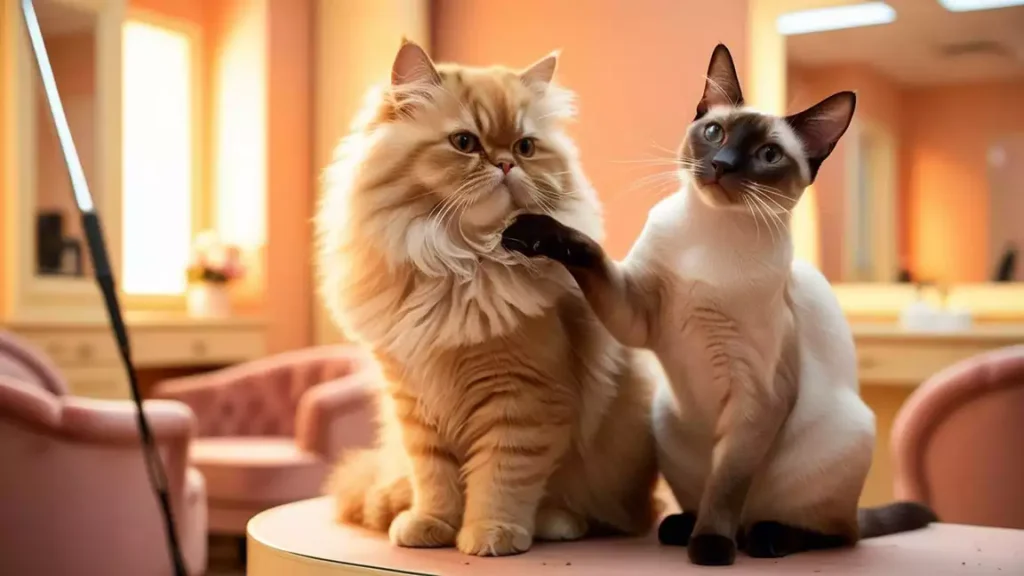
Have you noticed your cat grooming your other cat more aggressively than usual? It can be confusing and even a little worrying to see this behavior.
You might wonder if it’s a sign of love, stress, or something more serious. Understanding why your cat is grooming your other cat so intensely can help you keep both pets happy and healthy. You’ll discover the surprising reasons behind this behavior and what you can do to manage it.
Keep reading to find out what your cats are really trying to tell you.
Grooming As Social Bonding
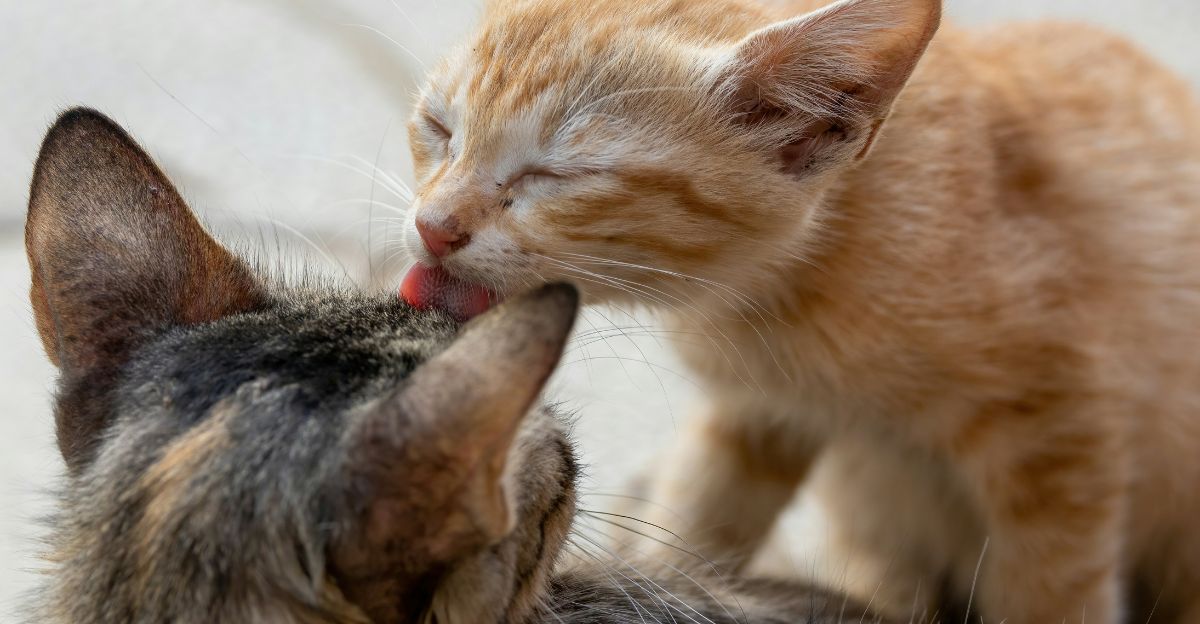
Grooming between cats is more than just a way to keep clean. It acts as a powerful social tool that helps cats connect and communicate. When one cat aggressively grooms another, it’s often a sign of a complex relationship, not just a hygiene routine.
Building Trust Between Cats
Grooming is a way cats show trust. When your cat aggressively grooms another, it might be trying to strengthen their bond. This intense grooming can feel overwhelming, but it means your cat sees the other as part of its close circle.
Think about how you feel when a friend shows affection by caring for you. Cats do the same with grooming. Over time, this behavior helps both cats feel safer and more comfortable around each other.
Establishing Hierarchy Through Grooming
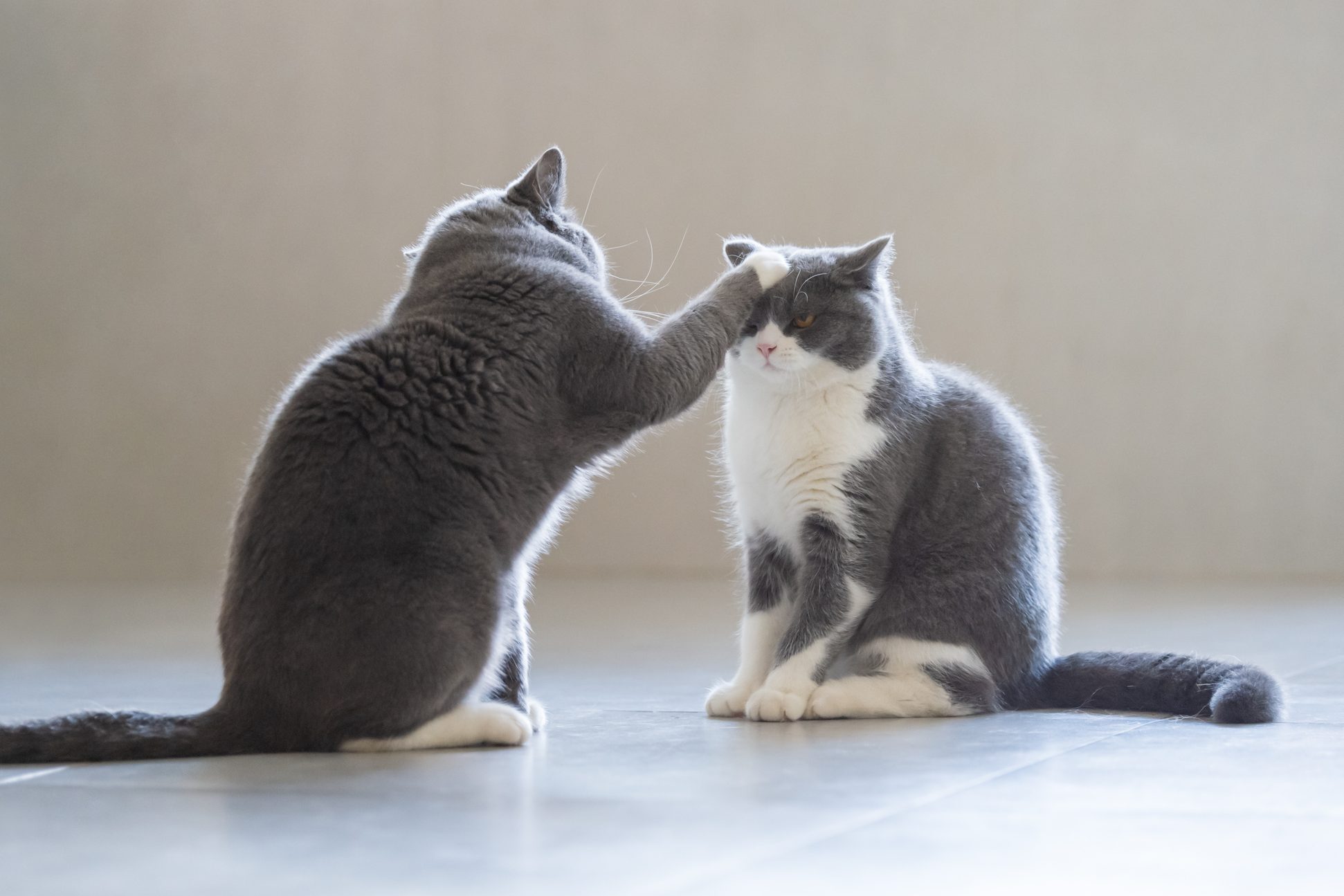
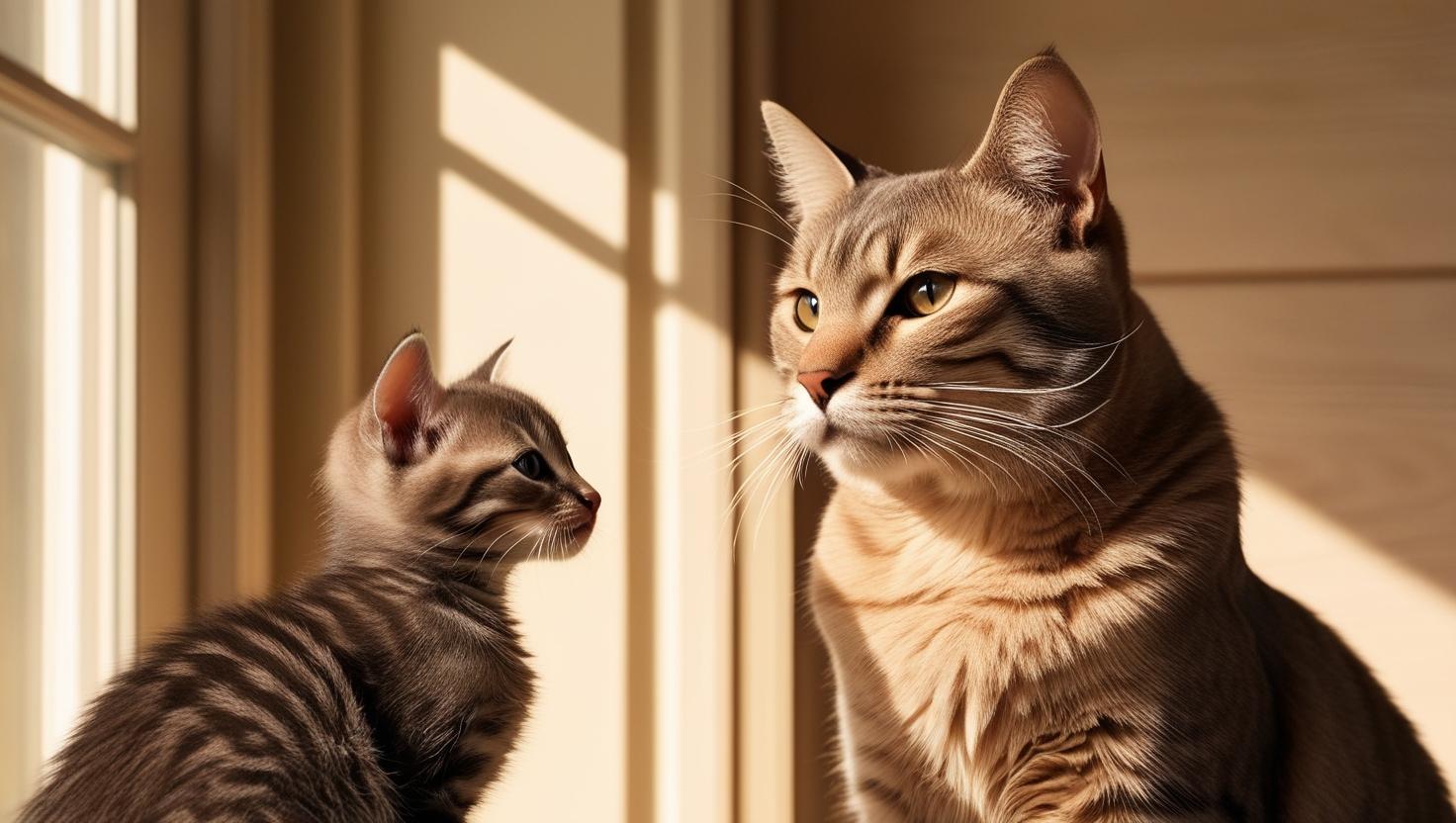
Grooming also plays a role in setting social order. Sometimes, the cat doing the grooming is asserting dominance. Aggressive grooming can be a way of showing who’s in charge without fighting.
Have you noticed if the cat being groomed seems relaxed or tries to escape? This reaction can help you understand the balance of power between them. Pay attention to these cues to better manage their relationship and reduce stress in your home.
Credit: pethelpful.com
Signs Of Stress And Anxiety
Recognizing the signs of stress and anxiety in your cats is key to understanding why one might aggressively groom the other. Stress can change typical behaviors quickly, turning a usually calm cat into a restless one. Watching for these signs can help you step in before the situation worsens.
How Stress Triggers Over-grooming
Stress often causes cats to over-groom as a way to self-soothe. This behavior might seem like care, but it can become aggressive and excessive. You might notice your cat licking or nibbling your other cat more often and with unusual intensity.
Changes in the environment, like new pets, visitors, or even rearranged furniture, can trigger this stress. Your cat uses grooming as a coping mechanism, but it can become harmful quickly. If your cat seems fixated on grooming the other, it’s a strong signal that stress is involved.
Impact On The Groomed Cat
The cat receiving aggressive grooming might show signs of discomfort or avoidance. You could see scratching, biting, or trying to escape the grooming session. This behavior indicates that the grooming is no longer a bonding activity but a source of tension.
Stress from being groomed too much can lead to skin irritation or hair loss. It’s important to watch for these physical signs as they suggest your cat needs help. Have you noticed your cat hiding more or acting irritable after grooming episodes? These are red flags you shouldn’t ignore.
Territorial Behavior And Control
Cats use grooming not just for cleaning but also to control their space. In homes with multiple cats, grooming can become a way to show who belongs where. This behavior helps cats keep their territory clear and avoid conflicts.
Marking Territory Through Grooming
Cats have scent glands in their skin and saliva. When one cat grooms another, it leaves its scent behind. This scent marks the other cat as part of its territory. Aggressive grooming may mean the cat wants to remind the other who owns the space.
Scent marking through grooming helps cats feel secure. It reduces the chance of fights by setting clear boundaries. This behavior is common when a new cat joins the home or when the cats are still adjusting to each other.
Dominance Display In Multi-cat Homes
Aggressive grooming can be a way to show dominance. The dominant cat grooms more often and may be rougher. This act sends a message about the social hierarchy in the group.
Dominance grooming helps the leading cat control the group. It keeps the other cats in line without fighting. The groomed cat may accept this to avoid conflict and keep peace in the home.
Understanding these behaviors can help you manage your cats’ interactions better. Watching how they groom each other reveals their relationships and tensions.
Medical Issues Behind Aggressive Grooming
Aggressive grooming between cats may signal health problems. Cats often groom each other to show care and friendship. Yet, sometimes one cat grooms another too hard or too much. This behavior might hide medical issues affecting either cat. Understanding these health problems helps keep cats safe and happy.
Skin Problems And Parasites
Skin irritation causes cats to groom excessively. Parasites like fleas or mites create constant itching. Cats try to soothe the discomfort by licking and biting. This can lead to aggressive grooming of other cats as well. The groomer may feel stressed or anxious due to the skin problem. Both cats could suffer from wounds or hair loss. A vet checkup can identify parasites or infections quickly. Treating skin issues reduces aggressive grooming behavior.
Pain-induced Grooming Behavior
Pain in one cat can trigger aggressive grooming from another. Cats sometimes lick painful areas on their friends to comfort them. This can become forceful if the pain lasts a long time. Conditions like arthritis or injury cause ongoing discomfort. The groomer’s behavior may seem harsh or obsessive. The cat receiving grooming might try to escape or hiss. Pain management and veterinary care can help calm this behavior. Recognizing pain signs avoids further stress for both cats.
Preventing And Managing Aggressive Grooming
Aggressive grooming often shows stress or dominance between cats. Watch their behavior closely to spot triggers early. Providing separate spaces helps reduce tension and keeps peace.
Preventing and managing aggressive grooming between cats can be a delicate task, but it’s essential for maintaining harmony in a multi-cat household. Understanding the root cause of this behavior is the first step towards addressing it effectively. Whether it’s a sign of affection or dominance, knowing how to prevent and manage it can make all the difference in your cats’ relationship.Creating A Calm Environment
A peaceful home can reduce stress and aggressive behaviors in cats. Try to provide multiple resting spots and ensure there are enough resources like food bowls, litter boxes, and toys. This distribution minimizes competition and territorial disputes, making your cats feel secure and less likely to engage in aggressive grooming. Consider playing calming music or using pheromone diffusers designed for cats. These can create a soothing atmosphere, helping your cats to relax. Have you ever noticed how a calm space affects your own mood? The same principles apply to your feline friends.When To Seek Veterinary Help
Sometimes, aggressive grooming can stem from underlying health issues. If you notice excessive grooming leading to bald patches or skin irritation, it’s time to consult your vet. Your vet can rule out medical conditions like allergies or skin infections that might be causing discomfort and prompting your cat to groom aggressively. You might wonder if it’s just a behavioral issue. However, a professional can provide clarity and recommend appropriate interventions. Don’t hesitate to seek help; it’s better to address potential health concerns early rather than wait until they escalate.
Credit: www.petscare.com
Credit: www.rd.com
Frequently Asked Questions
Why Is My Cat Aggressively Grooming Another Cat?
Aggressive grooming often signals dominance or stress between cats. It’s a way to assert control or release tension. Understanding body language helps identify if it’s playful or problematic. If it causes distress, consult a vet or behaviorist for advice.
Can Aggressive Grooming Harm My Other Cat?
Yes, aggressive grooming can cause skin irritation or injury. Cats may develop sores or hair loss from excessive licking or biting. Monitor both cats for signs of discomfort. Intervene if grooming becomes persistent or aggressive to prevent harm.
How Can I Stop My Cat From Aggressive Grooming?
Provide separate spaces and resources for each cat. Use calming aids like pheromone diffusers to reduce stress. Redirect your cat’s attention with toys or play. If behavior persists, seek advice from a veterinarian or animal behaviorist.
Does Aggressive Grooming Mean Cats Dislike Each Other?
Not necessarily. Aggressive grooming can show dominance or tension, not always dislike. Cats often have complex social relationships involving both affection and hierarchy. Observe their overall interaction to understand their bond better.
Conclusion
Aggressive grooming between cats can show many things. It might be stress, dominance, or just too much excitement. Watch their behavior closely to understand the cause. Giving them space and calm time helps reduce tension. Sometimes, a vet visit can find hidden health problems.
Remember, patience and care improve their bond over time. Your cats can live happily together with a little help. Stay calm and keep observing their actions daily.

Leave a Reply