Is your cat spending too much time licking and grooming? Excessive grooming can be more than just a quirky habit—it might be a sign that your furry friend is stressed, uncomfortable, or even in pain.
You want your cat to be happy and healthy, but how do you know when grooming crosses the line? You’ll discover simple, effective ways to help your cat stop excessive grooming and feel more at ease. Keep reading to learn how you can make a real difference in your cat’s comfort and well-being.
Causes Of Excessive Grooming
Excessive grooming in cats can signal various underlying problems. It’s more than just a quirky habit; it often points to something that needs your attention. Understanding the causes helps you address the root of the problem and improve your cat’s well-being.
Medical Issues
Sometimes, excessive grooming is a response to pain or discomfort caused by medical problems. Skin infections, parasites like fleas, or injuries can make your cat lick or scratch more than usual. Have you checked if your cat has any wounds or signs of irritation lately?
Arthritis or other chronic illnesses might also lead to increased grooming as a way to soothe discomfort. If your cat suddenly starts grooming excessively, a vet visit is crucial to rule out physical causes.
Stress And Anxiety
Cats can groom themselves excessively when they feel stressed or anxious. Changes in their environment, like moving to a new home or adding a new pet, can trigger this behavior. Think about any recent changes that might be unsettling your cat.
Grooming becomes a coping mechanism, similar to how people bite their nails when nervous. If your cat is grooming to calm down, you might notice it happens during or after stressful situations.
Allergies And Irritants
Allergies to food, pollen, or household chemicals can cause your cat’s skin to itch and lead to over-grooming. Watch for redness, swelling, or bald spots, which often accompany allergic reactions. Have you introduced any new cleaning products or foods recently?
Even something as simple as a new type of litter can irritate your cat’s skin. Identifying and eliminating the allergen is key to stopping the excessive grooming.
Behavioral Factors
Some cats develop compulsive grooming habits without any clear medical or environmental cause. This behavior can resemble human obsessive-compulsive tendencies. Have you noticed your cat grooming the same spot repeatedly or for long periods?
These habits can become self-reinforcing, meaning the more the cat grooms, the more it feels the need to continue. Behavioral interventions, such as engaging your cat with toys or puzzles, can help distract and reduce this grooming.
Identifying Symptoms
Spotting the signs that your cat is grooming too much is the first step to helping them feel better. Excessive grooming can signal stress, allergies, or health problems. You need to watch closely and act early to prevent serious skin damage or discomfort.
Signs Of Over-grooming
You might notice your cat licking or biting the same spot repeatedly. This behavior often leads to bald patches or raw, irritated skin. Pay attention if your cat spends hours grooming beyond their usual routine—it’s a red flag.
Does your cat seem restless or fixated on certain areas? That can be a clue they’re over-grooming due to discomfort or anxiety. Catching these signs early gives you a chance to intervene before it worsens.
Skin And Fur Condition
Look closely at your cat’s fur and skin. Excessive grooming often causes hair loss, redness, or scabs. Sometimes, the skin may appear shiny or inflamed in specific spots.
Run your fingers gently over your cat’s coat. Is it patchy or rough in places? These changes often tell you where the problem lies. Don’t ignore flaky skin or sores—they may need vet attention.
Behavioral Changes
Have you noticed your cat acting differently? Over-grooming often comes with changes like increased hiding, irritability, or restlessness. Your cat might seem more anxious or withdrawn than usual.
Think about any recent changes in your cat’s environment. New pets, loud noises, or disruptions can trigger stress-related grooming. Watching behavior alongside physical symptoms helps you understand the bigger picture.
Veterinary Care
Veterinary care plays a crucial role in managing your cat’s excessive grooming. It helps identify underlying health problems that you might not see at home. Ignoring this behavior could allow serious conditions to worsen, so knowing when and how to seek professional help is key.
When To Visit The Vet
If your cat is licking or chewing themselves so much that their fur looks patchy or their skin is red and sore, it’s time for a vet visit. Also, if you notice sudden changes in grooming habits or your cat seems restless and stressed, don’t wait to get a professional opinion. Persistent grooming that interferes with your cat’s daily life signals a need for expert care.
Diagnostic Tests
The vet may perform several tests to find the root cause of excessive grooming. Skin scrapings and allergy tests can reveal infections or allergic reactions. Blood work might check for hormonal imbalances or parasites that trigger this behavior.
Sometimes, behavioral assessments are necessary to see if stress or anxiety is the main driver. These tests help tailor a treatment plan that really fits your cat’s needs.
Treatment Options
Treatment depends on what the vet discovers. If infections or parasites are to blame, medications like antibiotics or anti-parasitic drugs will help. Allergies may require changes in diet or environment, along with antihistamines or steroids.
If stress is causing the grooming, the vet might suggest calming products or changes in your cat’s routine. In some cases, behavioral therapy or anti-anxiety medication can make a big difference. What small changes could you make at home today to support your cat’s treatment plan?

Credit: brooklynpetspa.com
Environmental Adjustments
Creating a calm and safe space helps reduce a cat’s stress, which can lower excessive grooming. Keeping the environment quiet and providing cozy resting spots supports your cat’s comfort and wellbeing.
Environmental adjustments can greatly help reduce a cat’s excessive grooming. Cats often groom excessively due to stress or anxiety. By changing their surroundings, you can create a more calming environment. This helps them feel secure and relaxed.Creating A Calm Space
Provide a quiet, cozy area for your cat. Use soft bedding and dim lighting. This offers a safe retreat from household noise. Choose a spot away from busy areas. Ensure it remains undisturbed. Cats appreciate privacy and calmness.Reducing Stress Triggers
Identify and minimize stress triggers in your home. Loud noises or sudden changes can upset cats. Keep a consistent routine. Feeding and playtimes should be regular. Limit exposure to unfamiliar pets or people. Stability helps reduce anxiety.Providing Enrichment Activities
Engage your cat with toys and games. Interactive toys keep them occupied. Use puzzle feeders for mental stimulation. Rotate toys to maintain interest. Climbing trees offer physical exercise. A busy cat grooms less excessively. These environmental changes can significantly improve your cat’s well-being. They feel more at ease, reducing stress-related grooming.Diet And Nutrition
Diet and nutrition play a crucial role in managing your cat’s excessive grooming. What your cat eats can directly impact their skin and coat health, influencing how often they lick or scratch. Adjusting their diet can reduce irritation and make a big difference in stopping this behavior.
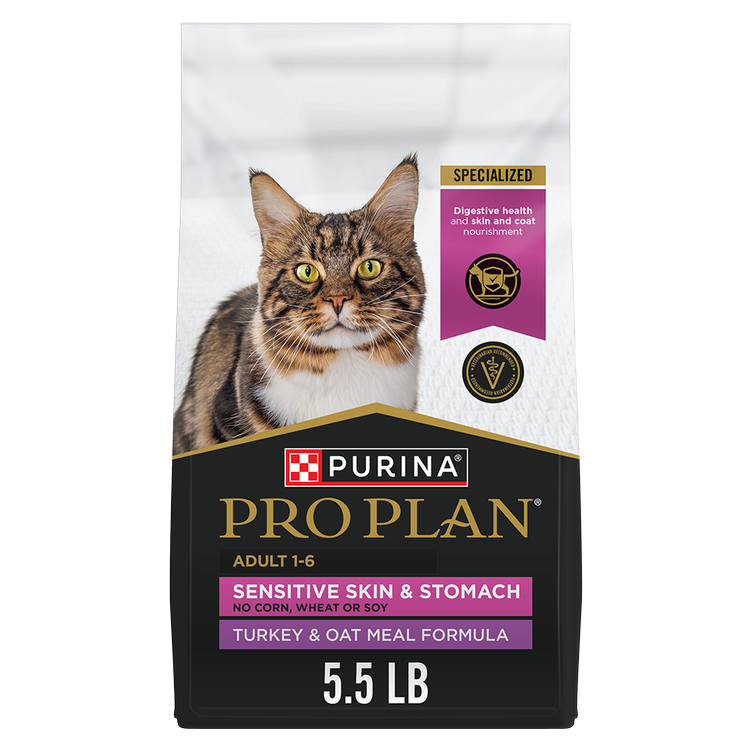
Allergy-friendly Foods
Food allergies often cause skin problems that lead cats to groom excessively. You might notice your cat scratching more after eating certain proteins or grains. Switching to hypoallergenic or limited ingredient diets can help pinpoint and eliminate these triggers.
Look for cat foods with:
- Novel proteins like duck, venison, or rabbit
- Grain-free options to reduce common allergens
- Natural ingredients without artificial additives or preservatives
Have you ever noticed your cat’s behavior change after a meal? This might be a clue to an allergy. Trying an elimination diet under your vet’s guidance can identify problem foods and soothe your cat’s skin.
Supplements For Skin Health
Supplements can boost your cat’s skin condition and reduce the urge to over-groom. Omega-3 fatty acids are powerful allies—they help reduce inflammation and improve coat shine.
Consider adding:
- Fish oil capsules or liquid supplements rich in EPA and DHA
- Vitamin E for skin repair and protection
- Zinc supplements to support skin healing
Before giving supplements, talk to your vet about the right dosage for your cat. Sometimes simple changes like these can calm irritated skin and break the cycle of excessive grooming.
Credit: pethelpful.com
Behavioral Interventions
Behavioral interventions help manage a cat’s excessive grooming by changing its focus and habits. These techniques reduce stress and boredom, which often cause over-grooming. Consistent effort and patience are key to success.
Redirecting Attention
Redirecting a cat’s attention stops it from obsessing over grooming. Offer new toys or play sessions to keep it busy. Use interactive toys that mimic prey movements to spark interest. Change toys regularly to avoid boredom. Engage your cat with gentle petting or brushing to replace grooming habits.
Training Techniques
Training helps cats learn better ways to cope with stress. Use positive reinforcement like treats or praise when your cat stops grooming. Teach simple commands such as “leave it” or “come” to interrupt grooming. Keep training sessions short and fun to maintain interest. Repeat regularly for lasting results.
Use Of Deterrents
Deterrents discourage cats from excessive grooming spots. Use safe sprays with scents cats dislike, such as citrus or bitter apple. Place these sprays on furniture or areas your cat licks often. Provide alternative cozy spots like soft beds or blankets. Monitor your cat’s reaction and adjust deterrents accordingly.
Grooming Alternatives
Providing grooming alternatives helps reduce a cat’s urge to groom excessively. Cats often groom to relieve stress or remove loose fur. Offering different ways to manage their coat keeps them calm and comfortable. These alternatives also strengthen the bond between you and your pet.
Regular Brushing
Brushing your cat daily removes loose fur and dirt. It reduces hairballs and skin irritation. Use a soft brush suited for your cat’s fur type. Brushing also stimulates blood flow and promotes healthy skin.
Make brushing a calm and gentle routine. Praise your cat during and after to create positive feelings. This activity can replace excessive self-grooming by satisfying their need to clean.
Professional Grooming Services
Professional groomers offer expert care for your cat’s coat. They handle difficult areas your cat cannot reach. Groomers trim fur, clean ears, and check for skin problems.
Scheduling regular grooming sessions keeps your cat’s coat healthy. It reduces mats and tangles that cause discomfort. Professionals can also advise on the best grooming tools and practices.
Credit: www.purina.com
Monitoring Progress
Monitoring your cat’s progress is key to stopping excessive grooming. It helps you see what works and what needs change. Careful watching of your cat’s behavior gives clear clues about their comfort and health. It also helps spot new problems early. Regular checks make your efforts more effective.
Tracking Behavior Changes
Note any shifts in your cat’s grooming habits daily. Watch for less licking or biting at the same spots. Track changes in mood or energy too. Write down what you see to compare over time. Use a simple chart or notebook for easy records. This helps identify patterns and triggers. Consistency in tracking is important for good results.
Adjusting Strategies
Use your notes to change your approach if needed. Try different calming toys or new playtimes. Adjust feeding schedules or switch to special diets if recommended. Consult your vet before major changes. Small tweaks can make a big difference. Stay patient and flexible. Your cat’s needs may shift as they improve.
Frequently Asked Questions
Why Is My Cat Grooming Excessively?
Excessive grooming in cats can signal stress, allergies, or skin infections. It may also indicate boredom or pain. Identifying the cause helps address the behavior effectively.
How Can I Reduce My Cat’s Grooming Habits?
Provide mental stimulation, regular playtime, and a stress-free environment. Use calming sprays or consult a vet for medical causes to reduce grooming.
When Should I See A Vet For Grooming Issues?
Visit a vet if grooming causes hair loss, sores, or skin irritation. Persistent over-grooming may indicate an underlying health problem needing professional care.
Can Diet Affect My Cat’s Grooming Behavior?
Yes, poor nutrition or food allergies can lead to skin problems, causing excessive grooming. Feeding a balanced, hypoallergenic diet can improve skin health and reduce grooming.
Conclusion
Excessive grooming can harm your cat’s skin and fur. Watch your cat’s behavior closely. Provide a calm and safe environment. Offer toys and playtime to reduce stress. Consult a vet if grooming stays a problem. Small changes can bring big comfort.
Your cat will thank you with better health. Keep patience and care—results take time. Helping your cat feel good is worth it.

Leave a Reply