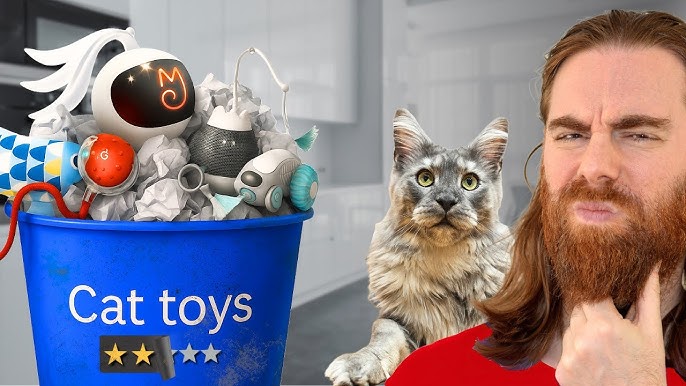
Have you ever noticed how your cat gets excited about a new toy one day, only to ignore it completely a few days later? It can be confusing and a bit frustrating.
You want your furry friend to stay happy and active, but why does your cat lose interest so quickly? Understanding why your cat gets bored with toys can help you keep playtime fun and engaging. You’ll discover the surprising reasons behind your cat’s changing toy preferences and learn simple tips to keep your feline friend entertained for longer.
Keep reading to unlock the secrets to a happier, more playful cat.
Reasons Cats Lose Interest
Cats can quickly lose interest in their toys, leaving you wondering why your once-enthusiastic feline suddenly ignores their favorite playthings. Understanding the reasons behind this behavior can help you keep your cat engaged and happy. Here’s a closer look at why your cat might be losing interest in toys and what you can do about it.
Lack Of Variety
Just like people, cats get bored when they see the same thing over and over. If your cat only has one or two toys, they might quickly lose excitement. Try rotating toys regularly or introducing new textures and shapes to keep their curiosity alive.
Predictable Play Patterns
Cats love to be surprised. If playtime follows the same routine every day, your cat might start to tune out. Changing how and when you play—using different movements or hiding toys—can make playtime more stimulating.
Age And Energy Levels
As cats get older, their energy levels naturally change. A kitten’s endless energy means they’ll chase almost anything, but older cats may prefer gentler play or shorter sessions. Pay attention to your cat’s age and adapt playtime to fit their current energy and abilities.
Overstimulation And Frustration
Too much excitement or difficult-to-catch toys can overwhelm your cat. If a toy moves too fast or is hard to grasp, your cat might give up out of frustration. Observe how your cat reacts and choose toys that match their skill level and play style to keep them engaged without stress.
Credit: www.reddit.com
Choosing The Right Toys
Choosing the right toys is key to keeping your cat happy and active. Cats get bored if toys do not match their play style or interest. The right toys spark curiosity and encourage natural hunting instincts. Variety in toys also helps maintain excitement over time.
Interactive Vs. Independent Toys
Interactive toys need your involvement, like feather wands or laser pointers. These create bonding moments and stimulate your cat’s mind. Independent toys, such as balls or stuffed mice, your cat can use alone. Both types are important. Rotate toys to keep playtime fresh and exciting.
Toys That Mimic Prey
Cats love toys that look or move like real prey. Small, fast-moving toys catch their attention. Toys that mimic birds, mice, or insects trigger hunting behavior. These toys satisfy natural instincts and reduce boredom. Look for toys with feathers, fur, or erratic movement.
Safe Materials And Sizes
Choose toys made from non-toxic, durable materials. Avoid small parts that your cat can swallow. Soft fabrics, rubber, and natural fibers work well. The size should fit your cat’s mouth and paws comfortably. Safe toys prevent injury and last longer during play.
Enhancing Playtime Engagement
Cats are curious and energetic creatures. They need engaging playtime to stay happy. Enhancing playtime engagement can prevent toy boredom. Explore different strategies to keep your feline friend entertained.
Rotating Toys Regularly
Always having the same toys can make playtime dull. Keep play fresh by rotating toys weekly. This keeps your cat curious and excited. Store some toys away and switch them out often. This simple change can reignite your cat’s interest.
Incorporating Scent And Sound
Scent and sound can add a new dimension to play. Use catnip or other safe scents on toys to attract your cat. Try toys that make noises or crinkle when touched. These elements stimulate your cat’s senses, making playtime more engaging.
Setting Up Play Zones
Designate specific areas for play to keep things interesting. Create small play zones with different toys and activities. Ensure these spaces are safe and free of hazards. This variety encourages exploration and keeps your cat mentally stimulated.

Credit: www.youtube.com
Involving Yourself In Play
Playing with your cat is more than just fun. It builds a bond and keeps your cat interested in toys. Cats often lose interest in toys left alone. Your involvement makes playtime exciting and fresh. Moving toys and reacting like prey can spark your cat’s natural hunting instincts. This interaction gives your cat both mental and physical exercise. Active play can prevent boredom and keep your cat happy.
Using Wand And Laser Toys
Wand toys let you control the movement. You can mimic the quick, erratic moves of small animals. Cats love to chase, pounce, and swipe at these toys. Laser pointers create a tiny, fast-moving light that excites cats. Your cat will run and leap to catch the elusive spot. These toys need your attention to keep the game lively. Moving the toy unpredictably keeps your cat engaged longer.
Timing And Duration Of Play Sessions
Short, frequent play sessions work best for cats. Aim for two to three sessions a day, about 10-15 minutes each. Cats have short attention spans and get tired quickly. End play on a high note when your cat is still excited. Avoid long playtimes that might make your cat bored or tired. Regular play helps your cat stay active and reduces destructive behavior.
Reading Your Cat’s Signals
Watch your cat’s body language during play. Tail flicks, ears forward, and focused eyes show interest. If your cat walks away or hides, they are done playing. Some cats like gentle play, others prefer fast movements. Adjust your style based on your cat’s mood and preferences. Respect your cat’s limits to keep playtime fun and stress-free.
Environmental Enrichment Ideas
Keeping your cat entertained goes beyond just giving them toys. Cats need a stimulating environment that challenges their senses and instincts. Adding variety to their surroundings can prevent boredom and keep their curiosity alive.
Climbing Structures And Hiding Spots
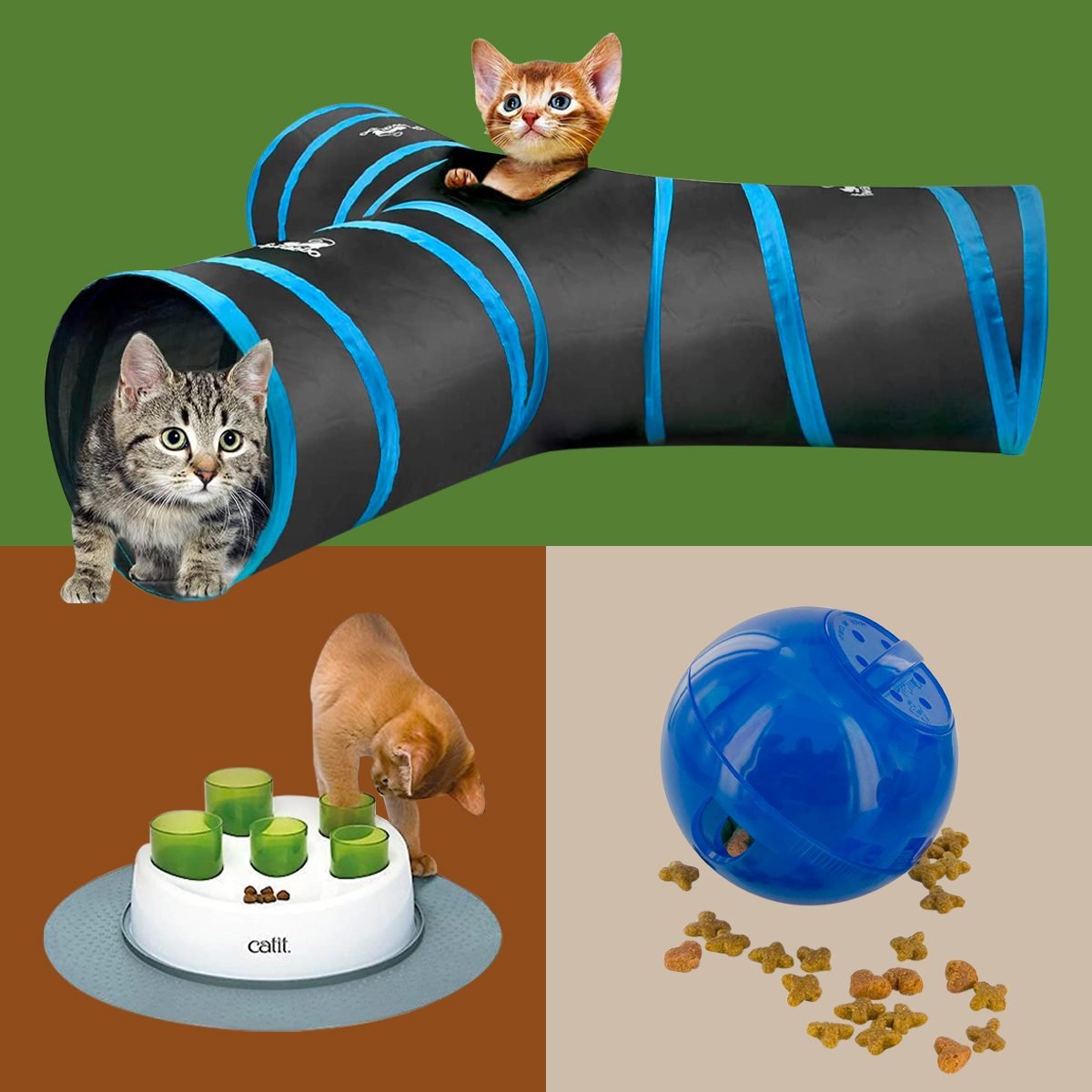
Cats love to climb and observe their world from above. Adding shelves, cat trees, or window perches gives them new heights to explore and claim as their territory. Hiding spots like tunnels or boxes provide a safe place for your cat to retreat and feel secure.
Have you noticed your cat ignoring toys but still enjoying a cardboard box? That’s a sign they crave diverse textures and spaces more than just playthings.
Puzzle Feeders And Treat Games
Feeding time can become a mental workout with puzzle feeders. These devices slow down eating and challenge your cat to figure out how to get their food. Treat games that require problem-solving keep their mind sharp and make rewards more satisfying.
Try rotating different puzzle feeders or hiding treats around the house. This keeps your cat guessing and prevents them from losing interest quickly.
Outdoor Exploration Safely
Safe outdoor time can add excitement to your cat’s day. Use a harness and leash for controlled exploration or build a secure catio where they can enjoy fresh air without risks. The new smells, sights, and sounds outside stimulate their senses and reduce boredom significantly.
Would your cat enjoy watching birds from a window, or would they thrive with a few supervised outdoor adventures? Experiment and see what sparks their interest most.
Credit: www.rd.com
Addressing Behavioral Concerns
Understanding why your cat loses interest in toys often means looking deeper into their behavior. Addressing behavioral concerns helps you keep your feline friend happy and mentally stimulated. It also prevents frustration for both you and your cat.
Recognizing Boredom Signs
Cats show boredom in subtle ways that you might miss at first. They may start ignoring toys they once loved or seem restless and distracted. You might notice your cat pacing or staring blankly out the window more than usual.
Watch for repeated yawning, excessive grooming, or sleeping more than normal. These signs can point to a lack of mental stimulation. Have you observed your cat losing interest quickly after playtime begins? This could mean they need something new or more challenging.
Avoiding Destructive Habits
Bored cats often create their own entertainment, which can lead to unwanted behavior. Scratching furniture, knocking over objects, or chewing on cords are common signs of frustration. These habits can damage your home and cause stress for you both.
Providing a variety of toys and rotating them regularly keeps your cat engaged. Puzzle feeders or interactive toys can channel their energy positively. Have you tried introducing new textures or noises in toys to spark curiosity?
When To Consult A Vet Or Behaviorist
If boredom turns into aggression or withdrawal, professional help might be necessary. Sudden changes in behavior can sometimes signal health issues or anxiety. Your vet can rule out medical problems that might affect your cat’s playfulness.
Behaviorists specialize in feline psychology and can offer tailored strategies. They can help you understand your cat’s unique needs and preferences. Don’t hesitate to ask for guidance if you feel stuck or overwhelmed by your cat’s behavior.
Frequently Asked Questions
Why Do Cats Lose Interest In Toys Quickly?
Cats lose interest when toys don’t stimulate their hunting instincts. Repetitive play or lack of novelty causes boredom. Rotating toys and introducing new ones keeps cats engaged and mentally stimulated.
How Often Should I Change My Cat’s Toys?
Changing toys every few days prevents boredom. Frequent rotation keeps toys exciting and mimics natural hunting variety. This helps maintain your cat’s curiosity and playfulness over time.
Can Boredom Affect My Cat’s Behavior?
Yes, boredom can cause destructive behavior and restlessness. Cats may become lethargic or develop anxiety. Providing varied toys and interactive play reduces boredom and promotes healthy activity.
What Types Of Toys Keep Cats Entertained Longest?
Toys that mimic prey, like feather wands or laser pointers, hold attention longer. Interactive and puzzle toys challenge their minds. Variety and unpredictability are key to sustained interest.
Conclusion
Cats get bored with toys because they need variety and challenge. Changing toys often keeps them interested and active. Interactive play helps satisfy their natural hunting instincts. Simple toys can become dull after repeated use. Offering new shapes, textures, and sounds can spark curiosity.
Spending time playing with your cat builds trust and fun. A bored cat may act restless or lazy. Keep their environment lively to support their mental and physical health. Small efforts make a big difference in your cat’s happiness. Keep exploring new ways to engage your furry friend.

Leave a Reply