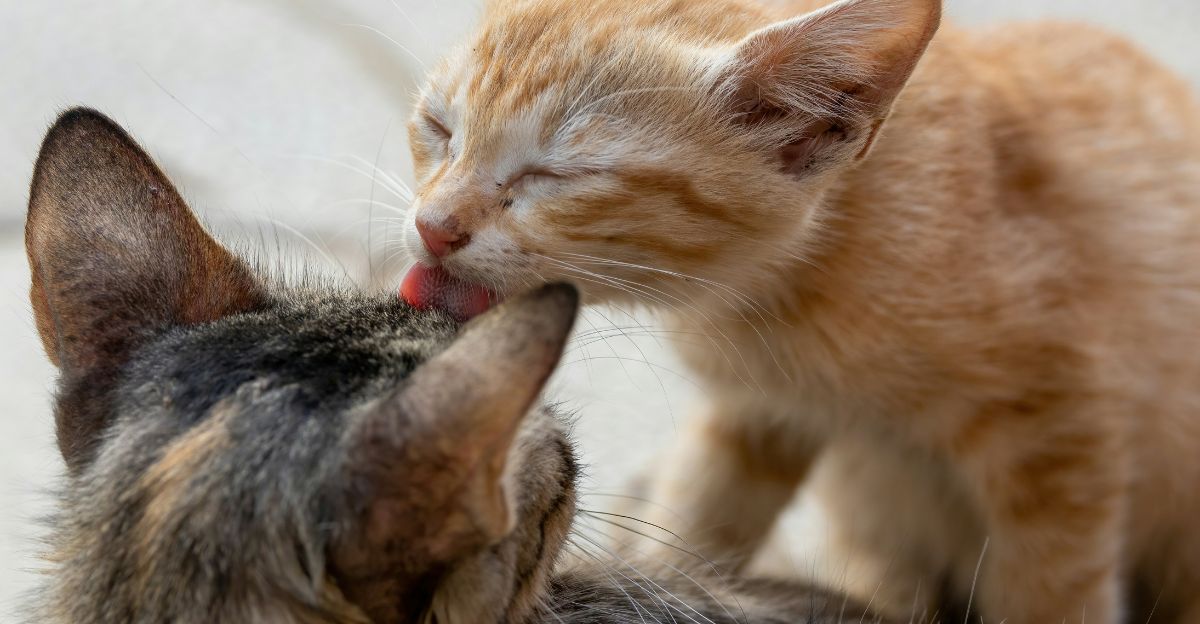
Have you ever watched two cats quietly cleaning each other and wondered why they do it? It’s more than just keeping clean.
When cats groom other cats, they are sharing a special bond that goes beyond what meets the eye. Understanding this behavior can help you see your furry friends in a whole new light. Keep reading, and you’ll discover surprising reasons behind this sweet, social act that could change how you connect with your cats.

Credit: catcuddlezone.com
Social Bonding
Cats grooming each other is much more than just a hygiene routine. It’s a powerful way they connect and build trust. Understanding the social bonding behind this behavior can give you a fresh perspective on your cat’s relationships and their emotional world.
Strengthening Relationships
When cats groom one another, they are actively strengthening their bond. This mutual grooming, often called allogrooming, shows acceptance and affection. If you watch closely, you’ll see cats choosing specific spots to groom, usually hard-to-reach places like behind the ears or around the neck.
This focused attention helps reduce stress and promotes a sense of safety. Have you noticed your cats grooming each other after a stressful event? It’s their way of saying, “I’m here for you.”
Group Harmony
Grooming plays a key role in keeping peace within a cat group. By grooming each other, cats create a shared scent that signals group membership. This scent mixing can help prevent conflicts and promote cooperation.
In multi-cat households, this behavior can reduce tension and encourage harmony. If you see one cat joining another’s grooming session, it’s often an invitation to be part of the social circle. How might you encourage this bonding in your own cats?

Credit: catgroomerla.com
Health Benefits
Grooming between cats is more than just a social activity; it plays a vital role in their health. When your cats groom each other, they’re helping maintain physical well-being in ways you might not immediately notice. Understanding these health benefits can deepen your appreciation for this natural behavior.
Parasite Control
Mutual grooming helps cats keep parasites like fleas and ticks in check. When one cat grooms another, it reaches areas that might be hard for the cat to clean alone, such as behind the ears or under the collar. This shared effort reduces the chance of infestations spreading within a group.
Have you ever seen your cats intently licking each other’s necks or near their tails? These spots are common hiding places for parasites. By grooming these areas, they physically remove pests and their eggs, preventing discomfort and potential health issues.
Skin And Fur Care
Grooming also stimulates the skin, promoting healthy blood flow and distributing natural oils. These oils keep the fur shiny and soft, acting as a natural barrier against dirt and moisture. When cats groom each other, they reach spots that might be difficult to clean alone, ensuring their coat stays in top condition.
Think about how your cats look after a grooming session—notice the smoothness and cleanliness of their fur? That’s a direct result of this cooperative behavior. It’s a simple, natural way your cats maintain their skin health and overall appearance without any extra effort from you.
Stress Reduction
Cats groom other cats to calm each other and reduce stress. This bonding behavior creates trust and helps them feel safe together. Grooming also lowers anxiety by sharing scents and warmth.
Cats are known for their meticulous grooming habits, not just for themselves but also for their feline companions. This behavior goes beyond cleanliness and serves as a significant stress-reducing mechanism. Grooming acts as a social glue, fostering bonds and alleviating tension among cats.Calming Effects
When cats groom each other, it can have soothing effects akin to a gentle massage. This mutual grooming releases endorphins, providing a sense of pleasure and relaxation. Have you ever noticed a cat purring while being groomed by another? That’s a sure sign they’re experiencing calm and contentment. In multicat households, grooming can help maintain a peaceful environment. Cats often choose to groom their closest companions, reinforcing trust and reducing potential conflicts. This behavior showcases the incredible ability of cats to support each other emotionally.Comfort In Anxiety
Cats can experience anxiety just like humans. Grooming each other can offer comfort during stressful situations. Imagine a thunderstorm raging outside, and your cats huddle together, grooming each other to ease their nerves. This behavior is not just about cleaning; it’s a way of saying, “I’m here for you.” By grooming each other, cats communicate reassurance and solidarity. It’s a powerful reminder of the deep bonds they share, providing comfort when it’s needed most. Next time you see your cats grooming each other, consider the stress-relieving benefits they’re sharing. It’s a simple yet profound way they maintain harmony and emotional well-being within their feline family.Hierarchy And Dominance
Cats grooming each other is more than just a cleaning ritual—it’s a subtle dance of social order. Through grooming, they communicate their place within the group, showing who leads and who follows. Understanding this behavior can help you see your cats’ interactions in a new light.
Establishing Rank
Dominant cats often take the lead in grooming sessions. They choose who to groom and when, signaling their higher status. This act isn’t just about cleanliness; it’s a clear message that the groomer holds power.
I once observed a pair of cats where the dominant one would gently groom the other’s head and neck. The other cat accepted it quietly, showing respect without resistance. Have you noticed similar patterns in your cats’ behavior?
- Dominant cats initiate grooming.
- They focus on areas hard for others to reach.
- This shows control and care simultaneously.
Submissive Behavior
The cat being groomed often displays submissive signals. They stay still, exposing vulnerable areas like the neck or belly. This openness tells the dominant cat, “I trust you” and “I accept your leadership.”
Submissive grooming isn’t just passive; it’s a strategic move to maintain peace. If your cat seems relaxed and passive during these moments, it’s their way of avoiding conflict. How do your cats react when one starts grooming the other?
Understanding these dynamics can improve how you manage multi-cat households. You can recognize signs of tension or harmony and respond accordingly.
Kitten Care
Kitten care is a crucial part of a cat’s early life. It shapes their health and behavior. Grooming plays a big role in this stage. Cats use grooming to stay clean and to bond with each other. Understanding why cats groom other cats helps us learn about kitten care.
Mother And Kitten Bond
The mother cat grooms her kittens to keep them clean. This grooming also helps to calm and comfort the kittens. It builds a strong bond between mother and kittens. The kitten learns to trust the mother through this gentle care. Grooming signals safety and love to the young cats.
Teaching Grooming Habits
Kittens watch and learn from their mother and siblings. They copy grooming actions to keep themselves clean. This teaches them how to take care of their fur and skin. Grooming also helps kittens learn social skills. It shows them how to get along with other cats.
Communication Through Grooming
Cats use grooming as a powerful way to communicate with each other. This behavior goes far beyond just keeping clean. When your cat licks another cat, it’s sending messages that help build and maintain relationships.
Scent Sharing
Grooming allows cats to mix their scents. Each cat has a unique smell that carries important information about identity and status.
When cats groom each other, they spread their scents, creating a shared group smell. This scent sharing helps cats feel connected and signals that they belong together. Have you noticed how cats in the same household often smell alike? That’s the result of this subtle communication.
Nonverbal Signals
Grooming also sends nonverbal signals about trust and comfort. When one cat grooms another, it shows acceptance and friendship.
This act can calm stressed cats and reduce tension within a group. If your cat grooms a new feline friend, it’s a clear sign they’re forming a bond. Do you pay attention to which cats groom each other in your home? It’s a secret language of connection.
When Grooming Becomes Excessive
Cats grooming each other is a common behavior that shows bonding and care. Sometimes, grooming can become too much. Excessive grooming can signal problems between cats or health issues. It is important to notice signs early. Understanding the reasons helps protect your cats’ wellbeing.
Signs Of Stress
Excessive grooming can mean stress or anxiety in cats. Watch for these signs:
- Repeated licking or biting of the same spot
- Loss of fur or bald patches
- Hiding or avoiding other cats
- Changes in eating or sleeping habits
- Aggression or irritability toward housemates
Stress causes cats to groom more to calm themselves. This behavior can worsen if not addressed.
Health Concerns
Too much grooming may also point to health problems. Common issues include:
- Skin allergies or irritations
- Parasites like fleas or mites
- Infections or wounds
- Pain in joints or muscles
- Underlying medical conditions
Consult a vet if grooming seems harmful or obsessive. Early treatment prevents further damage and discomfort.

Credit: basepaws.com
Frequently Asked Questions
Why Do Cats Groom Other Cats Frequently?
Cats groom others to strengthen social bonds and show affection. It helps reduce stress and maintains group harmony. Grooming also removes dirt and parasites, keeping each other clean and healthy.
Does Grooming Other Cats Show Trust?
Yes, grooming another cat signals trust and friendship. Cats usually groom those they feel safe with. This behavior builds and reinforces positive relationships within their group.
How Does Mutual Grooming Benefit Cats?
Mutual grooming reduces tension and promotes relaxation. It helps cats feel secure and connected. This behavior also improves coat condition and removes loose fur and dirt.
Is Grooming A Way Cats Communicate?
Absolutely, grooming is a form of social communication. It expresses care, submission, or dominance depending on the context. Cats use grooming to convey feelings and maintain social order.
Conclusion
Cats groom each other to build trust and show care. It helps them stay clean and healthy. Grooming also strengthens their bond and reduces stress. This simple act keeps their group peaceful and happy. Watching cats groom can reveal their close friendships.
Understanding this behavior helps us appreciate cats more. Next time you see cats grooming, remember it means love and friendship.


Leave a Reply