Have you ever wondered where your favorite cat breeds actually come from? Understanding the origins of these charming creatures can change the way you see your furry friend.
From mysterious forests to ancient civilizations, each cat breed has a unique story waiting to be uncovered. By knowing these stories, you’ll feel a deeper connection to your pet and appreciate their special traits even more. Keep reading, and you’ll discover fascinating facts that might surprise you about where cat breeds come from.
Ancient Beginnings
The story of cat breeds begins thousands of years ago. Cats have roamed the Earth long before humans chose to live with them. Their ancient origins reveal how wild creatures became beloved pets. Understanding this history helps us appreciate the variety of cat breeds today.
Wild Ancestors
All domestic cats share ancestors with wild cats. The African wildcat is the closest relative. These cats lived in deserts and grasslands. They hunted small animals and avoided larger predators. Their traits passed down to modern cats.
Wildcats were solitary and cautious. They used sharp senses to survive. Over time, some wildcats moved closer to human settlements. This started a special relationship between cats and people.
Domestication Timeline
Cat domestication began about 9,000 years ago. Early farmers stored grains that attracted rodents. Wildcats found easy food near these farms. Humans welcomed their help in controlling pests.
Evidence shows cats living with humans in ancient Egypt. Egyptians admired cats for their hunting skills and grace. Cats became symbols of protection and luck.
From Egypt, cats spread across Europe and Asia. Different regions bred cats for specific traits. This created a wide variety of cat breeds we know today.

Credit: www.trupanion.com
Egyptian Influence
The Egyptian influence on cat breeds is a fascinating chapter in the story of how cats became our beloved companions. Ancient Egypt didn’t just revere cats; it shaped their appearance and roles in human society. Understanding this influence helps you appreciate the unique traits seen in some modern breeds.
Cats In Ancient Egypt
In Ancient Egypt, cats were more than pets—they were symbols of protection and grace. Egyptians believed cats had spiritual powers that guarded homes from evil spirits and pests.
Statues and paintings show cats with sleek bodies, almond-shaped eyes, and large ears. These features were admired and often idealized, influencing how cats were bred over centuries.
Have you noticed how cats seem to carry themselves with a natural elegance? That sense of poise traces back to these Egyptian ideals.
Breeds Inspired By Egyptian Cats
Several modern cat breeds reflect the Egyptian cat’s distinctive look. The Abyssinian, often linked to Egypt, has a slender build and a ticked coat reminiscent of wild cats seen in Egyptian art.
The Egyptian Mau is another breed directly connected to Egypt. It stands out with its spotted coat and expressive green eyes, traits celebrated in ancient times.
When you see these breeds, you’re looking at living history—cats that carry the legacy of Egyptian admiration for feline beauty and mystery.
Asian Origins
Many beloved cat breeds have their roots in Asia. The unique traits of these felines tell a story of ancient civilizations. From distinct physical features to charming personalities, Asian cats have a rich history. Let’s explore two prominent breeds with origins in Asia.
Japanese Bobtail Roots
The Japanese Bobtail is a cherished breed in Japan. Known for its short, “bobbed” tail, this cat has a unique appearance. Its history traces back over 1,000 years. The breed appears in ancient Japanese art and folklore. It symbolizes good luck and prosperity. The Japanese Bobtail is friendly and social. It often enjoys the company of people and other pets. This breed is active and loves to play. Its playful nature makes it a popular choice for families.
Siamese Heritage
The Siamese cat is one of the oldest and most recognizable breeds. Originating from Thailand, formerly known as Siam, it has a striking appearance. Its sleek body and blue almond-shaped eyes are unmistakable. The Siamese cat has a chatty nature. It is known for its vocal and social behavior. This breed often seeks interaction with its human companions. Siamese cats are intelligent and curious. They enjoy exploring their environment and learning new things. This makes them an engaging and interactive pet.
European Breeds
European cat breeds have a rich history shaped by their environment and human culture. These cats adapted to various climates and lifestyles across the continent. Their traits reflect centuries of natural selection and selective breeding. Understanding their origins helps appreciate their unique looks and behaviors.
British Shorthair Legacy
The British Shorthair is one of the oldest cat breeds in Europe. It originated from native cats in Britain, known for their stocky build and dense coat. This breed was popular among the working class for its hunting skills. Over time, breeders refined its round face and plush fur. The British Shorthair remains a symbol of classic British charm.
Norwegian Forest Cat Origins
The Norwegian Forest Cat comes from the cold forests of Norway. It evolved to survive harsh winters with a thick, water-resistant coat. This breed has strong muscles and large paws for climbing and hunting. It appears in Norse legends, showing its deep cultural roots. The Norwegian Forest Cat is a hardy and majestic breed from Northern Europe.
American Innovations
American innovations have played a significant role in shaping the world of cat breeds. The United States is not just a melting pot of cultures but also a birthplace for unique feline breeds that have captured the hearts of cat lovers everywhere. These breeds reflect the diversity and creativity found across the country, offering you a variety of cats with distinct traits and fascinating histories.
Maine Coon History
The Maine Coon stands as one of America’s most iconic cat breeds. Originating in the northeastern state of Maine, this breed is known for its large size, tufted ears, and thick, water-resistant fur.
Legend suggests the Maine Coon descended from cats brought by seafarers, but genetic studies point to a natural breed developed through adaptation to harsh New England winters. Their friendly and intelligent nature makes them excellent companions.
If you’ve ever met a Maine Coon, you know how they combine rugged outdoorsiness with a gentle personality. Their history reminds us that sometimes nature and a bit of mystery come together to create something truly special.
Unique U.s. Breeds
Beyond the Maine Coon, the U.S. has contributed several unique breeds that stand out worldwide. Take the American Shorthair, known for its adaptability and hunting skills, or the Sphynx, famous for its hairless appearance and affectionate nature.
These breeds show how selective breeding and natural traits combined to meet specific needs or preferences. Whether it’s the playful American Curl with its curled-back ears or the muscular American Bobtail, each breed has a story tied to American culture and lifestyle.
Have you considered what traits you value most in a cat? Understanding these breeds can help you find a feline friend that fits perfectly with your home and personality.
Genetic Influence
The diversity of cat breeds we see today is deeply rooted in genetics. Understanding how genes influence traits helps explain why certain breeds have unique appearances and behaviors. Your curiosity about where these traits come from will guide you through the fascinating role genetics play in shaping cats.
Natural Vs. Selective Breeding
Natural breeding happens without human intervention, allowing cats to adapt to their environments over generations. This process leads to breeds like the Maine Coon, which developed thick fur to survive cold climates.
Selective breeding, however, involves humans choosing specific traits to enhance or suppress. Breeders might focus on coat color, eye shape, or temperament to create a distinct breed, such as the sleek Siamese or the fluffy Persian.
Have you noticed how some breeds look dramatically different even though they share common ancestors? This contrast highlights how selective breeding can accelerate changes that natural breeding would take much longer to achieve.
Role Of Mutation
Mutations are random changes in a cat’s DNA that can introduce new traits. These mutations can be as simple as a different fur pattern or as complex as a completely new body structure.
For example, the Scottish Fold’s unique ear shape comes from a spontaneous mutation. Breeders noticed this trait and selectively bred cats to maintain it, eventually establishing a new breed.
Mutations raise an interesting question: How much of what we see in cat breeds is nature’s surprise, and how much is human design? Understanding this balance can deepen your appreciation of each cat’s unique genetic story.
Cultural Impact
The cultural impact of cat breeds goes far beyond their physical traits. Cats have shaped human stories, beliefs, and traditions around the world. Understanding this connection reveals how deeply these animals have influenced our cultures and everyday lives.
Cats In Folklore
Cats appear in folklore from many countries, often as symbols of mystery and magic. In ancient Egypt, cats were sacred and linked to the goddess Bastet, protector of home and family. This reverence influenced how Egyptians bred and cared for their cats.
In Norse mythology, cats were associated with the goddess Freyja, symbolizing fertility and love. This connection made cats important in Scandinavian households, where they were believed to bring good fortune.
Have you ever wondered why black cats are sometimes seen as unlucky while in other cultures they bring luck? These stories shape our feelings about certain breeds and colors, influencing how people treat cats even today.
Breeds And Regional Traditions
Different cat breeds often reflect the culture and geography they come from. The Siamese cat, with its striking appearance, is deeply linked to Thai history and royal tradition. People in Thailand still celebrate this breed as a national treasure.
In Japan, the Maneki-neko or “beckoning cat” figurine is a cultural icon believed to bring prosperity. Its design is inspired by native Japanese cats, showing how local breeds can inspire lasting symbols.
Consider how the Russian Blue cat represents elegance and calm, traits valued in Russian culture. Each breed carries stories about the people who cherished and shaped them.
- How might your favorite cat breed reflect the culture you come from or admire?
- Can understanding a breed’s cultural roots change how you care for or appreciate your cat?
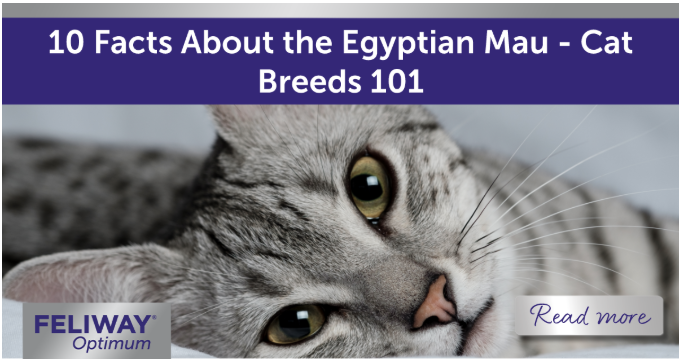
Credit: us.feliway.com

Credit: www.aol.com
Frequently Asked Questions
Where Did Most Cat Breeds Originate?
Most cat breeds originated from regions like Egypt, Asia, and Europe. Each area contributed unique traits through natural and selective breeding.
How Did Domestic Cats Evolve From Wild Cats?
Domestic cats evolved from wild cats through thousands of years of domestication. Humans selectively bred cats for friendliness and specific traits.
What Influences A Cat Breed’s Characteristics?
A cat breed’s characteristics come from genetics, environment, and selective breeding. These factors shape their size, coat, behavior, and health.
Why Are Some Cat Breeds Rare?
Some cat breeds are rare due to limited breeding populations and geographic isolation. Breeders may also prioritize popular breeds over rare ones.
Conclusion
Cat breeds come from many places around the world. Each breed has a special history and traits. People have cared for cats for thousands of years. They chose cats with certain looks and behaviors. This created the many cat breeds we see today.
Knowing where breeds come from helps us appreciate them more. Cats are more than pets; they are part of our story. Keep learning about them, and enjoy their unique charm every day.


Leave a Reply