Have you noticed your cat spending more time licking and grooming than usual? It might seem harmless at first, but when your furry friend suddenly becomes a grooming machine, it’s a sign worth paying attention to.
Understanding why your cat is grooming more can help you spot hidden health issues or stress before they get worse. Keep reading to discover the surprising reasons behind this behavior and how you can help your cat feel comfortable and happy again.
Normal Grooming Habits
Cats are known for their clean and shiny coats. Grooming is a normal part of a cat’s daily routine. It helps them stay healthy and comfortable. Understanding normal grooming habits can help you notice changes early. Changes might mean your cat needs extra care or a vet visit.
Typical Grooming Frequency
Most cats groom themselves several times a day. Short-haired cats may spend less time grooming than long-haired ones. Kittens often groom less because they are still learning. Older cats might groom less if they have health problems. Healthy adult cats usually spend 15 to 50 percent of their day grooming.
Benefits Of Grooming
- Removes dirt and loose fur
- Prevents matting and tangles
- Keeps skin clean and healthy
- Helps regulate body temperature
- Reduces stress and relaxes the cat
- Strengthens the bond when cats groom each other
Stress And Anxiety
Cats often groom more when feeling stressed or anxious. Excessive licking helps them calm down and feel safer. Changes in environment or routine can trigger this behavior.
Cats are meticulous groomers, spending a significant portion of their day cleaning themselves. However, if you notice your furry friend is grooming more than usual, it might be a sign of stress or anxiety. This behavior can often be a coping mechanism for them, helping to soothe their nerves. Understanding the signs and triggers of stress in cats can help you address the root of the problem.Signs Of Stress In Cats
Stress in cats can manifest in various ways beyond excessive grooming. You might observe changes in their eating habits, such as a reduced appetite or overeating. Some cats may become more withdrawn, hiding in unusual places or avoiding interactions. Increased vocalization is another common sign. If your cat is meowing more frequently or loudly, it could be trying to communicate its discomfort. Watch for any changes in litter box habits, as stress can lead to inappropriate urination or defecation.Common Stress Triggers
Cats are creatures of habit, and even minor changes in their environment can cause stress. A new pet or family member can disrupt their sense of security. Have you recently moved furniture or changed their routine? Loud noises, such as thunderstorms or fireworks, can also be distressing. Consider if there have been any recent changes that could be unsettling your cat. Sometimes, even boredom from lack of stimulation can lead to stress-related grooming. Addressing these triggers can help reduce your cat’s anxiety. Providing a stable, enriching environment with plenty of playtime can make a significant difference.Skin Problems
Cats often groom themselves to stay clean and comfortable. Excessive grooming can signal skin problems. These issues cause itchiness and discomfort. Cats try to soothe these feelings by licking or scratching more than usual. Understanding skin problems helps you spot trouble early and keep your cat healthy.
Allergies And Irritations
Allergies are common causes of skin problems in cats. They can react to food, pollen, dust, or cleaning products. Allergic cats show signs like redness, swelling, and constant itching. Their skin may become dry or flaky from over-grooming. Irritations can also come from contact with chemicals or rough surfaces. These irritants make cats lick or scratch more to find relief.
Parasites And Infections
Parasites such as fleas and mites cause intense itching. Flea bites often lead to allergic reactions in cats. Mites can cause scabs, hair loss, and inflammation. Bacterial or fungal infections may follow from scratching wounds. These infections make the skin sore and painful. Cats respond by grooming excessively to ease the discomfort.
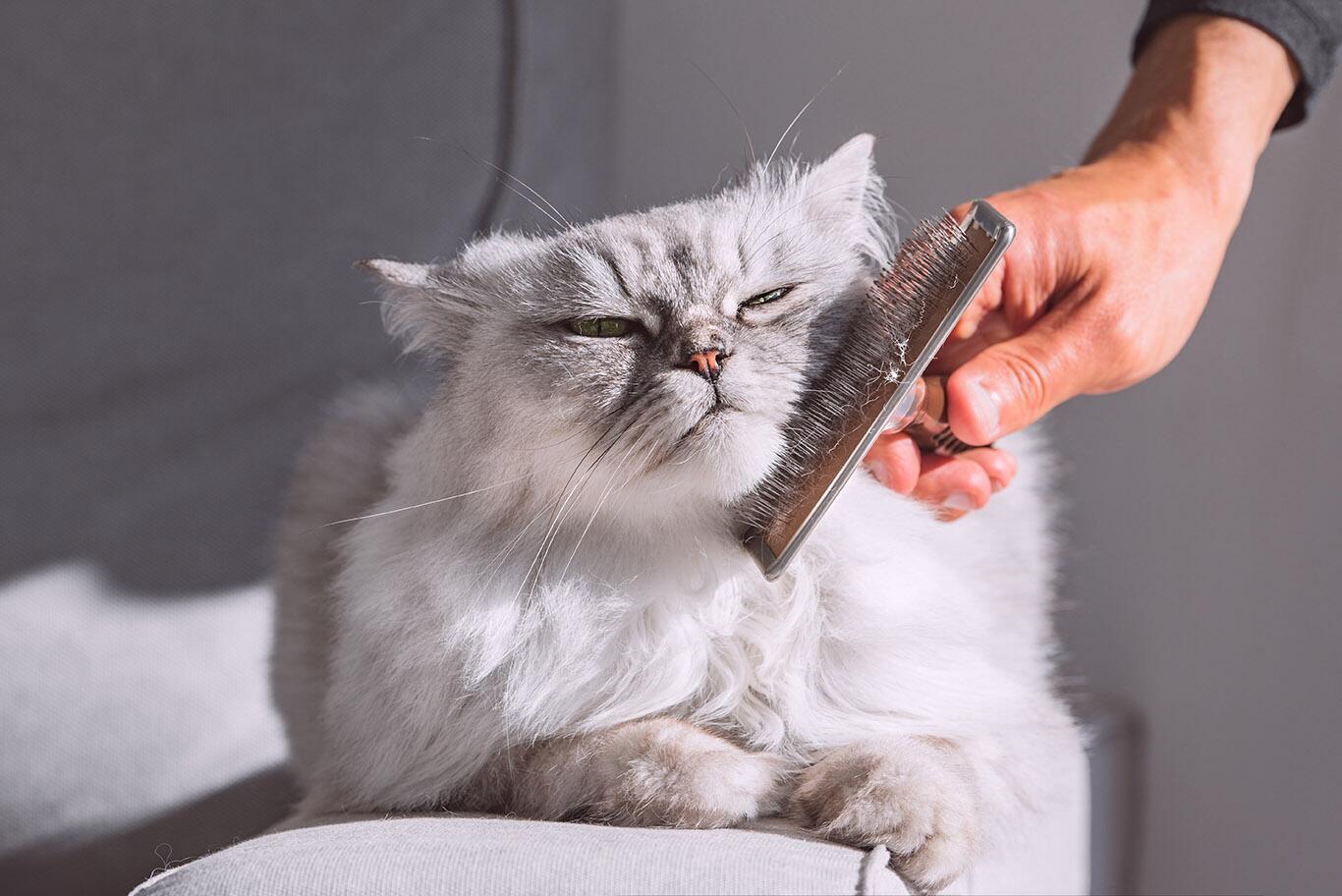
Credit: www.latimes.com
Pain Or Discomfort
Cats usually groom to stay clean and comfortable. Sometimes, they groom more if they feel pain or discomfort. Grooming helps them soothe sore or hurt areas. This behavior can signal health problems needing attention.
Injuries And Wounds
Injuries cause pain that makes cats lick or chew the area more. Cuts, scrapes, or insect bites can trigger extra grooming. Cats may focus on one spot, trying to clean or ease the pain. Watch for redness, swelling, or bleeding. These signs suggest an injury that needs care.
Arthritis And Joint Pain
Older cats or those with arthritis may groom more to ease joint pain. Stiffness or soreness makes movement hard. Grooming helps cats feel some relief by massaging sore spots. You might see licking around shoulders, hips, or legs. This behavior can show joint discomfort needing veterinary advice.
Hormonal Changes
Hormonal changes can significantly impact your cat’s grooming habits. These shifts in hormone levels often trigger behaviors that seem unusual or excessive. Understanding these changes helps you recognize if your cat needs medical attention or just a little extra care from you.
Effects Of Neutering
Neutering alters your cat’s hormone balance, sometimes increasing grooming. This behavior can be your cat’s way of coping with stress or discomfort after the procedure.
You might notice your cat licking more frequently around the surgical site. While this is normal, excessive grooming can lead to skin irritation or hair loss. Keep an eye on this and consult your vet if it worsens.
Thyroid Issues
Thyroid problems, especially hyperthyroidism, can cause your cat to groom more than usual. The condition speeds up metabolism, making your cat restless and prone to over-grooming.
Look for other signs like weight loss despite a healthy appetite or increased activity. If your cat’s grooming seems obsessive, a simple blood test can help diagnose thyroid issues early.
)
Credit: www.northroadvet.com.au
Behavioral Causes
Sometimes, your cat’s extra grooming isn’t about cleanliness but behavior. Cats might groom more than usual because of how they feel or what’s happening around them. Understanding these behavioral causes can help you spot problems early and provide the right support for your furry friend.
Compulsive Grooming
Compulsive grooming happens when your cat licks or chews their fur excessively, often causing bald patches or sores. This behavior can stem from stress, anxiety, or frustration. Have you noticed your cat grooming the same spot repeatedly, almost as if they can’t stop?
One cat I know started compulsive grooming after a big move disrupted her routine. It took a mix of extra playtime and calming pheromone sprays to help her relax. If you see your cat fixating on grooming, try to identify any recent changes or stressors in their environment.
Boredom And Lack Of Stimulation
Cats need mental and physical activity to stay balanced. When they don’t get enough, they may groom themselves more to pass time or soothe boredom. Could your cat be grooming more because they’re simply under-stimulated?
Try adding interactive toys, puzzle feeders, or new climbing spots to your cat’s space. Even short daily play sessions can make a big difference in their behavior. Keeping your cat engaged reduces stress and can stop the cycle of over-grooming caused by boredom.
When To See A Vet
Excessive grooming in cats may signal health issues. Knowing when to see a vet can protect your cat’s well-being. Early action often prevents serious problems. Watch your cat’s behavior closely. Unusual grooming habits paired with other symptoms need attention. Here is how to recognize warning signs and what diagnostic tests a vet might perform.
Warning Signs
- Skin redness, swelling, or sores
- Hair loss or bald patches
- Frequent scratching or biting
- Changes in appetite or water intake
- Lethargy or hiding more than usual
- Sudden aggression or irritability
- Grooming only one area repeatedly
Diagnostic Tests
The vet may start with a physical exam. They check the skin, coat, and overall health. Skin scrapings help find mites or infections. Blood tests can reveal allergies or hormonal problems. Allergy testing may be necessary for sensitive cats. Sometimes, a biopsy is needed to rule out serious diseases. Urine tests check for kidney or bladder issues. The vet uses these tests to find the grooming cause. Treatment depends on the diagnosis and test results.
Credit: www.preventivevet.com
Managing Excessive Grooming
Managing excessive grooming in cats requires careful attention and patience. It can signal stress, allergies, or health issues. Addressing the root cause helps your cat feel calm and comfortable. Simple changes at home and medical care often improve the situation quickly.
Environmental Enrichment
Providing a stimulating environment reduces boredom and stress. Cats need toys, scratching posts, and safe spaces to explore. Regular playtime with interactive toys keeps them active. Try these ideas:
- Rotate toys to keep interest high
- Create hiding spots with boxes or blankets
- Offer puzzle feeders for mental challenges
- Set up a window perch for outdoor views
Routine helps. Feeding, play, and rest times should be consistent daily. A calm environment lowers anxiety and decreases over-grooming.
Medical Treatments
Visit a vet to rule out allergies or skin infections. Parasites like fleas cause itching and licking. The vet may prescribe:
- Medicated shampoos or topical creams
- Antihistamines for allergic reactions
- Flea treatments and prevention
- Anti-anxiety medications if stress is severe
Follow the vet’s instructions closely. Early treatment prevents worsening symptoms. Regular check-ups keep your cat healthy and happy.
Frequently Asked Questions
Why Is My Cat Grooming Excessively Lately?
Excessive grooming in cats can indicate stress, allergies, or skin irritation. It may also signal fleas or other parasites. Observing your cat’s behavior and consulting a vet can help identify the cause and prevent potential health issues.
Can Stress Cause My Cat To Groom More Often?
Yes, stress can lead to increased grooming. Cats use grooming as a coping mechanism to calm themselves. Changes in environment, new pets, or routine disruptions often trigger this behavior.
How Do Allergies Affect My Cat’s Grooming Habits?
Allergies cause itching and discomfort, prompting cats to groom excessively. Common allergens include food, pollen, or dust mites. Identifying and removing allergens can reduce grooming and improve your cat’s comfort.
Could My Cat’s Grooming Indicate A Health Problem?
Yes, grooming changes can reflect health issues like infections, pain, or parasites. Excessive licking or bald spots may indicate underlying problems. A veterinary checkup is essential for proper diagnosis and treatment.
Conclusion
Cats groom more than usual for many reasons. It can be stress, skin problems, or allergies. Sometimes, they just want extra comfort. Watch your cat’s behavior closely. If grooming seems painful or causes hair loss, see a vet quickly. Regular check-ups help keep your cat healthy.
Understanding your cat’s grooming helps you care better. Stay patient and gentle with your furry friend. Small changes can tell you a lot. Keep your cat happy and comfortable every day.


Leave a Reply