
Have you ever noticed your Asian breed cat nibbling on things around your home? You might wonder if this behavior is normal or something to worry about.
Understanding why your cat chews can help you keep them happy and safe. You’ll discover the surprising reasons behind chewing habits in Asian cat breeds and learn simple ways to manage them. Keep reading to find out what your furry friend is really trying to tell you!

Credit: vetslovepets.com.au
Asian Cat Breeds At A Glance
Asian cat breeds show a wide range of looks and behaviors. These cats come from various parts of Asia. They have unique traits that make them special pets. Understanding these breeds helps cat lovers choose the right companion.
Popular Asian Cat Varieties
- Thai Cat – Known for its sleek body and friendly nature.
- Singapura – Smallest breed, playful and curious.
- Burmese – Muscular build with a sweet, affectionate personality.
- Korat – Silver-blue coat, calm and intelligent.
- Asian Shorthair – Similar to the Burmese but with diverse coat colors.
Physical Traits And Personalities
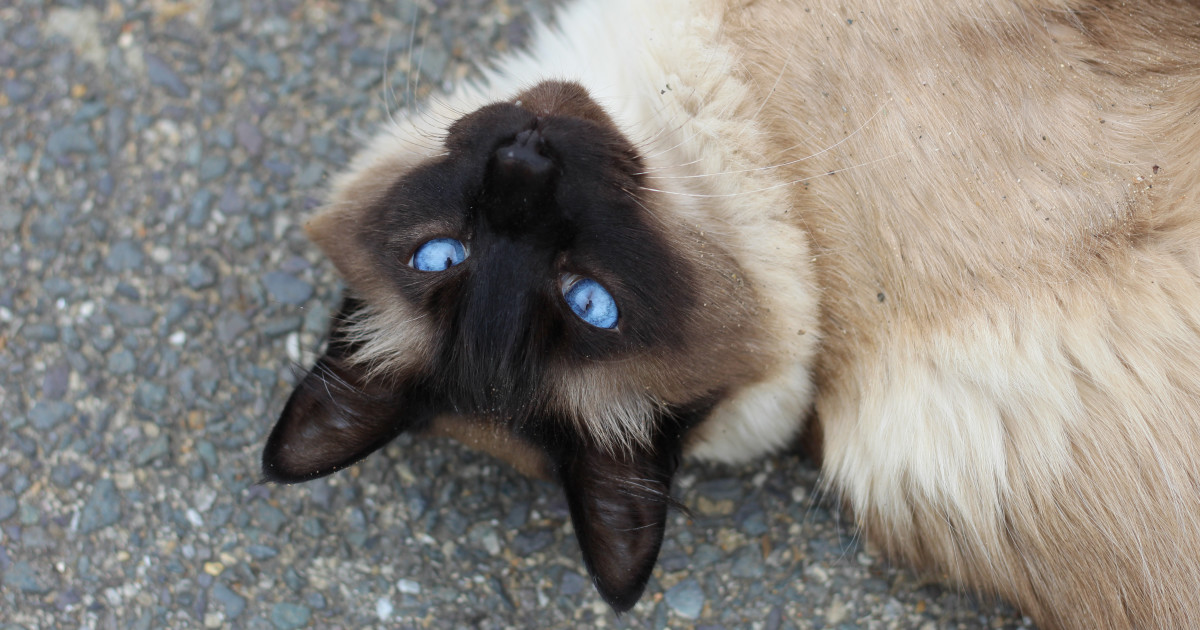
Asian cats often have slender bodies and short, fine fur. Their eyes are usually large and expressive. Many have a glossy coat that shines in sunlight.
Personality-wise, these cats are social and enjoy human company. They are active but not overly demanding. Many adapt well to different living spaces. Some breeds like the Burmese are known for being vocal. Others, like the Korat, are gentle and reserved.
Credit: pethelpful.com
Chewing Habits In Cats
Cats have unique chewing habits that often surprise pet owners. Chewing is not just for dogs; cats also explore their world with their mouths. This behavior helps them learn about objects and relieve stress or boredom. Asian breeds of cats show similar chewing patterns as other cats. Understanding why cats chew can help you protect your belongings and keep your pet safe.
Why Cats Chew Things
Cats chew for many reasons. Some chew to clean their teeth or massage their gums. Others chew to relieve anxiety or boredom. Young cats and kittens chew more as they explore. Sometimes, cats chew due to dental pain or discomfort. Chewing can also be a way to get attention from their owners.
Common Objects Cats Target
Cats often choose soft or textured objects to chew. These include:
- Plastic bags and wrappers
- Rubber bands and cords
- Paper and cardboard
- Furniture edges and fabric
- Houseplants and leaves
Asian cat breeds may show interest in similar objects. Keep these items out of reach to avoid harm to your cat and damage to your home.
Do Asian Cats Chew More?
Asian cat breeds may chew more due to their playful and curious nature. Chewing helps them explore and relieve stress. This behavior varies by individual cats, not just breed.
Do Asian cats chew more than other breeds? It’s a question many cat lovers ponder, especially those who share their homes with these fascinating felines. Asian cat breeds, like the Siamese and the Burmese, are known for their playful and curious nature. But does this curiosity translate into a greater tendency to chew? Let’s explore the unique traits of these cats and compare them with their global counterparts.Behavioral Tendencies Of Asian Breeds
Asian cats are often described as social and interactive. Their high energy levels and inquisitive nature make them more likely to explore their environment. This can sometimes lead to chewing as a form of exploration or play. In my own experience with a Siamese cat, I noticed an increased interest in household items. Anything from shoelaces to furniture corners became a target. This behavior might be more about their playful disposition rather than a need to chew. Does your cat engage in similar activities? It’s important to remember that every cat is unique, and behaviors can vary widely even within breeds.Comparing With Other Cat Breeds
When you compare Asian breeds to others, such as the laid-back Persian or the independent Maine Coon, the difference in chewing behavior can be noticeable. While some breeds might be content with lounging, Asian breeds often seek engagement. A friend of mine with a Burmese cat frequently finds chewed-up toys scattered around the house. In contrast, her Persian prefers to nap. This difference highlights the active nature of Asian cats. Have you observed these differences in your own multi-breed household? Understanding these tendencies can help you cater to your cat’s needs and prevent unwanted chewing. Incorporate toys and activities that satisfy their curiosity and energy levels. This can reduce instances of unwanted chewing and lead to a happier, healthier cat.Reasons Behind Chewing In Asian Cats
Asian cat breeds chew for several reasons. This behavior can tell us about their health and emotions. Understanding why they chew helps owners respond properly. It also prevents damage to household items. Here are the main reasons behind chewing in Asian cats.
Dental Issues And Discomfort
Chewing can signal dental pain or problems. Cats may chew to ease gum soreness or tooth pain. Broken or infected teeth cause discomfort that leads to chewing. Regular dental checks help catch these issues early. Ignoring dental problems can worsen the cat’s condition.
Boredom And Playfulness
Asian cats are curious and active. They chew to explore their environment or relieve boredom. Chewing objects can be a form of play and mental stimulation. Providing toys and interactive activities reduces unwanted chewing. Lack of engagement often causes destructive chewing habits.
Stress And Anxiety Factors
Stress triggers unusual chewing in many cats. Changes in environment or routine cause anxiety. Chewing helps cats cope with nervous energy and fear. Signs of stress include restlessness and excessive grooming. Creating a calm space lowers anxiety and chewing behavior.
Managing Chewing Behavior
Managing chewing behavior in Asian cat breeds requires patience and smart strategies. These cats may chew due to boredom, teething, or curiosity. Controlling this behavior helps protect your belongings and keeps your cat safe. Understanding how to redirect chewing is key.
Safe Toys And Chewing Alternatives
Provide your cat with safe and interesting toys. Chewing alternatives help satisfy their urge to bite. Look for:
- Rubber or silicone chew toys
- Catnip-infused toys
- Interactive treat dispensers
- Soft fabric toys designed for chewing
Rotate toys regularly to keep your cat engaged. Avoid items that can break easily or cause harm.
Training Tips For Asian Cats
Use positive reinforcement to guide chewing behavior. Praise your cat when they chew toys, not furniture. Try these tips:
- Redirect chewing to toys immediately
- Use gentle verbal cues like “no” or “stop”
- Offer treats when your cat chooses toys over other objects
- Keep your cat mentally and physically active
Consistency is important. Training works best with short, frequent sessions.
When To Consult A Veterinarian
Chewing can signal health or behavioral issues. Seek veterinary advice if your cat:
- Chews excessively beyond normal curiosity
- Shows signs of oral pain or discomfort
- Begins chewing harmful objects like plastic or wires
- Displays sudden changes in chewing habits
A vet can check for dental problems or anxiety and suggest treatment.
Surprising Facts About Asian Cats
Asian cat breeds have many traits that surprise cat lovers. They are not just about chewing habits. Their behaviors and cultural roles make them unique pets. These cats often show unusual habits that set them apart from other breeds.
Unique Habits Beyond Chewing
Asian cats enjoy playing with different objects. They often use their paws to explore new items. Many like to climb high places and watch their surroundings. Some prefer water and may splash in their bowls. These cats also show strong attachment to their owners. They follow people around the house and seek attention. Their vocal sounds can be soft or loud, depending on mood.
Cultural Significance And Popularity
Asian cats hold special meaning in many cultures. They often appear in art and folklore. Some believe these cats bring good luck and fortune. In countries like Thailand and Japan, they are respected and loved. Their unique looks make them popular pets worldwide. Many cat lovers admire their elegance and charm. Asian breeds often appear in cat shows and social media. They help spread awareness about cat care and adoption.

Credit: www.amazon.com
Frequently Asked Questions
Do Asian Cat Breeds Tend To Chew More Often?
Asian cat breeds may chew occasionally but not excessively. Chewing usually relates to teething, boredom, or stress, not breed alone.
Why Do Asian Cats Chew On Household Items?
Asian cats chew to explore, relieve boredom, or soothe teething discomfort. Providing toys can reduce unwanted chewing behaviors.
Is Chewing Behavior Common In All Asian Cat Breeds?
Chewing varies individually and is not common in all Asian breeds. Environment and training influence chewing habits more than breed.
How To Prevent Asian Cats From Chewing Inappropriate Things?
Offer chew toys, engage your cat in play, and remove tempting objects. Consistent training and attention reduce destructive chewing in Asian cats.
Conclusion
Asian cat breeds sometimes chew on things like toys or plants. This behavior helps them explore their world and stay active. Owners should offer safe chewing options to keep cats healthy and happy. Watching your cat’s chewing habits can reveal their mood and needs.
Understanding these breeds helps build a stronger bond with your pet. Care and attention make all the difference in their well-being. Keep your Asian cat safe and content by meeting their natural urges. Simple steps create a happy, healthy home for both of you.



Leave a Reply